10 Daily Habits That Keep Clutter From Entering Your Home
You know that moment when you step through the front door and immediately trip over a pair of shoes or shuffle past a pile of mail? I’ve been there more times than I care to admit. Clutter at the door isn’t just annoying—it quietly takes over your space, makes mornings chaotic, and even adds stress you didn’t realize you were carrying.
Over the years, I’ve learned that stopping clutter isn’t about becoming a minimalist or overhauling your whole house. It’s about building simple habits that catch the mess before it spreads. In this article, I’m going to walk you through ten practical habits that you can start using today to keep your doorway—and your home—calm, organized, and welcoming.
Why Clutter at the Door Happens (Not Just Messy Habits)
I’ve noticed that clutter at the entryway isn’t usually because someone’s messy—it sneaks in in ways we barely notice. Every day, items come through your door without a clear home: mail lands on the counter, shoes get kicked off by the door, and random packages pile up. If you don’t make a decision immediately, those small items quietly take over.
A few key reasons clutter builds:
- No designated landing zone: Items don’t have a place to live, so they end up wherever is convenient.
- Impulse habits: You grab things on the way in or toss things down without thinking.
- Emotional attachment: Even small things feel “important,” and it’s easy to leave them lying around.
Experts highlight that creating small systems can stop clutter before it spreads—Real Simple has a great guide on how to stop clutter before it gets through the door that I often refer to. Understanding why clutter accumulates is the first step toward regaining control—and it’s simpler than it seems.
Habit 1 – Create a Front Door “Landing Zone”
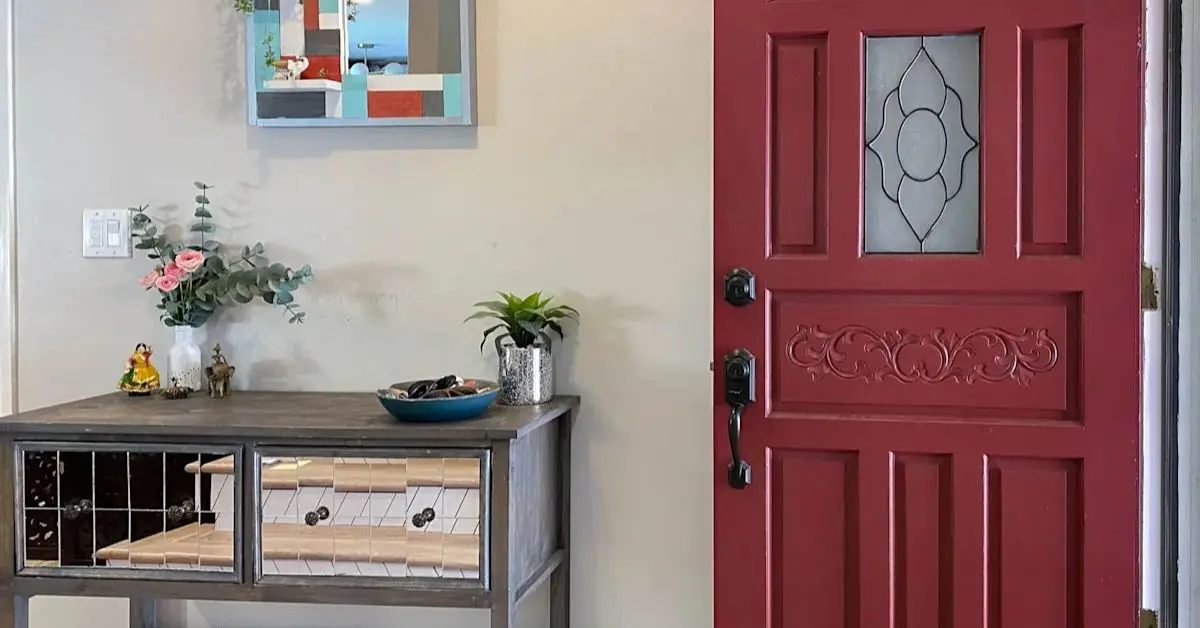
You need a clear spot that signals, “This is where things go.” A tray, small table, or a few hooks can make all the difference. Once you give items a home right by the door, you’ll notice less visual chaos.
- Use baskets for mail or small items.
- Hooks or a rack for keys, bags, and jackets.
- A tray for shoes or seasonal items that you need daily.
Even just one landing zone can act as your clutter “anchor” and stop items from spreading further into your home.
Habit 2 – Daily 2‑Minute Reset Routine
I’ve found that spending just two minutes each day at the entryway keeps clutter from ever becoming overwhelming. You don’t need a weekend cleaning marathon—small daily actions work wonders.
- Put away any stray shoes or bags.
- Toss or file mail that arrived that day.
- Wipe down surfaces if needed, so the area feels fresh.
These micro-habits might seem tiny, but over time, they prevent the mess from spiraling out of control. StarCore Cleaning has a helpful article on quick entryway reset routines that shows exactly what I do each day.
Habit 3 – The One‑In, One‑Out Rule at the Door
Here’s a habit I swear by: every time something new comes in, something else goes out. It’s simple, but it works.
- If you bring in a new pair of shoes, remove one old pair.
- Pick one item from the landing zone to donate, toss, or relocate before adding something new.
This rule trains you to make conscious choices and stops clutter from creeping in unnoticed.
Habit 4 – Immediate Sort for Mail, Packages, and Paperwork
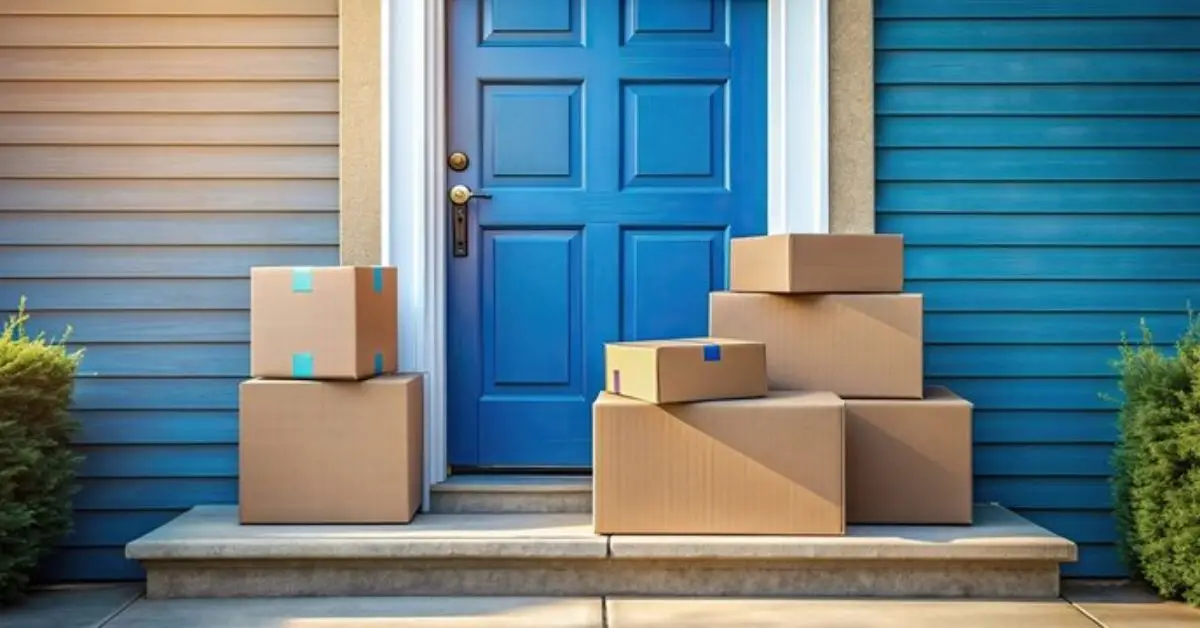
I’ve learned the hard way that mail is one of the sneakiest culprits for clutter. What starts as a tiny stack can quickly become a stressful pile that blocks your entryway and your mind. The key is to deal with it the moment it arrives.
- Sort mail into trash, action, or file categories right away.
- Open packages and put items in their proper home immediately.
- Keep a small tray or inbox just for things that require action today.
Even spending just a few minutes after you walk in can prevent piles from growing. AOL has a practical guide on how to handle entryway paperwork and mail efficiently that covers exactly what I do to stay on top of it.
Habit 5 – Store Only What’s Used Daily in the Entry Zone
I’ve noticed that we often turn entryways into a dumping ground for everything from seasonal gear to forgotten extras. But the entryway is meant to be a transition space, not a storage unit. Limiting what’s there keeps the area functional and stress-free.
- Keep only daily essentials like shoes, coats, and bags.
- Rotate seasonal items in and out as needed.
- Use a small basket or bin for items you bring in daily but don’t want lying around.
This habit instantly makes your space feel lighter and easier to manage.
Habit 6 – Give Everything a Home Beyond the Door
This is one of the habits that changed everything for me: everything that enters your home needs a defined long-term home, otherwise it will inevitably become clutter.
- Decide where every item belongs beyond the landing zone.
- Avoid letting things linger “just for now” or they’ll become permanent clutter.
- Encourage your family to return items to their proper places too.
Reddit users often mention that clutter builds when items lack a proper spot and are left wherever convenient, which is why this habit is so effective (Reddit discussion on entryway clutter).
If you’ve noticed clutter creeping in from your entryway into your living spaces, I also recommend checking out my guide on 5 clutter traps that make your living room look worse—and simple solutions to keep your whole home organized.
Habit 7 – Seasonal Rotation & Purge Rituals
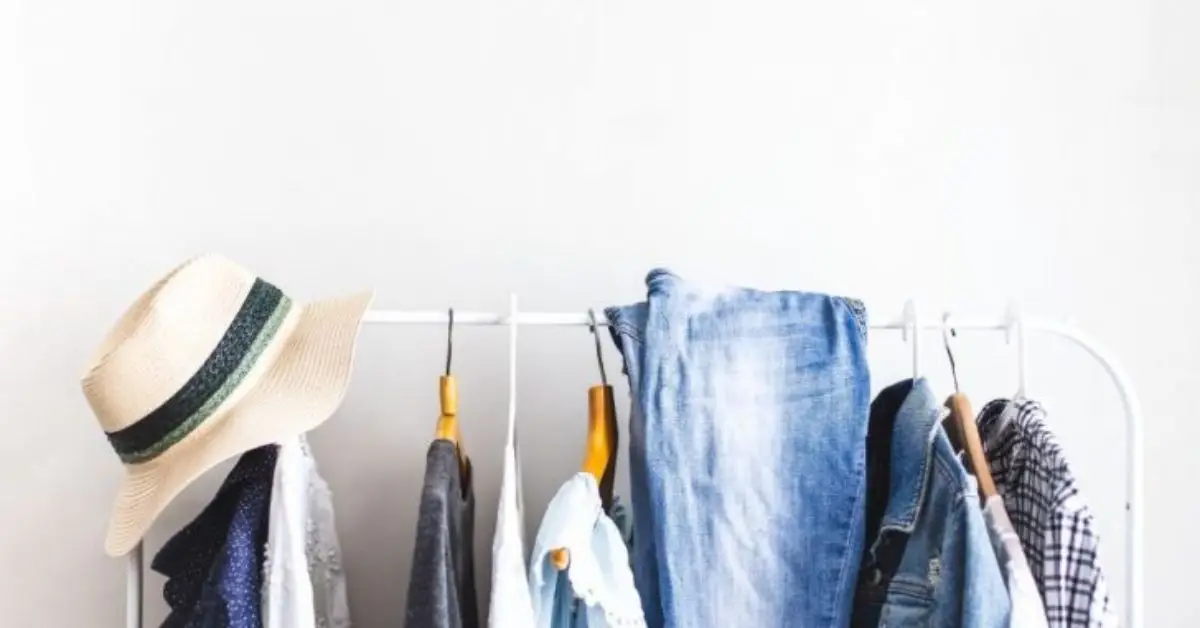
I’ve found that changing seasons is the perfect natural checkpoint for decluttering. Each season gives you a reason to assess what’s actually needed and what can go.
- Rotate seasonal clothing, shoes, and gear in and out.
- Donate, sell, or toss items you no longer use.
- Use this as a mini reset for the entryway, keeping it functional year-round.
Regular small purges prevent bulk clutter from piling up, so you’re never stuck with an overwhelming mess. While the entryway is key, don’t forget about other problem areas in your home—this article on 6 hot spots in your home you must declutter this January has quick pro tips to tackle them effectively.
Habit 8 – Delegate Simple Tasks to the Whole Household
Clutter isn’t just an individual problem—it’s a household pattern. When everyone in your home shares the responsibility, maintaining order becomes far easier.
- Ask family members to hang up their coats and put away shoes.
- Create simple routines for kids and roommates to follow.
- Celebrate small wins when everyone follows the system—it reinforces good habits.
Social accountability makes these habits stick and keeps clutter from returning.
Habit 9 – Don’t Let Inbox Mentality Spill Into Your Entryway
I’ve realized that one of the biggest hidden causes of clutter is procrastination. That “I’ll put it away later” mindset quietly fills every corner of your entryway.
- Make it a rule to handle items immediately.
- Treat the entryway like your inbox: clear it daily.
- Break larger tasks into small, actionable steps so nothing gets ignored.
Tackling mental blocks head-on prevents clutter from creeping in unnoticed.
Habit 10 – Visual Cues & Minimal Storage Systems
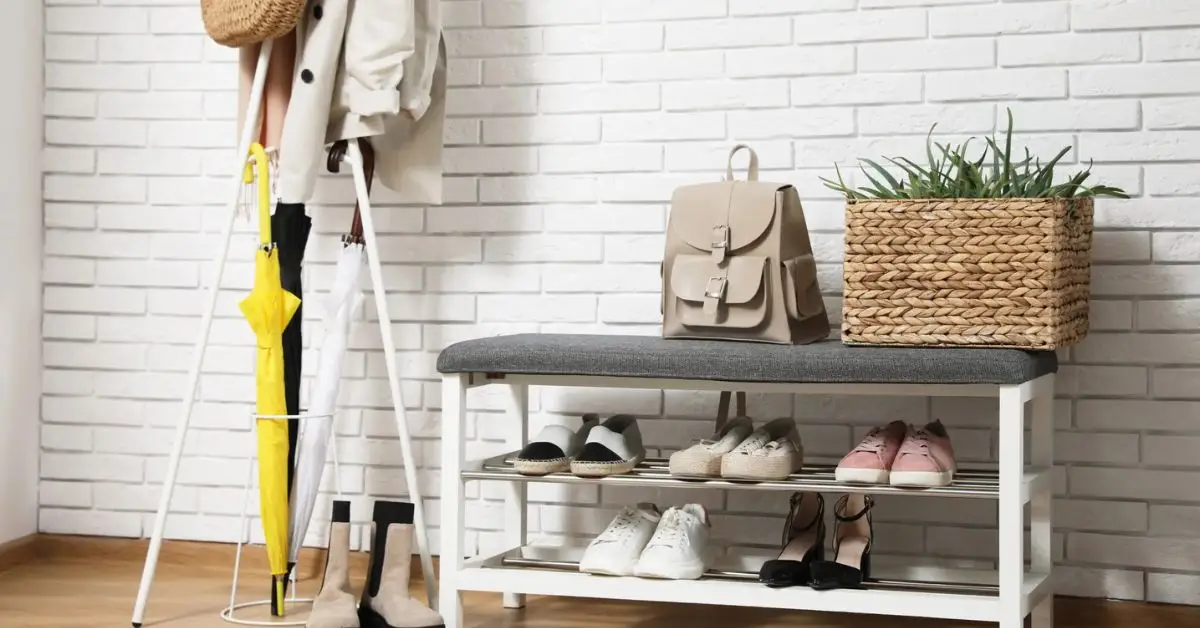
Finally, leaving some breathing room in your entryway is crucial. Overstuffed storage hides clutter and makes it harder to manage.
- Keep shelves, baskets, and trays partially empty so items are easy to see and access.
- Use clear visual cues to indicate where things belong.
- Avoid filling storage completely—this gives flexibility for daily use and temporary items.
Minimal, visible storage helps maintain order without constant effort.
Common Entryway Clutter Triggers to Avoid
Before we wrap up, let’s quickly cover the things that silently sabotage your entryway. Avoiding these can make all the difference:
- Excess decorations that take up landing space.
- Unopened mail or flyers stacking up.
- Oversized packages left by the door.
- Wet towels, umbrellas, or other items that create mess and hazards.
- Shoes and bags with no designated spot.
These triggers are often overlooked in other guides, but they’re the very things that can undo all your good habits. Paying attention to them keeps your entryway functional and stress-free.
How These Habits Fix Real Daily Pain Points
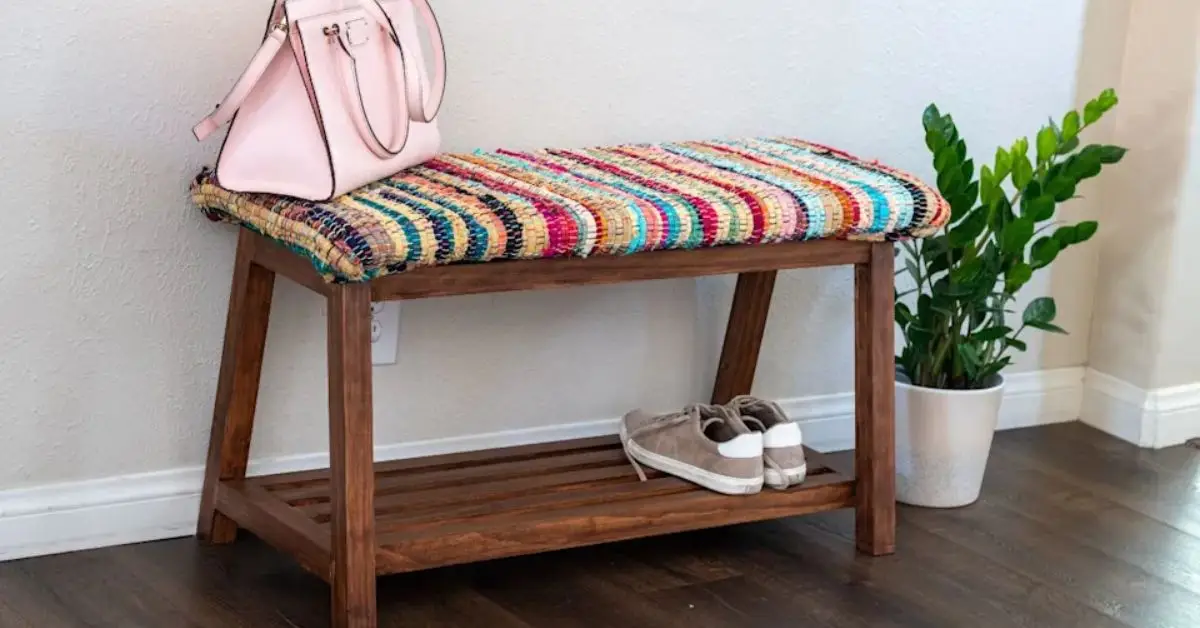
When you apply these ten habits consistently, you’ll notice real-life improvements:
- Lost keys become a thing of the past with a proper landing zone.
- Mail piles no longer overwhelm your counter.
- Chaotic mornings feel calmer when everyone knows where things belong.
- Tripping hazards disappear when items aren’t scattered on the floor.
These aren’t just neat tricks—they solve everyday frustrations that quietly drain your energy.
Closing Thought & Next Step
Here’s what I suggest: pick one habit today—maybe setting up your landing zone or starting your 2-minute reset—and focus on making it stick. Once that feels natural, layer in the others one by one. Sustainable progress beats perfection every time. If you’re short on time but want to see immediate results, try my list of 10 spots in your home you can declutter in 10 minutes flat—it’s perfect for quick wins without feeling overwhelmed.
I’d love to hear from you: which habit do you think will make the biggest difference in your home? Drop a comment below to share your thoughts. And for more practical, everyday home strategies, visit us at Build Like New—we’re all about helping you create spaces that feel calm, functional, and truly yours.
Disclaimer: The tips and habits shared in this article are for general informational purposes only. Results may vary depending on your personal space and lifestyle. Build Like New is not responsible for any damage, injury, or loss that may occur from implementing these suggestions.