10 Clever Ways to Store Your Trinkets Without Throwing Anything Away
I’ve spent years helping people organize their homes, and one thing I’ve noticed is that keepsakes—those little trinkets, letters, and souvenirs—often cause more stress than joy. You want to hold onto memories, but somehow they pile up into clutter, and the thought of sorting them feels overwhelming. I get it. I’ve been there myself.
The truth is, organizing your keepsakes isn’t about tossing your memories. It’s about creating a system that lets you enjoy them without feeling buried under them. In this guide, I’ll show you 10 practical, must-try ways to organize your treasured items so you can actually see and appreciate them every day. You’ll learn how to sort, display, store, and even repurpose your keepsakes—while keeping the sentimental value intact.
By the end, you’ll not only have a clutter-free space but also a way to reconnect with the memories behind each item. And I promise, this isn’t a one-size-fits-all approach—you’ll find ideas you can adapt to your own style, space, and emotional attachment.
1. Take a Sentimental Inventory
Before you start stuffing boxes or arranging shelves, I always recommend taking a step back and really seeing what you have. I promise, this is a game-changer. When you know exactly what’s in your collection of keepsakes, you avoid that overwhelming “where do I even start?” feeling.
Here’s how I usually guide people through it:
- Categorize by type: Separate your items into groups like photos, letters, small trinkets, or souvenirs. Even a simple stack of postcards feels more manageable once it’s in its own pile.
- Categorize by person or event: Organize by who gave it to you or by special occasions—birthdays, weddings, trips. Grouping memories this way makes it easy to recall the story behind each item.
- Ask yourself key questions: For every item, pause and think: “Does this spark joy?” or “Will I value this five years from now?” It might feel tough at first, but this check saves hours of clutter later.
Doing this inventory isn’t just about neatness—it’s about giving each memory the attention it deserves. If you want a bit more guidance on starting this process, House Digest’s tips on displaying trinkets show practical ways to assess what to keep, display, or store.
Once you’ve done this inventory, the rest of your organization becomes easier because you’re working with intention rather than chaos. You’ll know exactly what deserves a home, what needs a special display, and what can be safely tucked away.
2. Sort and Create Intentional Categories
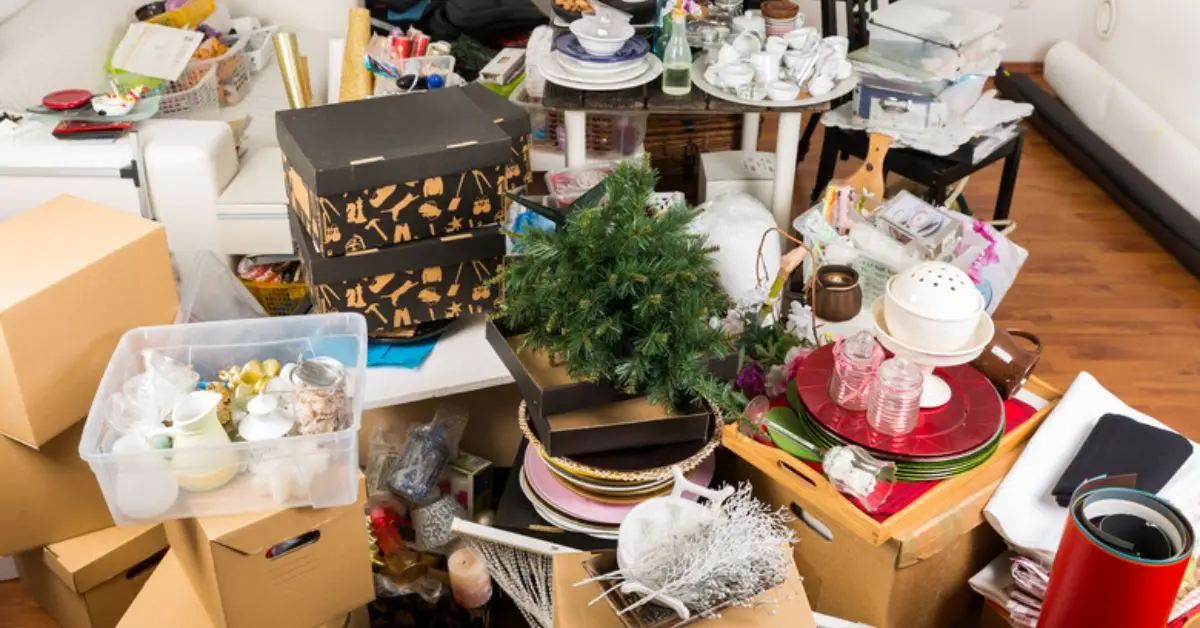
Now that you’ve seen exactly what you have, the next step is to create intentional categories. This step is where you turn a pile of keepsakes into a system you can actually live with. I’ve seen people skip this part, and it almost always leads to boxes of “organized clutter” that are impossible to manage.
Here’s my approach:
- Event-based: Group items by birthdays, weddings, vacations, or any special event. This way, you can relive those moments whenever you access them.
- Material-based: Some items are delicate, like photos or textiles, while others, like metal trinkets, can be handled differently. Sorting by material helps you protect fragile items and plan the right storage.
- Function-based: Think about whether an item is decorative, practical, or purely sentimental. I often set aside purely decorative trinkets for display and practical keepsakes for organized storage bins. Just like categorizing your keepsakes by type and event, organizing everyday items can be simpler than you think—these 6 must-have back-to-school supplies that will revolutionize your kitchen organization offer clever ways to keep your daily life as organized as your memories.
Sorting this way makes everything easier to store, display, or even repurpose later. It also gives you peace of mind knowing that when you grab a box or shelf, every item is where it belongs—and nothing gets lost in the shuffle.
3. Decide What to Display vs. Store
Before diving into storage solutions, I like to help you figure out what should be on display and what should be tucked away. You want your home to celebrate your memories without feeling cluttered, and this step is where intention makes all the difference.
- Display items that spark daily joy: Pick pieces that make you smile or trigger a fond memory. For me, a small shelf of travel souvenirs instantly lifts my mood every time I walk by.
- Rotate displays seasonally: Don’t feel pressured to show everything at once. Swapping items every few months keeps your space feeling fresh and meaningful.
- Store the rest safely: Less‑used or delicate keepsakes can go into boxes, drawers, or closet storage, so they’re safe but still accessible when you want them.
Deciding what to display versus store gives your keepsakes a purpose—they’re not just hidden in a bin, but thoughtfully showcased or protected in ways that make your space feel intentional.
4. Use Creative Display Solutions
Once you know what you want visible, the fun part begins: creative displays. Making memories a part of your everyday space adds joy without creating clutter.
Here’s what I recommend:
- Shadow boxes & memory frames: Perfect for tickets, medals, or small 3D items. I love themed shadow boxes for travel keepsakes—they become little mini-exhibits in my home.
- Stylish shelves or curio cabinets: Dedicated shelves or cabinets keep treasured items organized and visually appealing.
- Trays, glass jars, and curated groupings: Smaller trinkets look charming in clear jars or decorative trays, keeping them visible but tidy.
If you want guidance from a professional organizing perspective, Homes & Gardens offers tips from Marie Kondo on organizing sentimental items. I find her advice on deciding what sparks joy and how to display keepsakes really practical.
5. Smart Storage Solutions
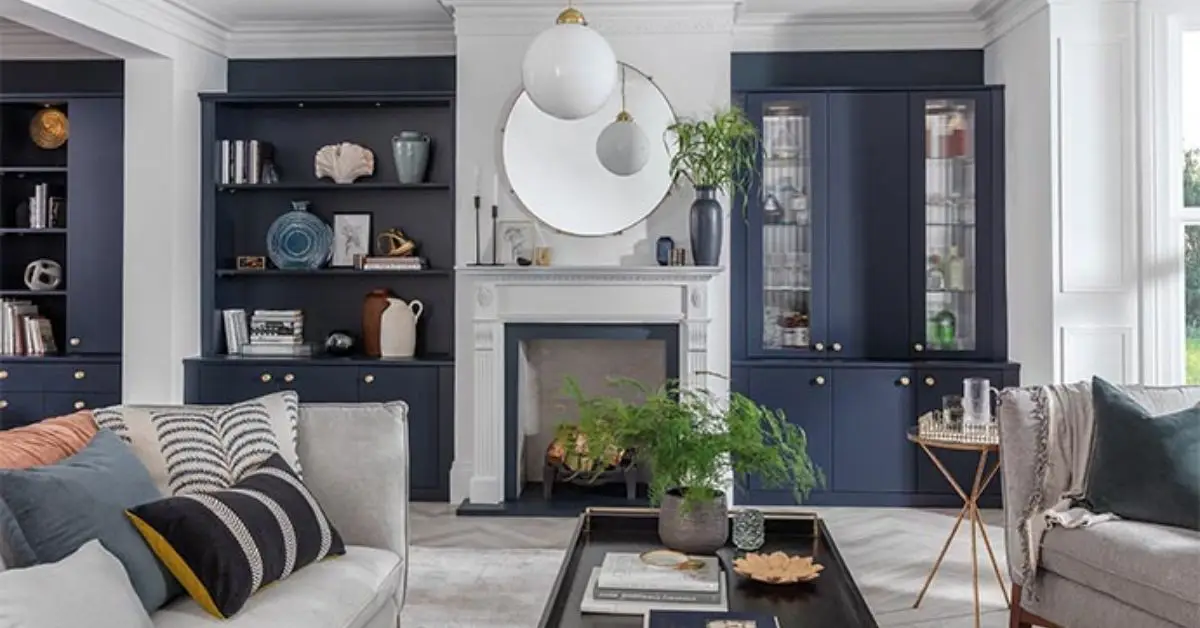
Not everything should be on display, and that’s where smart storage comes in. Protecting fragile items while keeping them organized is key, and the right solutions make a world of difference.
Here’s my approach:
- Keepsake boxes & decorative bins: Choose boxes that match your décor so they feel integrated, not hidden. I label each box for easy identification.
- Archival storage for photos and letters: Acid-free boxes and sleeves preserve delicate items and prevent yellowing or damage.
- Closet or under-bed storage: Items you don’t use daily can be safely tucked away but remain accessible. If you’re looking to take your storage a step further, these 5 storage resolutions to finally get your home organized in 2026 can complement the keepsake solutions I’ve shared and help you maintain a clutter-free home.
These storage solutions make it simple to maintain order while keeping your memories safe for years to come.
6. Digitize and Preserve Memories
Physical keepsakes are wonderful, but they can take up space and sometimes overwhelm you. Digitizing lets you reduce clutter while keeping memories safe and shareable.
Here’s my method:
- Scan photos and documents: Digital copies prevent fading or damage over time.
- Photograph 3D keepsakes: Capture items like figurines, medals, or jewelry from multiple angles to preserve the memory.
- Use cloud or external storage: Organize your digital files in clear folders and back them up to avoid loss.
Digitization doesn’t replace the emotional value of your keepsakes, but it gives flexibility. You can revisit memories anywhere, share them with loved ones, and free up physical space without losing the stories behind each item.
7. Set Limits and Review Periodically
Even the most organized system can get messy if you don’t set boundaries. I’ve learned that keeping your keepsakes sustainable requires limits and regular reviews.
- Limit items per category: Decide how many items you really want to keep per type or event. For example, one memory box per trip or a single shelf for letters.
- Seasonal or annual review: I schedule a review every few months to see what’s still meaningful and what might be ready for storage or repurposing.
- Rotate displays for freshness: Don’t let your display become static. Rotating items keeps your space dynamic and your memories alive.
For extra insight, check out real user experiences on managing keepsakes on Reddit. It’s full of practical ideas and honest advice that shows how others actually keep their memories organized.
8. Repurpose Keepsakes Creatively
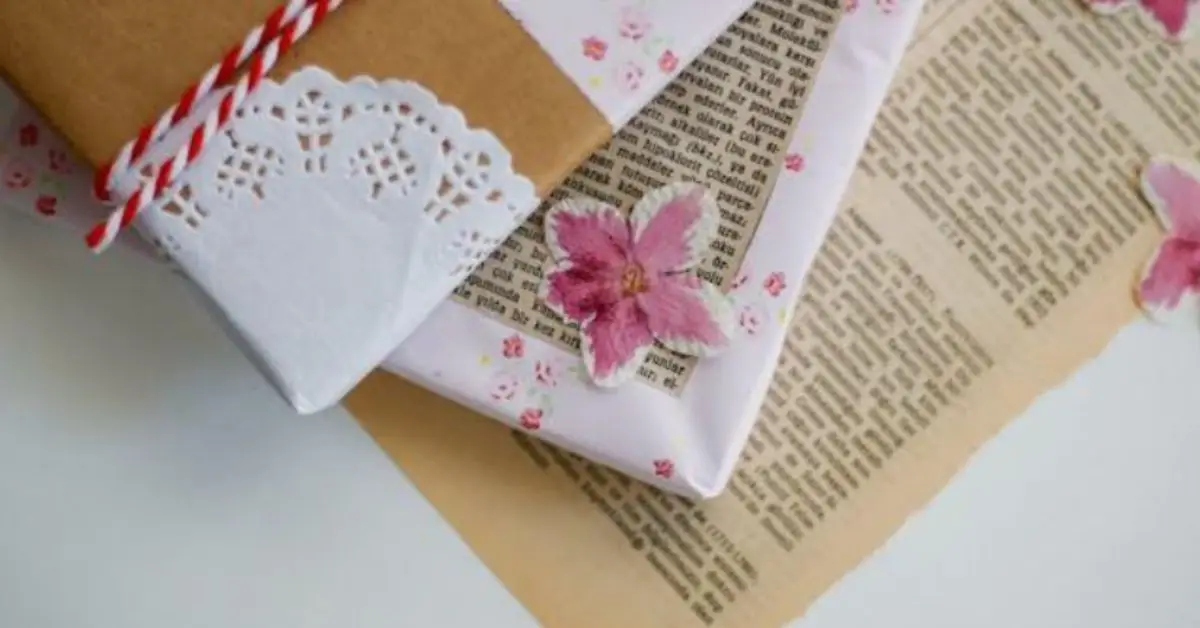
Sometimes, the best way to honor a memory is to give it a new life. Repurposing keepsakes lets you enjoy them in a functional or decorative way instead of hiding them in storage.
- T-shirt quilts or photo collages: Old event shirts or small photos can become cozy quilts or wall art.
- DIY gifts: Transform sentimental items into presents for family—like framed ticket stubs or decorated jars.
- Scrapbooks combining tickets, notes, and photos: A scrapbook becomes a storybook you can revisit anytime.
Few articles focus on repurposing, but it’s one of my favorite ways to blend creativity with memory preservation.
9. Avoid Common Organization Mistakes
Even with a plan, small mistakes can derail your organization. I always remind myself (and anyone I guide) to watch out for these pitfalls:
- Don’t dump everything in one bin: Grouping random items only creates chaos.
- Label clearly: You want to find memories, not dig through boxes.
- Avoid overcrowding displays: Less is more—your keepsakes need space to shine.
- Plan for future acquisitions: Think ahead so new items can be incorporated without disrupting your system.
Avoiding these errors keeps your system functional and stress-free.
10. Add Personal Stories and Context
Organization isn’t just about storage—it’s about connection. Adding context transforms your keepsakes from objects into living memories.
- Tag items with date, location, or memory: A small note on a box or tag can trigger a full story when you revisit it.
- Keep a small journal alongside stored items: I jot down why certain keepsakes are meaningful; it makes revisiting them even more rewarding.
- Encourage family contributions: Ask relatives to add their perspective or memories to shared keepsakes.
This step makes your collection emotional and interactive, turning organization into a meaningful experience.
Tips for Maintaining Organization Over Time
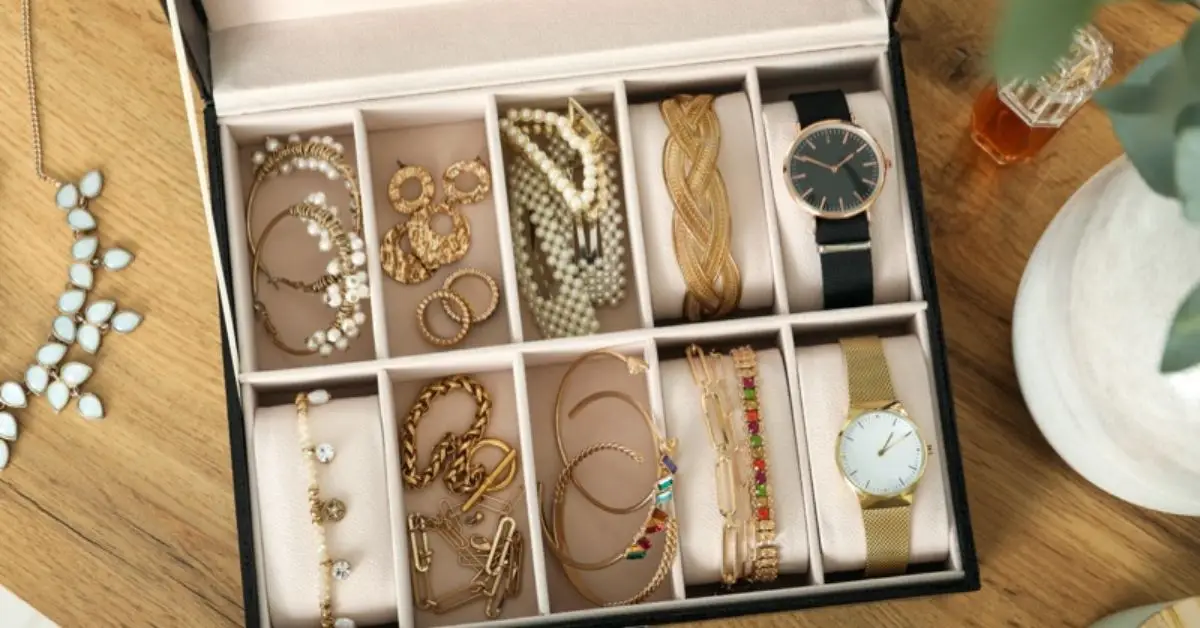
Organization is not a one-time effort. A few small habits keep everything running smoothly:
- Monthly/quarterly check-ins: Glance through your boxes or shelves to make sure items are still in order. Maintaining a keepsake system over months and years is easier when you apply simple habits—these 12 genius home organization tips to make school mornings stress-free show how small routines can keep any space organized, including your memory boxes.
- Rotate displayed items: Swap out items for seasonal freshness or new acquisitions.
- Update categories as new keepsakes arrive: Integrate new memories immediately to avoid last-minute clutter.
Closing Thought – Your Keepsakes, Your Story
At the end of the day, organizing keepsakes isn’t about perfection—it’s about enjoying your memories without stress.
- Take joy in the memories on display every day.
- Remember that it’s okay if your system isn’t flawless; the goal is enjoyment and connection.
- Start small, keep it personal, and gradually expand your organization as you see fit.
I’d love to hear from you: how do you organize your keepsakes at home? Share your tips or challenges in the comments below.
And if you want more practical, hands-on advice for home organization and personal spaces, check out my website Build Like New for guides, inspiration, and tips to make your home truly work for you.
Disclaimer: The tips and suggestions in this article are for general informational purposes only. Always handle fragile keepsakes with care, and choose storage or preservation methods that suit your specific items and home environment.