Why This “No Contact” Decluttering Strategy Works When Other Methods Fail
I’ve noticed something about decluttering advice online: most of it assumes you’re ready to be ruthless. Pick it up. Decide fast. Keep or toss. No looking back. But if you’re someone who gets stuck, second-guesses, or feels stressed just thinking about letting go, that advice doesn’t help. It makes things worse.
That’s why the no contact decluttering method feels different the moment you try it. Instead of forcing a final decision, you give yourself space. You remove items from your daily life without throwing them away right away. No pressure. No guilt. Just distance. And that distance changes how your brain reacts to clutter.
From everything I’ve seen in real homes, reader stories, and expert discussions, the real problem with decluttering isn’t the stuff. It’s the emotional load attached to it. Memories. “What if I need this later?” fear. Regret. Most popular methods ignore that part. This one doesn’t.
In this article, I’ll break down why stepping back from your things often makes it easier to let them go for good—without stress, panic, or that sinking feeling of making the “wrong” choice. If you’ve ever kept clutter not because you wanted it, but because deciding felt too heavy, you’re exactly who this method was made for.
Before we go further, let me ask you something: What’s one thing in your home you’ve wanted to declutter for years—but still haven’t?
What Is the No Contact Decluttering Method?
What the “No Contact” Decluttering Method Really Means
When I explain the no contact decluttering method to people, I keep it very simple: you don’t decide right away.
You step back first.
Instead of forcing yourself to choose between “keep” or “get rid of,” you place uncertain items into boxes, move them out of sight, and give yourself time. No touching. No checking. No emotional tug-of-war. After a set period, you come back and decide with a calmer head.
Home and lifestyle experts at Livingetc describe this approach as a way to test how your space and routine feel without certain items, rather than making an instant, high-pressure decision. That distance is the real magic here.
In practical terms, the method looks like this:
- You box up items you feel stuck on
- You store them somewhere you won’t see daily
- You set a clear review timeline
- You live your normal life without them
- You decide later, based on experience—not fear
This is very different from an immediate purge. You’re not being harsh with yourself. And unlike “box and banish,” this isn’t avoidance—you’re committing to a future decision, just not today.
There’s also a strong mental-health angle. According to insights shared by The Simplicity Habit, decluttering becomes stressful because of decision fatigue and emotional attachment. When your brain is overloaded, it defaults to keeping everything. No contact decluttering lowers that load by postponing the decision until your emotions settle.
How It’s Different From Other Popular Methods

If you’ve tried methods like fast, goal-based decluttering systems, you already know how intense they can feel. They ask you to decide now—while you’re tired, distracted, or emotionally attached.
The no contact method works in reverse.
Instead of asking, “Do I love this enough?”
It asks, “Did I even miss this?”
That shift changes everything.
Here’s the key difference you’ll notice:
- Most methods rely on emotional clarity upfront
- No contact decluttering creates clarity through time and distance
You’re not imagining life without the item. You’re actually living it. And once weeks pass without you needing or missing something, letting go feels logical instead of painful.
Why This Method Helps You Let Go Without Stress
The Psychological Advantage: Less Regret, More Clarity
From what I’ve seen again and again, the biggest blocker in decluttering isn’t laziness or lack of discipline. It’s fear of regret.
“What if I throw this away and need it later?”
“What if I feel guilty?”
No contact decluttering softens those fears because nothing is final at first.
When items are out of sight for a while:
- Emotional attachment naturally weakens
- Decision fatigue drops
- You stop defending objects you don’t use
- Clarity builds without forcing it
This is exactly why separation-based approaches are recommended by decluttering psychologists and behavior experts. When you reduce emotional noise, better decisions follow.
Build Confidence Through Temporary Separation
What I personally like about this method is that it doesn’t demand bravery on day one. It builds confidence slowly.
You’re not saying goodbye forever. You’re saying, “Let me see how my life works without this.”
Most people realize something important during this phase: life doesn’t get worse. Often, it gets lighter. That realization makes the final decision much easier and far less emotional.
Who Benefits Most From This Method
This method isn’t for extreme minimalists. It’s for real people.
It works best if you:
- Hold onto items because of memories or guilt
- Feel overwhelmed by big decluttering sessions
- Avoid decisions because they feel mentally draining
- Are preparing for a move or major life change
If decluttering has ever felt heavy instead of freeing, this approach meets you where you are.
How to Do No Contact Decluttering – A Practical Walkthrough
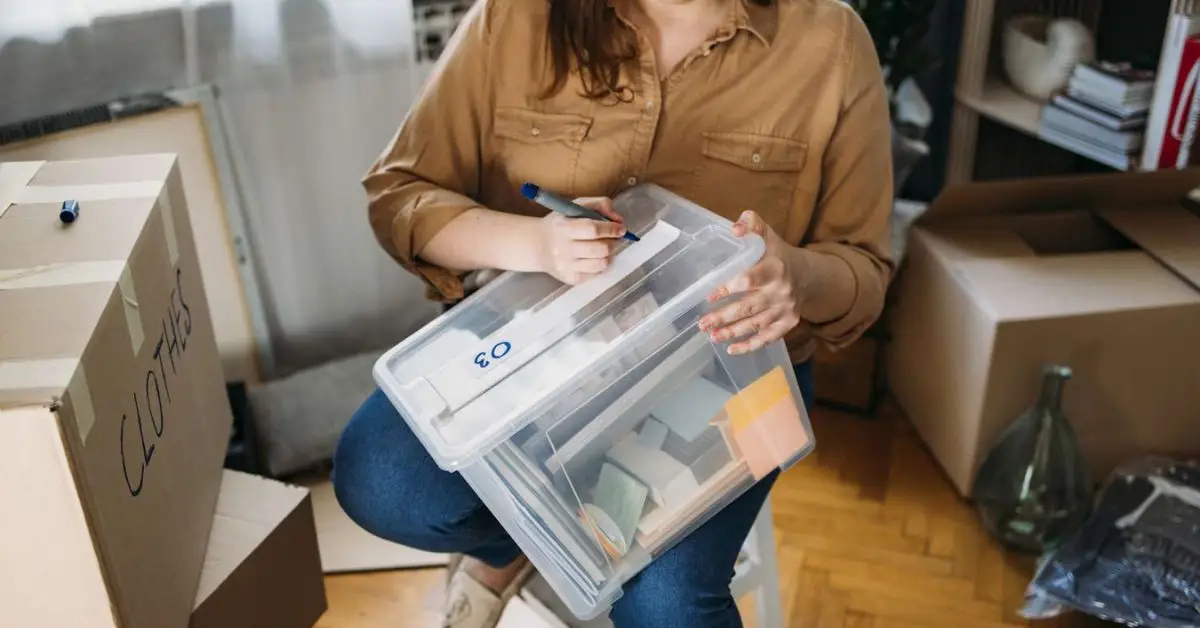
Prep Phase: What You’ll Need
Don’t overcomplicate this. Simple tools work best.
You’ll need:
- Boxes or storage bins
- Labels or tape
- A marker
- A storage spot you won’t access daily
Always label each box with what’s inside and when you’ll review it. That small step keeps the process intentional instead of forgettable.
The Execution Phase
Start small. One drawer. One shelf. One category.
Then:
- Pick items you feel unsure about. If deciding what to box up feels overwhelming, you can simplify the process by using the 1-3-5 rule to limit how many items you tackle at once and avoid decision overload.
- Pack them without overthinking
- Seal the box
- Move it completely out of sight
- Set a review date
The most important rule: don’t reopen the box early. Trust the gap you’re creating.
The Evaluation Phase (When Time’s Up)
When the review date arrives, ask yourself:
- Did I miss this at all?
- Did my life feel harder without it?
If the answer is no, the decision usually makes itself.
A simple filter that works well:
- Useful and used → keep
- Emotional but unused → donate
- Kept out of guilt → let go
You’re not trying to be perfect. You’re trying to be honest.
Before you move on, ask yourself this: Which items in your home would feel relieving to put into a no contact box first?
Real-World Tips and Common Pitfalls
Expert Tips to Make It Work Without Relapse
Here’s the part most articles skip: decluttering doesn’t fail because the method is wrong. It fails because life creeps back in.
I’ve seen people do no contact decluttering “successfully” and still end up surrounded by clutter again a few months later. The fix isn’t more motivation. It’s smarter guardrails.
A few expert-backed tips that actually stick:
- Treat no contact boxes like a short experiment, not storage
- Decide your rules before emotions show up
- Keep the process boring and predictable (that’s a good thing)
If you struggle to stay consistent after the initial declutter, pairing no contact boxes with small, low-pressure habits—like the 5–7 decluttering hack—can make maintenance feel lighter instead of exhausting.
When you remove drama from decisions, you stop relapsing into old habits.
How Long Should You Go No Contact? (Best Time Frames)
This is one of the biggest questions people ask me: How long is long enough?
There’s no single perfect answer, but there are ranges that work better than guessing.
In most real homes, these time frames are realistic:
- 30 days for everyday items (clothes, kitchen tools, décor)
- 60–90 days for sentimental or “just in case” items
- One full season for hobby or lifestyle-related clutter
The goal isn’t to forget what’s in the box. The goal is to notice whether your life actually needs it. If weeks pass and nothing breaks, nothing feels harder, and nothing is missed—that’s your answer.
Avoiding Common Slip-Ups

If you want this method to work, avoid these mistakes. They seem small, but they undo the whole process.
Mistake 1: Storing boxes where you can see them
If the box is in your bedroom or hallway, you’re still in contact. Out of sight matters more than you think.
Mistake 2: Not setting a deadline
When there’s no end date, boxes turn into permanent clutter. Delayed decisions without boundaries increase mental stress instead of reducing it.
Write the review date on the box. Put it on your calendar. Make it non-negotiable.
Pairing No Contact With Other Methods
No contact decluttering doesn’t have to stand alone. In fact, it works even better when paired with a simple rule.
One effective option is combining it with the 90/90 rule, which asks: Have I used this in the last 90 days, or will I use it in the next 90? This approach is often referenced by Good Housekeeping as a practical way to cut through emotional clutter.
Here’s how the combo works:
- Use the 90/90 rule to identify “maybe” items
- Place those items into no contact boxes
- Let time, not guilt, make the final call
It’s logical, low-pressure, and very hard to argue with.
Future-Proofing Your Space
How to Stay Clutter-free After No Contact
Decluttering once feels great. Staying clutter-free is where most people struggle.
What actually helps isn’t strict rules—it’s small habits that repeat.
A few that work well:
- Do quick monthly check-ins instead of big clean-outs
- Create a “holding zone” so clutter doesn’t spread
- Pause before bringing new items home and ask, Where will this live?
The more friction you add to bringing things in, the less effort it takes to let things go later. For people who want a structured follow-up after no contact decluttering, challenges like30 bags in 30 days can help prevent clutter from slowly creeping back in.
Moving Forward Without Stress
You don’t need to be ruthless to declutter. You don’t need to force emotional decisions. And you definitely don’t need to feel guilty for taking your time.
The no contact decluttering method works because it respects how real people think and feel. It gives you space first—and clarity follows.
I’d love to hear from you: What’s one mistake you’ve made while decluttering that you don’t want to repeat? Drop it in the comments.
And if you want more grounded, realistic advice on rebuilding your home and habits, explore Build Like New—that’s where this conversation continues.
Disclaimer: This article is for informational purposes only and reflects personal experience, expert opinions, and publicly available sources. Decluttering results vary from person to person, and this content is not intended as medical, psychological, or professional advice. Always choose methods that feel right for your situation and well-being.