Wisconsin House Fire Causes Total Loss of Structure
A house fire on Christmas Day left a family in Waukesha with nothing but questions and loss.
When I look at incidents like this, one thing becomes clear very fast: fires don’t wait for a “right time.” Just after 11 a.m. on Dec. 25, a two-story single-family home on Lombardi Way was already fully involved when crews arrived. Within minutes, it was clear this wasn’t a small incident—it was a Wisconsin house fire that would end with the structure declared a total loss.
If you live nearby, this likely hit close to home. Christmas morning is usually quiet. Families are inside. Kitchens are busy. That’s what makes this fire more unsettling—it happened during a moment most people assume is safe.
Fire officials later confirmed that while everyone managed to get out, the damage was complete. The home and everything inside it were destroyed. One person was taken to the hospital with injuries that were not life-threatening, but the emotional and financial impact will last far longer than the flames.
As you read this, ask yourself: would your home be ready if something like this happened today?
Emergency Call and Fire Response Timeline
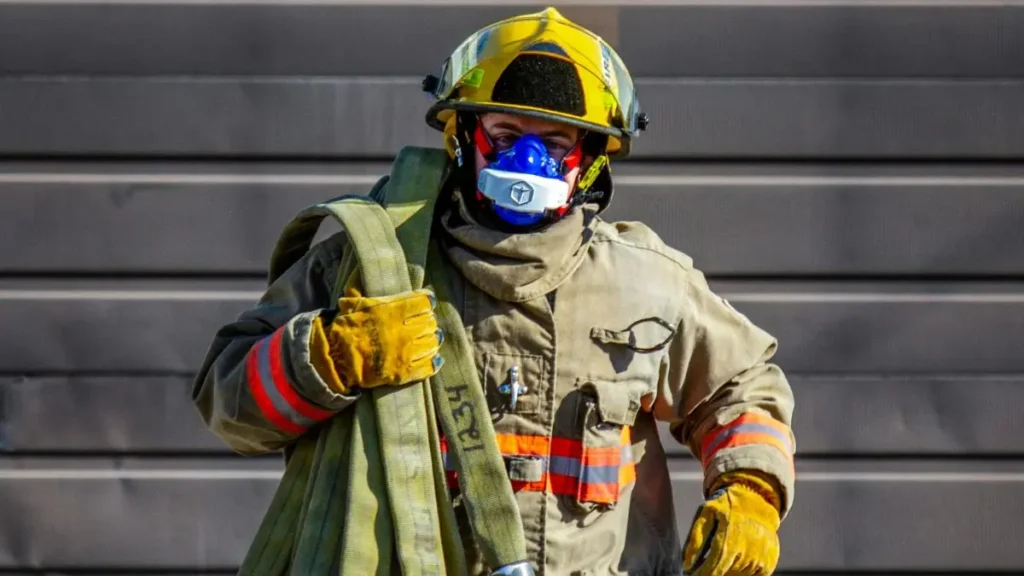
When I checked the official details, the response itself tells you how serious this fire was from the start. According to FOX6 News, the Waukesha Fire and Police Departments were dispatched just after 11 a.m. to reports of a structure fire on Lombardi Way.
Crews arrived in about three minutes, which is fast by any standard. But even with that quick response, firefighters were met with heavy flames already consuming the two-story home.
They didn’t rush inside blindly. Firefighters attacked the fire from the outside first, then moved inward once conditions allowed. Within roughly 20 minutes, the fire was brought under control, preventing it from spreading to nearby homes.
If you’ve ever wondered how quickly a house fire can turn dangerous, this timeline answers that question clearly.
Tragically, not every holiday fire ends without loss of life, as seen in a Tennessee house fire on Christmas morning that left two people dead and one injured.
Why Officials Labeled the Damage a “Total Loss”?
This wasn’t a case of partial damage or one room burning. Fire officials later confirmed that both the structure and its contents were a total loss.
In real terms, that means the home is not livable and likely not repairable. Walls, floors, and personal belongings were all severely damaged by fire, heat, and smoke.
Many news reports stop at the phrase “total loss,” but as a homeowner or renter, you should understand what that actually means. It’s not just property damage—it’s the sudden loss of stability, routine, and security.
That’s the part numbers never capture.
Residents Escape, One Person Hospitalized
There is one small relief in this Wisconsin house fire: everyone made it out.
Fire officials confirmed that all occupants safely evacuated the home. However, one person was taken to the hospital with injuries described as non-life-threatening.
That detail matters. Fires often turn deadly not because of flames, but because of smoke and panic. Getting out in time likely prevented a much worse outcome.
If you take one thing from this section, let it be this: getting out early saves lives—even when the house itself cannot be saved.
Cause of the Fire Still Under Investigation
Right now, there’s no official cause listed for the fire.
Investigators are still working to determine what sparked the blaze, and fire officials have not released further details. This is standard after structure fires, especially when damage is extensive.
It’s important not to jump to conclusions. Early speculation spreads fast online, but confirmed facts matter more—especially for insurance, safety reviews, and future prevention.
If you’re reading this and thinking “it couldn’t happen to me,” that uncertainty alone should give you pause.
In many residential fires, investigators face similar challenges determining the exact cause, much like an Oklahoma residential fire where crews responded but details remained limited early on.
Fire Department Issues Holiday Safety Warning
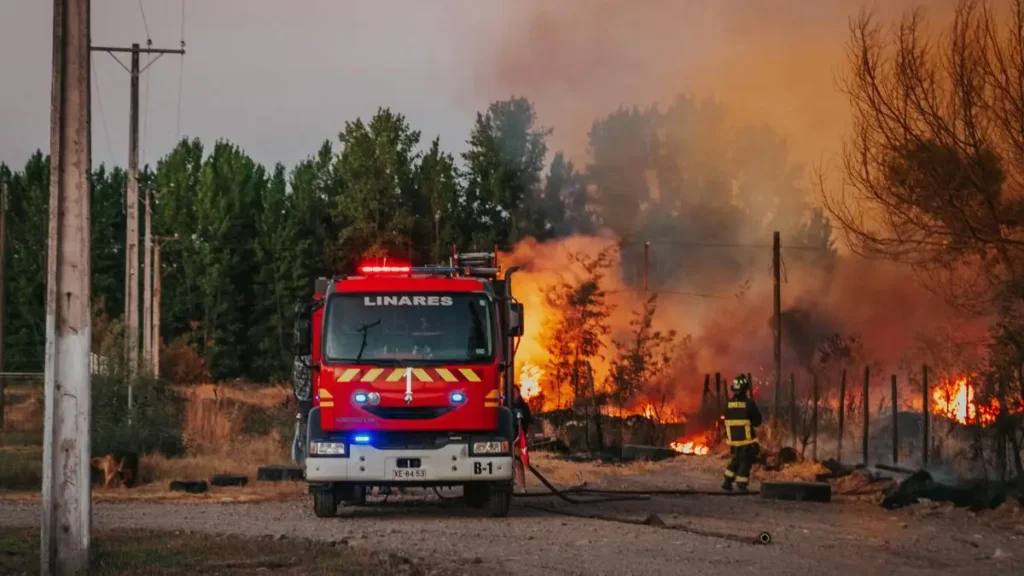
Alongside the incident details, the Waukesha Fire Department shared an important reminder.
Officials say many fires during the holidays are linked to cooking and food preparation. Busy kitchens, distractions, and rushed moments create perfect conditions for accidents.
Their advice is simple but critical: follow safe cooking practices, stay alert, and never ignore a small problem in the kitchen.
And when it comes to evacuation, their message couldn’t be clearer—get out and stay out.
If a fire starts, no possession is worth going back inside for. Staying alive is the priority.
Many people now rely on quick mobile updates during emergencies, especially when safety advisories are released as situations develop.
“Stay Out and Stay Alive”: The Message That Matters Most
There’s one line from fire officials that always sticks with me, because it’s learned the hard way: stay out and stay alive.
After evacuation, many people feel the urge to go back inside—grab documents, pets, or something valuable. That instinct is human. It’s also deadly.
Fire conditions change fast. What looks calm from outside can turn toxic in seconds due to smoke, heat, or sudden structural collapse. Fire officials repeat this message because they’ve seen what happens when people ignore it.
If your home ever catches fire, getting out safely is not the end of the danger. Staying out is what actually saves your life.
A Christmas Day Loss That Goes Beyond Property
This fire didn’t just destroy a house. It erased a Christmas morning.
While most families were opening gifts or sitting down to eat, one Waukesha family was watching their home burn. That timing matters. Losing a house is traumatic on any day, but during the holidays, the emotional weight hits harder.
There’s also the silent aftermath—finding a place to stay, dealing with insurance, replacing basics. These are the parts that don’t make headlines but define what comes next.
If you live in Wisconsin, this wasn’t just “someone else’s story.” It’s a reminder of how suddenly life can change, even on days meant for comfort and routine.
Similar scenes have played out elsewhere, including a New York State house fire that destroyed a home and killed multiple animals, showing how devastating residential fires can be beyond structural damage.
What Happens After a Total-Loss House Fire?
Once the flames are out and crews leave, the hardest phase begins.
Investigators continue working to determine the cause. Homeowners face insurance claims, temporary housing, and the reality that rebuilding—if possible—takes time. In many total-loss cases, families are displaced for months.
This is where preparation matters. Working smoke alarms, clear exit plans, and basic fire safety habits don’t stop every fire—but they give you a fighting chance to walk away alive.
Before you move on from this story, take a moment and ask yourself: if a fire started in your home today, would everyone know exactly what to do?
We regularly track house fires and safety updates across the U.S. You can follow our real-time reporting on X Or join the conversation on Facebook.
Disclaimer: This article is based on official statements released by local fire authorities and verified news sources at the time of reporting. Details may change as the investigation continues and new information becomes available. Readers are advised to follow guidance issued by local emergency services for the most accurate and up-to-date safety information.