5 Simple Ways to Get Rid of Mold Smell Without Covering It Up
I know that feeling when you walk into a room and catch that unmistakable musty smell. It’s not just unpleasant—it can make your whole home feel unclean, and honestly, it can even affect your health. I’ve spent years helping people tackle stubborn household odors, and one thing I’ve learned is that masking a mold smell with candles or sprays never works. The real solution lies in finding the source and eliminating it completely.
In this guide, I’ll walk you through proven, practical ways to get rid of mold smell for good. No gimmicks, no temporary fixes—just methods that work in real homes, backed by experts and real-life experience. By the end, you’ll know not only how to clear the smell but also how to prevent it from coming back.
Before we dive in, I want you to know this: the smell isn’t just “stale air.” It’s a warning. Ignoring it can lead to more serious issues, from damaged walls and fabrics to health problems for you and your family. So, let’s tackle it head-on and make your home feel fresh again.
Before You Start — Find and Fix the Source
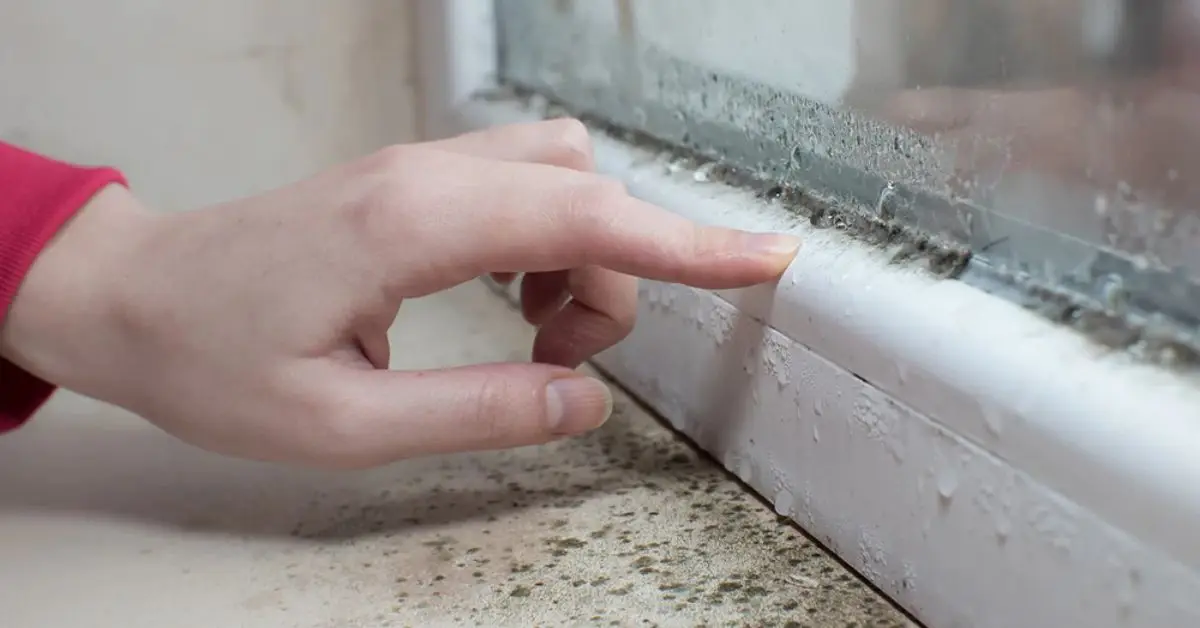
Step 1 — Discover Where the Mold Smell Is Coming From
Before we jump into cleaning and odor removal, I need you to understand one thing: if you don’t locate the actual source of the mold smell, any effort you make will be temporary. Trust me, I’ve seen people spray every corner of their home, only for that musty scent to creep back within days.
The first step is mapping out where the smell is coming from. I usually start with a visual inspection combined with a “smell map”—walking through each room, sniffing, and noting where it’s strongest. After rain or during humid days, pay extra attention to areas that feel damp. If you have a moisture meter, this is the perfect time to use it—it can pinpoint hidden damp spots behind walls or under floors. Sometimes, a small, overlooked habit in your bathroom can create persistent mold problems—like this common shower mistake that often goes unnoticed.
Typical Hidden Smell Sources
- Wall cavities or behind cabinets and furniture: Mold loves to hide where airflow is minimal.
- Leaky plumbing or roof lines: A slow drip might not show visible water but will trigger that persistent odor.
- Damp laundry, basements, and HVAC systems: Laundry left in the hamper or clogged vents can harbor mold spores.
- Porous materials like carpet padding or drywall: Even a small damp patch can lead to weeks of smell if not removed.
If you want a detailed expert guide on spotting hidden mold and moisture, Forbes has a solid resource I often reference. Following these steps ensures you’re addressing the root cause, not just covering up the symptoms.
Proven Solutions That Eliminate, Not Mask
Step 2 — 5 Proven Ways to Actually Remove Mold Odor
Once the source is identified and fixed, it’s time to tackle the smell itself. Here’s how I approach it step by step. These aren’t temporary fixes—they remove odor at its core.
1. Reduce Indoor Moisture — Humidity Control & Ventilation
Mold thrives in damp conditions. If your home’s humidity stays high, the smell keeps coming back. I recommend aiming for 30–50% indoor humidity.
Here’s what works best:
- Run dehumidifiers in bathrooms, basements, and kitchens.
- Open windows when weather permits to allow airflow.
- Install exhaust fans where moisture collects most.
By keeping your home dry, you’re cutting off the environment that mold needs to grow.
2. Remove and Clean Mold From Affected Surfaces
Even a tiny patch of mold can create a lingering smell. I always start by cleaning non-porous surfaces with vinegar, hydrogen peroxide, or a bleach solution (careful with ventilation and gloves). For porous materials like drywall or carpets, sometimes removal is the only option. After cleaning, make sure everything is completely dry—moisture left behind will bring the smell right back. If you’re dealing with mold on wood surfaces, there are several DIY cleaning tricks that can help eliminate it safely and effectively.
3. Absorb Lingering Odor Molecules Naturally
After cleaning, the air might still carry subtle mustiness. I use natural absorbers to tackle these lingering molecules instead of masking them with air fresheners. Some of my favorites:
- Sprinkle baking soda on carpets or fabrics, let it sit, then vacuum.
- Place activated charcoal in bowls around problem areas.
- Coffee grounds in drawers or closets can help neutralize odors.
- Lemon peels or mild citrus sprays give a gentle fresh scent while absorbing VOCs.
These natural solutions trap odor molecules, preventing them from lingering.
4. Improve Air Quality Mechanically — Purifiers & Filters
Air circulation is critical. Even after cleaning, spores can float around and keep causing that smell. I usually:
- Run a HEPA air purifier in affected rooms.
- Replace HVAC filters and clean ducts if needed.
- Consider a portable air scrubber for basements or closed-off spaces.
This step ensures that airborne particles are removed, helping your home smell clean consistently.
5. Treat Fabrics & Soft Goods Specifically
Soft items hold onto odors like sponges. I pre-treat clothes, linens, and upholstery with vinegar or baking soda before washing. Enzyme laundry additives or specialized mold odor solutions can help too. For items you can’t wash, steam cleaning or replacement may be necessary. Real-life cleaning communities, like on Reddit’s r/CleaningTips, often stress this step because skipping it leaves the smell alive in fabrics. For stubborn mold growth on wooden furniture or flooring, you can follow these 7 proven ways to kill mold without damaging your home.
Red Flags & When to Get Help
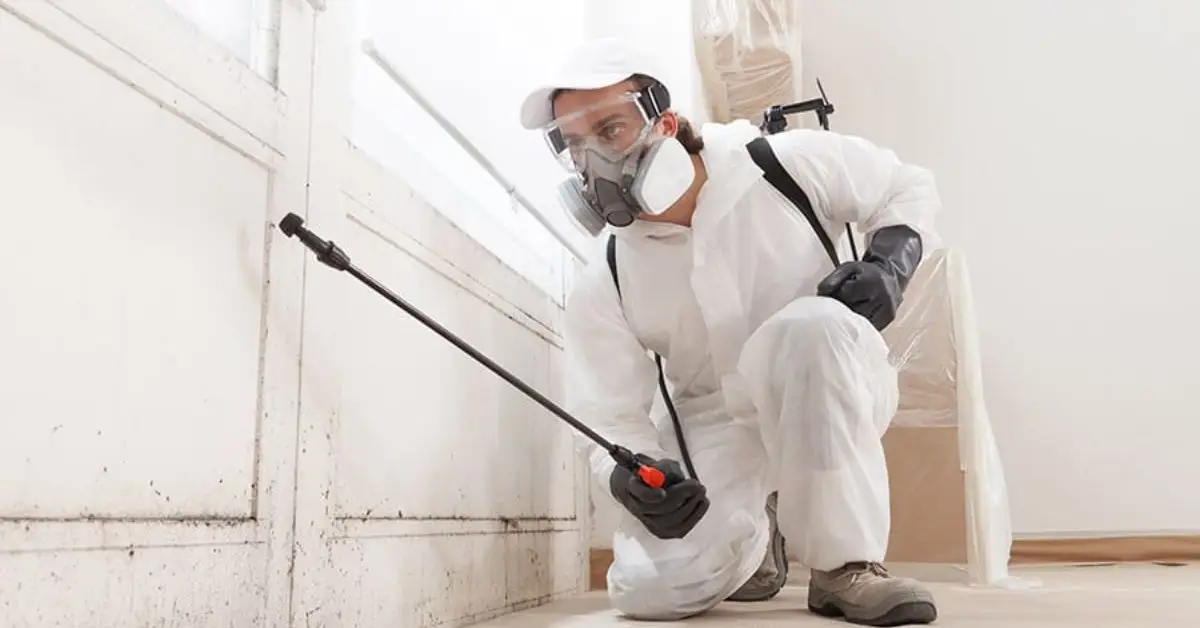
When Professional Intervention Is Necessary
I’ve seen plenty of DIY attempts go sideways, and honestly, some mold situations are better left to the experts. If you’ve tried cleaning and controlling humidity but the smell persists, it may be time to call in professionals. Your safety and the effectiveness of the remediation matter more than saving a few bucks.
Complex or Large-Scale Infestations
- Mold covering more than 10 square feet.
- Intrusion behind walls, in crawlspaces, or inside your HVAC system.
- Persistent smell even after following all the steps we’ve discussed so far.
Health & Safety Considerations
- Black mold or other toxic molds that can cause serious health problems.
- Ongoing respiratory issues, allergies, or asthma triggered by mold exposure.
- Handling strong chemicals without proper gloves, masks, or ventilation.
Stop the Smell From Coming Back — Strategic Prevention
Even after you’ve cleared the smell, the last thing you want is for it to return a few weeks later. Prevention is all about controlling moisture and maintaining a clean, well-ventilated home.
Daily & Seasonal Habits
- Check for moisture after rain or during humid seasons—especially in basements, bathrooms, and laundry areas.
- Keep dehumidifiers and ventilation fans running in damp-prone rooms.
- Replace HVAC filters regularly to ensure proper airflow and reduce spore buildup.
Material & Structural Upgrades
- Consider mold-resistant paint or drywall in high-risk areas like bathrooms or basements.
- Seal leaks immediately to prevent water intrusion.
- Insulate against condensation on pipes and walls to keep surfaces dry.
These steps are simple but effective. For a deeper guide on long-term mold prevention, you can check American Cleaning Institute’s recommendations — they provide practical, research-backed advice on keeping homes mold-free.
Taking preventive action not only keeps your home smelling fresh but also saves you time, money, and health headaches down the line.
Common Myths About Mold Smell
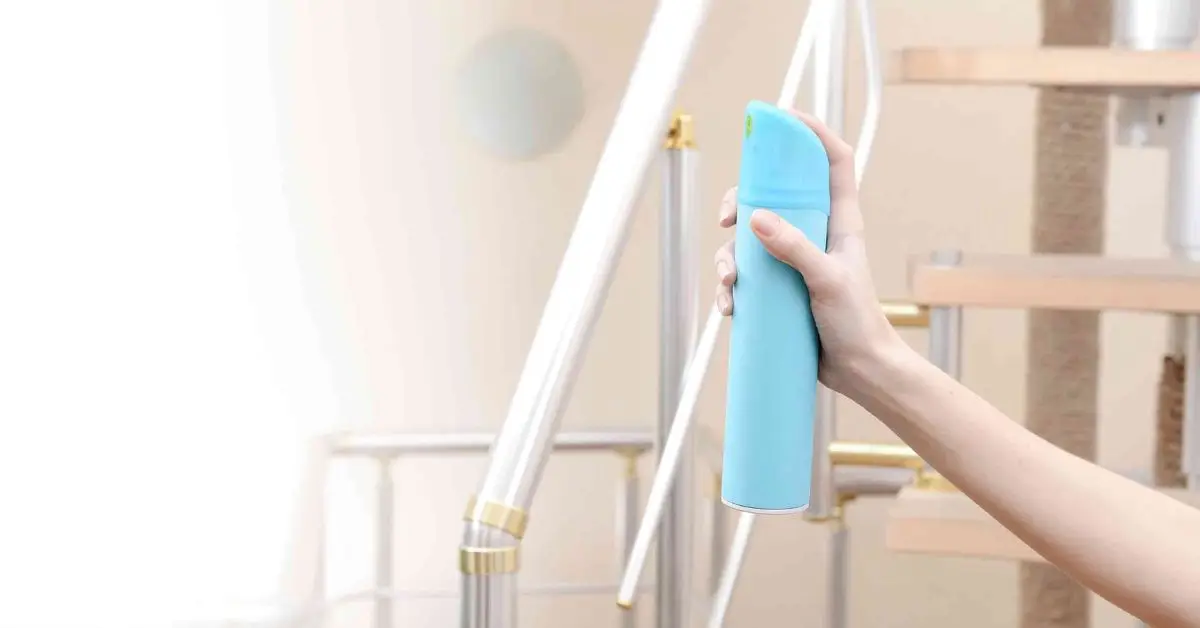
Before we dive into finding the source and eliminating the odor, let’s clear up some common myths that I see people fall for all the time. Trust me, knowing the truth can save you a lot of time, money, and frustration.
Myth 1: Air Fresheners Can Remove Mold Smell
I get it—you spray a room, and it suddenly smells “fresh.” But here’s the thing: air fresheners only mask the odor; they don’t get rid of the mold or the moisture causing it. If you rely on them, the musty smell will come back as soon as the scent fades. The key is to eliminate the source, not cover it up.
Myth 2: Bleach Works on All Surfaces
Bleach is powerful, but it has limits. On non-porous surfaces like tiles or glass, it can remove mold effectively. But on porous materials like drywall, carpet, or wood, bleach may only clean the surface while mold continues to grow underneath. I’ve learned that in these cases, removal or specialized treatments are usually necessary.
Myth 3: If I Can’t See Mold, It’s Not a Problem
Just because your walls look clean doesn’t mean mold isn’t there. Mold can hide behind cabinets, under flooring, or inside HVAC systems. I always tell people: trust your nose. If there’s a persistent musty smell, it’s a warning sign—even if you can’t see the mold yet. Early detection can save you from bigger damage and health issues later.
By understanding these myths, you’ll avoid common mistakes and focus on solutions that actually work. Clearing up misconceptions upfront also makes the next steps—finding the source and removing the smell—far more effective.
Quick “At‑a‑Glance” Mold Odor Checklist
After everything we’ve covered, it helps to have a simple, actionable checklist to make sure you’ve tackled all the steps. I use this approach myself when I inspect homes, and it really keeps things organized. Here’s a one-page guide you can follow:
| Task | Done? (✔) |
|---|---|
| Humidity levels checked (30–50%) | |
| Mold sources located | |
| Cleaning method applied (surface/fabric) | |
| Odor absorbers placed (baking soda, charcoal, etc.) | |
| Ventilation optimized (fans, open windows, purifiers) |
I’d love to hear from you! Have you tried these methods before, or do you have a stubborn mold smell that won’t go away? Share your experience in the comments below. And if you want more expert home tips and guides like this, check out Build Like New—we’re all about helping you keep your home fresh, safe, and well-maintained.
Disclaimer: The information provided in this article is for general informational purposes only. It is not a substitute for professional advice. For large-scale mold problems, persistent health issues, or toxic mold concerns, please consult a certified mold remediation specialist or qualified professional.