The 12 Hidden Areas of Your Home That Need More Cleaning Than You Think
You probably think your home is clean, right? I used to feel the same way—until I started noticing the little things that never get touched. Dust behind the fridge, grime on top of ceiling fans, or crumbs under the couch—they silently build up, and no matter how many times you vacuum or wipe surfaces, these sneaky spots keep your home from truly feeling fresh.
I realized that cleaning the obvious areas is only half the battle; the hidden corners are where dirt, allergens, and even germs quietly hang out. In this article, I’m going to walk you through twelve spots in your home that almost everyone forgets—and show you exactly how to tackle them so your space actually feels clean and healthy.
Understanding the Problem: Routine Cleaning vs. Deep Hidden Cleaning
I’ll be honest—I used to think that a quick wipe down of counters and a vacuum every week was enough to keep my home truly clean. But then I started noticing things I hadn’t paid attention to: a layer of dust on top of my ceiling fan, crumbs under the sofa, even a faint musty smell coming from somewhere I couldn’t quite see. That’s when it hit me—surface cleaning only scratches the surface.
You see, most of us stick to obvious chores:
- Wiping countertops and tables
- Sweeping or vacuuming floors
- Cleaning visible sinks and toilets
But all the hidden areas? They quietly collect dust, allergens, and sometimes even mold or bacteria. Neglecting them isn’t just about aesthetics—it can affect air quality, trigger allergies, and even attract pests. Hidden dust and allergens aren’t just unsightly—they can trigger sneezing, watery eyes, or asthma, and knowing exactly where allergens hide helps you clean smarter.
What Cleaning Routines Miss and Why
From my experience—and echoed in discussions on Happy Organized Life—the spots we skip fall into a few predictable patterns:
- Out of sight, out of mind: Tops of cabinets, behind appliances, and under furniture rarely get attention.
- High-touch yet overlooked: Door handles, remote controls, and light switches are germ magnets, but we often forget them.
- Hard-to-reach corners: Window tracks, air vents, and ducts accumulate grime because reaching them feels like a chore.
Once you start noticing these, cleaning becomes less about routine and more about strategy—knowing where dirt hides and why it matters.
The 12 Hidden Areas You’re Probably Forgetting
Here’s where most people really get caught off guard. I’m breaking it down for you so you can tackle each spot efficiently, understand why it matters, and avoid missing it next time.
1. Behind & Under Large Appliances
I promise you, dust bunnies and spilled crumbs love these spaces. Fridges, stoves, and washing machines are notorious for hiding messes that attract pests and odors. Here’s what I do:
- Pull the appliance out carefully and sweep or vacuum underneath.
- Wipe up any spills or sticky residue with a damp microfiber cloth.
- Consider a monthly check to keep it under control.
Some overlooked corners—like behind appliances or in cabinets—can also become a haven for pests, including places where lizards lay eggs, so it’s important to keep these areas spotless.
For expert tips on tackling these hard-to-reach zones, Polar Express Clean has a great guide that breaks it down in simple steps.
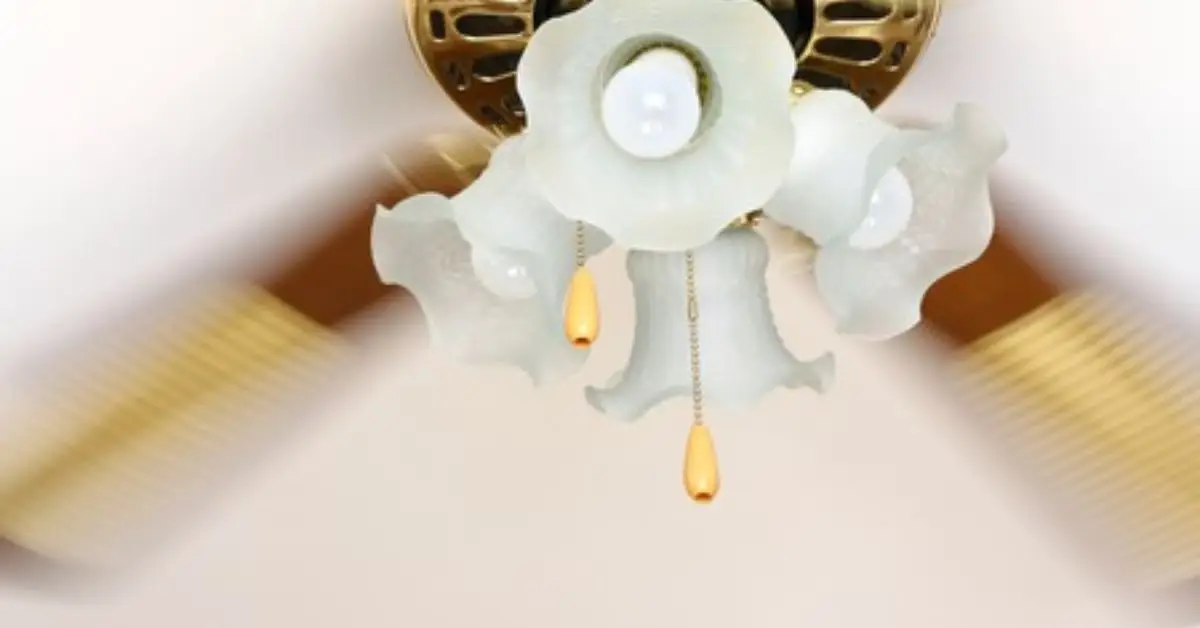
2. Ceiling Fans & Light Fixtures
I’ll admit—these are easy to forget until you start seeing dust fall on your clothes or dinner. Fans spin dust around the room, and light fixtures can dim from grime buildup. Here’s my approach:
- Use a long-handled duster or a microfiber cloth to remove dust.
- For light fixtures, carefully remove glass shades and wash them in warm, soapy water.
- Schedule this cleaning at least every 2–3 months to prevent buildup.
3. Air Vents, Ducts & Filters
Airflow is everything, and neglected vents are a hidden culprit for allergies and dust accumulation. I make it a point to:
- Remove vent covers and wash them with mild soap.
- Vacuum inside the duct openings as far as you can reach.
- Replace HVAC filters regularly to keep air fresh and clean.
4. Baseboards, Moldings & Trim
These seem small, but let me tell you—they trap dust like a magnet. Cleaning them makes the whole room feel fresher. I usually:
- Wipe down with a damp cloth or microfiber duster.
- Use a soft brush for corners and decorative trim.
- Do this alongside vacuuming floors so you catch dust in one pass.
5. Window Tracks, Sills & Blinds
I can’t tell you how many times I ignored these until pollen and dirt started building up. Here’s my method:
- Vacuum tracks first to remove loose dirt.
- Use an old toothbrush or small brush for crevices.
- Wipe sills and blinds with a damp cloth; for blinds, I occasionally use a mixture of water and mild detergent.
6. Under Furniture (Couches, Beds, Tables)
Honestly, this is where dust bunnies throw a party. I didn’t realize how much accumulates under furniture until I pulled my sofa out one weekend. Here’s what I do:
- Vacuum under every piece of furniture at least once a month.
- Use a crevice tool or broom to reach corners that a vacuum can’t reach.
- Consider moving furniture slightly every few months to catch hidden dust.
While tackling dust under furniture, you might also discover smart ways to use that space—like clever hidden storage ideas that make your living room feel more organized and clean.
These spots aren’t just dirty—they can affect allergies and make your home feel heavier or stuffy.
7. Inside Cabinets & Drawers
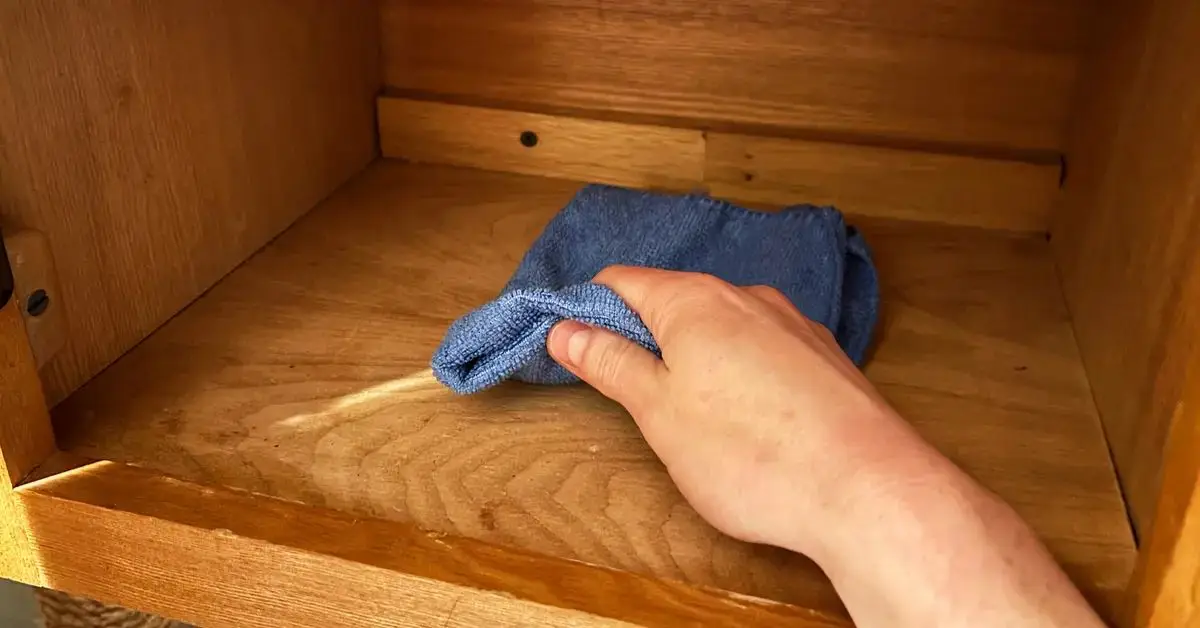
Crumbs, small spills, even tiny pieces of food hide in kitchen drawers and cabinets. I’ve found old sticky spots in places I thought were spotless. My approach:
- Pull everything out before cleaning.
- Wipe interiors with a damp cloth and mild soap.
- Dry thoroughly before putting items back to prevent mold or mildew.
8. Behind & Around the Toilet Base
I used to just clean the toilet bowl and call it a day—but the base is a trap zone for moisture, hair, and bacteria. I now make it a habit to:
- Use a disinfectant wipe or cloth around the base.
- Move rugs or mats to get all the corners.
- Do this at least once a week to keep germs in check.
Even small attention here makes the bathroom feel cleaner instantly.
9. Remote Controls, Light Switches & Door Handles
This is one you’ll appreciate—these are high-touch spots that never get wiped unless you make it intentional. I try to:
- Keep disinfectant wipes handy and wipe handles and remotes weekly.
- Encourage everyone in the house to do the same.
- Don’t forget things like drawer pulls and appliance handles—they get touched constantly too.
These little habits prevent germs from spreading, and your home feels noticeably fresher.
10. Closet Floors & Shelf Interiors
Closets seem private, so we forget they get dusty too. I’ve found dust hiding in corners and on shelves where shoes sit. Here’s my routine:
- Pull everything out and vacuum floors.
- Wipe down shelves with a damp cloth.
- Rotate items occasionally to prevent buildup.
Doing this not only keeps dust down but also helps you spot old items that need decluttering.
11. Top of Fridge & Cabinet Tops
If it’s high, it’s easy to ignore—but that’s exactly why dirt accumulates here. Carefully removing anything stored on top.
- Wiping down with a microfiber cloth and mild cleaner.
- Checking this spot monthly so buildup doesn’t get out of control.
This one really changes how your kitchen feels—suddenly it looks and smells cleaner.
12. Trash Cans (Inside & Out)
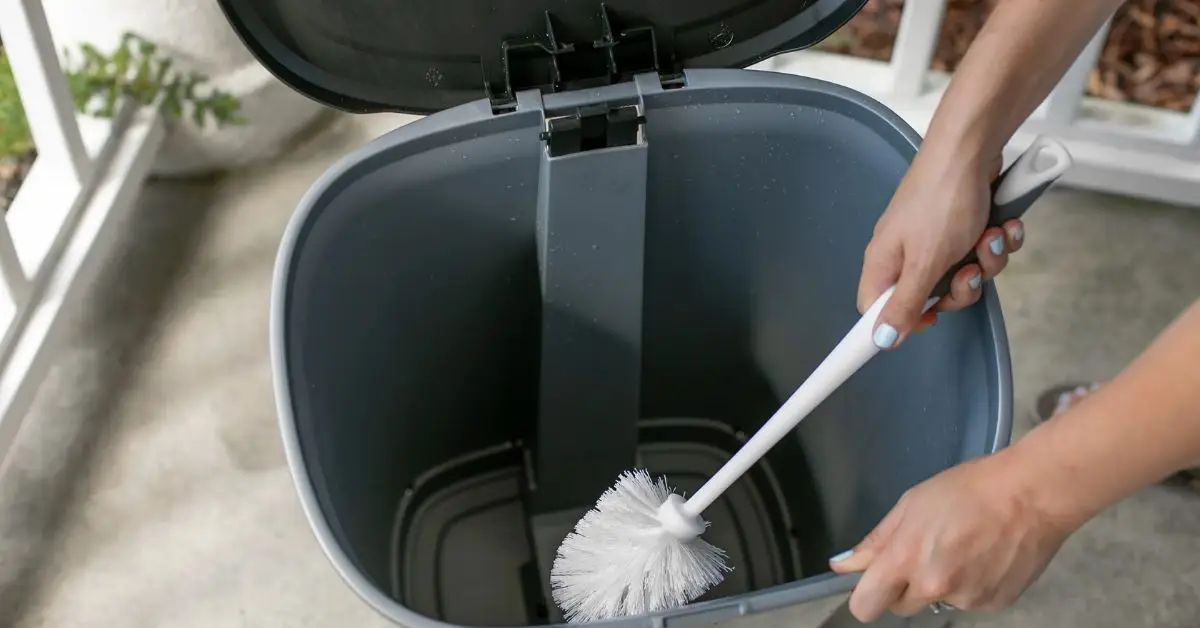
Even if you line them, residue and spills stick around. I’ve learned the hard way that a clean-looking trash can can still smell funky. My steps:
- Empty cans completely, then wash inside with warm soapy water.
- Wipe the outside and lid, especially around the hinge.
- Dry thoroughly before adding a new liner.
Bonus Overlooked Micro‑Zones
Even after tackling the twelve major hidden areas, there are tiny zones that sneak under the radar but quietly impact cleanliness. I like to call these micro‑zones, and you’ll be surprised how much grime can hide here.
- Dishwasher Filter & Drawer Tracks – I learned from Reddit users that filters often trap leftover food particles, and the drawers underneath accumulate sticky residue. A quick monthly rinse keeps them fresh.
- Under Sink Cabinets (Kitchen & Bath) – Moisture loves these dark corners. I check for leaks and wipe down surfaces to prevent mold. Maid Green offers a great step-by-step approach for this.
- Shower Seals & Curtain Bases – Soap scum and mildew can build up where water collects. I scrub the seals gently with a brush and clean the curtain bottoms regularly.
These spots may seem minor, but they make a noticeable difference once you tackle them consistently.
Pro Tips to Make Hidden Cleaning Easy
Knowing the problem is half the battle. I’ve found that having a system makes deep cleaning less overwhelming and keeps hidden areas from being forgotten. Here’s how I approach it:
- Create a checklist: Divide tasks by room and frequency.
- Use the right tools: Extendable dusters, crevice vacuum attachments, microfiber cloths, and vinegar-based solutions work wonders.
- Divide by season: Some spots, like ceiling fans and vents, only need quarterly attention, while high-touch items need weekly wipes.
- Stay consistent: Even 15 minutes a day on forgotten spots prevents buildup.
How Often to Clean These Hidden Areas

If you’re wondering how often you should tackle each spot, here’s a guideline I use:
- Weekly: Remote controls, light switches, door handles, trash cans
- Monthly: Under furniture, cabinet interiors, top of fridge, window tracks, shower seals
- Quarterly: Ceiling fans, vents, baseboards, behind appliances
Smart Habits to Avoid Forgetting These Spots
I’ve learned the hard way that it’s easy to slip back into surface cleaning only. Here are habits that help me—and you—stay on track:
- Keep a visible checklist in each room.
- Set phone reminders for quarterly deep-clean zones.
- Encourage everyone in the house to wipe down high-touch areas daily.
- Pair cleaning with other tasks—like vacuuming—so hidden areas get attention automatically.
These small behavior shifts turn hidden cleaning into routine, not a stressful chore.
Cleaning Isn’t Just What You See—It’s What You Don’t
By now, you’ve probably noticed a pattern: the dirtiest, most impactful areas in your home are often the ones you never think about. Tackling these hidden zones transforms your living space—not just visually, but in air quality, allergen control, and overall freshness.
I’d love to hear from you: Which hidden spot surprised you the most in your own home? Share your story in the comments below—I read every one.
And if you want more expert-backed tips, tools, and checklists to make your home feel brand new, check out my website Build Like New. Let’s tackle those hidden messes together!
Disclaimer: This article is for informational purposes only. Cleaning tips are based on expert advice and personal experience. Always follow manufacturer instructions and safety guidelines when using cleaning products or handling appliances.