South Carolina Mobile Home Fire Displaces 5 Residents
I remember reading about this mobile home fire in Conway, and honestly, it made me pause. You think these things only happen to someone else until you realize it can strike right in a neighborhood you know. The fire forced several people to leave their homes, and even though everyone got out safely, you can’t help but imagine the shock and stress they went through in those moments.
When I look at incidents like this, I think about the ripple effect on the community. Neighbors, local authorities, and emergency responders all have to move quickly, coordinating under pressure to make sure everyone is safe. And for you, reading this, it’s a reminder of how unpredictable life can be—and how important it is to know what to do if something similar ever happens near you.
It’s not just a news story. It’s a real-life snapshot of how quickly routines can be disrupted, and it highlights the quiet heroes—firefighters, police, and volunteers—who step in when disaster strikes. I want you to take a moment and think: if a fire happened in your area, would you be ready?
Timeline & Fire Response
When I first looked at the official report from Horry County Fire Rescue on Facebook, it really struck me how quickly the situation unfolded. The call went out, crews responded, and the fire was brought under control in what felt like no time at all.
It’s the kind of coordinated effort you rarely see from the outside, but it’s a reminder that these responders train for exactly these moments.
For you, it’s important to understand that emergency response isn’t just about showing up—it’s about timing, strategy, and teamwork. The Facebook post emphasized that multiple units worked together and that local police were assisting, which shows how the community steps up when seconds count.
Reading it, I couldn’t help but think about the hours it takes to prepare for moments like these, and how much we take that readiness for granted.
Impact on Residents
Stories like this really hit home because they’re about real people suddenly having their lives upended.
According to WBTW, five residents were displaced by the fire, and while thankfully no one was hurt, you can imagine the mix of fear and uncertainty they faced. I kept thinking—if it were me or someone I care about, how would I manage in that moment?
For you, reading this, it’s more than numbers. It’s about empathy and practical takeaways. Understanding the impact on these residents shows why having emergency plans, contacts, and local support systems in place isn’t optional—it’s essential.
It also highlights the value of organizations like the Red Cross stepping in immediately to help those affected.
Damage Assessment
Looking at the fire’s aftermath, the mobile home suffered heavy damage. I often think about what that actually means for a family—loss of personal belongings, disrupted routines, and the stress of rebuilding from scratch. You don’t need me to tell you that a home fire is more than just structural damage; it’s a personal upheaval.
For readers like you, this section is a quiet but powerful reminder: prevention and preparedness aren’t just abstract ideas. Knowing your environment, checking alarms, and having an evacuation plan can literally change the story for you or your neighbors.
Seeing damage firsthand—through reports or photos—drives that lesson home more than any tip sheet ever could.
Cause and Investigation
Right now, the cause of the fire is still under investigation. And honestly, that uncertainty is part of what keeps me thinking about safety. It reminds you and me that even in familiar spaces, unexpected hazards exist—whether it’s electrical faults, heating equipment, or human error.
I want you to take this seriously: knowing that authorities are investigating is not just a formality. It’s a chance for the community to learn, adapt, and prevent similar incidents.
For me, that means checking smoke detectors, reviewing escape routes, and making sure everyone in my household knows what to do in a fire. For you, it could be the same—and it might just make the difference if disaster strikes nearby.
Investigations into mobile home fires, including early morning fires in Pennsylvania, often reveal preventable causes that we can learn from to protect our families.
Safety Guidance for Mobile Home Residents
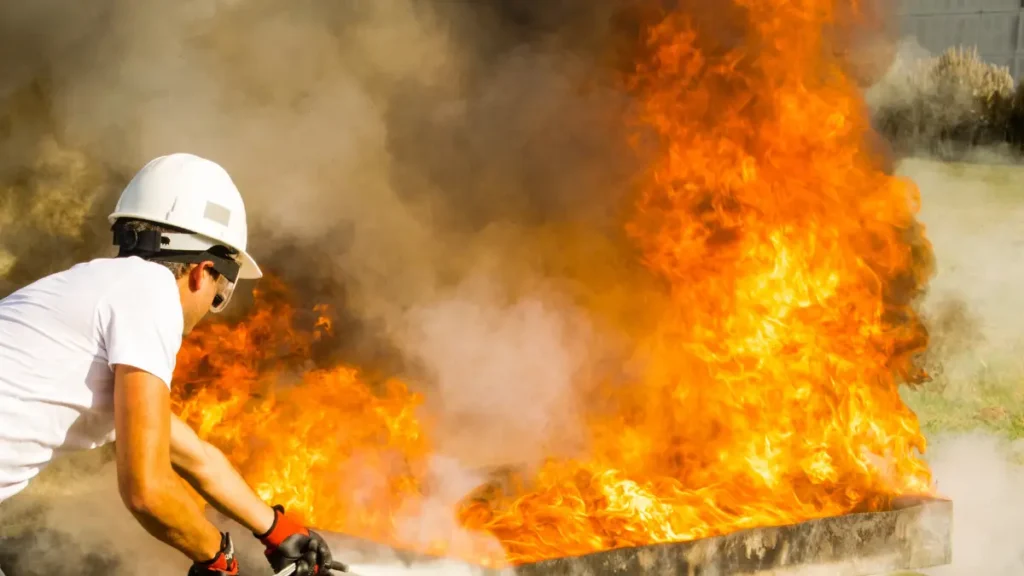
Here’s where I shift from telling a story to sharing something practical for you. Mobile homes have unique risks, and this fire highlights that. Simple steps—like testing smoke alarms monthly, inspecting electrical outlets, and having a clear, practiced escape plan—can be life-saving.
I often tell friends and family, “Don’t wait for a fire to teach you a lesson.” Reading about this incident, I realized how easy it is to assume “it won’t happen to me.” But you and I both know that preparation is the only way to protect ourselves, our neighbors, and our community.
Think of this section as a mini blueprint: take a small action today—check your alarms, mark exit paths, or even talk to your neighbors about emergency procedures.
Sometimes, getting quick safety tips directly matters the most. You can check out useful alerts and guidance through this WhatsApp channel to stay informed in real time.
Community Alerts & Resources
When I see local alerts pop up during incidents like this, I always pause to think: are we really paying attention to them? Horry County Fire Rescue quickly posted updates about the fire on Krystal Lane, and even if you weren’t directly affected, these alerts matter.
They keep streets clear, let neighbors know when to stay cautious, and give displaced residents a clear path to resources.
For you, it’s a reminder that staying connected with official channels—Facebook pages, local websites, or emergency apps—can make a huge difference. The Red Cross stepped in to support the residents, and knowing where to turn in a crisis can save time, stress, and maybe even lives.
I encourage you to bookmark these resources and check them occasionally—you never know when that info might be exactly what you need.
Fires aren’t just about property—they affect lives in many ways, including home fires affecting pets as seen in Illinois, which reminds us how sudden disasters disrupt every part of home life.
Broader Context — Fire Trends in Horry County
Looking beyond this single incident, I noticed that Horry County has seen a handful of structure and mobile home fires recently. Most news coverage touches on each event briefly, but few people explore the pattern or the lessons we can learn. Understanding these trends can help you think proactively rather than reactively.
You might not realize it, but fires aren’t random—they often follow patterns in electrical issues, seasonal weather, or older housing structures.
By paying attention to local fire trends, you can assess risks for your own home, talk to neighbors about safety measures, or even advocate for community fire-prevention programs. This is exactly the kind of insight that adds long-term value beyond the headline.
Expert & Witness Perspective
One thing I always look for in reporting is the human voice behind the story. Firefighters, neighbors, and first responders give context that numbers alone can’t.
Even without direct quotes, you can imagine the teamwork, the quick decisions, and the concern for every life on the scene. It’s a reminder that disasters are never faceless—they involve real people taking real action.
For you, this perspective is important because it humanizes emergency response. It also encourages you to reflect: if something similar happened near you, could you help? Or at least, could you be prepared to support those around you?
Thinking about the people behind the badge and the neighbors affected makes the story stick and motivates you to act wisely.
Over the past year, there have been similar tragic home incidents, like when one person was killed in a Tennessee house fire, highlighting why proactive safety measures are so important.
What Comes Next?
The fire investigation is ongoing, which means we’ll learn more about its cause in the coming days. Meanwhile, the displaced residents are relying on community support, shelters, and emergency services. For you, reading this isn’t just about staying informed—it’s about thinking ahead.
Ask yourself: do you have a plan if fire strikes your home or neighborhood? Have you checked smoke alarms, escape routes, or emergency contacts recently? Use this as a nudge to take small, concrete actions today. And if you feel moved, consider checking in with local support organizations—they often need volunteers or donations to help families like those affected by this fire.
Have you ever experienced or prepared for a home fire? What steps did you take to protect yourself and your family? Share your story or tips below—it could help someone in your community be ready when seconds count.
If you want to stay updated on similar stories and local safety tips, you can follow our updates on X and join our Facebook community to discuss and share experiences.
Disclaimer: This article is for informational purposes only and reflects reported events from official sources. It is not a substitute for professional advice or emergency guidance. Readers should follow local authorities and official channels for updates and safety instructions