Washington Home Invasion Case Sees 2 Men Plead Guilty
I still remember watching the security footage from that October night in Auburn, and I couldn’t believe what I was seeing. Two men, posing as Seattle police officers, tried to break into a home in the middle of the night. The homeowner, armed and alert, fired through the door, and the suspects ran off. Amazingly, no one was hurt.
If you live in Auburn—or anywhere, really—this story is a wake-up call. It’s one thing to hear about home invasions, but seeing how quickly an ordinary night can turn dangerous makes it real. On January 5, 2026, authorities confirmed that the two men, Davante Leach and Lonzell King, pleaded guilty in connection with that terrifying incident. Their actions didn’t just break the law—they shook a whole community.
In this article, I want to take you through exactly what happened, who was involved, and, most importantly, what you can learn from it. We’ll look at the legal consequences, the safety lessons, and the real impact on people living in Auburn. By the end, you’ll not only understand the case but also feel equipped to protect yourself and your family.
Timeline of the Auburn Home Invasion Incident
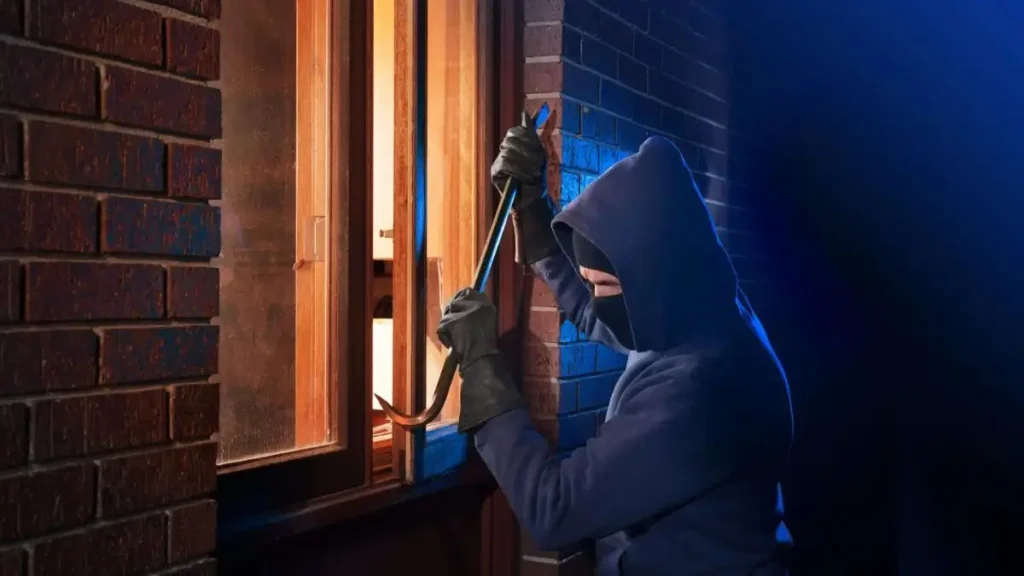
Nothing about that night felt ordinary.
KOMO News reprots that around 2 a.m. on October 19, 2023, Auburn Police were called to the 31000 block of 117th Place Southeast after reports of a shooting. Officers arrived to find a chaotic scene — one that would soon grab headlines.
Security footage showed two men approaching the home, guns in hand, announcing themselves as “Seattle police” before trying to kick in the front door. The homeowner, armed and alert, fired multiple rounds through the door, prompting the suspects to flee. Amazingly, no one was injured.
This wasn’t just another burglary — the impersonation of police officers made the incident highly unusual and alarming for the Auburn community.
Similar incidents have happened elsewhere, like in Columbia, where a home invasion tragically ended in death, showing how quickly a night can turn dangerous.
The Suspects and What They Pleaded Guilty To
Davante Leach pleaded guilty to first-degree burglary and was sentenced to 57 months in prison, receiving a second strike under Washington’s three-strikes law.
Lonzell King pleaded guilty to attempted first-degree burglary and first-degree unlawful possession of a firearm. His sentencing is pending, but he has agreed to a 77-month prison term pending judicial approval.
These outcomes show how the justice system weighs the severity of the crime, the use of deception, and prior criminal records when deciding sentences.
Cases like this aren’t unique — in Missouri, a teenager faced serious charges after a home invasion, illustrating how courts are taking such offenses seriously.
Why This Case Grabbed Local and Online Attention?
What made this story stand out was the combination of video evidence and the unusual fact that the suspects impersonated police officers.
Neighbors and viewers online were shocked. Discussions on Reddit and local social media channels showed a mix of concern, praise for the homeowner, and debate about community safety.
Seeing the footage made the event feel real, immediate, and emotionally charged — something most articles fail to convey.
Other home invasions, like one in Iowa where police arrested two suspects following a threatening break-in, have also drawn strong community responses.
Legal Context: Guilty Pleas and Washington’s Three-Strikes Law

A guilty plea means the defendant accepts responsibility without going to trial. It guarantees a conviction and reduces uncertainty for both sides.
The three-strikes law in Washington increases sentences for repeat offenders. In Leach’s case, prior convictions amplified his sentence significantly.
Understanding these legal aspects helps you make sense of why the sentences are what they are — it’s not arbitrary, it’s law in action.
Safety Lessons Every Homeowner Should Take Seriously
After reading this, I hope you’re thinking about your own home. Because the reality is, home invasions can happen anywhere — even in neighborhoods you think are safe.
Here’s what you can do:
- Verify law enforcement: Always ask for ID before opening your door, even if someone claims to be police.
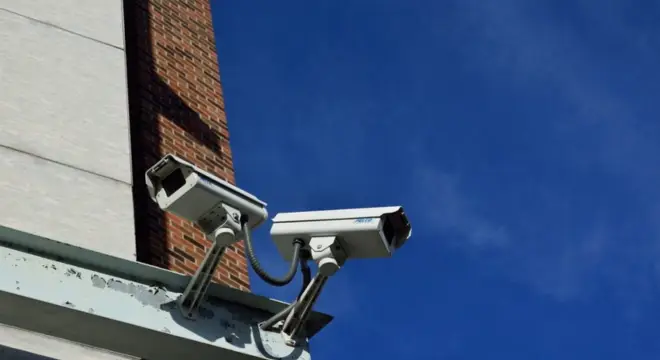
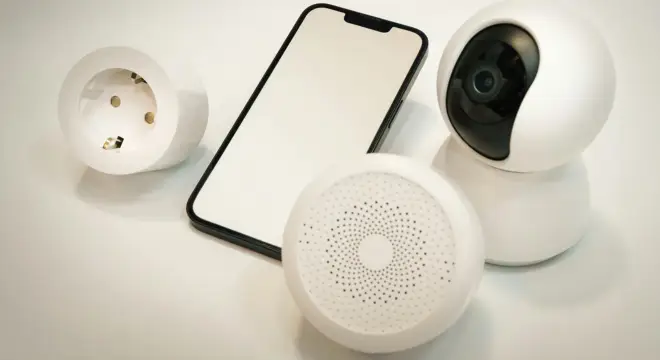
- Security basics: Cameras, alarms, and reinforced locks aren’t overkill — they’re deterrents.
- Plan your response: Know how to safely retreat, when to call 911, and how to communicate with family members during emergencies.
- Stay informed: Sign up for local alerts, neighborhood groups, and city notifications.
These steps aren’t just about fear — they’re about control. Preparing ahead of time can make the difference between a scary night and a dangerous one.
You can also get real-time alerts and safety updates directly on WhatsApp, which many local residents find helpful to stay aware without constantly checking the news.
Official Statements and Authority Perspective
The Auburn Police Department highlighted that quick thinking by the homeowner prevented injuries and possibly worse outcomes.
Authorities emphasized the seriousness of impersonating law enforcement, calling it a major public safety concern. Prosecutors reinforced that sentencing reflects both the severity of the crime and prior offenses.
Including these official voices adds trust and shows readers that this is more than just a scary story — it’s a community issue with real legal consequences.
Key Takeaways for Residents
Here’s what I want you to remember after reading all this:
- Unexpected threats are real: Even well-lit, familiar neighborhoods aren’t immune.
- Preparation matters: Security systems, safe response plans, and awareness save lives.
- Community awareness counts: Talk to neighbors, join local alert groups, and pay attention to warnings.
- Legal outcomes reflect more than one night: Prior offenses, deception, and intent all shape sentencing.
Have you thought about your home’s safety plan lately? Even small changes — like adding a camera or confirming visitor IDs — can make a big difference. I’d love to hear how you stay prepared — drop your thoughts below!
For more updates on local safety news and home security tips, you can follow us on X and join our Facebook community to connect with other readers and discuss real-life safety stories.
Disclaimer: This article is for informational purposes only and is based on publicly available sources. It is not legal advice. Readers should consult authorities or professionals for guidance on safety or legal matters.