10 Ketchup Tricks That Make Cleaning and Home Care Easier
I’ll be honest—I didn’t believe this either the first time I heard it. Ketchup? The same bottle sitting in your fridge door next to mustard and leftover takeout sauce? Using it to clean things around the house sounds like one of those internet tricks that looks smart but doesn’t actually work.
But after seeing this idea show up again and again on trusted food sites, DIY columns, and even local news features, I stopped brushing it off. And once you understand why ketchup works—its mild acidity and how it reacts with metal stains—it starts to feel less gimmicky and more practical.
This isn’t about replacing proper cleaners or doing anything extreme. It’s about simple, everyday fixes. The kind you try when your pan is burned, your sink looks dull, or you don’t want to buy a whole new product for a small problem. I’ve tried a few of these myself, and some of them genuinely surprised me.
So instead of random “life hacks,” I’m sharing clever, realistic ways ketchup can actually help with everyday household problems—what’s worth trying, what to skip, and where it makes sense.
Before we get into it, let me ask you this: what’s one household mess you keep ignoring because fixing it feels annoying or unnecessary?
How Ketchup Works as a DIY Cleaner (Science & Safety)
Before you start squeezing ketchup on everything, let’s break down why it can actually help clean certain things around your house.
Ketchup isn’t a miracle chemical—it works because of simple chemistry. It contains mild acids (from tomatoes and vinegar) that can break down mineral buildup, oxidation, and light grime. That’s also why some DIY experts use it on dull metals and rust-prone surfaces.
Here’s how I think about it:
- Acidity matters: The acids help loosen tarnish without harsh abrasive action.
- Non-porous surfaces are best: Flat, sealed metals respond much better than porous or painted materials.
- This isn’t a replacement for heavy-duty cleaners or professional products—but it can be a smart quick fix.
If you check out the ideas on Man Made DIY, you’ll see practical examples of ketchup cleaning metal items that many people overlook.
Now, a few safety notes so you don’t end up with more work than you started with:
What I always do first:
- Test a hidden area before wide use
- Rinse off fully after cleaning so ketchup doesn’t turn sticky or attract dust
- Dry the surface completely to prevent water marks
And where ketchup doesn’t make sense:
- Painted finishes or wood
- Fabric or porous stone
- Places where stickiness will cause more trouble than it solves
Think of ketchup as a handy, occasional helper—not a deep-clean solution.
Ketchup Cleaning Hacks That Actually Work
Now let’s get into the practical stuff—ways I’ve used ketchup around the house that genuinely made a difference.
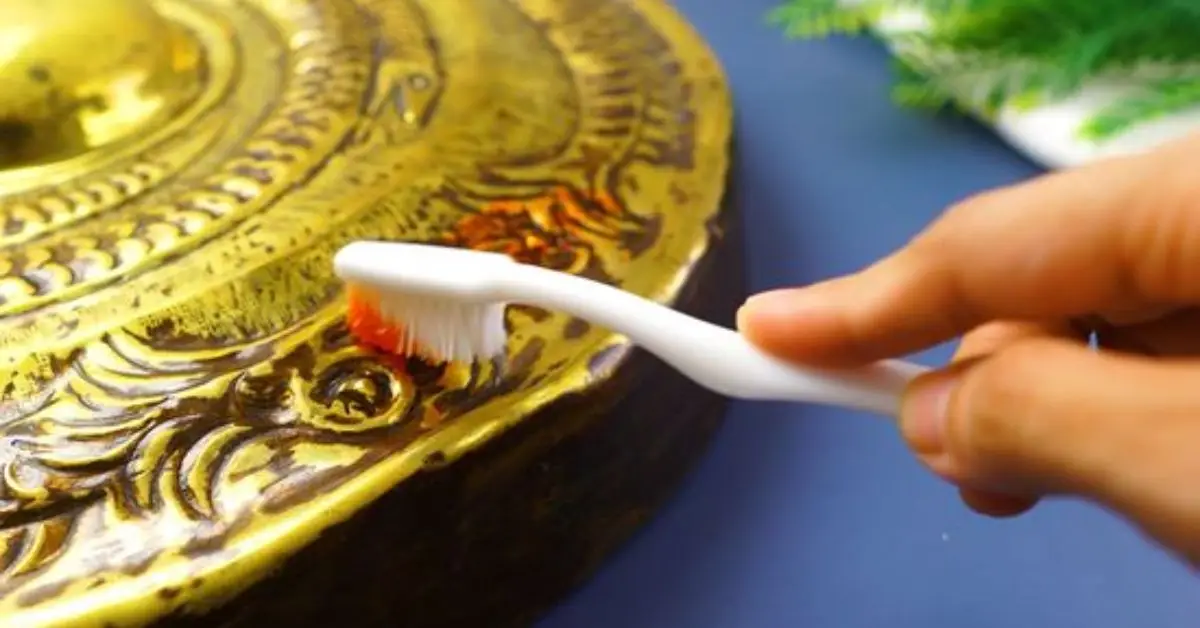
1. Polish Copper & Brass Items
Copper and brass can go dull over time because of oxidation. Instead of reaching for a chemical polish:
- Smear a thin layer of ketchup on the metal
- Let it sit for 10 minutes
- Wipe with a soft cloth
- Rinse and dry
You’ll often see a noticeable shine with minimal effort.
2. Lift Rust From Tools & Metal Fixtures
Light rust is frustrating because it sticks.
Here’s a simple routine:
- Spread ketchup on the rusty patch
- Wait 15–30 minutes
- Gently scrub with a soft brush
- Rinse and dry thoroughly
Some people also use crumpled foil to scrub gently, which boosts the effect without scratching.
3. Restore Shine to Stainless Steel
Stainless steel looks so much better when water spots and fingerprints disappear.
Try this:
- Apply a bit of ketchup to a cloth
- Wipe in the direction of the grain
- Rinse with warm water
- Buff dry
It’s not a permanent polish, but it freshens the look fast.
4. Clean Burnt Pans & Grills
When food gets stuck and burnt on:
- Coat the burned areas with ketchup
- Let sit overnight
- Scrub lightly the next day
- Wash as usual
Give time and mild acidity the job—they often loosen grime that’s otherwise annoying to remove.
5. Remove Adhesive Residue & Tough Grease Stains
Those sticker bits that refuse to come off?
- Apply a small dab of ketchup
- Wait a few minutes
- Rub it off
- Finish with soap and water
This works very well on glass and metal surfaces. And if ketchup doesn’t fully tackle greasy stains or stubborn messes, you’ll be surprised how effective everyday items can be—these shaving cream cleaning hacks that actually work are another smart option worth trying.
Unexpected Household Uses Beyond Cleaning
This is the part most people don’t expect—and honestly, it’s why articles like this get shared. Once you move past cleaning, ketchup turns into one of those oddly useful household items you never thought about twice.
I’m not saying you should plan your life around it. But in certain everyday moments, it can save time, effort, or a quick trip to the store. Ketchup isn’t the only kitchen item with hidden potential—if you enjoy unexpected household fixes like this, you’ll probably like these genius vodka cleaning hacks every homeowner should try as well.
1. Toilet Bowl Hard Water Stain Remover
Hard water stains can make a clean bathroom look dirty, especially around the waterline.
Here’s how people usually use ketchup:
- Apply a layer directly on the stained area
- Let it sit for 20–30 minutes
- Scrub with a toilet brush
- Flush and rinse
It sounds strange, but the mild acidity helps loosen mineral buildup. This works best for light to moderate stains, not heavy scaling.
2. Chrome & Car Headlight Detailing
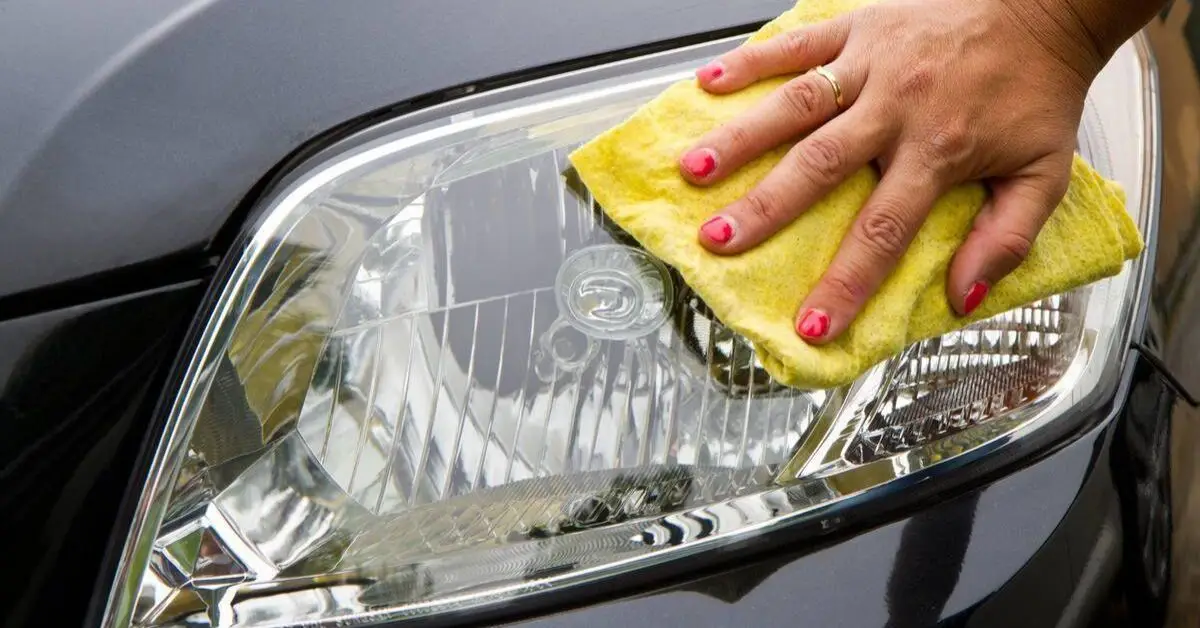
Dull chrome and cloudy headlights are common, and you don’t always want to buy a specialty product.
A simple method:
- Dab ketchup on a soft cloth
- Rub gently over chrome or headlight surface
- Rinse thoroughly
- Dry with a clean towel
This trick shows up often in money-saving household roundups, including those from The Penny Hoarder, where people look for low-cost ways to maintain everyday items.
It’s not a permanent fix, but it can improve clarity and shine fast.
3. Mini Ice Packs from Ketchup Packets
If you’ve ever needed a quick cold pack and didn’t have one, this is surprisingly practical.
What you can do:
- Freeze single-serve ketchup packets
- Use them for small bumps, swelling, or sore spots
- Toss after use—no cleanup
They’re flexible, compact, and already sealed.
4. Art, Kids, and DIY Uses
This one isn’t about cleaning—but it’s too clever to ignore.
People use ketchup for:
- Fake blood in costumes or school projects
- Textured paint effects for kids’ crafts
- Temporary art experiments that wash off easily
It’s messy, yes—but sometimes that’s the fun part.
When Not to Use Ketchup
I like practical hacks, but I also like being honest about their limits. Ketchup can help in specific situations—but if you use it in the wrong place, it can create more problems than it solves.
The biggest mistake I see people make is assuming it’s safe for every surface. It’s not.
Surfaces where ketchup can cause trouble:
- Porous materials like wood, marble, granite, or natural stone
- Delicate or painted finishes
- Fabrics, upholstery, or anything that absorbs liquid easily
If you’re dealing with delicate or fabric surfaces like upholstery, ketchup is definitely not the right choice—in cases like that, these velvet couch cleaning hacks every homeowner should know are a much safer and more effective option.
Because ketchup contains acids and pigments, it can discolor or stain surfaces that soak things in. Lifestyle and household experts, including those referenced by Social Bites, often point out that acidic DIY cleaners should stay far away from porous or delicate materials.
Another thing I’m careful about is timing.
What you should avoid:
- Leaving ketchup on a surface for too long
- Walking away and forgetting about it
- Letting it dry completely before rinsing
Prolonged exposure can dull finishes or leave behind residue that’s harder to clean than the original mess.
And one important reminder—you and I should treat ketchup like a quick-fix helper, not a professional solution. It’s great for:
- Small touch-ups
- Light stains or dullness
- Situations where you don’t want to pull out strong chemicals
But it’s not meant for:
- Heavy-duty cleaning jobs
- Deep rust removal
- Expensive or sensitive surfaces
If you keep that balance in mind, you’ll avoid frustration and get the best results from this simple hack.
Have you ever tried a DIY cleaning trick that backfired? Sometimes knowing what not to do is just as helpful as knowing what works.
Smart, Simple, and Surprisingly Useful
If there’s one takeaway I want you to leave with, it’s this: you don’t always need a new product to solve a small household problem. Sometimes, the solution is already sitting in your fridge.
From polishing dull copper and brass, to loosening light rust, to refreshing stainless steel, ketchup proves useful in quick, low-effort situations. It’s not about replacing proper cleaners—it’s about having a smart backup when you want fast results without extra cost.
Here’s what tends to work best:
- Using ketchup to bring shine back to copper or brass
- Loosening light rust on tools or fixtures
- Freshening up stainless steel surfaces
- Tackling small burnt-on messes in pans or grills
These are simple, practical hacks you can try without overthinking.
If this kind of content helps you, I’d suggest saving this page or sharing it with someone who enjoys smart household tips. It’s the kind of thing that’s easy to forget until you need it.
I’d also love to hear from you.
Have you ever tried a pantry item for cleaning—or is there a household mess you’re still searching a fix for? Drop your experience or question in the comments.
And if you enjoy practical, real-world home tips like this, explore more guides on Build Like New, where I focus on simple ways to maintain, fix, and improve everyday spaces without making things complicated.
Disclaimer: These tips are meant for general household use only. Results may vary based on surface type and condition. Always test on a small, hidden area first, and avoid using ketchup on delicate or porous materials. This content is for informational purposes and does not replace professional cleaning advice.