This Dog Started a House Fire by Turning On a Microwave — 7 Ways to Prevent It in Your Home
I’ve covered home safety stories for years, but this one made me pause.
A dog, home alone in the UK, somehow turned on a microwave and started a kitchen fire. The appliance wasn’t on the floor. It wasn’t broken. It was sitting on a regular kitchen counter, quietly storing a bag of bread rolls—something many of us do without thinking.
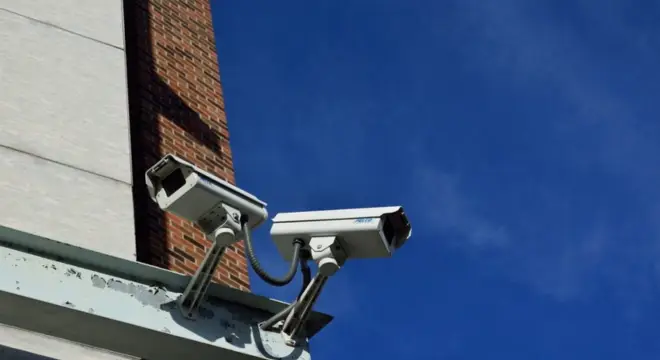
The owner didn’t smell smoke or hear an alarm. He saw it live on a camera feed while he was away. By the time firefighters arrived, the kitchen was filled with smoke. Thankfully, the dog was unharmed. The house wasn’t so lucky.
Here’s why this matters to you.
This wasn’t a freak accident caused by faulty wiring or extreme negligence. It was a normal home, a curious pet, and a habit millions of homeowners have—using the microwave as storage. Fire officials were clear: pets and children can activate appliances more easily than we assume.
Most articles online either treat this as a bizarre news story or jump straight to blaming microwaves altogether. What’s missing is practical, pet-specific guidance for real homes like yours and mine.
If you live with a dog or cat and use a microwave daily, this isn’t just news. It’s a warning.
Before you walk away thinking “this would never happen in my house,” ask yourself one thing: could your pet reach your microwave right now?
Why Microwaves Are an Overlooked Fire Risk in Pet-Friendly Homes
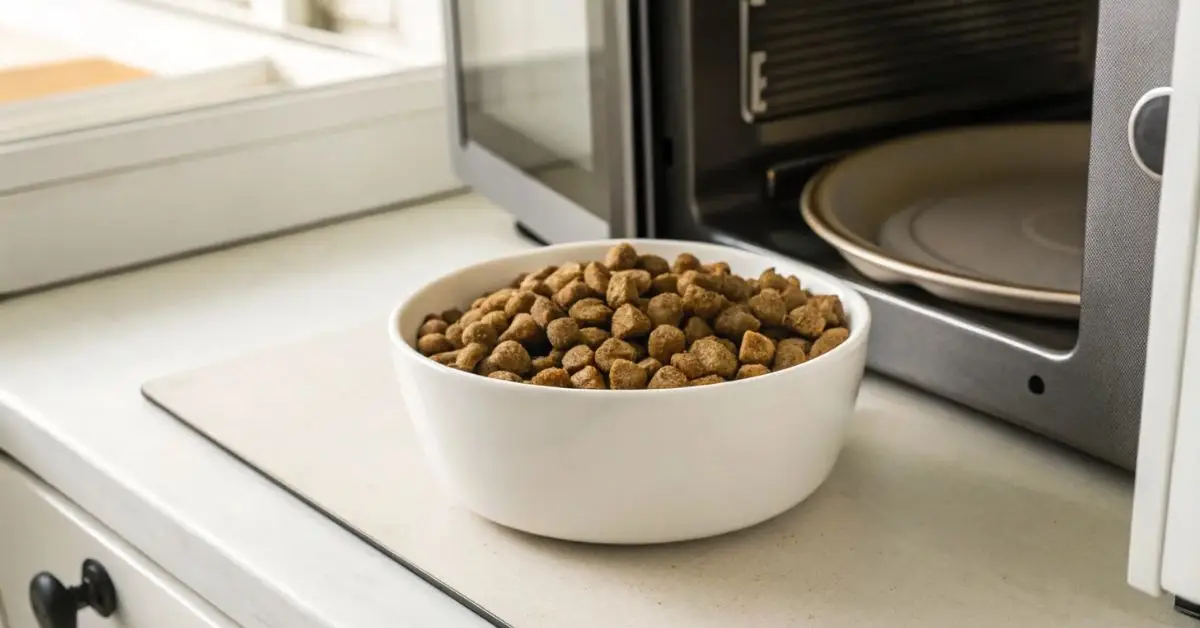
You and I don’t usually think of a microwave as dangerous when it’s not running. That’s why people casually use it as storage. Bread rolls. Dog treats. Leftovers. It feels harmless.
But in pet-friendly homes, that habit is one of the biggest mistakes. Even small, overlooked habits with your microwave can turn dangerous—these hidden microwave risks show just how easily accidents can happen, even when you think everything is under control.
Modern microwaves are designed to be easy to use. Flat touch panels. Soft buttons. Low resistance. That’s great for humans—but terrible when you add a curious dog or a cat that loves countertops.
Here’s the part many homeowners miss:
- Pets explore with their noses, paws, and weight
- Many dogs can reach counters more easily than we assume
- One accidental press is all it takes to power on a microwave
- If food or packaging is already inside, ignition risk jumps fast
Fire authorities and real incidents show this isn’t theoretical. In a bizarre case reported by ABC News, a dog in the UK accidentally turned on a microwave and started a kitchen fire while its owner was away.
If you have pets, your microwave isn’t just an appliance. It’s a potential trigger.
What This Incident Reveals About Modern Home Fire Risks
When I broke down what actually went wrong in this case, one thing stood out: nothing about this home was unusual.
That’s what makes it uncomfortable.
The dog was home alone. The microwave was on a counter. Food was stored inside. Those three factors alone created the perfect setup for a fire—no malfunction required.
Here’s what this incident quietly exposes about how we live today:
- “Home alone” is the most dangerous scenario: When no one is around, small issues turn into emergencies fast.
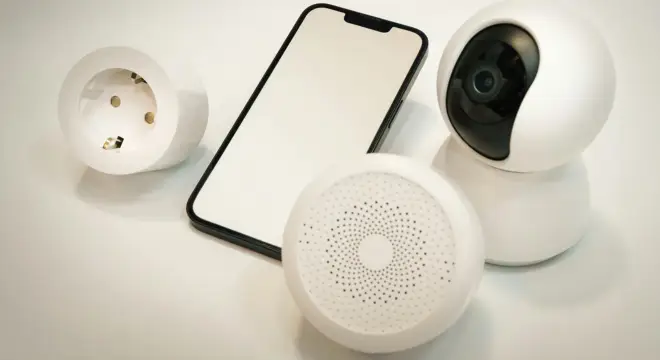
- Smart homes don’t equal safe homes: Cameras help you see a problem, not stop it.
- Countertop placement is a false sense of security: Height doesn’t matter if a pet can reach or jump.
- Storing food inside a microwave increases ignition risk: Packaging, crumbs, and dry foods are fuel waiting for heat.
That’s the real lesson here.
If this could happen in a quiet, everyday kitchen, it can happen in yours or mine too.
Let me ask you something before we move on: when you leave home, what’s inside your microwave right now?
Fire Safety Tip #1 — Never Use the Microwave as a Storage Space
I know why people do this. You want to keep food away from pets. You want bread to stay fresh. You want treats out of reach. So the microwave becomes a “safe box.”
But that habit is exactly what turns a simple appliance into a fire risk.
Microwaves aren’t designed to hold food when they’re off. Bread bags, paper wraps, plastic packaging—all of these are combustible. If the microwave turns on accidentally, there’s nothing inside to absorb heat safely.
Here’s what usually gets stored inside without a second thought:
- Bread rolls and loaves in plastic or paper bags
- Pet treats in thin packaging
- Leftovers wrapped in paper towels or foil
- Empty containers with food residue
Fire services repeatedly warn against this because once heat starts building, ignition can happen fast. In the husky incident, the fire didn’t start because the microwave was broken. It started because food was already inside.
If you take only one thing from this article, let it be this: an empty microwave is a safer microwave.
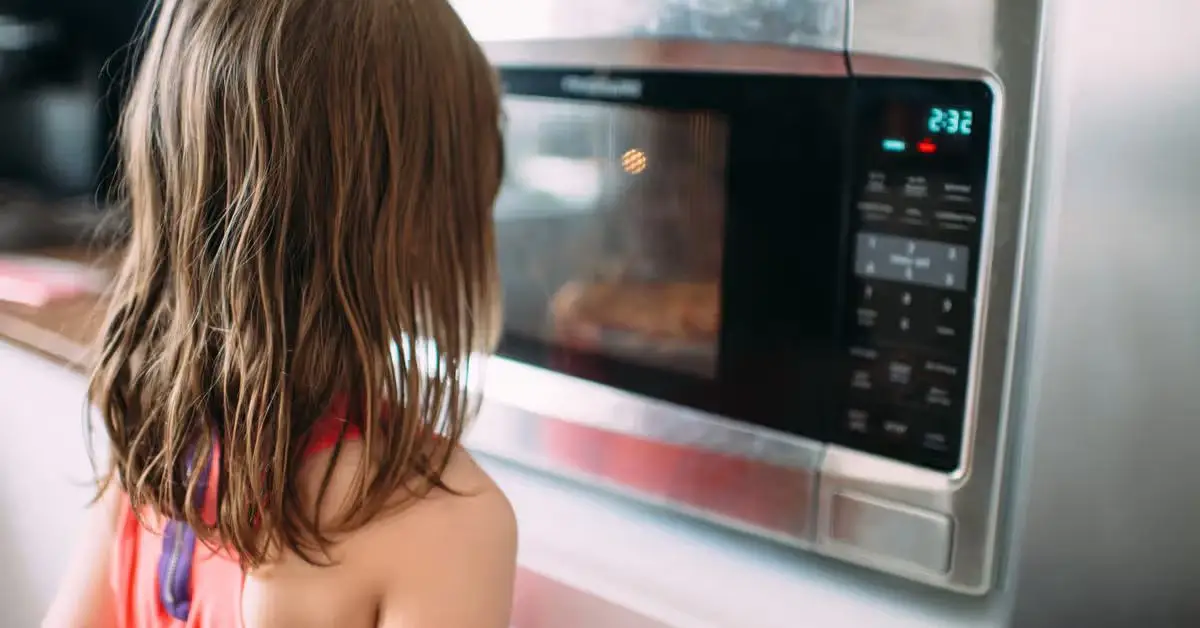
Fire Safety Tip #2 — Pet-Proof Your Microwave Like You Would a Child
When I talk to pet owners, I notice something interesting. Most people child-proof their homes without question—but hesitate to do the same for pets.
That’s a mistake.
Dogs and cats don’t understand buttons, but they’re excellent at pressing them. A paw. A nose. A jump. That’s enough.
Think of your microwave the same way you’d think about it if a toddler lived with you.
Practical ways to pet-proof it:
- Use button or control locks if your model has them
- Unplug the microwave when it’s not in use
- Add physical barriers if pets can access counters
- Change placement if your pet is known for counter-surfing
- Use smart plugs with auto-off timers
Pet owners regularly share stories online about dogs turning on stoves, faucets, and appliances by accident. Microwaves are no different—they’re just quieter until something goes wrong.
If your pet can reach it, your microwave needs protection.
Fire Safety Tip #3 — Be Careful When Reheating or Preparing Pet Food
This is where microwave safety for pet owners really matters.
A lot of people heat pet food without thinking much about the container. That’s risky—for your home and for your pet.
I’ve seen confusion around what “microwave-safe” actually means. Not all pet bowls are designed for heat. Some plastics warp. Some release chemicals. Metal-rimmed bowls can spark instantly.
Here’s what to watch for:
- Plastic bowls without clear microwave-safe labeling
- Metal or decorative trims on pet dishes
- Uneven heating that creates hot spots in food
- Overheating wet food until it dries out and scorches
Guides from pet product experts and food safety authorities consistently recommend using simple ceramic or clearly labeled microwave-safe containers. When in doubt, transfer food to a safe dish instead of risking it.
Heating pet food should never feel like a gamble.
Fire Safety Tip #4 — Keep Microwaves Clean, Clear, and Free of Packaging
This tip doesn’t get enough attention, but fire departments emphasize it for a reason.
A dirty microwave is a risky microwave.
Crumbs, grease splatter, and leftover packaging act like fuel when heat builds up. Add pet hair floating around the kitchen, and you’ve increased the fire load without realizing it.
Based on fire safety guidance from Electrical Safety First, appliances should be kept clean and uncluttered because animals and children can activate them more easily than expected.
A simple weekly habit makes a difference: Remove all packaging after use, wipe down crumbs and grease, keep the inside completely empty, and check vents for dust or pet hair. Regularly cleaning crumbs, grease, and food residue isn’t just about safety—it also keeps your kitchen smelling fresh all day without extra effort or fancy products.
- Remove all packaging after use
- Wipe down crumbs and grease
- Keep the inside completely empty
- Check vents for dust or pet hair
It’s basic maintenance, but it prevents real damage.
Fire Safety Tip #5 — Never Leave Pets Alone With Active Kitchen Appliances
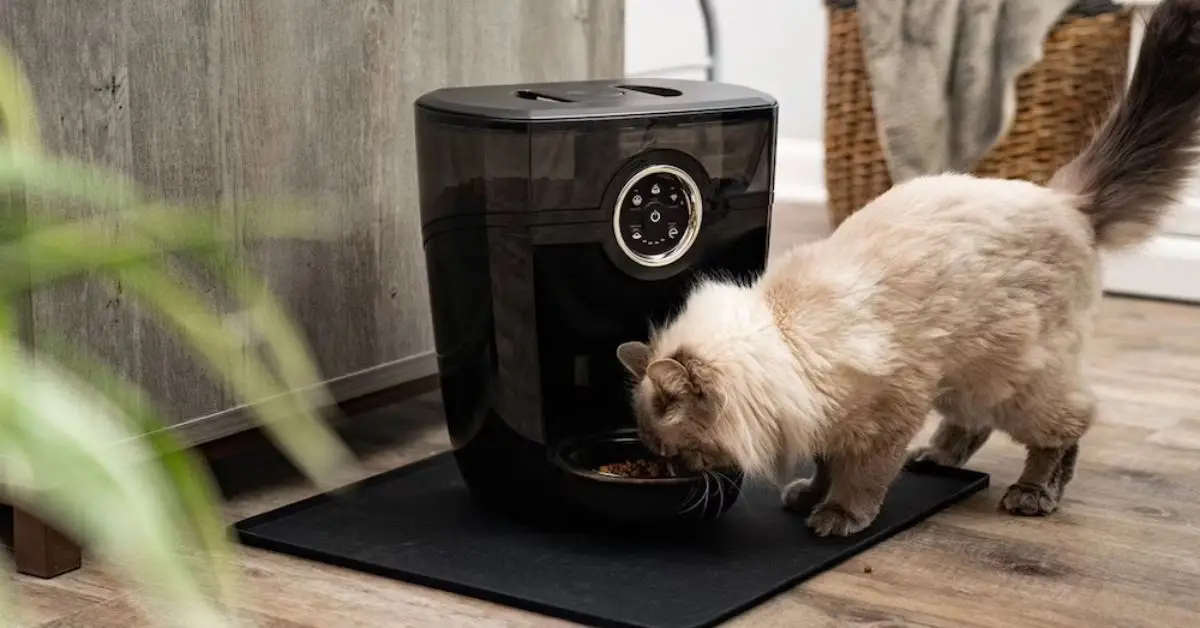
This is the pattern that shows up again and again in house fires: no one was home.
Cameras help you see what’s happening, but they don’t stop it. By the time you notice smoke on a screen, you’re already behind.
Before you leave the house, especially if pets are staying behind, do a quick check: Before leaving the house, unplugging appliances isn’t just common sense—it’s one of the most effective ways to prevent fires, especially when pets or children are around.
- Unplug the microwave
- Make sure it’s empty
- Keep pets out of the kitchen if possible
- Don’t rely on “I’ll just be gone for a few minutes”
Appliances don’t need hours to cause damage. Sometimes, all it takes is one accidental press and a few minutes of heat.
If you wouldn’t leave a candle burning around your pet, don’t leave an appliance that can turn itself on.
Before we move to the next tip, be honest with yourself: when was the last time you left your microwave plugged in and unattended while your pet had full access to the kitchen?
Fire Safety Tip #6 — Train Pets to Stay Away From Kitchen Counters
This is where real, long-term safety begins.
You can unplug appliances and add locks, but if your pet keeps jumping on counters, the risk never fully goes away. Counter-surfing isn’t bad behavior—it’s curiosity mixed with opportunity.
I’ve seen this pattern again and again, especially with high-energy breeds. Huskies, shepherds, labs, and similar dogs are tall, smart, and persistent. If they’re bored or smell food, they’ll explore. And appliances are often right in their path.
What actually helps over time:
- Consistent training to stay out of the kitchen
- Removing food smells and rewards from counters
- Using physical deterrents like motion mats
- Giving pets enough mental and physical stimulation
Pet training communities are full of stories where owners ignored counter habits until something serious happened. Training doesn’t have to be perfect—it just has to reduce access when you’re not home.
You can’t supervise all the time. Habits are what protect your home when you’re away.
Fire Safety Tip #7 — Keep Fire Safety Tools Accessible in the Kitchen
Prevention matters. But preparedness is what limits damage.
One thing most pet-related safety articles skip is what happens after something goes wrong. Kitchens should have fire tools within reach—not stored in a garage or hidden behind boxes.
Here’s what every pet-friendly kitchen should have:
- A fire extinguisher suitable for electrical fires
- Smoke alarms placed near, but not directly above, the kitchen
- A clear plan for safely cutting power if needed
While researching microwave-related risks in homes with pets, I reviewed guidance from Dogs Naturally Magazine, which points out how heat buildup and improper microwave use can create unexpected hazards—especially when food or packaging is involved.
When pets are involved, panic escalates quickly. The right tools nearby turn chaos into control.
Fire Safety Tip #8 — Educate Everyone Who Uses Your Kitchen

I’ve learned this the hard way: safety breaks down when assumptions creep in.
You might follow every rule. But what about a guest? A family member? A pet sitter who reheats food and walks away?
Simple rules prevent repeat incidents:
- Never store food inside the microwave
- Unplug it when leaving the house
- Use only clearly labeled microwave-safe containers
- Keep pets out of the kitchen during use
Write these down if needed. Share them with anyone who spends time in your home. “Common sense” isn’t shared unless it’s communicated.
If one person ignores the system, the system fails.
What This Incident Teaches Every Homeowner With Pets
Pets are family. That’s exactly why this matters.
They’re also unpredictable—curious, clever, and stronger than we often assume. Microwaves, on the other hand, feel harmless because we use them every day.
That combination is where danger lives.
Nothing about the husky fire incident was extreme. Normal home. Normal habits. One overlooked risk. That’s the real warning.
Small changes—empty microwaves, better training, unplugging before you leave—prevent big disasters.
Before you go, tell me this in the comments: What’s one kitchen habit you never thought could be risky until now?
And if you want more practical, real-world home safety guides like this, explore Build Like New. We focus on helping you create safer homes that actually work for everyday life.
Disclaimer: This article is for general information only and is not a substitute for professional fire safety advice. Always follow local fire codes, appliance manuals, and guidance from certified safety professionals when making decisions about home and pet safety.