5 Everyday Items That Could Spark a House Fire — Avoid Microwaving Them!
I’ve been using a microwave almost every day for years, just like you probably do. It’s fast, convenient, and seems harmless—but here’s the thing: some everyday items you might be tossing in there can actually start a fire. I’ve seen sparks, melted containers, and even small kitchen fires firsthand, and it always makes me think—how many of us are risking our homes without realizing it?
In this article, I’m going to walk you through the most common things you should never microwave, why they’re dangerous, and how a few simple precautions can keep your kitchen safe.
How Microwaves Heat Things (and Why That Can Turn Dangerous)
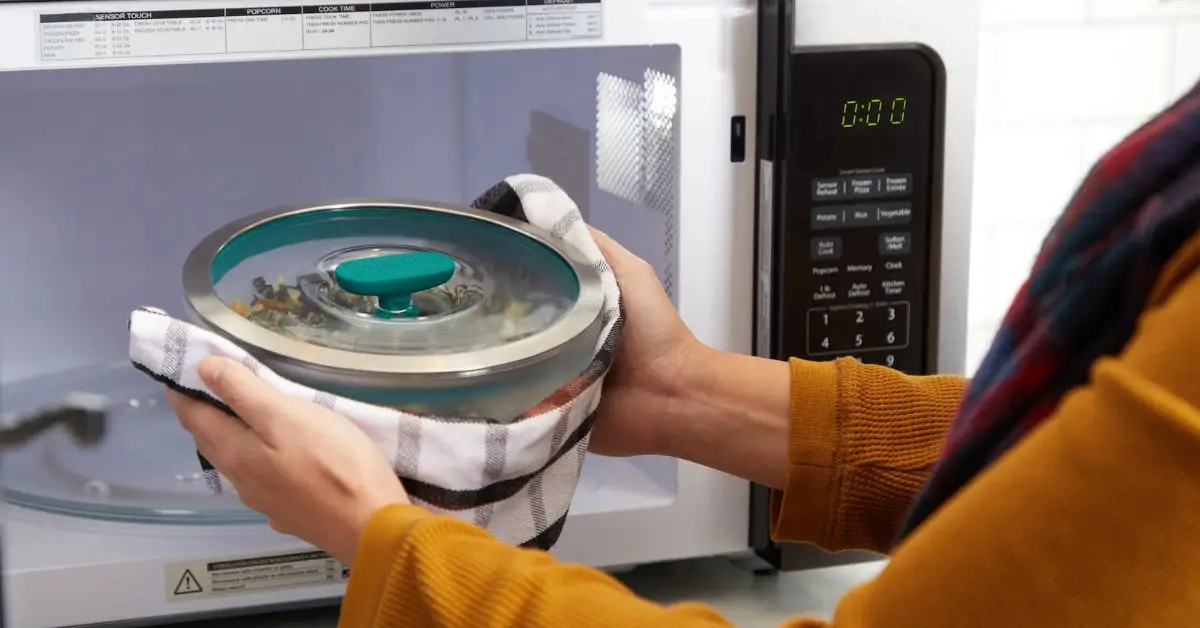
When I first started paying attention to what goes in my microwave, I realized it’s not just “hot = safe.” Microwaves heat things in a very specific way: they excite water molecules inside food or liquids. That’s why soups, leftovers, and beverages heat evenly and quickly. But here’s the catch—things without enough water behave completely differently.
- Dry items don’t absorb the microwave energy efficiently. That means the energy keeps building up until sparks or smoke appear.
- Metal objects reflect microwaves instead of absorbing them. That reflection can create intense hotspots or even cause arcing, which is just a fancy way of saying sparks that can start fires.
- Certain plastics may melt or leach chemicals if they aren’t microwave-safe, creating both a mess and a health risk.
Understanding this mechanism makes it a lot easier to see why some items you might think are harmless are actually dangerous. Once you get the science, the rest of the rules start making sense—and you’re less likely to make a costly mistake.
Plus, it’s worth noting that there are even hidden microwave dangers that have already burned thousands of children, which most people aren’t aware of.
Danger Item #1: Metal Foil, Utensils & Anything Metallic
You probably already know that metal in a microwave is a no-go. But here’s why it’s more dangerous than you might think.
- Aluminum foil sparks and reflects energy. I’ve seen it happen—tiny sparks turn into flames in seconds. Even small strips can be enough to start a fire. If you want to see a detailed explanation, AHS has a helpful guide on microwave safety.
- Sharp metal objects, like forks or skewers, concentrate that energy at their edges. That leads to arcing, which can damage your microwave or ignite nearby items.
- Takeout containers with foil trim are a sneaky risk. You might think the cardboard is safe, but the thin foil lining can cause sparks before you even notice.
When you put metal in the microwave, it’s not just a minor hazard—it’s a real fire risk. Trust me, I’ve learned the hard way that even “small” pieces can cause big problems.
Danger Item #2: Paper Bags, Cardboard & Recycled Paper
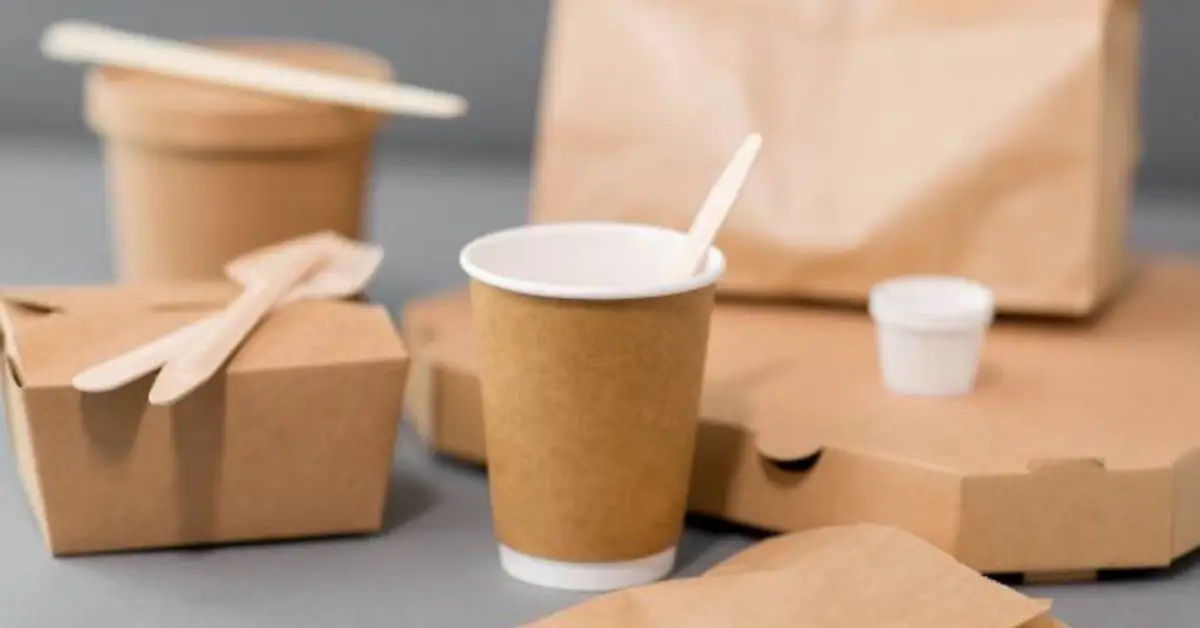
At first glance, paper bags and cardboard seem completely harmless. I mean, they’re just paper, right? Wrong. I learned that these materials can catch fire fast, and the reason goes beyond just being “dry.”
- Materials, glues, and dyes in paper bags or cardboard can ignite under high heat. That includes brown grocery bags or boxes with printed logos.
- Ordinary paper vs. popcorn bags with susceptors: Not all paper is unsafe. Popcorn bags have built-in heat conductors called susceptors that are designed to handle microwaving. Regular paper or recycled paper doesn’t have that protection and can start smoking or burning.
- Real-life sparks and smoke: Reddit users often share stories of paper bags catching fire in seconds, showing that this isn’t just theoretical.
One tip I always share is knowing the difference between paper towels and paper bags. You can safely heat something wrapped in a plain paper towel, but tossing a bag or cardboard box in there? That’s a risk you don’t want to take. For a deeper look at what makes paper dangerous in microwaves, Southern Living explains it really well.
Danger Item #3: Styrofoam / Certain Plastics
I have to admit, this one caught me off guard the first time I microwaved leftovers in a takeout container. I thought “microwave-safe” was just a suggestion—but it’s not. Styrofoam and some plastics can melt, release toxic chemicals, and even start fires if overheated.
- Styrofoam melts and can ignite: You might see it droop or bubble, but sometimes it gets hot enough to smoke or catch fire. I’ve personally seen small flames from a container left too long.
- Plastic containers without microwave-safe symbols: Just because it’s a food container doesn’t mean it can handle microwaving. Look for the microwave-safe logo before reheating anything.
- Chemical leaching: Plastics can release BPA, phthalates, and other chemicals when heated. That’s not just messy—it can be a health hazard over time.
If you want a solid explanation of why microwaving plastic is risky, TIME has a great breakdown on plastic chemical exposure and microwave safety.
Being mindful here isn’t just about avoiding a mess; it’s about keeping your food safe and your kitchen fire-free.
Danger Item #4: Whole Eggs (Unpierced) & Certain Fruits
Now, this one always surprises people. I’ve had friends casually toss an egg in the microwave “to warm it up,” and it ends with an explosion. I know it sounds dramatic, but it’s real—and it’s not just eggs. Certain fruits can cause sparks too.
- Whole eggs explode inside shells: The pressure builds up as steam forms, and the shell traps it. One moment it’s fine, the next—bam! Hot egg everywhere.
- Certain fruits, like grapes, can spark or burst: Grapes can create plasma inside the microwave, producing visible sparks. I’ve even seen small fires start this way when people weren’t paying attention.
This is the kind of hazard most people don’t think about, and that’s why I always emphasize it. Knowing about it keeps you from a sudden mess—or worse, a dangerous situation.
Quick “Myths vs Reality”
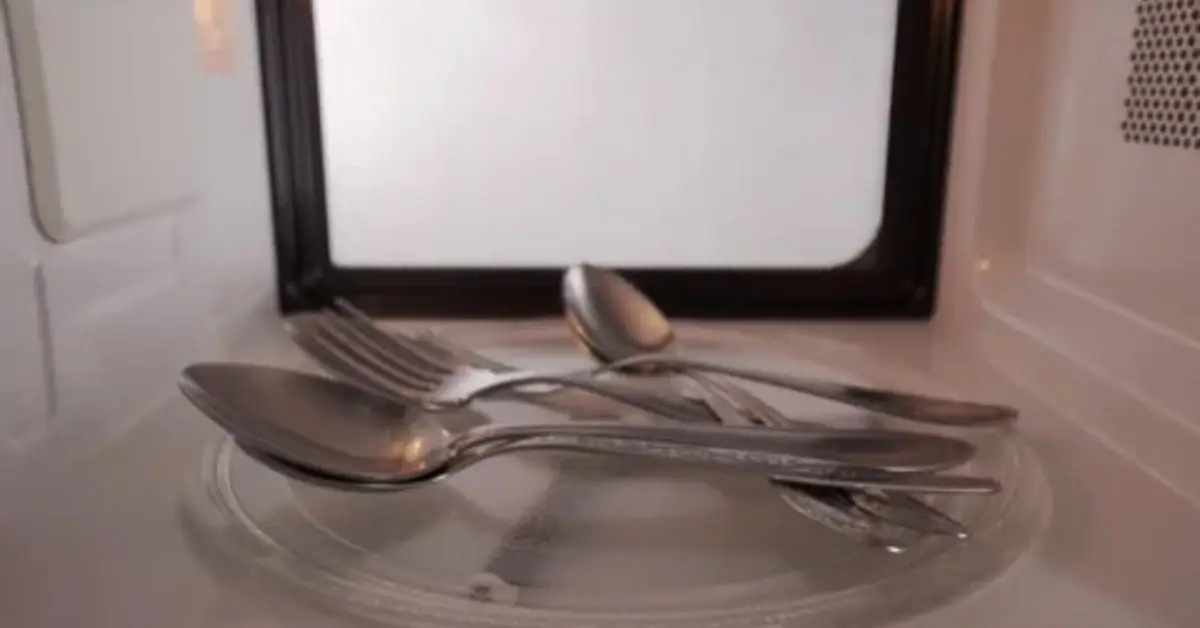
There are so many microwave myths floating around that it’s easy to get confused. I’ve seen people hesitate over the simplest things because they heard a scary story online. Let’s clear up a few common misconceptions.
- “I heard putting a spoon in water is bad” — Actually, if the spoon is fully submerged, it won’t spark. It’s only when metal edges stick out or touch the walls of the microwave that problems happen. I’ve tested this myself carefully, and knowing the details makes all the difference.
- Printed or recycled paper towels are riskier than plain white towels — The inks and recycled fibers can ignite faster under high heat. Plain, unprinted paper towels are much safer.
Knowing the truth behind these myths prevents unnecessary fear—and more importantly, keeps your kitchen safe.
Safety Checklist Before You Hit Start
I always keep this checklist in mind before I press start on the microwave. It’s simple, but it can save you from a fire or ruined meal.
- Always use microwave-safe containers: Check the label before microwaving anything.
- Never run the microwave empty: Heat needs something to absorb it, or it can damage the oven. And while you’re thinking about fire safety, remember that other appliances in your kitchen should be unplugged after every use to prevent additional hazards.
- Regularly clean the microwave: Leftover debris or grease can catch fire if it’s not cleaned out. Even oven racks can build up grease over time, but there’s a surprisingly easy way to clean them without using your sink.
Following these steps doesn’t take long, but it makes a huge difference in safety and peace of mind.
Conclusion
Microwaves are convenient, but they can be dangerous if we don’t pay attention to what goes inside. From metal and paper to plastics, eggs, and even certain fruits, the risks are real—but entirely avoidable once you know the rules.
I’d love to hear from you: Have you ever had a microwave mishap or learned a surprising safety tip? Share your experience in the comments below. And if you want more practical, everyday safety advice for your home, check out my website Build Like New for guides, tips, and how-to articles that make your life safer and smarter.
Disclaimer: The information in this article is for educational purposes only. Always follow your microwave manufacturer’s instructions and use common sense when heating items. Build Like New is not responsible for accidents or damage caused by improper microwave use.