7 Simple Tips to Protect Your Living Room Furniture from Upholstery Damage
When I first set up my living room, I didn’t think much about the upholstery on my sofa. It looked good, felt soft, and that was enough. But after a few months, I noticed tiny stains, fading near the windows, and cushions starting to sag. I realized then that furniture upholstery problems aren’t just cosmetic—they quietly eat away at comfort, style, and even the lifespan of your pieces.
Over the years, I’ve learned that preventing damage is far easier than fixing it later. From simple daily habits to choosing the right fabric, there are practical steps you can take right now to protect your investment. In this guide, I’ll walk you through seven easy ways to keep your living room furniture looking fresh and lasting longer—without turning your home into a constant cleaning zone.
By the end, you’ll have clear, actionable strategies that actually work, backed by expert advice and real-life tips, so you never have to stress over upholstery disasters again.
Understanding Common Upholstery Problems (and Why Prevention Matters)
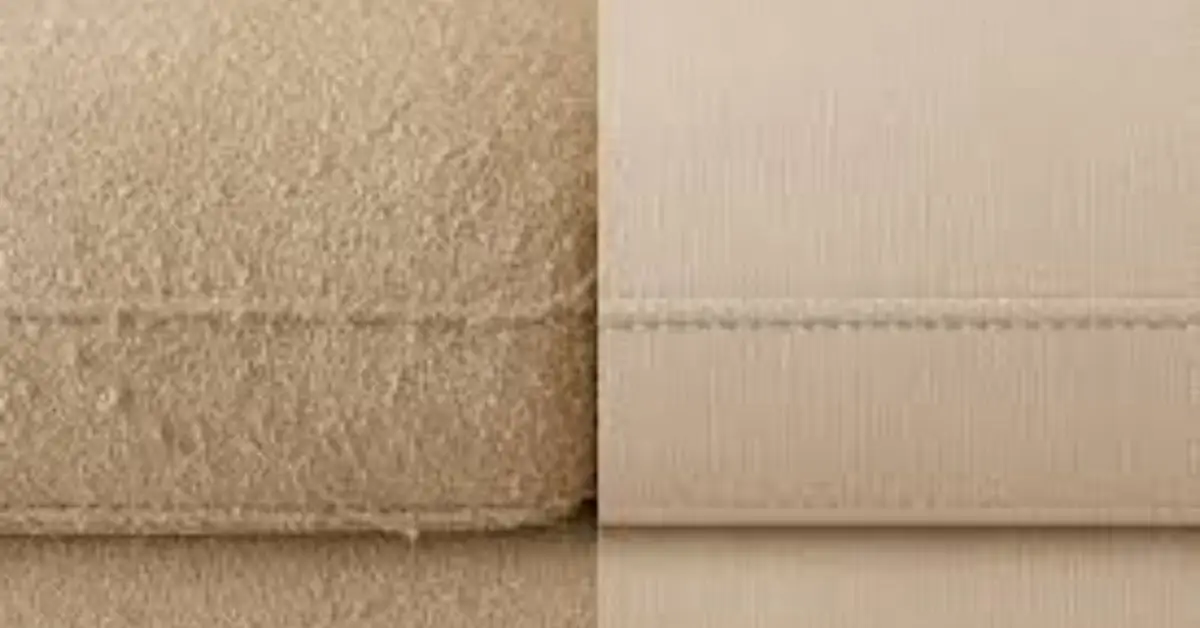
Before we dive into the ways you can protect your furniture, it’s important to understand what can actually go wrong with upholstery. Trust me, once you see the potential damage lurking in your living room, the motivation to prevent it becomes real. Knowing the common problems helps you act early—so you’re not left with sagging cushions, stubborn stains, or faded fabric that feels impossible to fix.
Typical Upholstery Issues Homeowners Face
From my experience, there are a handful of problems that almost every upholstered piece encounters sooner or later:
- Fading from sunlight exposure – Direct sunlight doesn’t just brighten your room; it slowly bleaches the color from your sofas and chairs. Over time, your once-vibrant fabric looks dull and uneven.
- Sagging, pilling, and fraying threads – Daily use, especially in high-traffic spots, stretches the fabric and weakens the stitching. Pill balls appear, threads unravel, and cushions start losing their shape.
- Stains and spills – Coffee cups, juice, even pet accidents can leave marks. If you don’t catch them quickly, they sink deep into the fibers.
- Mold, mildew, and odors – In humid environments or if spills aren’t dried promptly, moisture can settle into your furniture, bringing musty smells and potential health issues.
- Everyday wear and tear – Kids climbing on the couch, pets jumping around, or simply sitting in the same spot repeatedly can cause uneven wear that slowly degrades your upholstery.
I’ve found that understanding these issues is the first step in truly protecting your furniture. Once you know what to watch for, prevention stops being optional—it becomes a habit. For more insights on these common problems and how they start, you can check out expert advice on furniture maintenance from Topform Furnishing.
How Damage Progresses Over Time
Here’s the tricky part: most damage starts small and almost invisible, but it compounds fast if ignored.
- Fabric weakening and fiber breakdown – Tiny abrasions from everyday use gradually wear down the threads, leaving them fragile and prone to tearing.
- Deep‑set stains becoming permanent – A spill left overnight may seem minor, but it can soak into the padding, making it impossible to remove later.
- Cushion deformation – Without rotating or fluffing, cushions lose their shape, making your furniture uncomfortable and uneven over time.
The lesson here is simple: early prevention beats expensive repairs or replacements. Once you let these small issues pile up, they’re much harder to reverse. By understanding these common problems and how they progress, you’re setting yourself up to take smart, proactive steps that actually keep your furniture looking fresh for years.
1. Choose the Right Fabric for Your Lifestyle
One thing I’ve learned over the years is that picking the right fabric from the start can save you a lot of headaches later. Not all upholstery fabrics are created equal, and your choice can prevent problems before they even begin.
- Understand fabric durability – Look for the double‑rub count, which measures how much friction the fabric can handle before showing wear. For living rooms that get daily use, aim for fabrics rated 15,000+ double rubs.
- Best options for families with kids or pets – Microfiber, leather, and tightly woven synthetic blends are resilient and easier to clean. They handle spills, scratches, and high traffic without falling apart.
- Fabrics to avoid in busy areas – Delicate materials like silk, velvet, or loosely woven linen look beautiful but show wear quickly and stain easily. I share four practical velvet couch cleaning hacks every homeowner should know that make maintenance simple and safe.
I’ve seen people underestimate how much fabric choice affects long-term maintenance. Choosing smart now means less stress later.
2. Protect from Sunlight and UV Exposure

Sunlight can silently ruin your furniture. I’ve lost pieces to fading that could have lasted decades if I had just planned placement better. Here’s how to avoid it:
- Keep sofas and chairs away from direct sunlight wherever possible.
- Install window films or UV‑blocking blinds to filter harsh rays.
- Rotate your furniture occasionally so wear and color change evenly over time.
Even guides that cover upholstery maintenance mention sunlight, but few emphasize placement. A small change in where you position a couch can prevent years of fading and fiber weakening.
3. Establish a Regular Cleaning Routine
You might not realize it, but dust and dirt are like tiny sandpaper on your furniture—they slowly wear fibers down. A simple cleaning routine keeps your upholstery strong and fresh.
Weekly Maintenance Habits
- Vacuum with a soft brush attachment to remove dust and crumbs.
- Light dusting of visible fabric areas to prevent debris buildup. I highlight the three commonly ignored rooms most people don’t vacuum properly and how to maintain them for a truly dust-free home.
This reduces micro-abrasions and keeps allergens at bay, making your living room more comfortable. (Berton Furniture)
Spot‑Cleaning vs. Deep Cleaning
- Blot spills immediately, never rub. Rubbing pushes liquid deeper into fibers.
- Use mild, upholstery-safe cleaners for small stains.
- Schedule professional cleaning every 12–24 months for deep maintenance.
Combining quick DIY care with periodic professional attention prolongs your furniture’s life without feeling like a chore.
4. Rotate and Fluff Cushions to Even Wear
Here’s a habit many of us ignore: cushions. I used to leave mine in the same position for months, and I noticed uneven sagging. A few minutes of rotation and fluffing each week makes a huge difference.
- Flip, rotate, and fluff cushions to maintain shape.
- Frequency: weekly for high-traffic seats, monthly for less-used areas.
Doing this keeps your furniture comfortable, visually balanced, and longer-lasting.
5. Use Protective Accessories (Slipcovers, Throws, Fabric Protectors)
Adding an extra layer is one of the easiest ways to prevent damage. I personally keep a few slipcovers and throws ready, especially in areas where pets or kids are around.
- Slipcovers & removable washable covers protect against spills.
- Fabric protectant sprays create a barrier against stains.
- Use covers on high-traffic spots like armrests and seat cushions.
6. Prevent Moisture and Mold Growth
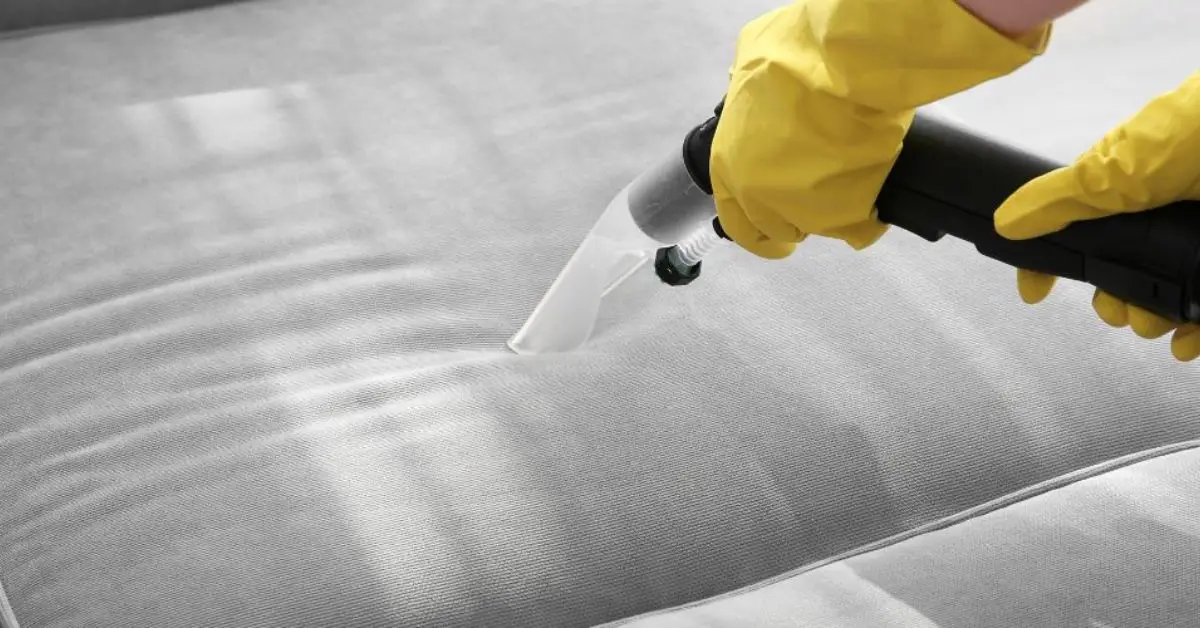
Moisture is sneaky. Even a small spill that doesn’t dry properly can lead to mold, odors, and weakening fibers.
Smart Moisture Management
- Avoid saturating fabric during cleaning.
- Use dehumidifiers or increase airflow in humid climates.
- Dry spills quickly with fans or open windows.
7. Handle Upholstery with Care Daily
Finally, daily habits matter more than you might think. Small actions over time create noticeable damage—or prevent it.
Common Daily Practices That Cause Damage
- Sharp objects, belt buckles, and pet claws can tear fabric.
- Jumping or standing on furniture strains cushions.
- Eating or drinking over upholstery increases stain risk.
Being mindful of these simple things drastically reduces micro-tears and stains, saving you time, money, and stress. For a detailed guide on daily care, Gillies.co.uk explains common mistakes that accelerate wear.
What Not to Do (Mistakes That Accelerate Wear)
Sometimes the easiest way to protect your furniture is to avoid doing the wrong things. I’ve seen so many homeowners unintentionally damage their upholstery with well-meaning habits. Here’s what you should skip:
- Avoid harsh chemicals and cleaners with high water content – They can break down fibers and cause discoloration. I break down the dangerous viral couch cleaning hacks that damage upholstery that homeowners should avoid in detail.
- Follow manufacturer cleaning codes – Ignoring them may void warranties or accelerate wear.
- Skip high heat or humidifier mist directly on fabric – Excess moisture and heat can shrink or warp material.
By steering clear of these common mistakes, you save your furniture from preventable damage.
Summary: How These 7 Preventive Practices Save You Time and Money
Let’s recap. By choosing the right fabric, protecting your furniture from sunlight, establishing a cleaning routine, rotating cushions, using protective accessories, preventing moisture, and handling your upholstery with care, you:
- Keep furniture looking fresh and vibrant longer
- Avoid costly repairs and replacements
- Save time on deep cleaning and maintenance
- Reduce health risks like mold or allergens
- Maintain comfort, appearance, and value in your living room
These small, proactive habits turn what often feels like chore into simple routines that pay off big over the years.
Now it’s your turn. Take a close look at your living room furniture today. Which of these preventive steps can you implement immediately? Even flipping a cushion, moving a chair away from direct sunlight, or using a slipcover can make a huge difference.
I’d love to hear from you—share your favorite upholstery hacks or questions in the comments below. And if you want more expert advice and tips to keep your home looking like new, check out Build Like New for guides, step-by-step tutorials, and practical solutions you can trust.
Disclaimer: The information in this article is for general educational and preventive purposes only. Always follow manufacturer guidelines for your furniture and consult a professional for repairs or specialized cleaning. Build Like New is not responsible for damage resulting from misuse or incorrect application of these tips.