7 Discreet Ways to Hide Mouse Traps and Keep Your Home Guest‑Ready
I’ve always found mouse traps to be one of those necessary evils of homeownership. They work, yes—but let’s be honest, seeing a trap sitting in the middle of your kitchen or living room is… not exactly the aesthetic statement you were going for. I’ve spent years figuring out how to keep my home both rodent-free and visually pleasant, and along the way, I realized most guides only tell you where to put traps—not how to make them invisible.
In this article, I’m going to share the strategies that actually work for hiding mouse traps without making your home look like a science experiment. These aren’t just tips from a pest control manual; they’re practical, tested approaches I’ve used myself and seen others use successfully. By the time you finish reading, you’ll know how to place traps where they’re effective, safe, and completely out of sight—so you can catch mice without sacrificing your home’s style.
Why Proper Trap Hiding Matters
Let me be honest: I’ve learned the hard way that just placing a trap anywhere rarely works. You want to achieve two things at once: keep mice out of your space and keep your home looking like… well, your home. There’s nothing worse than a perfectly clean living room ruined by the sight of a bright yellow snap trap staring at you from under the sofa.
Proper trap hiding matters for a few key reasons:
- Aesthetics: You don’t want traps to clash with your décor or feel like an eyesore in plain sight.
- Safety: If you have pets or small kids, an exposed trap isn’t just ugly—it’s a real hazard. Concealing traps in safe, controlled spots protects your family.
- Effectiveness: Mice are clever. A trap that’s obvious or out of their natural paths will likely be ignored. Hiding traps in the right spots increases your chances of catching them.
I like to think of it as strategic camouflage: the trap is there, doing its job, but it’s invisible to the human eye until you need to check it. Done right, this approach lets you maintain both functionality and peace of mind in your home.
Understand Mouse Behavior Before Hiding Traps
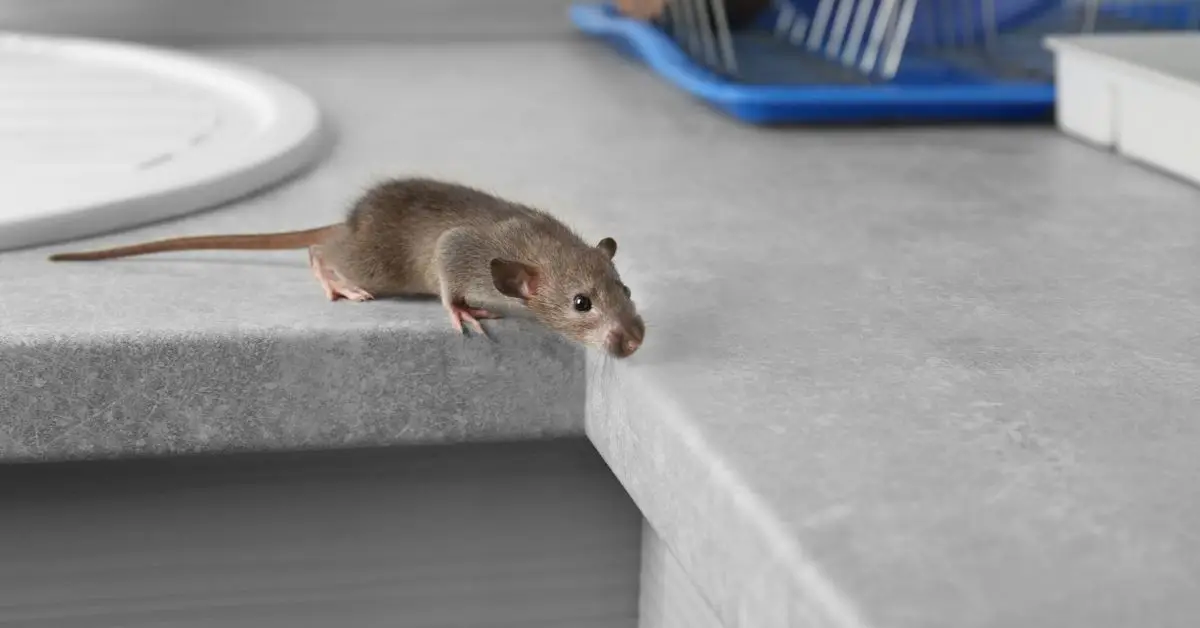
Before you start hiding traps, you need to understand mice. Honestly, I can’t stress this enough: a trap in the wrong place is just a decoration. Mice aren’t random wanderers—they follow specific patterns, and knowing them is half the battle.
Here’s what I’ve noticed in my experience and confirmed by experts:
- Mice stick close to walls and edges—they hate open spaces.
- They prefer dark corners, cupboards, and quiet zones where humans rarely go.
- They leave signs of activity: droppings, gnaw marks, greasy trails along baseboards.
If you want a more detailed guide on where mice naturally travel, this Intelligent Living article on mouse movement has a solid breakdown. It helped me refine my trap placement strategy in ways that generic “put it somewhere dark” advice never did.
Mice Movement Patterns
I always watch for their “highways”—those invisible lines along walls and behind furniture that mice consistently travel. Placing a trap directly along these paths dramatically increases the odds of success. Some key patterns to look for:
- Along baseboards in kitchens and living rooms
- Behind appliances like the fridge or stove
- Near pantry edges or dark storage spaces
If you want to take mouse prevention a step further, check out my guide on 10 proven ways to mouse-proof your pantry before winter starts.
Common Signs of Activity
Before setting traps, you want to confirm the areas are active. Look for:
- Small droppings near corners or under shelves
- Gnaw marks on cardboard, wires, or wooden furniture
- Greasy trails along walls, which are caused by the oils in their fur
Noticing these patterns isn’t just detective work—it’s a way to make sure every trap you hide is actually in a spot where a mouse will encounter it. You don’t want to waste a perfectly good trap in an area that looks convenient to you but is ignored by your four-legged intruder.
7 Smart Hide & Place Strategies
Over the years, I’ve realized that trap placement isn’t just about catching mice—it’s about catching them without your home looking like a lab experiment. Here’s how I approach it, and the strategies I’ve found most effective.
1. Behind and Under Appliances (Invisible Yet Effective)
Most homes have those small gaps behind the fridge, stove, or dishwasher. I always place traps there first. They’re dark, quiet, and in the natural paths mice travel—plus, they’re nearly invisible to anyone living in the house.
- Perfect for low-disturbance zones
- Mice naturally stick close to walls behind appliances
- Keeps traps out of sight without extra effort
For more insight on why appliance gaps are ideal for hiding traps, The Spruce has a great guide on how to hide mouse traps effectively.
2 Inside Cabinets & Shelf Gaps (Discrete Thumbprint)
Cabinets are goldmines for trap placement. I like hiding traps inside kitchen or bathroom cabinets—especially near food smells—so mice can’t resist them.
- Keep traps near corners or edges of shelves
- Make sure you can still access traps easily to check or reset
- Avoid overcrowding the cabinet so mice have a clear path
3. Under Furniture & Decor Items

Some of the most effective hiding spots I’ve used are under sofas, beds, or behind larger decor items. Mice naturally hug walls, so sliding a trap under a piece of furniture ensures it stays out of sight.
- Slide traps fully under furniture so they aren’t visible
- Keep them aligned with baseboards or along edges for better success
- Check weekly for activity without moving the furniture too much
4. Enclosed & Covered Trap Stations
If you want to go a step further, I recommend using small boxes or decorative containers as trap covers. It looks cleaner, keeps children or pets safe, and mice don’t mind squeezing inside.
- Use boxes with small entry holes for mice
- Materials can be simple: wood, sturdy cardboard, or decorative bins
- The benefit: traps work silently, unseen, and safely
5. Camouflaging with Everyday Items
Sometimes, the best hiding is blending. I’ve used houseplants, storage bins, and baskets to hide traps in plain sight. The key is to ensure mice can still access the trap without being deterred.
- Place traps near the base of plants or behind lightweight items
- Ensure there’s a clear approach path for the mice
- Avoid moving items too often, or mice will notice the changes
6. Wall Baseboard & Trim Integration
One trick that’s often overlooked is placing traps under baseboards or inside trim gaps. I like doing this along hallways or behind furniture pushed against walls. It’s nearly invisible and highly effective.
- Angle traps slightly to follow the wall line for higher catch rates
- Combine with other hiding strategies for maximum effect
- Utmost Array has a helpful breakdown of clever baseboard trap placements I used to refine my approach
7. Outdoor / Perimeter Hidden Stations
I also place traps outside near entry points—hidden behind shrubs, under porch edges, or near foundation cracks. Controlling mice before they come inside reduces indoor encounters dramatically.
- Keep stations discreet and pet-safe
- Focus on likely entry points: vents, gaps in siding, and door edges
- Combine with indoor strategies for full coverage
Aesthetic Trap Types & Design‑Friendly Options
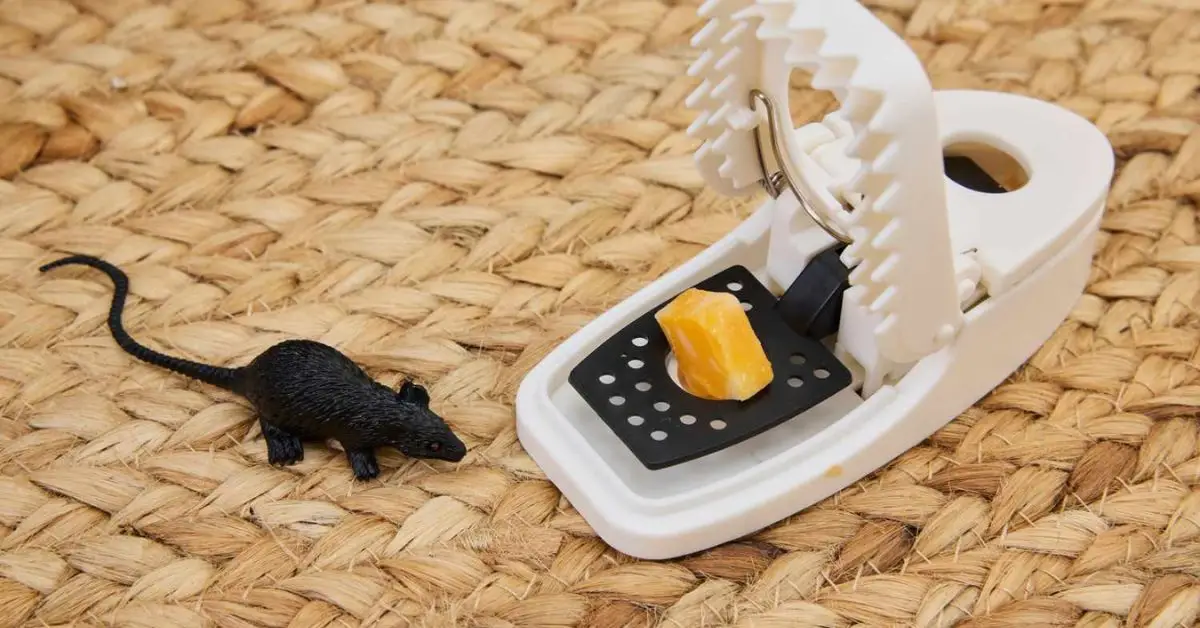
I’ve learned that not all traps are created equal. Choosing the right type can make hiding them much easier, safer, and even stylish in a way. Here’s what works best in my experience:
1. Enclosed Bait Stations
- Perfect for families with kids or pets
- Looks like a small box, so it blends into shelves or corners
- Keeps bait and traps contained while still accessible to mice
2. Low‑Profile / In‑Cabinet Traps
- Slim design fits neatly inside cabinets or along baseboards
- Hardly noticeable but still fully functional
- Ideal for kitchens or bathrooms where aesthetics matter
3. DIY Concealed Trap Ideas with Household Items
- Use small boxes, tins, or storage containers to hide traps
- Make sure there’s a clear entry path for the mice
- Safe, crafty, and inexpensive solutions that still work
Bait, Scent & Handling Tips (Hidden Job Enhancers)
Even the best-hidden traps fail if the bait or scent isn’t done right. I always follow a few key practices:
- Bait Choices: Peanut butter or chocolate works wonders—sticky enough to trigger the trap but aromatic enough to attract mice
- Avoid Human Scent: Always wear gloves when handling traps
- Advanced Tip: Some clever mice follow scent trails, so embedding cotton or nesting materials can make traps more approachable. Sometimes, unexpected signs behind walls can indicate bigger issues; my post on 10 signs something’s dying behind your wall explains what to look for and how to act fast.
Safety & Household Considerations
Hiding traps doesn’t mean ignoring safety. I’ve seen too many setups where aesthetics came first—and kids or pets came second.
- Keep traps out of reach from toddlers and pets
- Enclosed stations are safer and easier to hide
- Check traps weekly to make sure they’re still effective and not creating hazards
How to Monitor & Maintain Hidden Traps
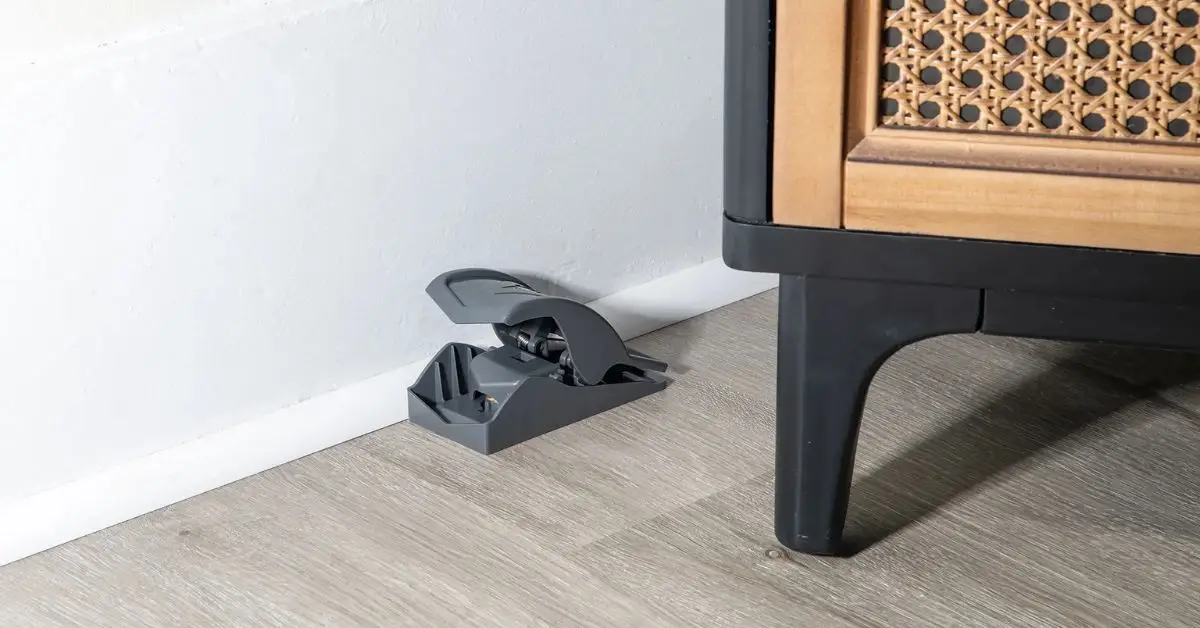
Once your traps are in place, a simple system makes all the difference:
- Check Frequency: I recommend checking every 2–3 days for activity
- Reset & Rotate Bait: Fresh bait increases success; rotate trap locations if needed
- Observe Patterns: Over time, you’ll notice the mouse “highways” and can adjust placement for maximum effectiveness
Optional: When to Call a Pro
Sometimes, no matter how smartly you hide traps, mice just won’t stop. Here’s when I advise considering professional help:
- Signs of heavy infestation: multiple droppings, chewed wiring, or sightings during the day
- Mice persist despite repeated trapping attempts
- You want prevention advice beyond DIY strategies. 8 home maintenance tricks to termite-proof your homeWhile you’re tackling pests, it’s smart to learn how to protect your home from other common intruders—like termites—and this guide on shows you exactly how.
Conclusion
Hiding mouse traps effectively isn’t just about stealth—it’s about combining strategy, safety, and style so your home stays comfortable and rodent-free. By understanding mouse behavior, choosing the right traps, and placing them thoughtfully, you can catch mice without compromising your home’s look.
I’d love to hear your thoughts: have you tried any of these methods, or do you have your own clever hiding tips? Share your experiences in the comments below.
And if you want more home improvement tips, smart DIY solutions, and step-by-step guides, check out my website: Build Like New—where practical ideas meet real results.
Disclaimer: The tips in this article are for educational and home improvement purposes only. Always exercise caution when handling traps, especially around children and pets. For serious infestations, consider consulting a professional.