Gas Leak Explosion at Home: 6 Life-Saving Precautions Every Homeowner Must Take
I still remember the first time I heard about a home exploding because of a gas leak. Honestly, it sounded like something out of a movie, until I saw the news reports showing charred walls and families shaken to their core. That could have been anyone’s house—maybe even yours.
Gas leaks are sneaky. You don’t always smell the warning, and sometimes a tiny leak can turn into a disaster before anyone realizes what’s happening. I’ve spent years learning how these accidents happen, and I want to share the exact steps you can take to protect your home and your family. By the time you finish reading, you’ll know how to spot the warning signs, prevent leaks before they start, and act fast if something goes wrong.
Have you ever wondered if your home could be at risk right now? Let’s break it down and make sure it’s not.
Understanding Gas Leaks — How They Happen and Why They’re Dangerous
If I had to sum up gas leaks in one line, it would be this: they’re quiet, invisible, and more dangerous than most people realize. You might think “I’d notice a leak,” but the truth is, sometimes you won’t—until it’s too late. That’s why understanding how leaks happen and what to watch for is the first step in keeping your home safe.
Common Sources of Gas Leaks
I’ve seen leaks come from places most people wouldn’t even consider. Here’s where you should pay extra attention:
- Stoves and ovens – especially older models with worn-out connections. Even a tiny loose hose can let gas escape.
- Water heaters and heaters – these often run quietly in basements, so a slow leak can go unnoticed for days.
- Gas pipelines – corrosion or accidental damage during renovations can create dangerous gaps.
- Old appliances – aging furnaces, dryers, or even BBQ grills stored indoors can hide weak seals.
Keeping an eye on these sources and inspecting them regularly can make all the difference. I personally check my appliances every few months, and it’s saved me from what could have been a serious incident.
How Gas Behaves
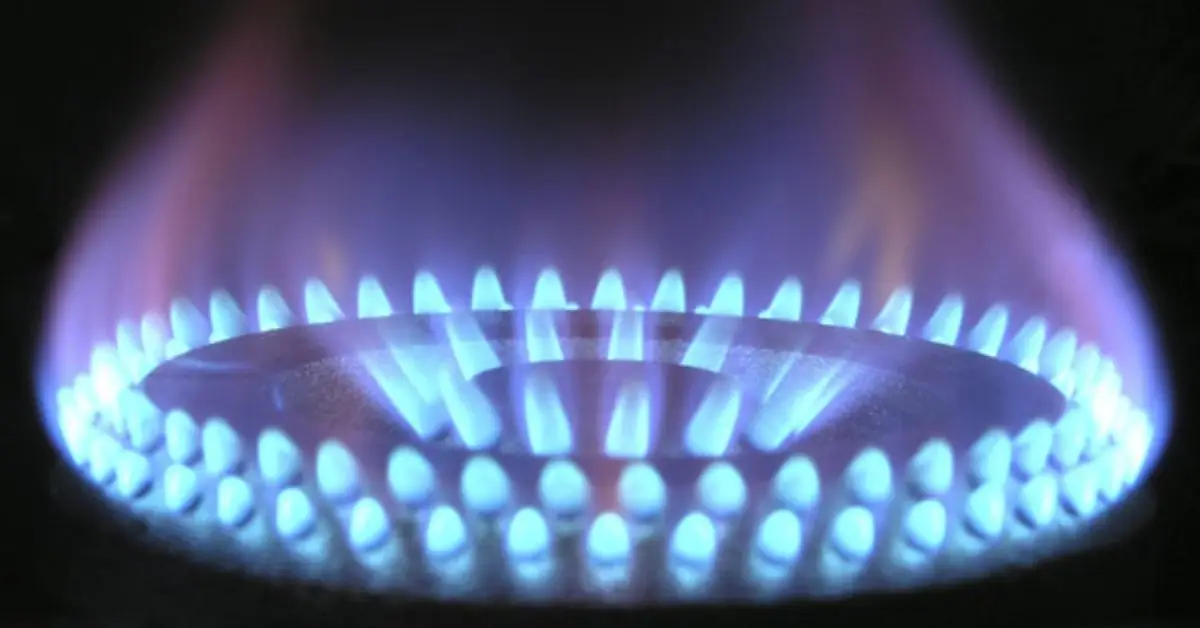
Natural gas is tricky because, by itself, it’s odorless and colorless. That’s why utility companies add a sulfur-like smell (you know, that rotten egg odor) so you can detect it early. Even so, gas is highly flammable, and inhaling it can cause dizziness, headaches, or even unconsciousness.
A few key things to remember:
- Gas rises quickly in confined spaces, which can make upper floors riskier during leaks.
- A spark from a switch, appliance, or even static electricity can ignite it.
- Continuous exposure, even without ignition, can affect your health over time.
Understanding this behavior helps you realize why detection and prevention aren’t optional—they’re lifesaving. Most people focus only on gas appliances, but household safety risks often overlap — just like these hidden microwave dangers that have already burned thousands of children, gas-related hazards are often underestimated until something goes wrong.
Early Warning Signs
You don’t have to wait for a disaster to know something’s wrong. Look out for:
- Hissing or whistling sounds near gas lines or appliances
- That distinct rotten egg smell
- Feeling dizzy, nauseated, or lightheaded without explanation
- Pets acting unusually—restless, hiding, or coughing
Even small signs are worth investigating immediately. I usually run a simple soapy water test on visible hoses and connections whenever I sense something off. It’s quick, simple, and can prevent a huge problem.
For detailed guidance on safe handling and detection, I often refer to Constellation’s home natural gas safety tips, which give clear, practical advice you can trust.
6 Proven Ways to Prevent Gas Leaks at Home
If I’ve learned one thing over the years, it’s that preventing gas leaks isn’t about luck—it’s about taking simple, consistent steps. Here’s what I do, and what you should consider doing too.
1. Regular Appliance Maintenance
- Schedule a professional inspection at least once a year for stoves, heaters, and water appliances.
- Replace old or damaged hoses and parts immediately.
- Keep a personal log of inspection dates—it helps you stay on track.
I remember skipping a routine check once, and a minor leak could have turned dangerous if I hadn’t caught it in time. As one tweet put it: “Routine gas appliance check = peace of mind & safety. Don’t skip it!”
Most leaks happen because of worn-out connections or aging appliances. Maintaining them stops problems before they start. I’ve seen this pattern across many appliances — in fact, stories like what happened after she cleaned her dryer, when a repairman said she was lucky show how routine maintenance can prevent disasters that most people never see coming.
2. Install Gas Detectors and Smart Monitors
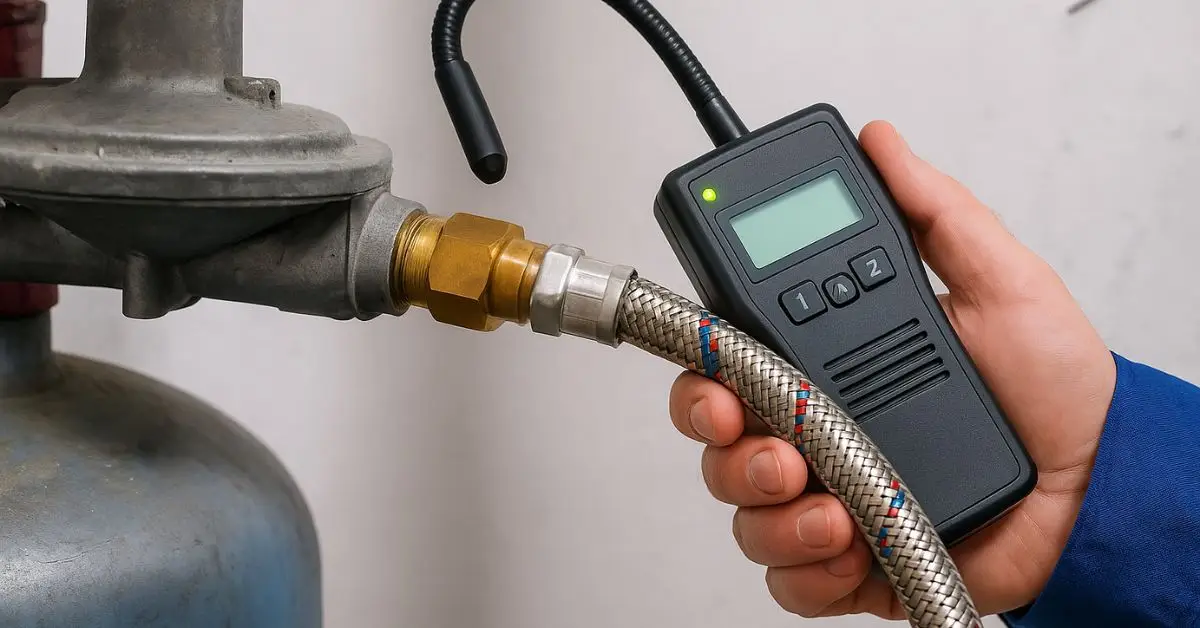
- Place certified detectors near your kitchen, basement, and utility areas.
- Consider smart detectors that send alerts to your phone if a leak is detected.
- Test your detectors monthly to ensure they’re working properly.
This step has saved lives in homes across the U.S. For guidance on the best products and placement, check out HomeAdvisor’s guide to natural gas safety devices — they break down detector types and installation tips in a clear, practical way.
Early detection can stop a tiny leak from becoming a catastrophic explosion.
3. Know How to Shut Off Your Gas
- Locate your home’s emergency gas valve and memorize its operation.
- Keep a wrench near the valve in an accessible spot.
- Consider labeling valves with clear instructions for guests or family members.
I always run a quick drill with my family once a year—it’s reassuring to know everyone can act quickly if something happens.
In emergencies, every second counts. Quick action can save lives and property.
4. DIY Leak Detection Techniques
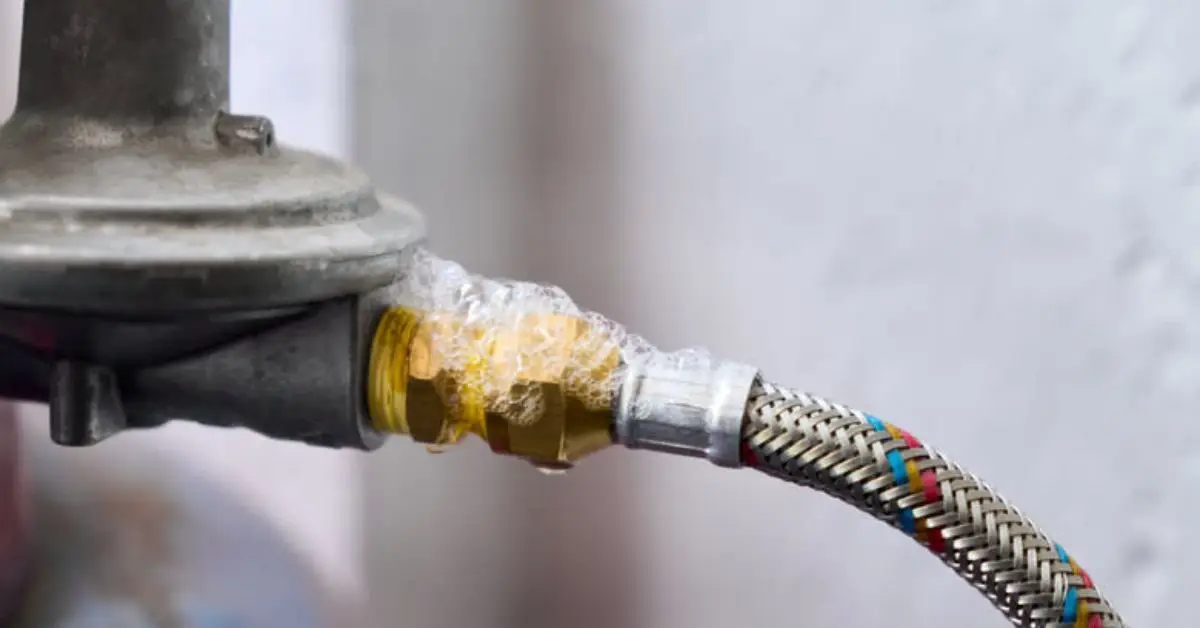
- Use a soapy water solution on hoses and pipe joints—bubbles indicate leaks.
- Rely on your senses too: hissing sounds or the faint sulfur smell.
- If you find a leak, don’t try a major repair yourself; call a professional immediately.
Even small checks like these give you a sense of control. I do it while making sure the area is ventilated—safety first.
Spotting a leak early empowers you to act before a minor problem escalates.
5. Ventilation & Safety Habits
- Open windows if you suspect a leak, even slightly.
- Avoid sparks: don’t use switches, phones, or lighters near the area.
- Social proof: Reddit threads share stories of homeowners who narrowly avoided disaster by ventilating quickly.
These simple habits drastically reduce the risk of explosion, even before professionals arrive.
6. Educate Family & Housemates
- Teach everyone in your home how to detect leaks and shut off the gas.
- Create a household safety plan and run practice drills.
- Make sure children know not to panic and adults know the proper steps.
I run a mini “gas safety drill” with my family every few months—it’s surprisingly effective in reducing anxiety and improving readiness.
Preparedness isn’t just about you—it’s about everyone in your home reacting correctly under pressure.
Common Mistakes Homeowners Make With Gas Safety
I’ll be honest with you—when it comes to gas leaks, most of the real danger isn’t just from the leak itself. It’s from the mistakes we make because we don’t take the threat seriously enough. I’ve seen these over and over, both in reports and from homeowners who reached out after a close call.
Here are the biggest errors people make, why they matter, and how they can turn a small issue into a full‑blown disaster:
Ignoring Minor Leaks
- You smell a faint rotten‑egg odor, hear a slight hiss, and think it’ll go away on its own.
- You tell yourself, “It’s probably just the weather.”
That’s the kind of mindset that leads to scenes like this ABC News report of a home explosion where nine people were injured after a gas leak was unnoticed for too long:
Don’t let “minor” fool you. Gas doesn’t have to build up for years to be dangerous — even a short period of leakage in the right conditions can ignite. Just like gas leaks, small mistakes with other home appliances can be deadly too — even one common dryer mistake that’s linked to multiple deaths each year often gets ignored because people assume it won’t happen to them.
Doing DIY Repairs Without Professional Knowledge
- You see a loose connection and try tightening it yourself.
- You think a quick YouTube video makes you qualified.
Trust me, DIY confidence without training can make a bad situation worse. Gas connections are pressurized, and a slight mistake can worsen the leak or even create another one. Always call a certified technician for repairs.
Over‑Reliance on Smell Alone
- Most people think, “If I smell it, I’ll know.”
- But what if you’ve become desensitized to the odor?
Not everyone detects the smell right away. Some leaks happen slowly, and your nose adjusts without you realizing it. Plus, other odors in your home can mask gas smells. You need to combine smell with sound, routine checks, and detectors to be truly safe.
Not Updating Appliances After Years of Use
- Old furnaces, water heaters, stoves, or dryers might still “seem fine.”
- But aging equipment is one of the biggest contributors to leaks.
Even manufacturers recommend updates after a certain number of years because seals, hoses, and valves degrade with time. Not staying on top of this leaves you exposed to leaks you didn’t see coming.
Most homeowners think gas leaks are rare or dramatic events that “only happen to other people.” But as that ABC News example shows, they absolutely can happen in regular homes to regular families. Recognizing these mistakes doesn’t just help you avoid embarrassment — it helps you avoid serious injury, loss, and heartache.
If any of these points made you pause, think about your own home right now: When was the last time you checked your appliances or scheduled a service?
Quick Checklist for Every Homeowner
I like to keep things simple, so here’s a quick checklist you can follow today to make sure your home is safer from gas leaks:
- Schedule a professional appliance inspection at least once a year.
- Replace old or worn-out hoses and connections immediately.
- Install certified gas detectors in the kitchen, basement, and utility areas.
- Make sure you know where your emergency gas shut-off valve is and keep a wrench nearby.
- Do routine DIY checks: use soapy water on hoses, listen for hissing, and trust your senses.
- Ventilate immediately if you suspect a leak—open windows and doors, and avoid sparks.
- Teach everyone in your household what to do in case of a gas leak.
If you want, you can print this checklist and keep it somewhere visible—like on the fridge or near your utility area. It’s a small step that gives you peace of mind every day.
Safety as a Lifestyle, Not an Afterthought
Here’s the thing: gas safety isn’t just about checking appliances once or installing detectors. It’s about making it part of your everyday habits. Treat it like brushing your teeth—it needs consistency.
- Schedule your inspections and stick to them.
- Install and maintain detectors regularly.
- Have a household safety plan and run practice drills.
- Remember, keeping your home safe may even help with insurance benefits if you comply with safety recommendations.
I want to hear from you: What steps have you taken to protect your home from gas leaks? Drop your experiences or questions in the comments below. Sharing helps everyone learn from real-life situations.
And if you want more practical, step-by-step guides for keeping your home safe and up-to-date, check out Build Like New. We focus on turning everyday maintenance into simple habits that actually work.
Disclaimer: This content is for general information only and does not replace professional advice. If you suspect a gas leak, leave the area immediately and contact your gas provider or a licensed professional. Do not attempt major repairs on your own.