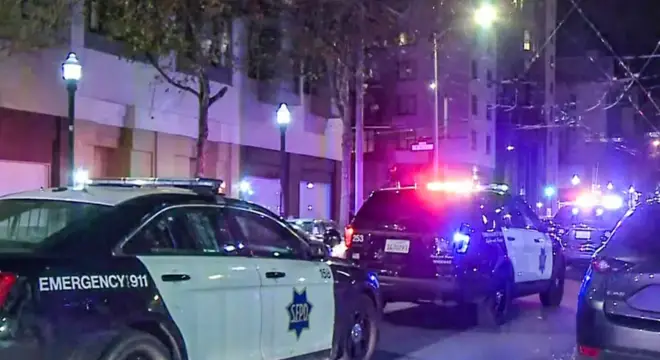
Woman Found Dead Following Pennsylvania Row Home Fire
I want to start this the same way most people in Ogontz likely woke up that morning — with shock.
Early Thursday, while the neighborhood was still quiet, a fire broke out inside a row home on the 6200 block of Ogontz Avenue in North Philadelphia. It was around 4:45 a.m., the hour when most people are asleep and least prepared to react. By the time firefighters arrived, heavy smoke and flames were already pouring from the home.
Inside, crews found a woman believed to be in her 60s, unresponsive on the first floor. She was rushed to the hospital, but doctors could not save her. She was pronounced dead shortly after. No firefighters were injured during the response, which matters — because it tells us how intense and dangerous this fire likely was.
If you live in or around Philadelphia, especially in a row home, this kind of story hits close to home. Fires like this don’t give warnings. They move fast, often in the early hours, and they don’t leave much room for second chances.
The woman’s identity has not yet been released, and investigators are still working to determine what caused the fire. What we do know is that at least one neighboring home was damaged — and according to a nearby resident, it was the firefighters’ quick action that stopped the flames from spreading further down the block.
Stories like this raise uncomfortable questions — about safety, about response time, and about how vulnerable row homes can be during overnight fires.
If you were living on that block, what would you want to know first — the cause, the warning signs, or how to make sure it doesn’t happen again?
Firefighters’ Response and What They Faced Inside
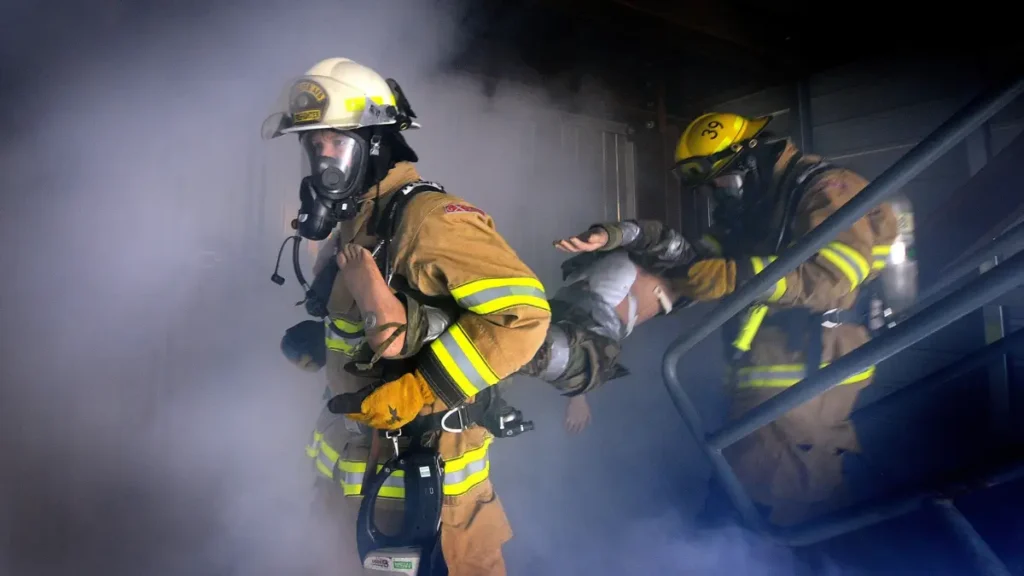
When firefighters reached the scene, they weren’t walking into a routine call. According to PHL17, crews were met with heavy smoke and visible flames coming from the row home almost immediately. That detail matters, because it tells you how far the fire had already progressed before help arrived.
Inside the home, conditions were dangerous. Smoke had filled the lower level, limiting visibility and making movement difficult. Firefighters pushed through anyway and found the woman on the first floor, unresponsive. She was pulled out and rushed to the hospital, but her injuries were too severe.
I want you to pause on one detail that often gets overlooked: no firefighters were injured. That usually means two things — the response was fast, and the crews acted with control under pressure. In row home fires, that kind of discipline can be the difference between one home burning and an entire block going up.
What We Know About the Victim So Far?
Right now, details about the woman are limited, and that’s intentional. Officials have said she was believed to be in her 60s, but her name has not been released. That usually means family notifications are still ongoing.
From an expert’s point of view, this silence isn’t a gap — it’s a safeguard. Early reporting often gets facts wrong when pressure is high. Waiting protects the dignity of the victim and the accuracy of the story.
What stands out to me is where she was found. Being on the first floor suggests she may have been trying to escape or respond to the fire. In many fatal house fires, victims are found in bedrooms. This detail hints at how quickly conditions may have turned deadly.
Neighbor’s Account: How the Fire Was Contained
One neighbor who saw the flames said something important: this fire could have been much worse.
According to that witness, firefighters’ quick action helped stop the fire from spreading further down the row. In neighborhoods like Ogontz, where homes share walls, that’s not a small thing. Fire doesn’t respect property lines.
Even so, officials confirmed that at least one neighboring home was damaged. That tells us heat and smoke had already begun pushing sideways, a common and dangerous pattern in row home fires.
If you live in a similar setup, this is the part of the story that should stay with you. Your safety isn’t only about your home — it’s tied to how fast help arrives and how prepared the structure is to slow fire spread.
Investigators often face similar challenges in determining causes, especially in heavily damaged homes, like in a recent vacant Urbana house fire where the origin remained unclear during early investigation stages.
Why Row Home Fires Become Deadly So Fast?
This is where many news reports stop short, but I don’t think they should.
Row homes in Philadelphia, especially older ones, have shared walls, narrow layouts, and aging infrastructure. Once a fire starts, smoke has fewer places to go — so it fills living spaces quickly. That’s often more dangerous than the flames themselves.
Early-morning fires are especially deadly. People are asleep. Reaction times are slower. Smoke alarms, if missing or not working, don’t do their job. By the time someone realizes what’s happening, escape routes may already be compromised.
When you hear “Pennsylvania row home fire,” it’s rarely random. There are patterns — and ignoring them is how tragedies repeat.
In many home fires, it’s not just people who are at risk — even pets often don’t get a chance to escape, as seen in a recent Florida house fire where a pet was killed before help arrived.
Investigation Status and What Comes Next

Right now, the cause of the fire is still under investigation. That means fire officials are examining everything from electrical systems to possible ignition points on the first floor.
Investigations like this take time, and for good reason. Rushing to conclusions can lead to misinformation and misplaced blame. What investigators are really trying to answer is a simple but critical question: what started this, and could it have been prevented?
As more details come out — including the official cause and the woman’s identity — this story will likely evolve. But even before those answers arrive, there’s already a lesson here about speed, structure, and preparedness.
If this had happened on your block, do you think your home — and your neighbors’ — would have had enough time to react?
As fire officials continue their investigation, updates often come out in small but important steps. Many residents prefer getting such local fire and safety updates directly as they happen, instead of waiting for headlines.
What This Fire Means for the Ogontz Community?
When something like this happens, the impact doesn’t stop at one front door.
In a neighborhood like Ogontz, row homes are close, families know each other, and daily life is shared block by block. A fatal fire shakes that sense of normalcy. People start looking at their own homes differently — checking doors, glancing at smoke alarms, replaying “what if” scenarios in their heads.
I’ve seen this pattern before. After a deadly fire, concern rises fast, but it also fades fast if nothing changes. This moment matters because it’s when awareness is highest. Neighbors talk. Safety questions come up. That’s when real prevention can start — if people act on it.
If you live nearby, this isn’t just news. It’s a warning that feels personal
A Familiar Pattern: Fatal Row Home Fires Across Pennsylvania
This fire didn’t happen in isolation, and that’s the uncomfortable truth.
Across Pennsylvania, especially in older cities like Philadelphia, fatal row home fires keep following the same script: overnight hours, heavy smoke, victims found inside before they can escape. The addresses change, but the details don’t.
What’s often missing from coverage is this bigger picture. When incidents repeat, they stop being accidents and start becoming patterns. And patterns are something we can learn from — if we’re willing to look at them honestly.
If you’ve read about other row home fires recently and felt a sense of déjà vu, that feeling is valid. It’s a sign that this is a larger safety issue, not just a single tragic morning.
Similar overnight fires have led to tragic outcomes elsewhere too, including a Maryland townhouse fire that killed a 4-year-old child, showing how quickly residential fires can turn fatal when families are asleep.
What Happens Next and What You Should Watch For?
For now, investigators will continue working to determine what caused the fire. That process can take days or even weeks, depending on damage and evidence. The woman’s identity will likely be released once family notifications are complete.
But here’s what I’d encourage you to watch for — not just as a reader, but as someone who lives in a similar environment. Pay attention to what officials say about the cause. Was it electrical? Heating-related? Something preventable?
Those details matter far beyond this one home.
And I’ll leave you with this question, because it’s the one that really counts: If a fire started in your home tonight, would you have enough warning — and enough time — to get out?
If stories like this matter to you — not just as news, but as real-life safety lessons — you can follow our updates on X and join the conversation in our Facebook community, where these incidents are discussed beyond just headlines.
Disclaimer: This article is based on information released by fire officials and local news sources at the time of reporting. Details may change as the investigation continues and more facts become available. No assumptions are made about the cause of the fire or responsibility until authorities confirm their findings.