This One Kitchen Change Eliminates Odors and Mess Fast
If your kitchen smells off even though you clean it regularly, I want you to know something first: it’s probably not because you’re doing anything wrong.
I’ve seen this pattern again and again—in real homes, not just glossy magazines. People scrub counters, wipe sinks, light candles, spray deodorizers… and the smell still comes back. Usually by the next morning. Sometimes within hours.
Here’s the part most cleaning advice skips: the biggest source of kitchen odor isn’t the stove, the sink, or the fridge. It’s the trash can. More specifically, how long trash is allowed to sit there.
We’ve been trained to think bigger is better when it comes to kitchen bins. Bigger means fewer trips outside, right? In reality, a large trash can quietly encourages trash to sit longer. Food scraps, meat packaging, peels, damp paper towels—all hanging out together in a warm space. That’s not a cleaning issue. That’s a time issue.
Once I started looking at the problem this way, the solution became surprisingly simple. Not another product. Not another spray. Just one small change that forces better habits without adding effort—and instantly cuts down odors and mess.
Before you dismiss it as too basic, let me ask you this: how many days’ worth of trash is sitting in your kitchen right now?
Your Kitchen Trash Can Is the Real Odor Problem (Not Your Cleaning Routine)
Most people I talk to think kitchen smells mean they’re not cleaning well enough. You wipe the counters, rinse the sink, maybe even mop the floor—and still, that smell lingers. If that sounds familiar, let me say this clearly: the problem usually isn’t your cleaning routine.
It’s what’s happening inside your trash can, day after day.
What Actually Builds Up Inside a Kitchen Trash Can
Your kitchen trash can isn’t just holding “waste.” It’s holding the perfect environment for odors to form.
Here’s what’s really going on inside that bin:
- Food scraps like meat packaging, fish skins, and leftovers
- Moisture from peels, paper towels, and cleaning wipes
- Warm indoor temperatures
- Bacteria that multiply fast when food and moisture sit together
Once trash sits for a day or two, bacteria don’t need your permission—they get to work. That smell you notice isn’t dirt. It’s biology. Time + heat + moisture is the formula, and no amount of surface cleaning can undo that once it starts.
This is why kitchens can smell even when they look spotless. This is also why some smells fade into the background for you but stand out to visitors—these hidden home odors guests notice first are often tied to overlooked areas like trash and waste buildup.
Why Bigger Trash Cans Quietly Make Kitchens Dirtier
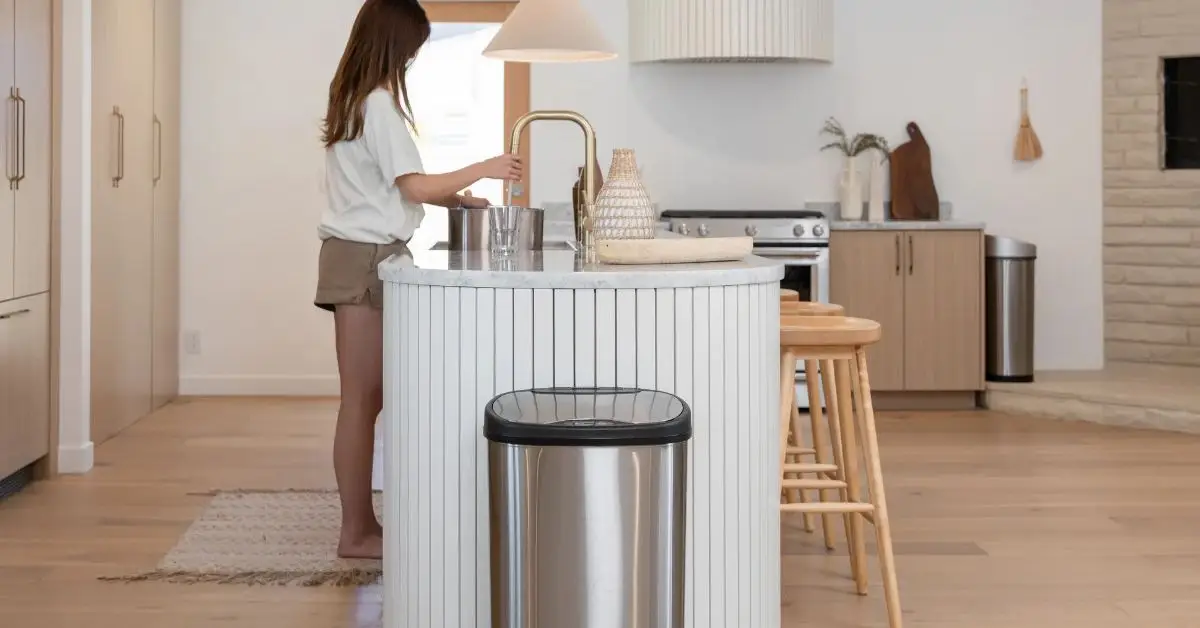
Here’s the uncomfortable truth most people miss: bigger trash cans make it easier to ignore the problem.
A large bin sends a subtle signal—you don’t have to deal with this yet. So trash stays longer. Liquids pool. Bags get heavier. Odors get stronger. And by the time you finally take it out, the smell has already spread.
This goes against what we’ve been taught. Bigger feels practical. But many home experts, including those quoted by Real Simple, point out that the longer trash sits, the harder it is to keep a kitchen feeling fresh.
Think about it honestly:
- A half-full big bin feels “fine”
- A nearly-full small bin demands action
That difference matters more than any spray or scent.
The One Kitchen Change That Works: Downsizing Your Trash Can
If you want the shortest path to fewer odors and less mess, this is it. No gadgets. No products. Just a smaller trash can.
I know—it sounds almost too simple. But this one change works because it doesn’t rely on motivation or willpower. It works by changing behavior automatically.
Why a Smaller Trash Can Changes Behavior Automatically
A smaller trash can fills up faster. That’s the whole point.
When the bin fills quickly, you don’t “plan” to take it out—you just do it. And that one shift sets off a chain reaction:
- Trash leaves the kitchen before bacteria has time to build up
- Liquids don’t sit long enough to leak or smell
- The bin itself stays cleaner because it’s constantly being reset
Cleaning professionals often describe this as forced frequency. You’re not trying harder—you’re just removing the option to procrastinate.
I’ve seen this work in real homes over and over. People switch to a smaller bin and suddenly notice:
- The kitchen smells fresher by default
- Trash day feels easier, not heavier
- Cleaning the bin stops being a dreaded chore
You’re not adding effort. You’re removing delay.
Let me ask you something before we go further: if your trash can were half the size it is now, how often would you be forced to empty it?
How a Smaller Trash Can Reduces Odor at the Source
Most cleaning advice tells you what to do. Very few explain why it works. If you’re someone who likes logic before action, this matters.
Kitchen odor isn’t random. It follows a simple pattern: food + moisture + time.
Less Time Sitting = Less Bacteria Multiplication
Every time food waste sits in a trash can, bacteria get time to grow. And once they start multiplying, smell isn’t far behind.
This is why odor doesn’t show up immediately—but suddenly feels overwhelming.
According to cleaning and ventilation experts at Elica odors build up when food particles and moisture stay trapped in enclosed spaces without regular removal or airflow.
Here’s where trash can size changes everything:
- A large bin allows trash to sit for multiple days
- A small bin fills faster and gets emptied sooner
- Less sitting time means fewer odor-causing bacteria
- Fewer bacteria = less smell, without extra effort
You’re not fighting odor. You’re stopping it before it forms.
Why Frequent Emptying Beats Deodorizers and Sprays
Sprays work on scent. Not on the source.
They don’t remove:
- Food residue
- Moisture
- Bacteria
Frequent emptying does all three at once. It resets the environment completely. That’s why downsizing works better than any “fresh kitchen” product—it removes the conditions that create smell in the first place.
Why Cleaning a Small Trash Can Is So Much Easier
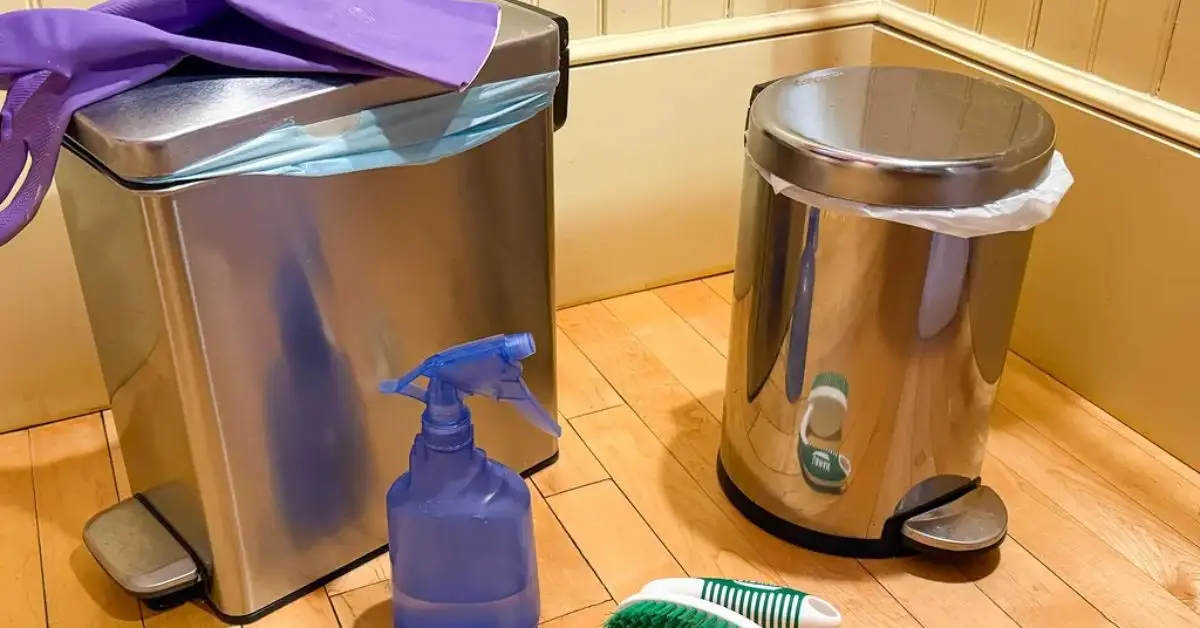
Smell is only half the problem. Mess is the other half—and this is where big trash cans quietly make life harder.
The Psychology of “Avoided Cleaning Tasks”
Let’s be real. Most people don’t clean their trash can often.
Not because they don’t care—but because:
- Big bins are heavy
- They’re awkward to move
- They don’t fit in the sink
- Cleaning them feels like a project
So spills dry. Residue sticks. And the bin slowly becomes part of the odor problem.
Avoidance isn’t laziness. It’s human nature.
Rinse-and-Reset: Why Small Bins Actually Get Cleaned
A smaller trash can removes that friction.
When a bin is compact:
- You can lift it easily
- It fits in the sink
- A quick rinse feels doable
Instead of postponing cleaning, you reset the bin naturally. That alone prevents the sticky buildup and lingering smells that bigger bins tend to collect over time.
The Hidden Benefit: You Become More Aware of Your Waste
This is the benefit most people don’t expect—but notice quickly.
A smaller trash can changes what you see every day.
How Small Bins Make Waste Impossible to Ignore
When the bin fills fast, you become aware of:
- How much food gets tossed
- Which packaging shows up daily
- What’s truly necessary vs wasteful
There’s no guilt. No tracking. Just visibility.
That daily feedback loop quietly changes behavior.
Why People Naturally Produce Less Trash Over Time
Once waste becomes visible, habits shift on their own.
People often:
- Buy slightly less
- Waste less food
- Separate food waste more thoughtfully
Not because they’re trying harder—but because the bin gives instant feedback. Once you start noticing what fills your bin every day, it often becomes clear that some items don’t need to be tossed at all—there are several kitchen items you shouldn’t trash and can reuse instead with very little effort.
That’s the power of a small change done consistently.
Before we move on, think about this for a second: if you had to empty your trash every day, what patterns do you think you’d start noticing?
What Size Trash Can Actually Works (Without Driving You Crazy)
This is the point where most people hesitate. The idea sounds good, but then the practical questions kick in. How small is too small? And will this just annoy me every day?
I get it. If the size doesn’t fit your real life, the habit won’t stick.
Standard Kitchen Trash Can Size (And Why It’s Too Big for Most Homes)
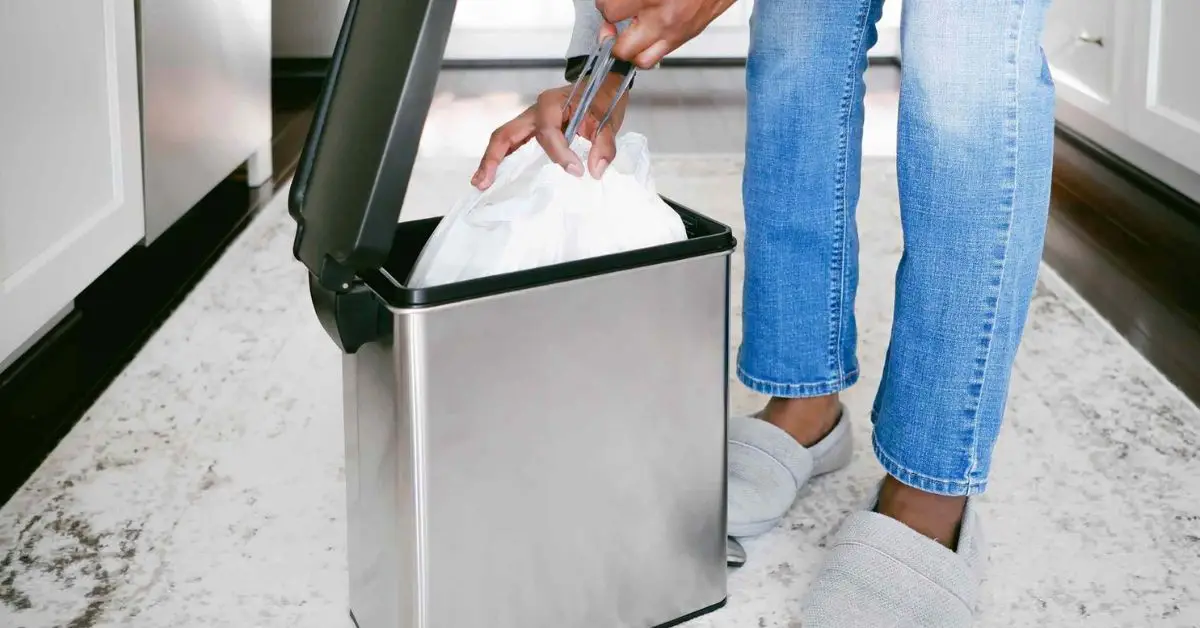
The standard kitchen trash can in the US is around 13 gallons. That’s the size most people buy without thinking twice.
On paper, it seems reasonable. In practice, it’s usually too much.
A 13-gallon bin can hold:
- Two to seven days of trash
- More if you live alone or cook lightly
That much time sitting indoors is exactly what creates odor risk. Food waste lingers. Moisture builds up. And by the time the bag is full enough to take out, smell has already had days to develop.
The size itself isn’t the problem. The delay it encourages is.
Ideal Trash Can Sizes by Household Type
You don’t need to go extreme to see results. Small enough to force turnover—but not so small that it becomes irritating.
Here’s what actually works in real homes:
- 5 gallons
Best for a single person or light cooking
Usually holds one day of kitchen waste comfortably - 7–8 gallons
Ideal for couples or people who cook often
Enough space for a day or two, without long sit times
This kind of sizing lines up well with household waste patterns tracked by the EPA, which shows how much daily waste the average person generates at home.
The goal isn’t perfection. It’s faster turnover without frustration.
Smart Compromises If You’re Not Ready to Go Fully Small
If you’re thinking, this sounds nice, but my household isn’t that simple, you’re not wrong.
You don’t have to go all-or-nothing.
Splitting Wet Food Waste vs Dry Trash
One of the easiest compromises is separating the messiest stuff.
You can:
- Use a small bin for food scraps and wet waste
- Keep a slightly larger bin for dry trash like packaging
This works especially well for families or heavy cooks. Food waste gets taken out often (which controls odor), while dry trash can wait without causing problems. If taking the trash out more often feels annoying, especially in visible areas, you might also want to rethink where and how you store it—these stylish DIY ways to hide outdoor trash cans can make frequent disposal feel far less intrusive.
You still get most of the benefits—without constant bag changes.
The Trial-It-For-Two-Weeks Approach
If you’re unsure, don’t commit forever.
Try this instead:
- Downsize your kitchen bin for two weeks
- Don’t change anything else
- Just notice how the kitchen feels
Most people know by day five whether it’s helping. If it’s annoying, you can size back up slightly. No harm done.
Low commitment makes change easier to accept.
Why This Tiny Swap Works Better Than Most “Kitchen Hacks”
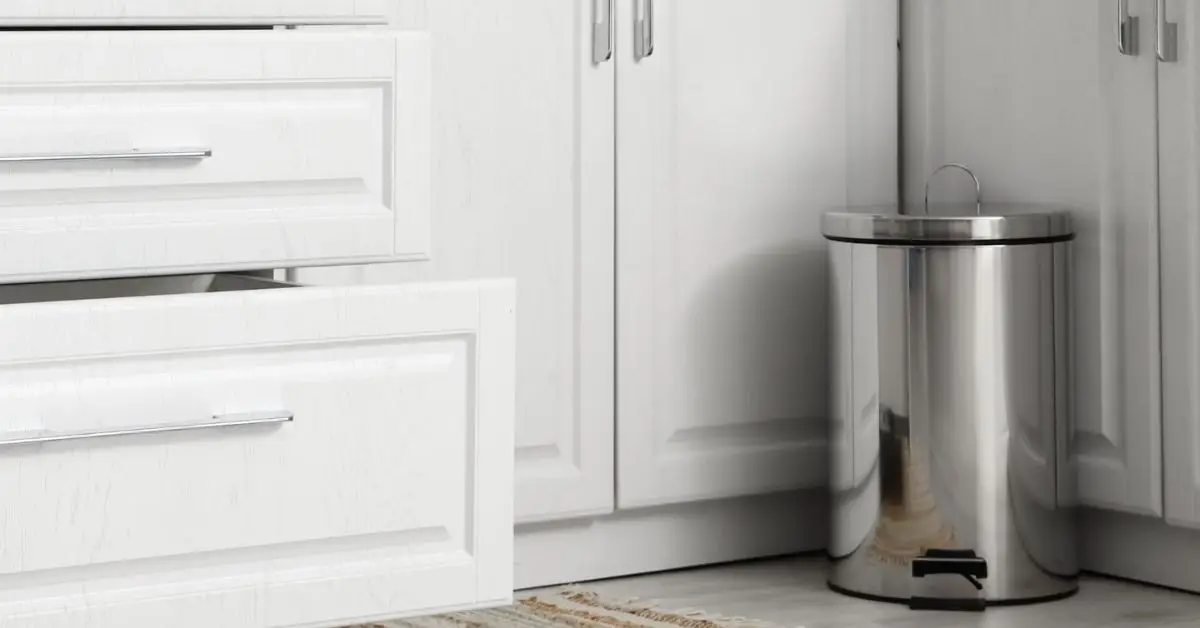
There’s no shortage of kitchen advice online. What makes this different is how little it asks of you.
No Gadgets, No Chemicals, No Complicated Systems
This isn’t another thing to buy, refill, or remember.
No:
- Odor sprays
- Special liners
- Scented inserts
- Cleaning schedules
You’re not adding steps. You’re removing delay.
A Habit-Based Fix That Sticks
What makes this work long-term is that it’s built into daily life.
A smaller bin:
- Cuts odor
- Reduces mess
- Makes cleaning easier
- Increases awareness of waste
All without relying on motivation.
That’s why this small swap quietly outperforms most kitchen hacks. It works with how people actually behave.
So before you scroll on, think about this: if your trash couldn’t sit for days anymore, how different would your kitchen feel by the end of the week?
A Small Trash Can, A Noticeably Cleaner Kitchen
At this point, you’ve probably noticed how simple this change really is. No products to buy. No routines to memorize. Just a smaller trash can that quietly fixes the root of the problem.
When trash leaves your kitchen faster, odors don’t get a chance to settle in. Messes don’t build up. Cleaning feels lighter. And over time, your kitchen starts staying clean instead of needing constant resets.
That’s the part most hacks miss. This isn’t about doing more—it’s about removing the delay that causes smells and mess in the first place.
If you try this swap, I’d love to hear what you notice.
Did your kitchen smell different after a few days?
Was taking out the trash easier than you expected?
Drop your experience or questions in the comments—I read them all.
And if you enjoy practical, no-nonsense ideas like this that actually work in real homes, you’ll find more of them at Build Like New. It’s where I share smart, habit-based upgrades that make everyday spaces easier to live in.
Disclaimer: Results may vary based on household size, cooking habits, and the type of waste you generate. This content is for general informational purposes and is not a substitute for professional cleaning or waste-management advice.