5 Cleaning Tricks to Reach Under Heavy Furniture Without Back Strain
You’re not lazy for avoiding the space under your couch. You’re being human.
I’ve seen this problem come up again and again. People want a clean home, but the moment cleaning means bending low, twisting awkwardly, or trying to reach under something heavy, the back takes the hit. One small wrong move and that “quick clean” turns into soreness that sticks around for days. If you’ve ever straightened up slowly after reaching under a bed and thought, I shouldn’t have done that, you’re not alone.
A lot of advice out there sounds fine on paper, but real homes don’t work that way. Furniture is heavier than it looks. Clearances are tighter than expected. And not everyone has the flexibility, strength, or time to move things the “proper” way. That gap between advice and real life is where back pain usually starts.
In this guide, I’ll walk you through practical ways to clean under heavy furniture without hurting your back. These are methods I trust because they work in everyday homes, with normal tools and realistic effort. No forcing your body. No risky lifting. Just smart moves that protect your back and still leave your space clean.
Before we get into it, what’s the one piece of furniture in your home that you avoid cleaning under on purpose?
Why Tackling Under-Furniture Dust Matters More Than You Think
I know this doesn’t feel urgent, but what sits under your furniture quietly affects how you feel every day.
That hidden space under the couch or bed becomes a resting place for dust, pet hair, and tiny debris you never see—but your body still reacts to it. Every step, every movement, pushes those particles back into the air you breathe.
Here’s why ignoring it isn’t as harmless as it seems:
- Dust and allergens travel easily, triggering sneezing, congestion, or itchy eyes over time
- Pet hair and food crumbs attract pests, even in homes that look clean on the surface
- Indoor air quality drops slowly, which can leave you feeling tired or irritated without a clear reason
When I’ve seen people finally clean these areas properly, they often say the room feels “lighter” or easier to breathe in. That’s not in their head. Removing hidden buildup reduces what your body has been quietly dealing with.
But cleaning these spots only helps if you do it safely—which starts with understanding how your back actually works.
Understand Your Back — How Bending & Lifting Really Affects You
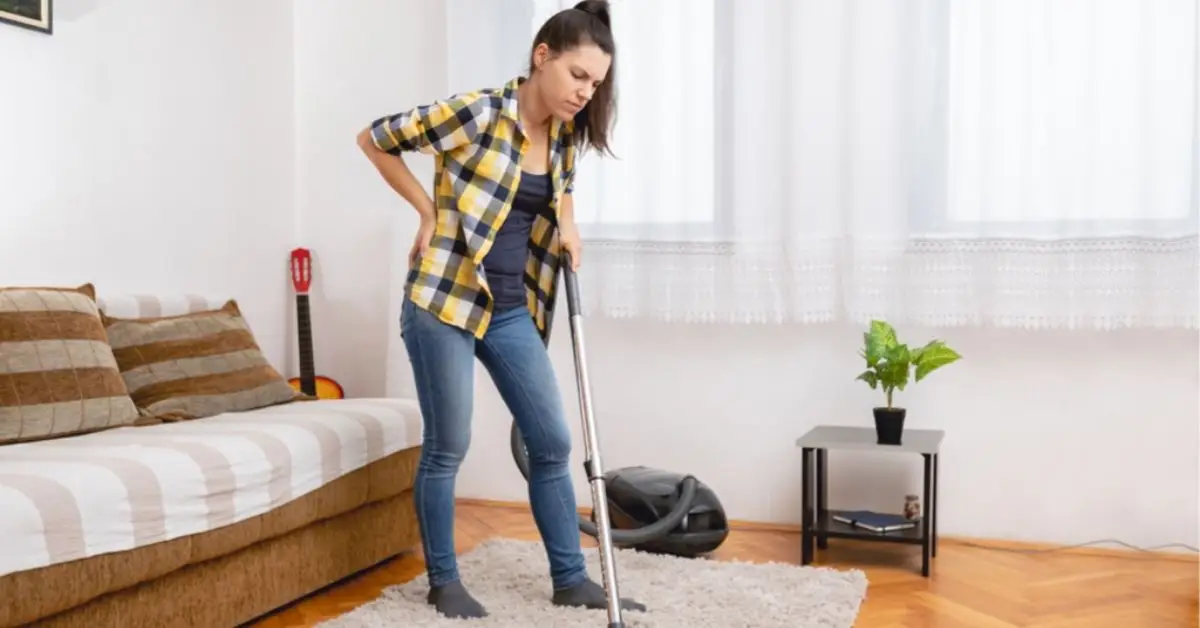
Your back isn’t weak—but it’s not designed for careless bending either.
Most back pain from cleaning doesn’t come from heavy lifting. It comes from repeated, awkward movements done the wrong way. Bending at the waist and reaching forward puts direct strain on your lower spine, especially when you’re off balance.
According to posture and movement guidance shared by Opal Premium Cleaning Co, protecting your back is less about strength and more about how you move.
Here’s what I want you to focus on every time you clean under furniture:
- Keep your spine neutral, not rounded or hunched
- Bend at your hips and knees, letting your legs support the movement
- Shift weight using your legs, not your lower back
- Move slowly and take short breaks to avoid muscle fatigue
If you’ve ever felt fine right after cleaning but woke up sore the next day, that’s delayed strain. It usually means your body was compensating for poor posture without you realizing it.
Once you respect how your back wants to move, cleaning stops feeling risky. And from here on, every trick you use will feel easier—and safer—on your body.
Trick 1 — Use Long-Reach Tools to Stay Upright
If I had to pick one habit that saves backs the fastest, it’s this: stop taking your body where a tool can go instead.
Most people bend because they think they have no other option. In reality, the right long-reach tools let you clean while staying mostly upright, which reduces strain instantly and makes frequent cleaning realistic.
Microfiber Telescoping Dusters & Flat Microfiber Mops
I always recommend choosing tools based on clearance height, not price or brand hype. Measure the lowest gap under your furniture first. That alone prevents frustration.
Here’s what actually works well:
- Flat microfiber mops slide under beds and sofas better than bulky heads
- Telescoping dusters let you adjust length so you’re not leaning forward
- Flexible heads help reach corners without twisting your torso
One simple, real-world hack I’ve seen shared by users on Reddit’s CleaningTips community is wrapping a microfiber cloth around a ruler, broom handle, or yardstick. It’s not fancy, but it reaches ultra-low gaps without forcing your back into awkward positions.
Why this matters: when bending is removed from the equation, cleaning stops feeling like a physical risk. That’s what makes consistency possible.
Vacuums with Long Hose + Crevice Tools
A vacuum can either protect your back or quietly wreck it—it depends on how you use it.
When you’re cleaning under heavy furniture:
- Keep the vacuum body upright
- Use long hoses or extension wands instead of lowering yourself
- If you need to stoop slightly, bend your knees—not your spine
Low-profile crevice tools and flexible extension wands are especially helpful for couches and bed frames common in US homes. If your sofa has delicate fabric, it’s also smart to clean it the right way—these velvet couch cleaning hacks pair well with safe under-couch cleaning.
They let you reach deep without crawling on the floor or twisting sideways.
Trick 2 — Furniture Sliders and Risers: Move It Without the Strain
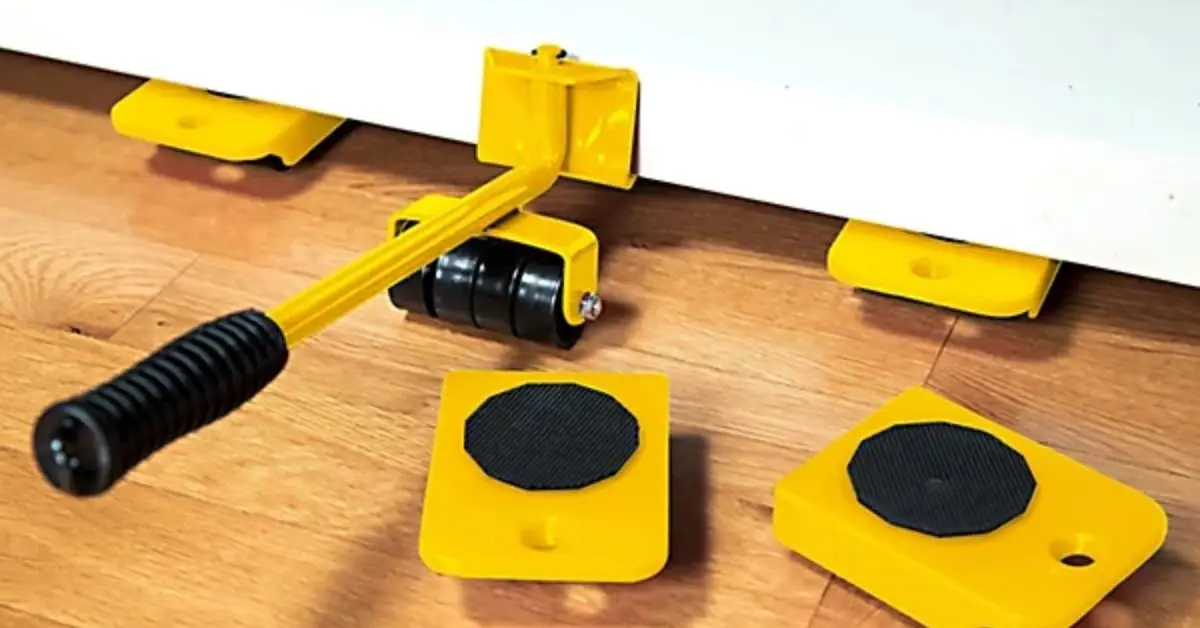
Sometimes, tools alone aren’t enough. But that doesn’t mean you should muscle your furniture into place.
Furniture sliders and risers exist for one reason: to let physics do the work instead of your back.
How Sliders Reduce Strain
Sliders turn heavy lifting into controlled pushing.
When placed correctly under sofa legs or bed frames, they:
- Reduce friction so furniture moves with minimal force
- Allow straight, controlled movement instead of jerking motions
- Help you keep your spine upright while repositioning
The goal isn’t to move furniture far—just enough to clean safely underneath.
Risers to Create Cleaning Space
If your furniture barely clears the floor, risers can be a quiet game-changer.
By raising the height even a couple of inches, you:
- Allow flat mops and vacuum heads to fit easily
- Make robot vacuums usable where they weren’t before
- Reduce the need for frequent furniture shifting
Why this matters: deeper cleaning becomes possible without repeated heavy lifting. Your back only has so many “free passes”—this saves them.
Trick 3 — Enlist Smart Help: Robot Vacuums and Helpers
Standing while cleaning isn’t lazy. It’s smart.
Technology exists to reduce physical strain, and ignoring it often means your body pays the price later.
Choosing a Robot Vacuum for Low Clearance
Not all robot vacuums are built the same. Before buying or using one, check:
- Clearance height of your furniture
- Robot height (many work best with 3–4 inches of space)
- Slim front profiles that reach deeper under frames
If it fits, you’ve just removed one of the most back-straining tasks from your routine.
Set-and-Forget Scheduling Tips
The real benefit isn’t just cleaning—it’s frequency without effort.
Weekly scheduled runs:
- Prevent heavy dust buildup
- Reduce the need for deep manual cleaning
- Keep allergens under control with zero bending
When smart tools handle the boring work, your body stays out of harm’s way.
Let me ask you this—do you usually clean under furniture only when it’s visibly dirty, or do you try to keep it clean before it gets bad?
Trick 4 — Strategic Cleaning Around Heavy Furniture
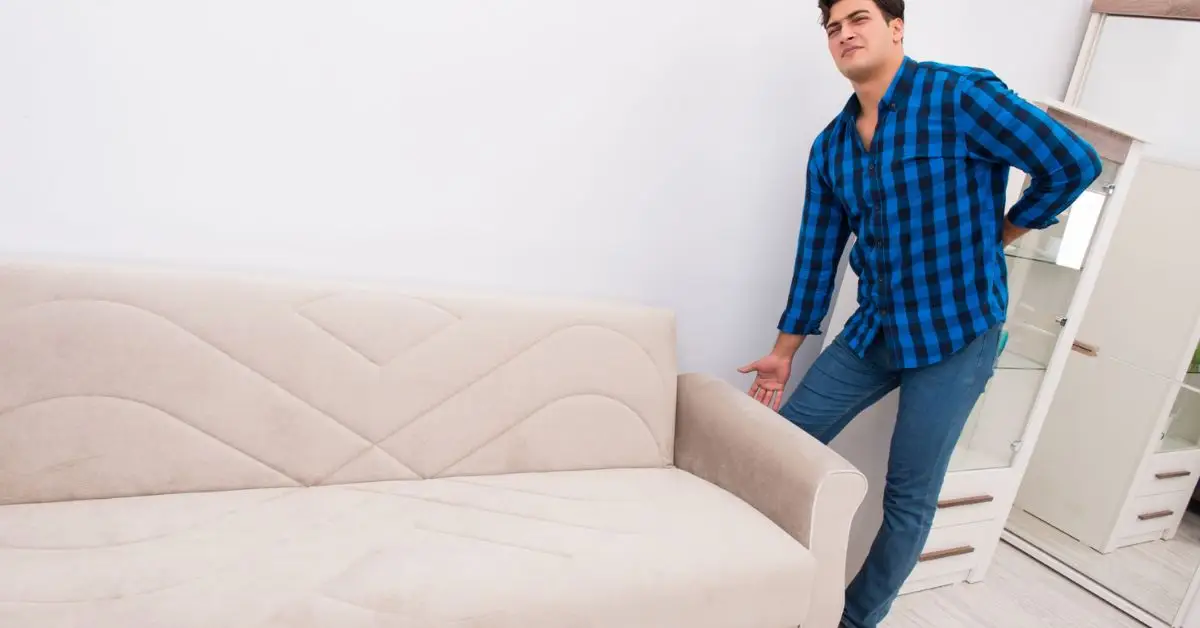
Sometimes, moving furniture just isn’t realistic. It’s too heavy, too awkward, or simply not worth the risk—and that’s okay. What matters is knowing how to clean smartly around it instead of forcing your body into bad positions.
You don’t need to reach every inch underneath to make a real difference.
Perimeter Cleaning First
One approach I rely on is perimeter cleaning—focusing on the edges where dust actually escapes into the room.
According to practical cleaning guidance shared by Real Simple, cleaning the outer 6 to 12 inches around heavy furniture removes most of the dust that affects air quality.
Here’s how I do it safely:
- Vacuum or wipe only as far as you can reach comfortably
- Keep one knee slightly bent instead of folding forward
- Work in sections so you’re not staying in one position too long
This method alone handles the majority of dust movement without putting your back at risk.
Use Flashlights and Low-Profile Tools for Visibility
A big reason people strain their back is poor visibility. You lean further because you can’t see what you’re reaching for.
A simple fix:
- Use your phone flashlight to scan under furniture first
- Identify dusty zones before you reach in
- Use low-profile tools so your arm—not your spine—does the work
Why this matters: when you know exactly where the dust is, you avoid unnecessary bending and overreaching. That’s especially helpful for furniture that truly can’t be moved.
Trick 5 — Safe Heavy Lifting: Techniques for Occasional Moves
There will be times when you do need to move furniture for a deep clean. The mistake isn’t moving it—it’s moving it the wrong way.
I want you to think of this as controlled repositioning, not lifting.
Use Assistive Tools the Right Way
Tools like dollies, lifting straps, or hand trucks exist to protect your body—but only if you use them correctly.
Keep these rules in mind:
- Push or pull with your legs, not your back
- Pivot your feet when changing direction instead of twisting your torso
- Keep furniture close to your body for better control
Even a small shift is enough to clean safely underneath. You’re not trying to redecorate the room.
Ask for Help — Partner Moves Without Strain
If a piece feels even slightly risky to move alone, it probably is.
When working with someone else:
- Communicate before moving—count it out
- Move slowly and in straight lines
- Stop immediately if either of you feels strain
Quick Routine to Keep Under Furniture Clean (No-Pain Weekly Plan)
The easiest way to protect your back is to never let buildup get out of control.
This simple routine keeps things manageable: If you’re trying to build a simple, sustainable cleaning habit beyond just under-furniture areas, these effective home cleaning methods can help you stay consistent without overloading your body.
- Daily: Let a robot vacuum run if you have one
- Weekly: Use a reach duster or flat mop for perimeter passes
- Monthly: Do a light furniture shift using sliders or help
Why this matters: frequent, low-effort cleaning prevents the need for painful deep cleans. Your back stays safe because nothing ever gets heavy or urgent.
Let me ask you—would you rather spend a few minutes each week staying upright, or one long session bent over and sore the next day?
Tool & Product Recommendations (Back-Friendly Picks)
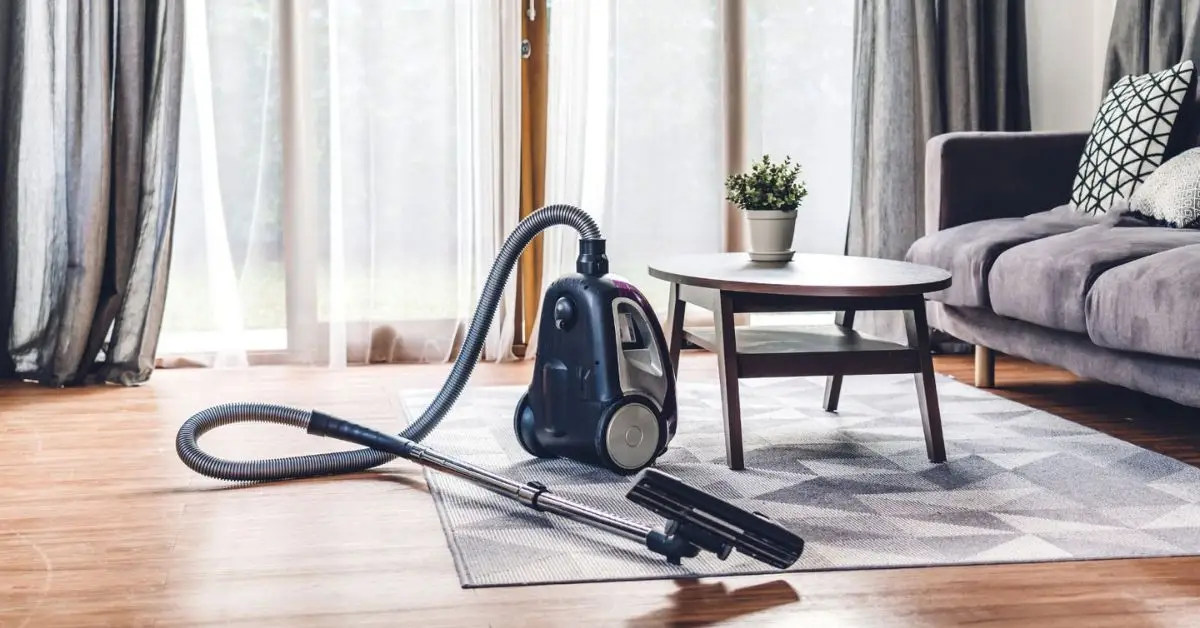
You don’t need fancy gadgets, but you do need the right kind of tools. The difference between back pain and a smooth clean often comes down to whether a tool lets you stay upright—or forces you to bend.
Here are the options I trust because they reduce strain in real use, not just in product descriptions:
- Long-reach vacuum attachments: These let you clean deep under beds and sofas while keeping the vacuum body upright. Less crouching, less pressure on your lower back.
- Flexible vacuum wands: A flexible wand bends for you, so your spine doesn’t have to. This is especially useful around couch frames and awkward angles.
- Flat microfiber mops or dusters: Their low profile slides easily under furniture, meaning you don’t need to kneel or twist to reach dust.
- Furniture sliders: Sliders turn lifting into gentle pushing. You can reposition heavy furniture just enough to clean without putting sudden load on your back.
- Furniture risers: Raising furniture even a couple of inches makes ongoing cleaning easier and robot-vac friendly, reducing how often you need to move things at all.
Safety Checklist Before You Get Started
Before you clean under heavy furniture, take one minute to set yourself up properly. It sounds simple, but this step prevents most injuries I see people deal with later.
Use this quick checklist every time:
- Check your posture first: Stand tall, keep your spine neutral, and remind yourself to bend at the knees and hips—not the waist.
- Wear gloves: They improve grip and protect your hands so you’re not tensing up or slipping unexpectedly.
- Protect your floors: Place felt pads, cardboard, or sliders under furniture legs to avoid scratches and sudden jerks. If you’re working around wood furniture, it also helps to know how cleaning and friction affect its finish—especially if discoloration is already visible, like in these proven ways to fix orange tones in wood furniture.
- Plan your movement path: Know where you’re moving furniture before you move it. Clear obstacles so you’re not twisting mid-step.
Why this matters: a little preparation keeps your movements controlled, which is exactly what your back needs.
Wrapping It All Together
Cleaning under heavy furniture doesn’t have to be a test of strength or flexibility. When you use smart tools, move with intention, and clean a little more often, your back stays protected—and your home stays healthier.
The goal isn’t perfection. It’s finding a way to keep things clean without paying for it later in pain.
If you found these tips helpful, I’d love to hear from you. Which trick do you think will make the biggest difference in your home? Drop your thoughts in the comments.
And if you’re serious about maintaining and improving your home the right way, explore more practical, no-nonsense guides at Build Like New—where we focus on solutions that actually work in real homes.
Disclaimer: This content is for general information only. It does not replace professional medical or physical therapy advice. If you have existing back pain, injuries, or mobility issues, consult a qualified healthcare provider before attempting to move heavy furniture or change your cleaning routine.