6 Things Homeowners Should Avoid Cleaning With Lint Rollers
I’ve always loved the simplicity of a lint roller. You just peel, roll, and suddenly your clothes look neat again. But here’s the thing — that sticky sheet isn’t as harmless as it seems. It’s designed to grab lint, dust, pet hair, and crumbs, but the adhesive can leave behind a tiny residue that quietly damages certain surfaces.
You might think, “Well, it works on my sweater, so it should work everywhere, right?” Not quite. That same adhesive that tugs hair off your jacket can pull threads from delicate fabrics, strip paint from hand-painted surfaces, or even leave a sticky film on glass. I’ve seen it happen — and it’s one of those small mistakes that can cost you a lot if you’re not careful.
Understanding how the roller works helps you avoid these mishaps. Essentially, it’s a layer of sticky sheets that picks up debris through adhesion. The stronger the stick, the more it can damage sensitive items. That’s why I always ask myself before rolling: Is this surface really meant to meet sticky glue?
By knowing its limits, you can still enjoy all the convenience of a lint roller — without accidentally ruining your favorite things. Later in this article, I’ll show you the exact surfaces I never touch with a roller and what I use instead.
Hand-Painted and Intricate Surfaces
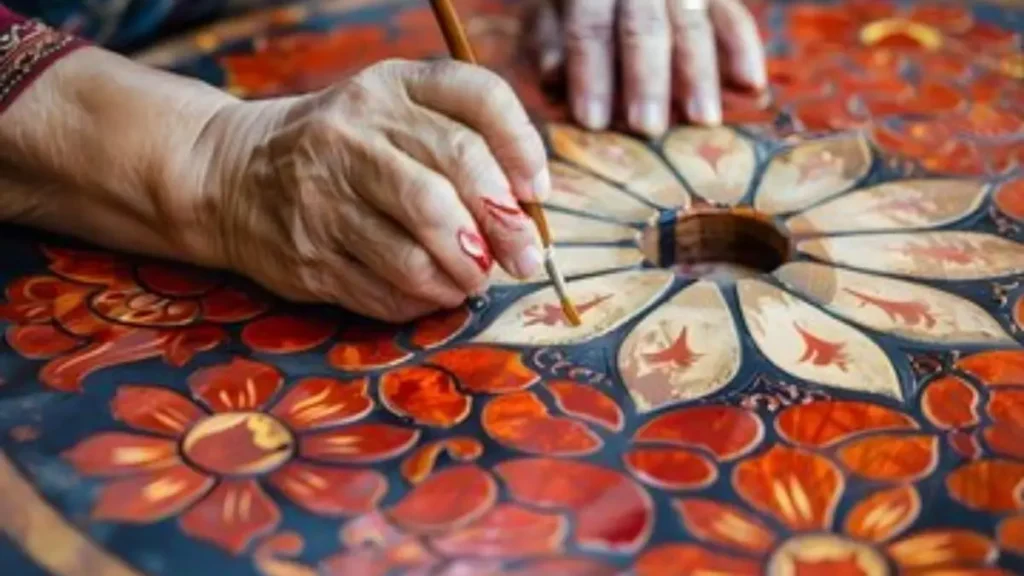
I remember once trying to clean a hand-painted glass lampshade with a lint roller. Big mistake. The adhesive tore off tiny bits of paint, leaving the shade looking patchy. According to The Spruce, hand-painted or intricately carved items are a no-go for sticky rollers.
It’s not just lampshades — any sculpted surface or delicate figurine can suffer the same fate. If you press too hard, you might even snap a fragile piece. Instead, I always grab a soft-bristle paintbrush. It reaches tiny nooks, lifts dust gently, and leaves your artwork intact.
The takeaway? Just because it’s dusty doesn’t mean it’s a roller candidate. Think of it as handling treasure — slow, careful, and with the right tool. Have you ever ruined a delicate item thinking a lint roller would be safe?
Loosely-Woven Textiles
If you love textured fabrics like bouclé upholstery, burlap placemats, or fiber art wall hangings, here’s my advice: leave the lint roller in the drawer. The adhesive can snag threads, pull fibers, and cause permanent damage. It’s easy to underestimate how much force a sticky sheet exerts.
Instead, I use a vacuum with a piece of netting over the upholstery tool. It gently lifts dust without tugging on the threads.
It’s slower than a roller, yes, but your fabric will last longer. Trust me — I’ve learned the hard way that one quick roll isn’t worth ruining a beautiful textile.
When you’re cleaning delicate fabrics or textured upholstery, it’s also worth checking out 5 easy tricks to clean under heavy furniture without straining your back — some of the same techniques for gentle suction work perfectly here too.
Embellished or Napped Fabrics
Sequins, embroidery, suede, velvet… these are fabrics that feel fancy for a reason. But the sticky roller? It’s a fabric’s worst enemy. I’ve seen adhesive lift sequins, flatten the nap of velvet, and even leave a dull residue behind.
Your favorite sweater or couch cushion can lose its charm in seconds.
What I do instead is reach for a gentle fabric brush or, for quick touch-ups, a reusable rubber roller. It lifts dirt without sticking to the fibers. If you care about the look and feel of your clothes or furniture, this small swap is a lifesaver.
By the way, I sometimes share quick home-cleaning hacks and mini-tips on WhatsApp — little tricks you can try right now, like removing tricky fabric stains or dust from delicate surfaces.
Artwork

Artwork is another area where lint rollers can do more harm than good. I’ve tried rolling a canvas once, and while I didn’t notice immediate damage, the paint layer had loosened in spots. The adhesive can also leave residue on framed glass, attracting more dust later.
For unframed artwork, I always use a clean, soft paintbrush. For framed pieces, I lightly dampen a microfiber cloth and gently wipe the glass.
Never spray cleaner directly — it can seep in and ruin the work. Keeping your art dust-free doesn’t have to mean risking it with sticky sheets.
For fabrics that need extra care, some of the old-school home cleaning hacks you probably forgot about can actually make a big difference in keeping delicate textures looking new.
Electronics and Vinyl Records
When it comes to screens and vinyl, lint rollers are a big no. I’ve rolled one across a phone screen before, and while it picked up a few specks, the residue it left behind could have scratched the surface over time.
The same goes for vinyl records — residue can make your favorite tracks skip.
I prefer a microfiber cloth for electronics, and a soft anti-static brush for records. It takes a bit more time, but it preserves the lifespan of your devices and media. Have you ever seen a record skip after a “quick clean”? That’s exactly why I stick to safer tools.
Pets
It’s tempting to roll your lint roller over your dog or cat to pick up stray hair. I used to think it was fine too — until I realized the adhesive can stick to their fur.
When they lick themselves, they ingest tiny sticky bits. Not fun, and definitely not safe.
Instead, I groom pets with a proper brush. It removes hair, dirt, and even dandruff without leaving residue. Plus, most pets seem to enjoy it (or tolerate it) way more than the terror of a sticky roller rolling over their back.
Reusable & Safer Alternatives
I know how convenient a lint roller is — I use one almost daily. But after seeing all the things it can damage, I switched to safer, reusable tools. A sticky rubber roller that you rinse after each use is a game-changer. No waste, no leftover adhesive, and it lasts forever.
Microfiber cloths are my go-to for screens and glass. A soft-bristle brush works wonders on delicate textiles and artwork.
And for pet hair, a proper grooming brush beats a sticky sheet every time. These simple swaps protect your items and keep your home cleaner in the long run.
And while we’re talking about handy household tricks, you might be surprised by 10 clever ways ketchup can solve everyday household problems — a few of these hacks even help with quick fabric spot fixes.
Checklist: Things You Should Never Clean With a Lint Roller
- Hand-painted or intricately carved surfaces
- Glass lampshades, sculptures, decorative items
- Loosely-woven textiles
- Bouclé upholstery, burlap placemats, fiber art wall hangings
- Embellished or napped fabrics
- Sequins, embroidery, metal studs, suede, velvet, cashmere
- Artwork
- Unframed canvas or framed under glass
- Electronics and vinyl records
- Phone, TV, computer screens, and record grooves
- Pets
- Dog or cat fur — adhesive residue can be ingested
If you keep this list in mind, you can enjoy the convenience of a lint roller without ever risking damage.
So, I’m curious — have you ever accidentally ruined a delicate item with a lint roller? Or do you have a favorite alternative that works like magic? Share your experiences — I’d love to hear how you keep your home lint-free safely.
If you enjoyed these tips, you can find more quick hacks and home-cleaning ideas on our X page or join our Facebook group to swap tricks with other smart homeowners.
Disclaimer: The information in this article is for general guidance and educational purposes only. Always test cleaning methods on a small, inconspicuous area first. The author and website are not responsible for any damage to items resulting from cleaning attempts.