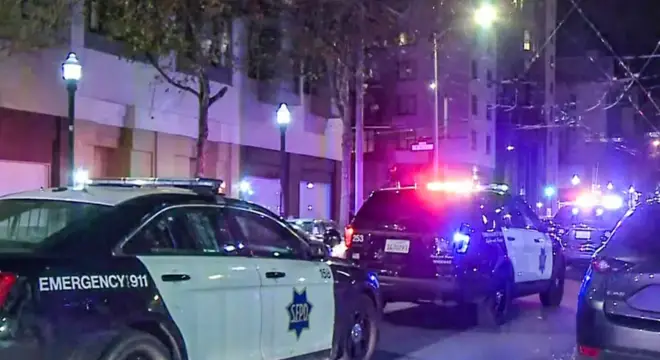
Olney House Fire Leaves Family of Five Without Home
When I read about this Olney house fire, the first thing that struck me wasn’t the flames—it was the timing. Just after 3 a.m., when most families are asleep and completely unprepared, a rowhome in Philadelphia’s Olney neighborhood suddenly turned unsafe.
Five people were forced out of their home within minutes. No warning. No time to gather belongings. Just the urgency to get out alive.
If you’ve ever been woken up suddenly in the middle of the night, you know how disorienting that moment feels. Now imagine realizing your house is on fire. That’s the reality this family faced early Tuesday morning, and it’s something most news reports mention quickly but don’t pause on.
The fire didn’t just damage a building—it instantly displaced an entire household. By sunrise, they had no home to return to, only uncertainty about what comes next.
Stories like this matter because they’re not rare or distant. They happen on quiet residential blocks, in communities just like yours.
Let me ask you this: if a fire broke out in your home at 3 a.m., would everyone inside know how to get out safely?
Fire Breaks Out on West Nedro Avenue Around 3 A.M.
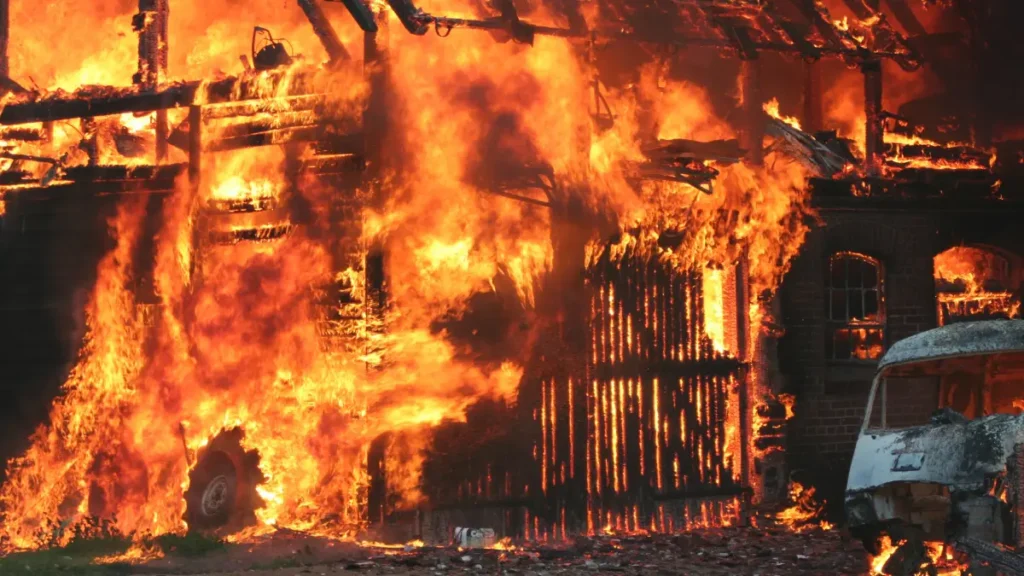
According to NBC Philadelphia, the Olney house fire broke out around 3:05 a.m. along the 100 block of West Nedro Avenue, a quiet residential stretch where most people were asleep at the time.
Firefighters were dispatched quickly after reports of flames coming from a rowhome in the area. At that hour, even a small delay can turn dangerous, which is why early reporting matters here. This wasn’t a daytime incident with visible smoke and alert neighbors—it happened when the neighborhood was dark and silent.
If you live in a rowhome or a closely packed area like Olney, this detail should hit close to home. Fires spread fast in these settings, especially when they start unnoticed.
Adult Son Alerts Family, Everyone Escapes Safely
This is the moment that likely saved lives.
Family members told that an adult son burst out of his bedroom after noticing the fire and immediately alerted the rest of the household. Everyone else was asleep.
Think about that for a second. No smoke alarms mentioned. No outside warning. Just one person reacting in time.
Because of that quick action, all five family members were able to escape before the situation turned deadly. Many fire stories don’t end this way, especially during early-morning hours.
It’s a reminder that awareness—even for a few seconds—can make the difference between escape and tragedy.
Firefighters Contain the Flames Within Minutes
Philadelphia firefighters arrived and moved fast.
Officials said the flames were contained by about 3:20 a.m., roughly 15 minutes after crews were called. That response window matters, especially in a rowhome where fire can easily spread to neighboring houses.
While the structure suffered damage, the quick containment prevented a larger disaster on the block. No neighboring homes were reported damaged, and the fire did not escalate beyond the initial property.
For residents nearby, this kind of response is reassuring—but it also shows how little margin for error there is in overnight fires.
Similar fast responses have helped prevent injuries in other fires too, including a recent case where a home in Alabama was damaged by fire but no injuries were reported.
Cause of the Olney House Fire Still Under Investigation
As of early morning, officials had not confirmed what caused the fire.
The family, however, told they were concerned it may have been an electrical issue. That detail stands out because electrical fires are common in older homes and often start silently, without visible warning.
Right now, investigators are still working the scene, and no official cause has been released. Until that happens, everything remains preliminary.
If you live in an older rowhome, this part of the story shouldn’t be ignored. Electrical problems are easy to overlook—until they aren’t.
Investigations like this often take time, especially in severe cases such as a Rockfield home that was declared a total loss after a structure fire.
No Injuries Reported, Red Cross Steps In to Help

Despite the damage and chaos, there was one piece of good news: no one was injured in the Olney house fire.
Still, the family has nowhere to stay. Officials said the American Red Cross is now working with them to provide temporary housing and support.
This is the part of fire stories that often gets overlooked. Surviving the fire is only the first step. Displacement, paperwork, temporary shelter, and emotional stress follow immediately after.
If you’ve never had to leave your home with nothing but the clothes you’re wearing, it’s hard to grasp how sudden and overwhelming that shift can be.
What do you think is the hardest part after a house fire—escaping the danger, or starting over the next day?
Family Fears Pets May Have Been Lost in the Fire
Once the immediate danger passed, another fear set in for the family.
They told officials they were worried that a cat and a kitten may have been trapped inside the home when the fire broke out. At the time crews were still working the scene, and the family said they were holding on to hope that the animals had managed to hide or escape.
If you’ve ever had a pet, you already know this pain. Pets don’t understand alarms or urgency. They hide when they’re scared. And in fires, that often makes rescue harder.
This part of the story matters because it shows the emotional cost that doesn’t always make headlines. Losing a home is devastating—but not knowing whether your pets are safe can be unbearable.
Displacement after fires is becoming more common nationwide, as seen in incidents like a Massachusetts home explosion that led to a house fire and left six people displaced.
What This Fire Means for Olney Residents?
This Olney house fire wasn’t just an isolated incident—it’s a reminder of how quickly normal life can change in residential neighborhoods.
Early-morning fires are especially dangerous because people are asleep and reaction time is slower. In areas with rowhomes like Olney, fire can also spread fast if not caught early.
If you live nearby, this isn’t just someone else’s story. It’s a quiet warning. Fires don’t announce themselves, and they don’t wait for daylight.
Moments like this push communities to take safety more seriously—before the next emergency happens.
Residents often share quick safety alerts and neighborhood updates during incidents like this, especially when information is still developing.
A Quick Safety Reminder for Rowhome Residents
I don’t believe in fear-based advice, but practical reminders matter.
If you live in a rowhome or older house:
- Make sure smoke alarms actually work, especially near bedrooms
- Don’t ignore flickering lights or frequent breaker trips
- Talk with your family about how you’d get out if a fire started at night
You don’t need to overhaul your life. Small checks can prevent big losses.
Stories like this one aren’t meant to scare you—they’re meant to prepare you.
Final Thoughts
Right now, the cause of the Olney house fire has not been officially confirmed, and investigators are still working to determine what sparked the flames.
As more details are released, this story may be updated. For now, one thing is clear: a family escaped safely, but their lives were upended in minutes.
What’s one fire safety step you’ve been putting off at home? Sometimes, reading about someone else’s loss is the reminder we all need.
If stories like this matter to you, we share local fire incidents, safety reminders, and real updates regularly on X and in our community on Facebook.
Disclaimer: Information in this article is based on official statements and reports available at the time of publication. Details, including the cause of the fire, may change as investigators release more information.