Garage Fire Nearly Destroyed a Home — 8 Lessons Every Homeowner Must Know;p8
I still remember reading about a garage fire in Greene County, Tennessee, that could have turned a quiet evening into a total disaster. The smoke started rising from a detached garage, and if it weren’t for a neighbor spotting it in time, the whole house might have gone up in flames. I can’t help but think how close that family came to losing everything—and how a few quick, smart actions made all the difference.
What struck me most was how ordinary neighbors—people like you and me—stepped in without hesitation. One alerted the homeowner immediately, and another grabbed a hose to keep the fire from reaching the house. The garage was destroyed, yes, but the home was saved. That story stuck with me, and it’s why I want to walk you through the safety lessons it teaches. Because when it comes to preventing garage fires, understanding the risks and acting fast can literally save your home—and peace of mind.
Understanding the Risk: Why Garages Are Fire Hotspots
I’ve spent years helping homeowners understand fire risks, and I can tell you—garages are one of the trickiest spots in your home. You might think of your garage as just a storage space or a place to park, but the combination of flammable materials, electrical gadgets, and sometimes even vehicles makes it a real tinderbox.
Some of the most common ignition sources I see include:
- Overloaded power strips – It’s tempting to plug everything into one outlet, especially freezers, washers, or extra tools, but this draws too many amps. Steve Lockwood, an expert in fire protection, explains that residential circuits aren’t built for this, and a spark can turn into a fire in seconds.
- Space heaters near combustibles – Many of us use portable heaters in the winter, but placing them close to cardboard, cloth, or oil rags is risky. I’ve seen small sparks quickly turn into larger fires.
- Fuel leaks – From lawn mowers, cars, or gas containers, even a tiny vapor can ignite if it meets a spark.
- Lithium batteries – With e-bikes and scooters becoming common, these batteries are a growing fire risk if overcharged, stored improperly, or exposed to heat.
Garages are dangerous because they’re often detached or semi-detached from the house, which delays fire detection. That means a fire can grow unnoticed for longer than it would in a living space. Understanding these risks is the first step—you can’t prevent a problem if you don’t know what you’re up against.
Lesson 1: Smart Storage — The First Line of Defense
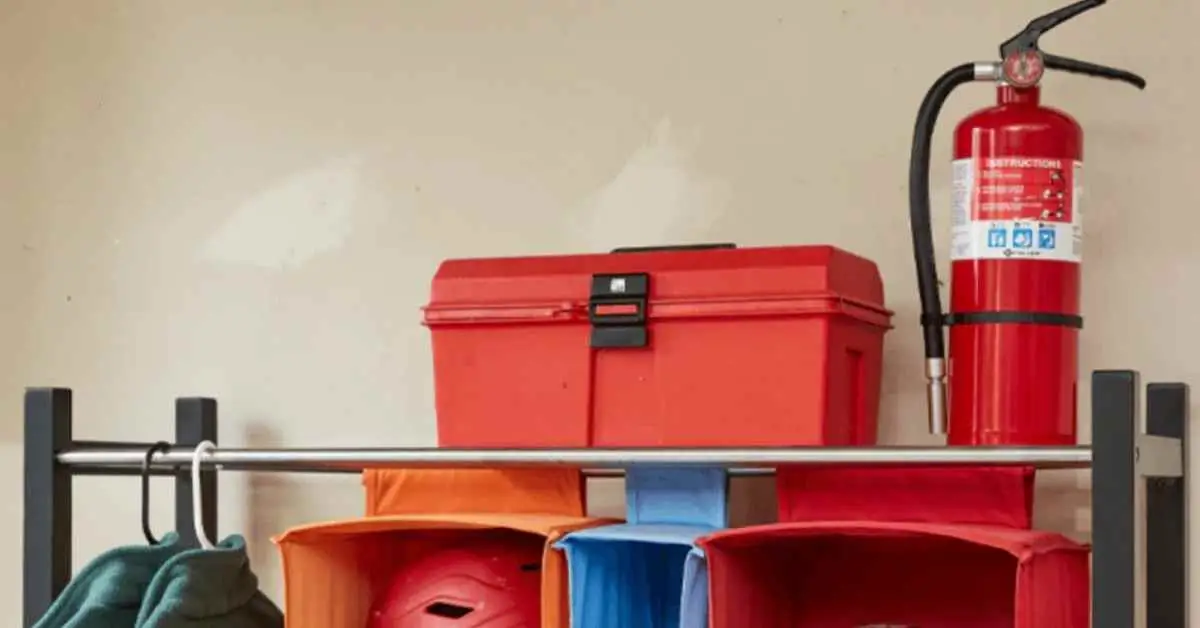
When it comes to preventing garage fires, storage is where you can make the biggest difference with the least effort. I always tell people: “If you have flammables in your garage, treat them like they’re ticking time bombs.”
Here’s what I do, and what I recommend you do too:
- Use approved containers – Store gasoline, paint, and other flammable liquids only in containers designed for them. Ordinary bottles or open cans are an invitation for disaster. If you want a full list of items you should never leave there, check out 5 things you should never leave in your garage this winter to protect your money
- Keep heaters away from combustibles – Cardboard boxes, cloth rags, or oil-soaked materials need to stay far from any heat source.
- Declutter regularly – Excess clutter isn’t just messy—it’s fuel for a fire. Shelving, cabinets, and a routine tidy-up can dramatically reduce risk.
For extra guidance on proper storage and fire safety, I often refer homeowners to resources like USFA’s basement and garage fire prevention guide, which is packed with practical tips you can implement immediately.
Lesson 2: Electrical Safety — Prevent Fires Before They Start
I can’t stress this enough: most garage fires start with electricity, and a few simple precautions go a long way. I like to walk through garages with homeowners and point out small but dangerous habits that could spark a fire.
Here’s a checklist you should follow:
- Don’t overload circuits or daisy-chain power strips – Plugging multiple strips into each other might seem convenient, but it creates a serious fire hazard.
- Inspect cords regularly – Frayed or damaged cords can ignite at any time. Replace them immediately.
- Stick to safe amperage – Most residential circuits handle 15–20 amps. Avoid plugging in too many devices at once.
- Consider upgrades – Installing GFCI outlets or updating old circuits can prevent overloads and give you peace of mind.
By taking these steps, you’re not just following rules—you’re actively reducing the chance of a fire starting in the first place. I always tell homeowners, “It’s much easier to prevent a fire than to fight one.”
Lesson 3: Modern Tech Hazards — Batteries & Tools
If there’s one thing I’ve noticed in recent years, it’s how much technology has changed the risks in our garages. I see homeowners with e-bikes, scooters, and cordless tools, and I always pause to ask: “Do you know how to store and charge these safely?” Many don’t, and that’s where fires often start.
Here’s what I make sure to check and recommend:
- Proper lithium-ion battery storage – Batteries from e-bikes, scooters, and even some power tools should be kept in cool, ventilated areas. Avoid leaving them in hot garages or near sunlight.
- Never charge on extension cords – It might seem convenient, but extension cords can overheat and trigger a fire. I always tell homeowners to plug devices directly into a wall outlet.
- Heat detector coverage for modern tools – If you have EV chargers, power tools, or multiple batteries in your garage, consider installing a heat detector to catch problems early.
Lesson 4: Ventilation and Temperature Management
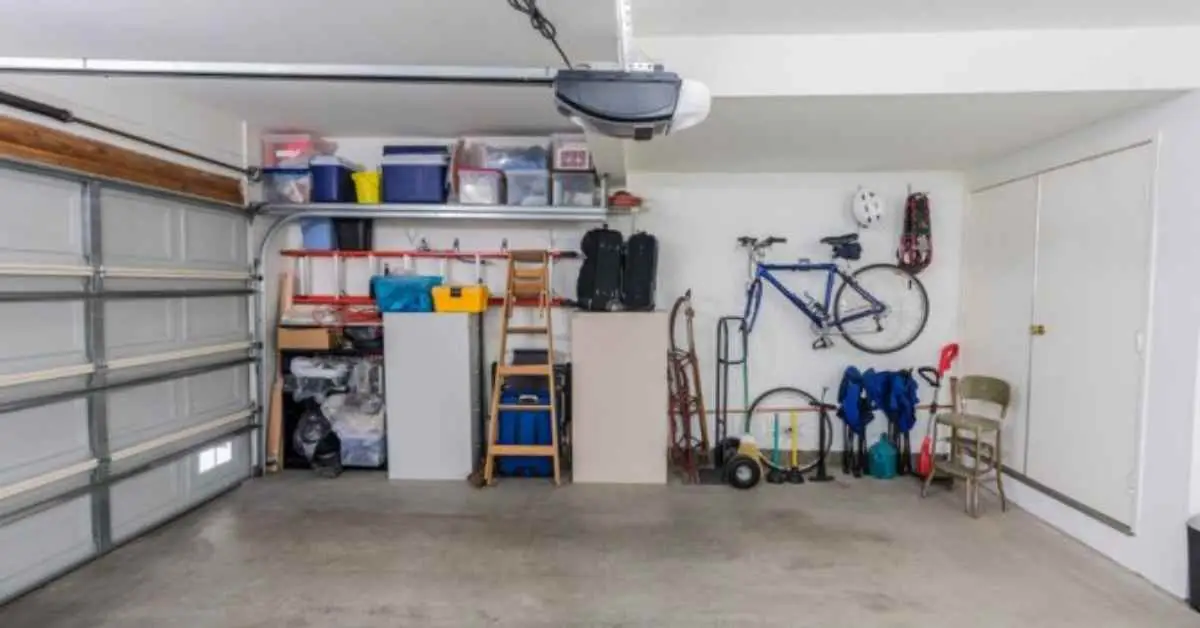
I often find that people underestimate the role of airflow in preventing fires. A stagnant garage full of fumes, heat, and dust can become a tinderbox before you even realize it. I like to keep it simple: if your garage can breathe, it’s much safer.
Some practical steps I always follow:
- Ensure proper ventilation – Keep windows or garage doors slightly open when possible, especially when running engines or charging devices.
- Separate heaters from flammables – Space heaters are fine, but never let them sit near cardboard, oil rags, or other combustibles.
- Reduce heat accumulation – Hot equipment, battery chargers, and direct sunlight all add to risk. Even a few minutes of attention can prevent a dangerous buildup. Proper airflow and visibility are key to spotting potential hazards—consider combining ventilation improvements with 10 garage lighting ideas that instantly upgrade your space for better safety and usability.
If you want a solid guide on airflow and fire-safe garage setups, First Alert’s fire safety tips have practical recommendations that are easy to implement.
Lesson 5: Fire Detection and Suppression
Here’s where things get very real: even if you’ve done everything else right, a fire can still start. That’s why detection and suppression are crucial. I always tell homeowners, “Plan for the worst, hope for the best.”
Here’s my approach:
- Smoke detectors vs. heat detectors – In garages, heat detectors are often more reliable. Smoke alarms can be triggered by dust or humidity, but heat detectors respond to actual dangerous temperature rises.
- Keep a serviceable fire extinguisher nearby – A small Class ABC extinguisher can stop a fire in its early stages. I also recommend checking it monthly.
- Backup options – Fire blankets, buckets of sand, or even water hoses (if safe) can give you extra protection.
- Call 911 immediately if things get out of control – No action is worth risking your life. I always tell homeowners to be proactive but smart.
By combining modern tech awareness, proper ventilation, and ready-to-use suppression tools, you’re giving your garage a fighting chance—and protecting the rest of your home.
Lesson 6: Cleanliness & Organization
One of the simplest steps that’s often overlooked is keeping your garage clean and organized. I’ve walked into garages that look fine at first glance, but a closer look shows piles of cardboard, old rags, and random flammables stacked near the walls. Those small habits make a big difference in how a fire could spread—or how easily you could respond to it.
Here’s what I recommend:
- Declutter pathways – Make sure exits and walkways are clear. In an emergency, every second counts. Decluttering your garage doesn’t have to be overwhelming—you can follow these 8 easy DIY garage storage hacks to clear clutter fast and make your space safer.
- Use shelving and cabinets – Store flammable liquids, paints, and tools in proper containers on shelves or in cabinets rather than on the floor.
- Avoid stacking combustibles near walls or doors – Fires often start and spread along walls, so keep these areas clear.
Keeping your garage tidy isn’t just about aesthetics—it’s about giving yourself a fighting chance if something goes wrong.
Lesson 7: Daily Behavior Habits That Prevent Fires
I’ve noticed that the most preventable garage fires usually start with everyday habits. Changing a few routines can save your home. You don’t need complicated equipment—just awareness and consistency.
Here are some daily habits I always follow:
- Never smoke in the garage – It might seem obvious, but smoking indoors is a huge risk.
- Let engines and tools cool before storing – Hot engines or tools touching flammable surfaces can ignite materials in an instant.
- Avoid leaving flammable materials near heat sources – Space heaters, hot lights, or battery chargers can be dangerous if flammables are nearby.
- Check cords, heaters, and storage regularly – A quick glance once a week can catch frayed cords, overloaded outlets, or misplaced flammables before they become a problem.
These small actions add up. When I teach clients, I always say: “You can’t prevent everything, but you can prevent most of it.”
Lesson 8: Community & Neighbor Awareness
One thing the Greene County story really drove home for me is that fire safety isn’t just about your own garage—it’s about your neighbors too. Fires can spread, smoke can travel, and having a community that knows what to do makes a huge difference.
Some ways to foster that awareness:
- Share fire safety tips with neighbors – A quick conversation about how to store flammables or check detectors can save a home down the street.
- Map emergency contacts and escape plans – Know who to call, and plan how everyone would evacuate if a fire starts.
- Promote neighborhood drills or check-ins – Practicing small fire response steps builds confidence and readiness.
When I think about it, the neighbors in Greene County didn’t just save a house—they acted as a community. That’s a lesson worth remembering.
Optional: Quick Garage Fire Prevention Checklist
To make it easy to put these lessons into practice, I like to create a short checklist. You can keep it on your fridge or near the garage door and go through it monthly.
- Declutter pathways and work areas
- Inspect electrical cords and outlets
- Store flammables safely in approved containers
- Ensure proper ventilation
- Place a fire extinguisher and test alarms
- Avoid risky habits like smoking or leaving heaters near combustibles
Following this checklist doesn’t guarantee you’ll never have a fire, but it dramatically reduces the chances—and it gives you peace of mind knowing you’re prepared.
Bringing It All Together
Thinking back to the Greene County garage fire, I can’t help but be reminded how much a few smart actions—and a little community awareness—can prevent a disaster. You’ve seen how simple steps like proper storage, electrical safety, ventilation, and keeping flammables away from heat sources can make a real difference. Modern hazards like lithium batteries or EV chargers add new risks, but with awareness and preparation, you can protect your home and your family.
The truth is, preventing garage fires isn’t about luck—it’s about being proactive, observant, and ready. I’ve shared these lessons because I’ve seen how quickly a situation can escalate, and how even small, consistent habits can save a home.
I’d love to hear from you: What steps have you taken to make your garage safer? Drop your thoughts or tips in the comments below—I read every one. And if you want more expert advice on home safety, renovation, and building smart spaces, check out more resources at Build Like New. Let’s keep our homes safe, together.
Disclaimer: The information in this article is for educational and informational purposes only. It is not a substitute for professional fire safety advice. Always follow local regulations, manufacturer instructions, and consult certified professionals when handling flammable materials, electrical systems, or fire safety equipment.