Virginia Early Morning Home Fire Leaves Three Displaced
I want to walk you through what happened early Wednesday morning in Norfolk—because this isn’t just another “fire call” headline, it’s a real situation that forced three people out of their home before most of the city was awake.
Around 1:30 a.m., Norfolk Fire-Rescue crews were dispatched to a house in the 5200 block of East Princess Anne Road. When firefighters arrived, they saw flames burning on the outside of a two-story home. What looked like an exterior fire at first quickly raised concern about what might be happening inside.
As crews worked the scene, they found that the fire had already pushed into the attic. That’s a dangerous moment in any house fire—you and I both know how fast attic fires can turn a small incident into a total loss. Firefighters moved quickly, knocked down the attic fire, and stopped it from spreading further. Fire control was declared just before 1:50 a.m.
No one was hurt, and that matters. But three adults were displaced, and their night—and likely their next few weeks—changed instantly. The American Red Cross stepped in to help them, while the cause of this Norfolk house fire remains under investigation by the Fire Marshal’s Office.
If this happened on your street, would you know how quickly a fire can move from outside walls to your attic?
A Minute-by-Minute Look at How the Fire Unfolded

Here’s where the details matter, and this is something I always look for when reading local fire reports—the timeline. According to 13News Now, Norfolk Fire-Rescue received the call at 1:31 a.m. Crews were sent to a home in the 5200 block of East Princess Anne Road while most residents in the area were asleep.
When firefighters arrived, they were met with an active exterior fire on a two-story house. Less than 20 minutes later, at 1:48 a.m., fire control was officially declared. That short window tells you one thing clearly: the response was fast, and the situation was contained before it could spiral.
Quick emergency responses like this can make all the difference in saving lives. Similar cases, like the Colorado overnight house fire that left 2 dead and 1 injured, show how fires can escalate fast in the early hours.
For you as a reader—and as a homeowner or renter—that timeline shows how quickly things can change in the middle of the night.
How an Exterior Fire Reached the Attic So Quickly?
This is the part many reports gloss over, but it’s critical to understand. What started outside didn’t stay outside for long.
Fire crews discovered that the flames had traveled up the exterior of the home and into the attic. Once fire reaches an attic, the risk jumps fast.
You’re suddenly dealing with hidden spaces, insulation, and limited visibility—conditions that can turn a manageable fire into a full structural loss.
The fact that this fire reached the attic explains why residents couldn’t safely stay in the home, even though the blaze was put out quickly.
Firefighters Stopped the Fire Before It Spread Further
Here’s where trained response made the difference.
Firefighters located a small but active fire in the attic and put it out before it could spread deeper into the home. That step alone likely prevented major interior damage—or worse.
I want you to notice something important: this wasn’t luck. It was quick detection, fast coordination, and crews knowing exactly where to look once signs of interior spread appeared.
Many house fires don’t end this way.
No Injuries Reported—And That’s Not a Small Detail
In overnight fires, injuries are common. People are disoriented, asleep, or slow to react. That’s why this detail deserves its own space.
Norfolk Fire-Rescue confirmed that no civilians and no firefighters were injured. Everyone made it out safely, and crews were able to do their job without anyone being hurt in the process.
If you’ve ever woken up suddenly to an alarm or emergency lights outside, you know how chaotic those moments can be. The absence of injuries here is significant.
Three Adults Displaced, Red Cross Steps In
Even when a fire is contained quickly, the impact doesn’t end when the flames go out.
As a result of this Norfolk house fire, three adults were displaced and couldn’t return to their home. That means no safe place to sleep, no access to belongings, and an uncertain next step.
The American Red Cross is assisting those affected, helping with temporary shelter and immediate needs. This is the reality many headlines don’t explain well—fires don’t have to destroy a house completely to disrupt lives.
If you were forced out of your home at 2 a.m., would you know who to call or where to go next?
Displacement doesn’t always mean total loss, but the impact on daily life is immediate, as seen in cases like the Rockdale County house fire that left one dead and two severely injured.
What Norfolk Fire-Rescue Confirmed in Its Official Update?
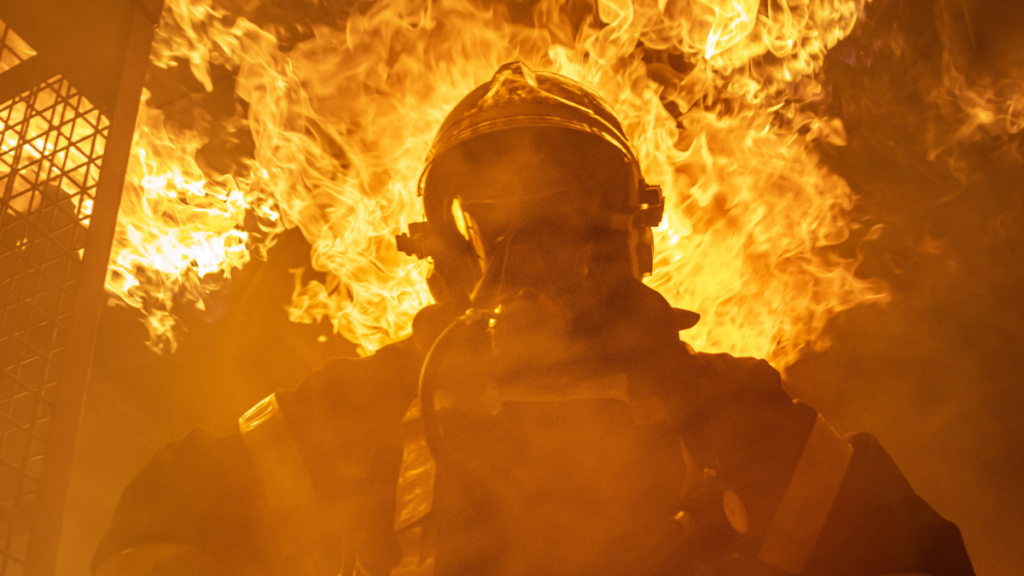
When you want the most reliable version of events, official updates matter. Norfolk Fire-Rescue shared details of this incident on its Facebook page shortly after crews cleared the scene.
According to the department, units were called to a residential structure fire off Princess Anne Road around 1:30 a.m. Firefighters found an exterior fire that had extended up the side of a two-story home and into the attic. Crews moved fast, stopped further extension into the home, and fully extinguished the fire.
The department also confirmed what many neighbors would want to hear first—no injuries were reported, and the Red Cross is assisting three adults who were displaced. That consistency between official updates and news reporting helps build trust in the information being shared.
Why Attic Fires Are Especially Dangerous in Residential Homes
I want you to pause here, because this detail often gets overlooked.
Once fire reaches an attic, the risk increases sharply. Attics are filled with dry materials, limited ventilation, and hidden spaces where flames can move without being seen. That’s why firefighters treat attic involvement as a serious escalation—even if the fire looks small from the outside.
In this case, early detection and fast action kept the fire from spreading deeper into the home. But not every situation ends that way, especially during early-morning hours when people are asleep.
If you want quick updates and tips about local incidents like this one, you can check alerts and discussions on WhatsApp where communities often share first-hand information.
What This Norfolk House Fire Tells You About Overnight Fire Risk?
There’s a reason so many serious house fires happen between midnight and dawn.
At that hour, reaction time is slower. Smoke alarms matter more. Escape plans matter more. And exterior fires—like the one in this case—can go unnoticed until they’ve already spread.
If you live in a two-story home, ask yourself this: would you notice an exterior fire before it reached your attic? This incident is a reminder that fires don’t always start inside kitchens or living rooms.
Attic fires are often overlooked, but they can cause serious damage in minutes, similar to incidents such as the California mobile home fire that injured a woman and killed two cats.
The Takeaway for Norfolk Residents Right Now
Here’s what I think matters most after reading and analyzing this incident.
Quick response saved lives. Firefighters stopped the spread before it turned into a larger disaster. But three people still lost the ability to stay in their home—and that can happen faster than any of us expect.
Take a moment to check your smoke alarms. Think about how an exterior fire could affect your home. And make sure you know who to call if you ever have to leave in the middle of the night.
If this fire had happened a few doors down from you, would you feel ready—or caught off guard?
For more local updates and safety stories, follow me on X and join our Facebook community where we share news, tips, and discussions regularly.
Disclaimer: This article is based on official updates from Norfolk Fire-Rescue and reporting available at the time of publication. Details about the cause of the fire may change as the investigation by the Fire Marshal’s Office continues. Information is provided for public awareness and should not be considered legal or safety advice.