9 Clever Uses for Old Pillows You Shouldn’t Throw Away
I’ve been there—you grab a new pillow, look at the old one, and suddenly feel stuck. It’s not flat enough to feel useless, but not clean or comfy enough to keep using on your bed. Tossing it feels wasteful. Keeping it feels wrong. Most articles jump straight into random DIY ideas, but they skip the one thing you actually want to know: is this pillow still useful in real life, or am I just hoarding junk?
When I analyzed the top-ranking pages, I noticed a pattern. Everyone repeats the same surface-level tips—pet bed, floor cushion, cleaning rags—without talking about safety, hygiene, or whether those ideas even make sense for the kind of pillow you have. There’s very little honesty about when reuse is smart and when it’s just delaying the trash can. That’s where people lose trust.
So in this guide, I’m not here to guilt you into “zero waste” perfection. I’m here to help you make a smart call. I’ll walk you through practical, safe, and actually useful ways to repurpose old pillows—things you can do at home without special tools or Pinterest-level effort. And just as important, I’ll be clear about when reusing a pillow is not the right move.
Before we get into the ideas, take a second and think about the pillow sitting in your closet right now. Do you want it to solve a real problem, or are you just trying not to throw it away?
Quick Safety Check Before Reusing an Old Pillow
Before I reuse any old pillow, I always pause and check one thing first—is this still hygienic enough to touch my body or my home? Most guides skip this step and jump straight into ideas, but that’s risky. Reusing a pillow that’s past its safe life doesn’t make you eco-friendly; it just brings hidden problems into your space.
If a pillow has a strong smell, visible yellowing, or feels lumpy and uneven, I don’t try to “fix” it. That clumping usually means the filling has broken down and is holding moisture. Over time, pillows can also collect dust mites, which can trigger allergies, skin irritation, or breathing issues. According to Healthline, dust mites thrive in old bedding and can’t always be removed fully, even after washing.
If you’re unsure whether a pillow is still safe to reuse, this guide on how to deep clean your pillows at home without expensive tools can help you figure that out before you decide anything.
I also look at the pillow type, because not all pillows age the same way.
Do a quick check like this:
- Visible mold or musty smell → not safe to reuse
- Hard clumps or flattened shape → support is gone
- Frequent sneezing or itching when handling it → possible allergen buildup
Material matters too:
- Memory foam pillows break down internally and are harder to clean deeply
- Fiber or polyester pillows are easier to repurpose if they’re still clean and intact
If a pillow fails this basic check, I skip reuse and move on. That one decision alone saves you from turning a “smart idea” into a health issue.
1. Turn Old Pillows Into Support Cushions for Neck, Knees, or Back
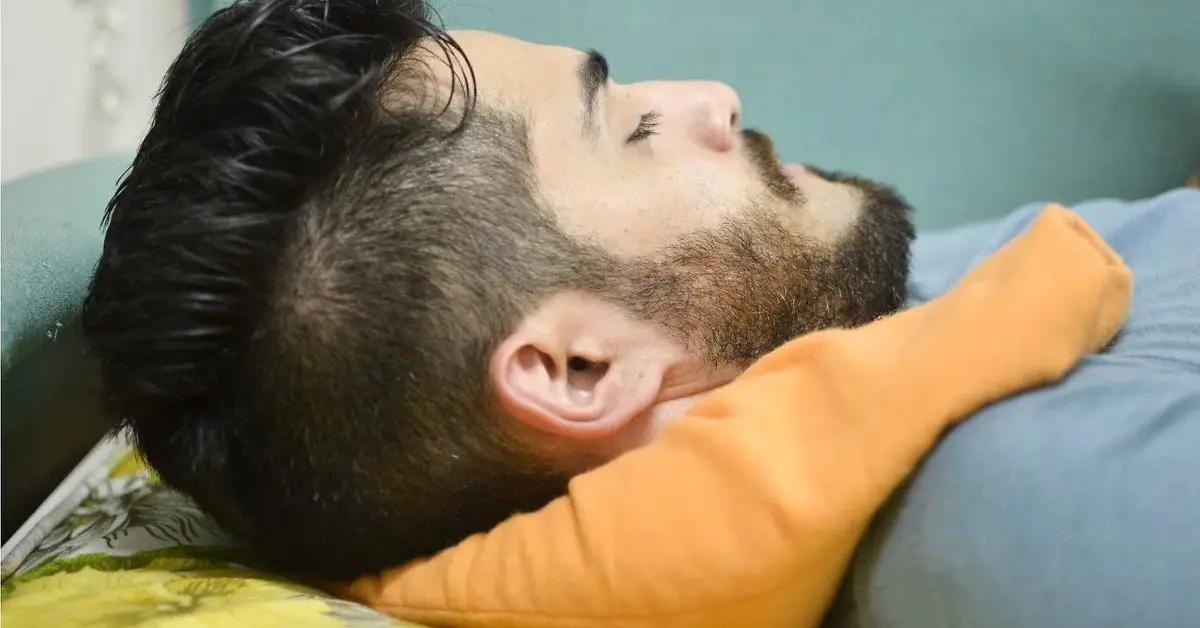
This is one of the most practical ways I reuse old pillows—because it solves real discomfort, not just clutter. If a pillow is no longer good for sleeping but still clean and supportive, it can work great as a body-support cushion.
I’ve used old pillows under my knees while sleeping, behind my lower back during long work hours, and even under my neck while reading. You don’t need perfect shape here; you need soft, steady support. Also keep in mind that comfort isn’t just about support—certain bedroom cleaning habits that could be ruining your sleep can affect rest quality even when your pillows feel fine.
Here’s how you can use it:
- Knee support for side sleeping to reduce hip and lower-back strain
- Lower-back cushion for office chairs or couches
- Neck support while watching TV or reading in bed
If the pillow feels too thick, I simply fold it or place it inside a tighter pillowcase. It’s a small adjustment, but it makes long sitting or sleeping positions much more comfortable.
2. Use Old Pillows as Floor Seating or Meditation Cushions
If you live in an apartment or small space, this idea makes a lot of sense. I don’t always want extra chairs lying around, and floor seating is an easy fix. An old pillow can become a soft, temporary seat without spending a dollar.
I’ve seen this work especially well in homes with kids or casual living spaces. You can stack two pillows, cover them with a sturdy case, and you’ve got instant floor seating. Just make sure extra pillows don’t end up creating visual clutter—some common bedroom styling mistakes can make even useful items look messy if they’re not placed thoughtfully.
Good uses include:
- Kids’ play areas where comfort matters more than looks
- Meditation or stretching support for knees and hips
- Extra seating for guests during game nights or movie time
If you want it to last longer, use a thick cover or an old pillowcase you don’t care about. It keeps things cleaner and makes the setup feel intentional, not improvised.
If you’re looking at your old pillow right now, ask yourself this—does it still offer comfort or support in any position? If yes, which of these uses fits your daily life best?
3. Repurpose Pillows as Draft Stoppers to Block Cold Air
This is one of those uses most people don’t think about—but once you try it, you’ll wonder why you didn’t do it sooner. I started using old pillows as draft blockers after noticing cold air sneaking in from under my door every winter. It wasn’t just uncomfortable; my heating bill was quietly climbing too.
An old pillow works surprisingly well at sealing gaps. You don’t need to cut or sew anything fancy. I’ve simply placed a pillow lengthwise against doors and low windows, and the difference is immediate. Blocking drafts helps your home stay warmer without constantly turning up the heat, which is exactly what the U.S. Department of Energy recommends for reducing energy loss.
Where this works best:
- Front and back doors with visible gaps
- Sliding doors or older windows that leak cold air
- Bedrooms in winter where temperatures drop at night
If the pillow looks bulky, I slide it into a long pillowcase or wrap it in fabric. It’s not about looks—it’s about comfort and lower energy use.
4. Make a DIY Pet Bed (Only If the Pillow Is Safe)

I see this suggestion everywhere, but most articles skip the safety part—and that’s a problem. I only turn an old pillow into a pet bed if I’m confident it’s clean, odor-free, and structurally intact. Pets spend hours lying on these things, so shortcuts don’t make sense.
From experience, fiber-filled pillows work better than memory foam. Foam can trap heat and break into pieces over time, which isn’t great for pets. I also never leave the pillow uncovered. A strong cover or liner is essential.
If you’re making a pet bed, do this:
- Use a zippered or tightly stitched cover
- Avoid loose foam or exposed filling
- Wash the cover regularly
Many pet owners share real-world DIY setups and mistakes in Reddit’s dog-owner communities, which reinforces one key takeaway: simple is fine, but safety comes first.
5. Use Pillow Filling for Craft, Sewing, or Stuffing Projects
This one is perfect if you like practical DIY, even at a basic level. When a pillowcase is done but the filling is still clean, I don’t throw it away—I reuse the stuffing.
You don’t need to be a serious crafter to make this useful. I’ve used pillow filling to refill flattened cushions and add padding to homemade items instead of buying new stuffing.
Common ways to reuse the filling:
- Stuffing for handmade toys or pillows
- Refilling couch or chair cushions
- Holiday décor like fabric pumpkins or wreaths
If the filling feels dusty, smells off, or breaks apart easily, I don’t reuse it. But when it’s still in good shape, this is one of the easiest ways to extend the life of an old pillow without spending money.
If you’re looking at your old pillow right now, which problem could it realistically solve for you—cold air, pet comfort, or a small DIY project?
6. Protect Fragile Items During Moving or Storage
This is one of the most underrated ways I reuse old pillows, especially during moving season. Packing supplies get expensive fast, and most people don’t realize they already have soft, shock-absorbing material sitting in their closets.
I’ve wrapped old pillows around dishes, lamps, small appliances, and even monitors. They work better than thin bubble wrap because they don’t shift as much inside boxes. Plus, you’re not throwing away plastic after the move.
Where old pillows work best:
- Plates, bowls, and glassware inside moving boxes
- Table lamps and decor pieces that need cushioning
- Electronics like printers or speakers (with cords removed)
I usually place the pillow at the bottom or sides of the box and then stack items around it. It’s simple, free, and surprisingly effective.
7. Convert Old Pillows Into Garden or Outdoor Helpers

This idea catches people off guard, but it’s incredibly practical if you have even a small garden or yard. I’ve reused old pillows outdoors in ways that saved my knees and protected my plants.
During colder months, pillows can act as temporary insulation. Placed over delicate plants and covered with a tarp or sheet, they help reduce frost exposure overnight.
Outdoor uses that actually work:
- Frost protection for plants during sudden cold snaps
- Kneeling pads while gardening or cleaning outdoor areas
I don’t leave pillows exposed to rain or moisture long-term. This is a short-term, task-based reuse—not permanent outdoor furniture.
8. Use Pillows for Temporary Home Organization & Storage Padding
If you live in a small space, you already know how hard it is to keep things organized without buying extra storage bins. I use old pillows as soft dividers and padding to protect items that get stacked or stored tightly.
They’re especially useful where hard dividers don’t fit well.
Smart ways to use them:
- Between stacked items in closets to prevent scratches
- Under-bed storage to cushion boxes or seasonal items
- Noise reduction between items that bump or shift
This works best for temporary or seasonal storage, and it’s easy to remove when you need the space back.
9. Break Down the Pillow for Textile Recycling or Responsible Disposal
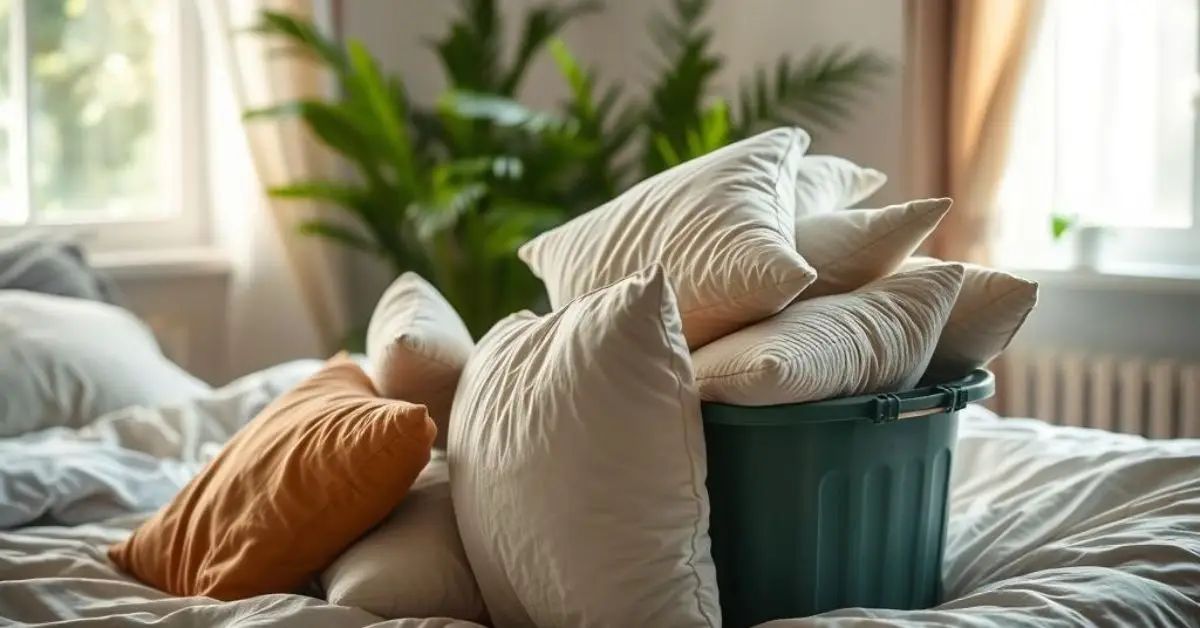
Sometimes, reuse just isn’t the right move—and that’s okay. When a pillow is too worn, uneven, or unhygienic, I focus on responsible disposal instead of forcing another use.
A lot of people assume donation is the answer, but most charities don’t accept used pillows due to hygiene rules. The better option is textile recycling, where materials are processed instead of dumped in landfills. Resources like Earth911 help you find recycling options based on your location.
What to keep in mind:
- Donation is rarely accepted for used pillows
- Some recycling centers accept pillow filling or covers separately
- Local programs and brand take-back options vary by area
This step matters because it closes the loop. You’ve reused what you can, and now you’re choosing the least wasteful exit.
If you’re honest with yourself right now—which of these uses fits your situation today, and which pillow in your home is ready for that next step?
Reuse, Recycle, or Toss — Make the Smart Call
By this point, you don’t need more ideas—you need clarity. I always come back to one simple rule: if reusing a pillow makes my life easier and safer, I keep it. If it creates doubt, discomfort, or extra work, I let it go. There’s no award for forcing reuse when it doesn’t make sense.
Here’s the same 30-second checklist I use before deciding:
Reuse it if:
- It’s clean, odor-free, and not triggering allergies
- The filling still offers real support or cushioning
- You already have a clear, practical use for it
Recycle it if:
- The shape is gone but the material is salvageable
- Local textile recycling is available in your area
- You want to avoid landfill waste without health risks
Toss it if:
- There’s mold, strong odor, or visible breakdown
- Cleaning doesn’t restore comfort or hygiene
- Keeping it feels more like guilt than usefulness
If you’re still unsure, trust your instincts. Reuse should feel helpful, not forced. A smart home isn’t about saving everything—it’s about making intentional choices.
Now I’d love to hear from you. How have you reused old pillows—or did you decide to recycle or toss them instead? Drop your experience in the comments so others can learn from it.
And if you care about practical, no-nonsense ways to reuse, repair, and build smarter at home, explore more guides on Build Like New.
Disclaimer: The ideas shared here are for general home use only. Always consider allergies, mold risk, and material safety before reusing old pillows. If a pillow causes irritation or discomfort, avoid reuse and choose recycling or disposal instead.