Florida Sees Highest Number of Foreclosures in the U.S. in 2025
When I look at the numbers from last year, it’s clear that foreclosures are creeping up across the country—but they’re still far from the crisis levels we remember from 2010. In 2025, foreclosure filings were reported on 367,460 U.S. properties, which is a 14% increase from 2024. On the surface, that sounds worrying, but here’s the context: it’s still 25% below pre-pandemic levels in 2019. That tells me we’re seeing a market that’s adjusting, not collapsing.
You might be wondering what “foreclosure filings” really means. Essentially, it covers defaults, scheduled auctions, and bank repossessions. So when you hear that a home has a foreclosure filing, it doesn’t automatically mean the homeowner lost the property. Many homeowners are still working with lenders to find a solution. Knowing this helps you separate the noise from the actual risk.
Nationally, 0.26% of residential properties had a foreclosure filing last year. Compare that with 0.36% in 2019 and the 2.23% peak in 2010, and you can see why experts describe the rise in 2025 as a normalization rather than a crisis. I like to think of it as the housing market stretching its legs again after several years of historically low foreclosures.
But what does this mean for you if you’re a homeowner, buyer, or investor? It’s a reminder that markets fluctuate, and context matters more than the headline numbers. While filings are up, the average homeowner still has strong equity—so the risk of losing a home suddenly is much lower than during the last housing crash. For anyone watching these trends, it’s a signal to stay informed, but not to panic.
Florida Leads the Nation in Foreclosures
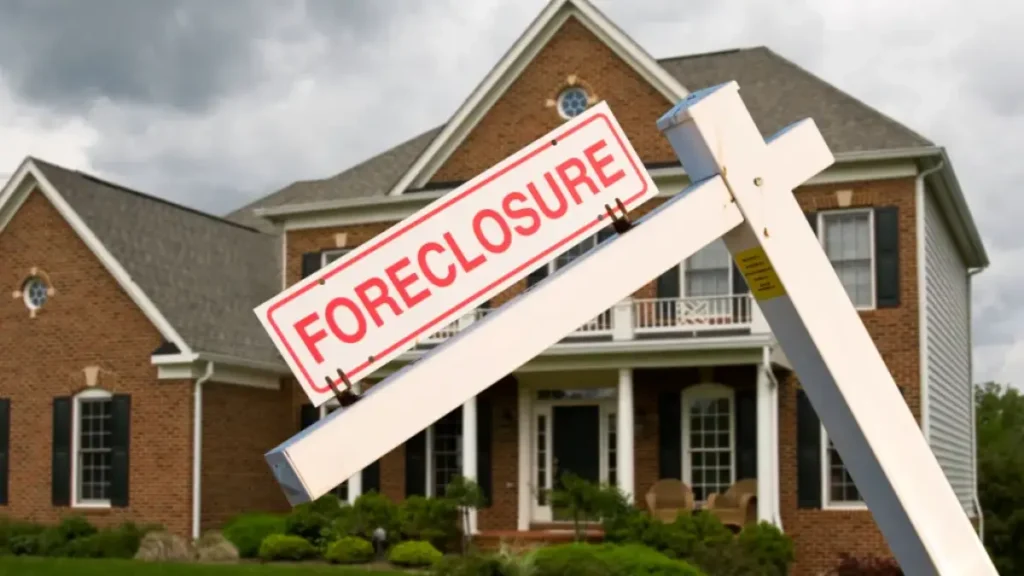
When I look at the 2025 numbers, Florida clearly stands out. The state had a foreclosure filing on 0.44% of its residential properties, the highest in the entire country. To put that into perspective, that’s roughly 1 in every 230 homes facing a filing. Following Florida were Delaware at 0.42%, South Carolina at 0.41%, and Illinois at 0.40%.
According to Realtor, “Florida leads the nation in filings, as homeowners there face heightened affordability pressures from rising insurance premiums, property taxes, and overall ownership costs.” I find that quote important because it tells us the story behind the numbers—it’s not just statistics; it’s real families feeling the pressure.
Jones also points out that a growing home supply in parts of Florida has softened demand, slowed price growth, and increased time on the market. For homeowners who bought near the market peak or carry higher monthly costs, these dynamics can push them closer to foreclosure risk.
You might be thinking: is Florida really in crisis? The short answer is no—the overall market still has strong fundamentals—but if you live in the Sunshine State, these numbers are worth paying attention to. They show where stress points are building, even in a generally healthy market.
Policies like Florida’s new condo laws could play a role in stabilizing the market and potentially lowering foreclosure risk in the coming year.
National Context — Equity and Market Normalization
Even though foreclosures are up, here’s a fact I keep coming back to: the average homeowner in the U.S. still has solid equity. In the third quarter of 2025, aggregate homeowner equity stood at 71.6% of real estate value. That means even if homes lost 10% of their value overnight, equity would still be around 68.4%, keeping the risk of underwater mortgages very low.
Rob Barber, CEO of ATTOM, explains it well: “Foreclosure activity increased in 2025, reflecting a continued normalization of the housing market following several years of historically low levels.” While filings, starts, and repossessions are higher than in 2024, foreclosure activity remains well below pre-pandemic norms and a fraction of the last housing crisis.
What I take from this is that the uptick we’re seeing isn’t about widespread distress—it’s about the market finding its balance. For you as a homeowner or potential buyer, this is reassuring. The market is adjusting, not collapsing, and strong equity positions are a protective cushion.
For quick daily updates on housing trends and market alerts, some readers like to get short summaries delivered directly through WhatsApp—if that’s helpful for you, you can check it out while reading the latest reports.
December 2025 — Foreclosure Filings Spike
December 2025 brought a noticeable jump in foreclosure filings. There were 44,990 U.S. properties with filings that month, a 26% increase from November and 57% higher than December 2024.
The states with the worst December rates were New Jersey (1 in 1,734 homes), South Carolina (1 in 1,917), and Maryland (1 in 1,961). On the other side, metros like San Jose, Milwaukee, and Kansas City had the lowest foreclosure rates for large cities. Among major metros with populations over 1 million, Baltimore led the nation, followed by Cleveland and Philadelphia.
These month-to-month spikes are worth noting because they show how seasonal factors and market timing can affect risk. If you’re watching foreclosure trends, December 2025 is a reminder that short-term changes don’t always reflect the long-term health of the market—but they can influence local pricing, supply, and investor opportunities.
While some metros are struggling with rising foreclosure filings, other markets are seeing unusual activity, such as California desert cities experiencing a surge in celebrity property sales, highlighting how uneven the recovery can be.
Why Florida and Certain Regions Are Vulnerable?

If you’re living in Florida, it’s clear why foreclosures are higher here than in many other states. Rising insurance premiums, property taxes, and general ownership costs are squeezing homeowners. Add a market with slower price growth and longer selling times, and it’s easy to see why some families feel financially pressured.
Metro areas like Tampa, Lakeland, Cape Coral, Jacksonville, and Orlando are particularly affected. Factors like home supply, stagnant wages, and demographic pressures contribute to this vulnerability. I always like to point out that the data is just numbers until you see the real-life impact: people struggling to sell, balancing mortgages with rising costs, and trying to protect their equity.
For you, whether you live in one of these regions or are an investor, it’s a chance to assess risk realistically. High foreclosure rates can signal opportunity but also highlight areas where financial caution is necessary.
Just like we’ve seen in other states—3 Maine cities are paying homeowners to build ADUs to ease housing pressures—Florida is experimenting with ways to manage affordability while foreclosures rise.
Looking Ahead — 2026 Outlook
Looking forward, what does this mean for homeowners, buyers, and investors? Analysts expect a moderate stabilization or small uptick in foreclosures, depending largely on interest rates, affordability, and supply.
Florida may continue to see higher-than-average rates, but overall, the market has built-in resilience thanks to strong equity positions and disciplined lending practices. For you, this is a reminder: stay informed, plan for rising costs, and understand your local market. Markets adjust slowly, and having context and insight can make all the difference.
I always end with this thought: while headlines can make the market feel tense, knowledge and preparation are your best tools. Pay attention to local trends, understand your equity, and be ready to act wisely if needed.
If you want more updates like this on housing trends and real estate news, you can follow me on X or join our Facebook community to stay in the loop.
Disclaimer: The information in this article is for general informational purposes only and is based on publicly available data from sources. It should not be considered financial, legal, or investment advice. Always consult a qualified professional before making decisions related to real estate or foreclosures.