11 Basement Clutter Items You Must Remove Immediately
I don’t know about you, but every time I go down into my basement, I feel this mix of dread and frustration. Boxes stacked to the ceiling, old furniture I never use, and random junk that I have no memory of buying—sound familiar? If your basement looks anything like mine did, it’s more than just clutter. It’s wasted space, potential safety hazards, and, honestly, a little stressful to even walk through.
Over the years, I’ve learned that clearing out your basement isn’t just about tidying up—it’s about reclaiming space and peace of mind. And the truth is, there are a dozen types of items most of us are storing that we could—and should—throw out today. In this article, I’m going to walk you through exactly what those items are, why they’re a problem, and how to deal with them so your basement finally feels usable again.
By the end, you won’t just have a checklist; you’ll have a plan to take action immediately and actually enjoy the extra space you’ve been ignoring for years.
1. Empty or Damaged Cardboard Boxes
If I’m being honest, my basement was full of cardboard boxes that hadn’t been touched in years. You probably have a few hiding in corners too. The problem is, cardboard is a moisture magnet. In a basement, that means mold and mildew can start forming without you even noticing. Not only does that smell awful, but it can also damage anything stored inside or near the boxes.
Here’s what I recommend:
- Go through every box and ask yourself: “Do I really need this?”
- Toss any empty or damaged boxes immediately.
- Replace important storage with plastic bins or airtight containers—they keep your things dry, visible, and safe.
I actually followed advice from Better Homes & Gardens on using plastic bins, and it completely changed how I use my basement. It’s amazing how much cleaner and more organized the space feels when you get rid of just a few dozen boxes.
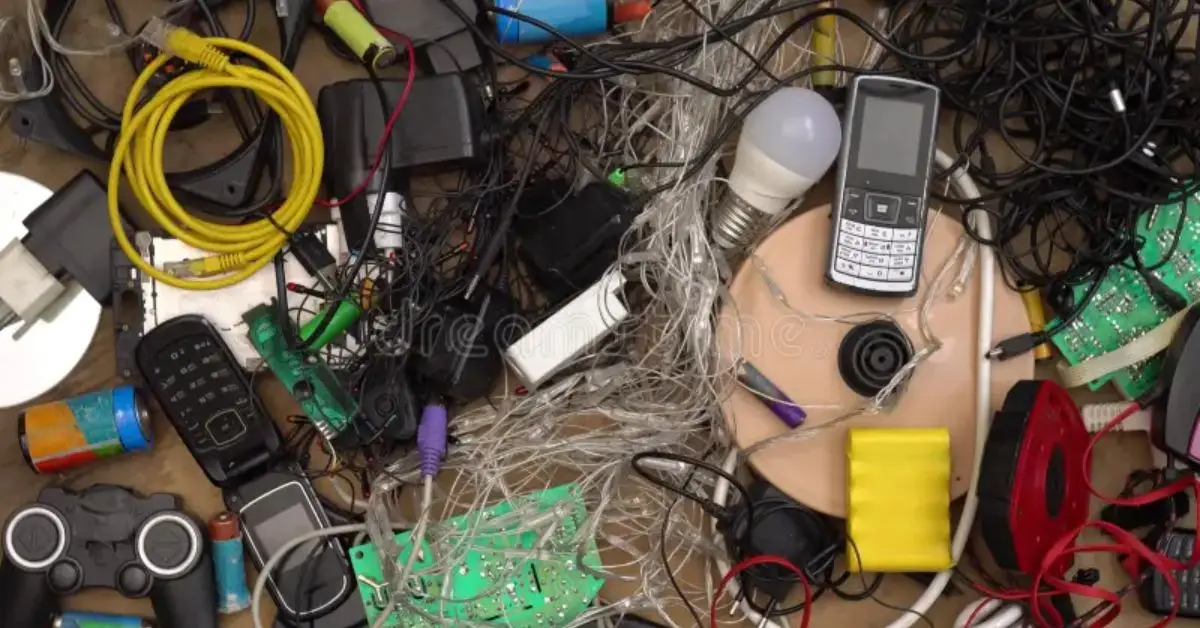
2. Old or Broken Electronics & Cables
Dreamstime.com
Let’s face it—most of us have a tangled pile of old electronics and cords that we might need someday. Spoiler: you probably won’t. I used to hold onto old chargers, outdated routers, and broken devices thinking, “Maybe I’ll fix it one day.” That day never came.
Here’s what I do now:
- Gather all electronics you haven’t used in the past year.
- Separate what can be recycled from what’s truly broken.
- Take them to an official e-waste or recycling center—don’t just throw them in the trash.
Getting rid of these items immediately frees up both floor space and mental clutter. Your basement will feel lighter, and you won’t have to dig through a mess when you actually need a cable or device.
3. Retired Exercise & Sports Equipment
I had an old treadmill and a few weight sets that were basically collecting dust in my basement. Every time I walked by, I felt guilty for not using them—but also annoyed at how much space they took. If you have equipment you haven’t touched in months—or even years—it’s time to make a decision.
Try this approach:
- If it’s still in good shape, consider donating or selling it online.
- Anything broken? Toss it. There’s no reason to hold onto something that won’t be used.
- Keep only what you actively use or plan to use in the next month.
It’s amazing how much more open your basement feels once you remove even a single treadmill or bike. Plus, you can actually enjoy the equipment you do use without tripping over forgotten junk.
4. Old Furniture You Never Use
I’ll admit, this one was hard for me. That old couch and the side table seemed “maybe useful someday.” But the reality? They just collect dust and block space that could actually be functional.
Here’s my practical method:
- Walk through your basement and literally touch every piece of furniture. Ask: “Have I used this in the past year?”
- If the answer is no, decide: sell, donate, or upcycle it.
- Even a small piece of furniture can make a huge difference if it’s removed—think about creating a clear walkway or a usable storage zone.
Southern Living highlights that unused furniture in basements is one of the most overlooked clutter culprits, and I can personally vouch for how liberating it feels once it’s gone.
5. Outgrown Toys & Baby Gear
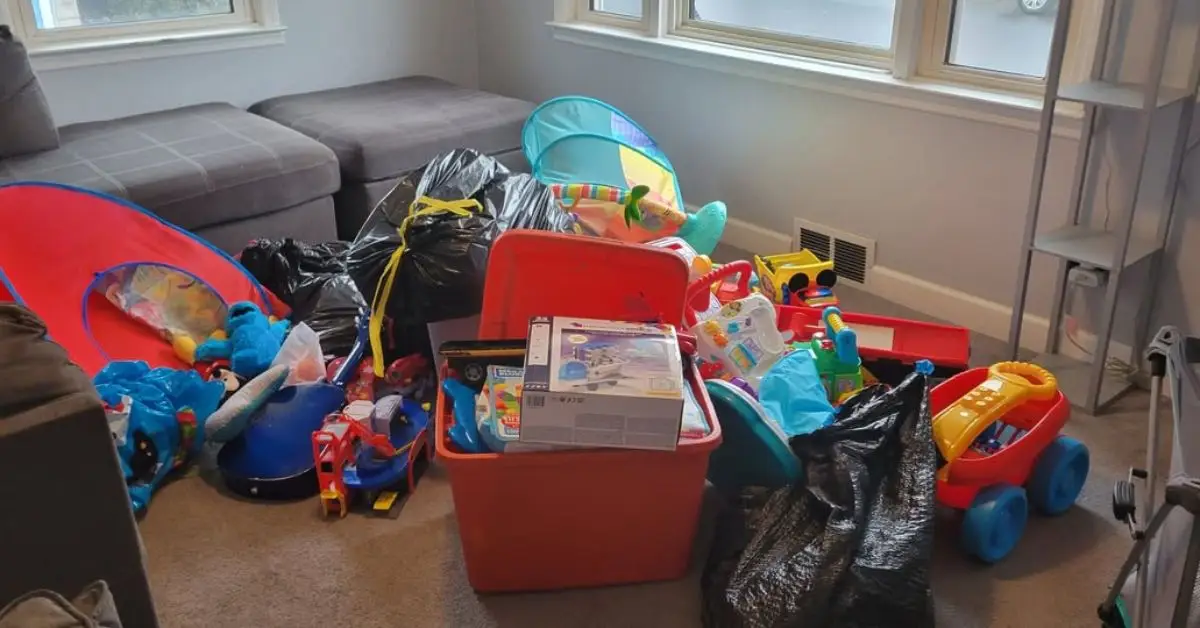
Every basement I’ve tackled has had this problem: toys, car seats, strollers, and baby gear that haven’t been used in years. You know that “maybe someday someone will use this”? That’s exactly the kind of mental clutter that turns into actual clutter down there. Kids grow fast, and before you know it, those once‑useful items become dust collectors.
Here’s how I handle it:
- Pull everything your kids are done with — and be honest.
- Separate items that are still in good shape.
- Donate them to family, friends, or local charities so they can actually be used.
This clears space and gives your old stuff a new life instead of just letting it sit in a pile.
6. Forgotten Hobby Supplies & Small Appliances
I’ll admit it: I’ve bought gadgets and hobby kits thinking I’d finally get into a new hobby. Then life happened. Now, they’re buried in bins collecting dust. If you’re the same, your basement storage is basically a graveyard for good intentions.
Here’s a simple plan:
- Dump all those forgotten hobby supplies and small appliances in one spot.
- Ask yourself: “Have I used this in the past year?”
- If not, sell, donate, or recycle — don’t let it take up valuable space.
People who keep basements fresh and usable make sure they’re not holding onto things they think they’ll use someday. According to Homes & Gardens, one of the habits of homeowners with pleasant basements is using smart storage containers and airflow‑friendly setups, so don’t let old clutter block your progress.
7. Mystery Boxes You Can’t Identify
I used to stack boxes labeled “miscellaneous” and “stuff” without ever opening them. Every time I walked past, I felt that low‑level anxiety that you get from not knowing what’s lurking in those boxes. Spoiler: it’s probably not important, and it’s definitely contributing to clutter and stress.
Do this:
- Open mystery boxes with a timer — no dilly‑dallying.
- Sort fast: keep what matters, toss what doesn’t.
- Recycle old packaging and unwanted junk immediately.
You’ll be surprised how much space you reclaim and how much lighter it feels mentally once those unknown boxes are gone.
8. Damaged Tools & Random Cords
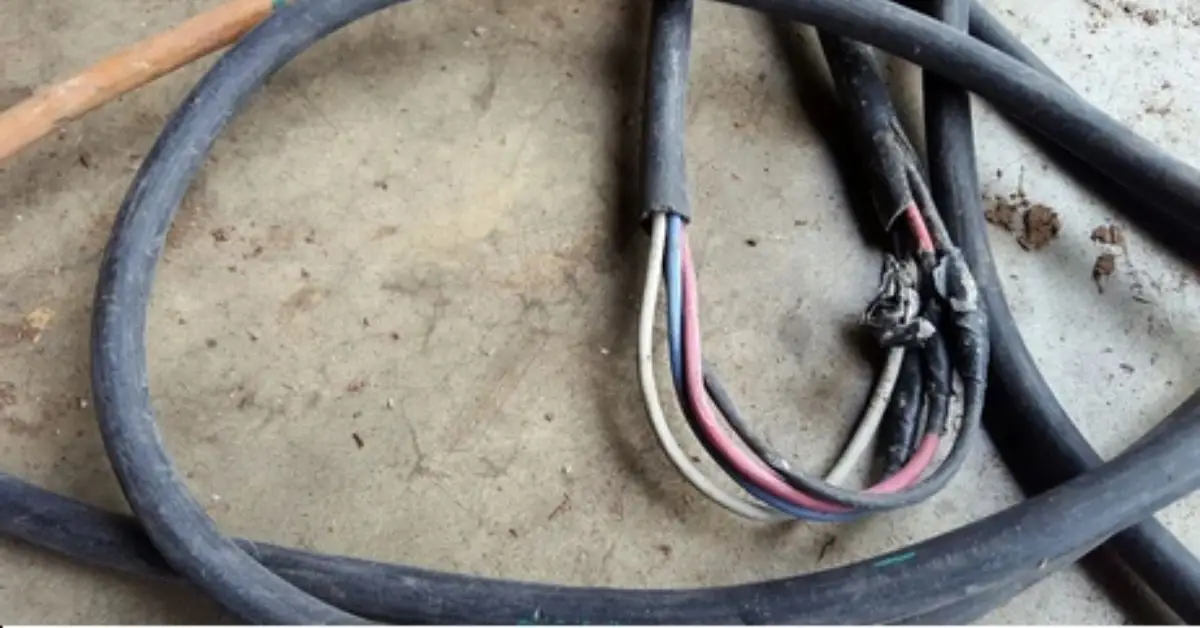
Tools and cords are supposed to help you — not trip you up. But when they’re rusty, tangled, or incomplete, they stop being useful and become hazards. I had a pile of old extension cords and broken tools under my workbench that I kept telling myself I’d fix “one day.” That day never came.
Here’s what works:
- Lay everything out in one place.
- Sort into: keep, donate/sell, recycle.
- Toss anything broken or unsafe.
Getting this area sorted not only makes your basement safer, it also makes it easier to find the tools you actually still use.
9. Holiday Decorations That Are Faded or Never Used
I don’t know about you, but every year I stash holiday decorations in my basement “just in case.” Over time, some of them fade, break, or never get used again. They take up valuable space and add to the clutter without bringing any joy.
Here’s what I do:
- Go through every decoration you haven’t used in the past two years.
- Donate usable items to schools, churches, or local charities.
- Upcycle or recycle anything broken or outdated.
Clearing these items not only frees up space but also makes it easier to find the decorations you actually want to use next season.
10. Expired Paint Cans & Hazardous Materials
Paint cans, cleaning chemicals, and other hazardous materials can quietly become a safety risk in your basement. I used to keep old paint “just in case,” until I realized the smell, rust, and potential fire hazard far outweighed any future need.
Here’s how I manage it safely:
- Check expiration dates and condition of all chemicals and paints.
- Dispose of old or hazardous items at your local hazardous waste center. Water damage is one of the biggest threats to basement items, so implementing simple DIY waterproofing solutions can save you from losing everything.
- Never pour chemicals down the drain or toss them in regular trash.
This small step not only protects your home but also keeps your basement safe for your family and pets.
11. Old Documents, Photos, & Papers
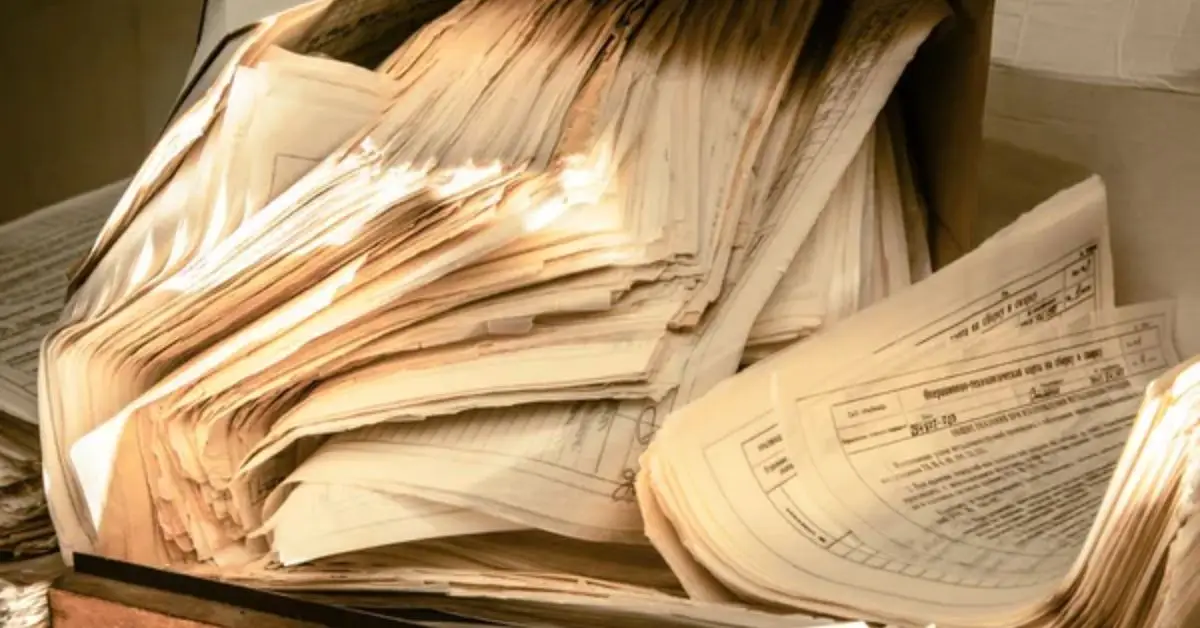
Basements might seem like a convenient place to store documents, photos, or papers, but the humidity and temperature swings can ruin them over time. I learned the hard way when some old family photos got moldy.
Here’s my approach:
- Store important documents and photos in climate-controlled containers or a safe elsewhere. If you want to protect the items you’re keeping from moisture and temperature swings, learning how to properly insulate your basement can make a huge difference.
- Shred papers you no longer need to reduce clutter.
- Keep sentimental items in protective sleeves or boxes to prevent damage.
This way, you protect what matters while freeing up space that was being wasted on papers that didn’t matter.
Quick Action Checklist
Sometimes, the hardest part is just knowing where to start. Here’s a quick, printable-friendly list you can follow today:
- Throw: broken furniture, damaged electronics, expired chemicals.
- Donate: gently used toys, baby gear, sports equipment, decorations.
- Recycle: cardboard boxes, old papers, small appliances you don’t need.
- Prioritize: hazardous items and anything mold-prone first.
Following this checklist makes decluttering manageable and helps you see results fast.
Expert Declutter Tips for Basements
Once the clutter is gone, you want to make sure it stays gone. Here’s what I do:
- Label bins clearly and store them logically.
- Schedule regular checks every 6–12 months to prevent buildup.
- Assign a purpose for each section of the basement—storage, workspace, or hobby corner. While you’re at it, it’s also a good opportunity to check your basement windows and make sure they’re secure against potential break-ins.
These small habits ensure your basement stays organized long-term and prevents the “junk cycle” from starting over.
Conclusion
Clearing your basement of these 12 items isn’t just about cleaning up—it’s about reclaiming space, peace of mind, and safety. When you take action today, you’ll be amazed at how much more functional and enjoyable your basement can feel.
I want to hear from you: Which item on this list do you think will be the hardest to let go of? Share your thoughts in the comments below, and if you want more tips on turning your home into a space that feels fresh and new, check out Build Like New for practical guides and inspiration.