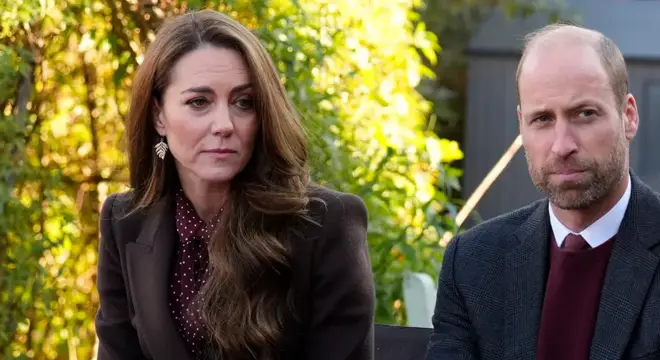
Inside Ryan Murphy $70 Million Property Portfolio
When I first started looking into Ryan Murphy’s real estate portfolio, I was blown away—not just by the numbers, but by the thought behind each property. We’re not talking about flashy celebrity homes that exist only for Instagram. Murphy’s $70 million collection spans Los Angeles, New York, Provincetown, and Westchester, and each place tells a story about design, history, and strategy.
As I dug deeper, I noticed a pattern: he buys homes with architectural soul, preserves what makes them unique, and sometimes merges properties to create private compounds that feel both expansive and intimate.
In this article, I want to walk you through his most notable holdings, the reasoning behind his purchases, and what you can learn from a real estate strategy that’s as creative as the TV shows he produces.
By the end, you’ll not only know where Murphy lives, but you’ll also get a peek into the mindset that turns a collection of houses into a carefully curated portfolio—and maybe pick up a few ideas for your own property ambitions.
Los Angeles – Murphy’s Minimalist Luxury in Brentwood
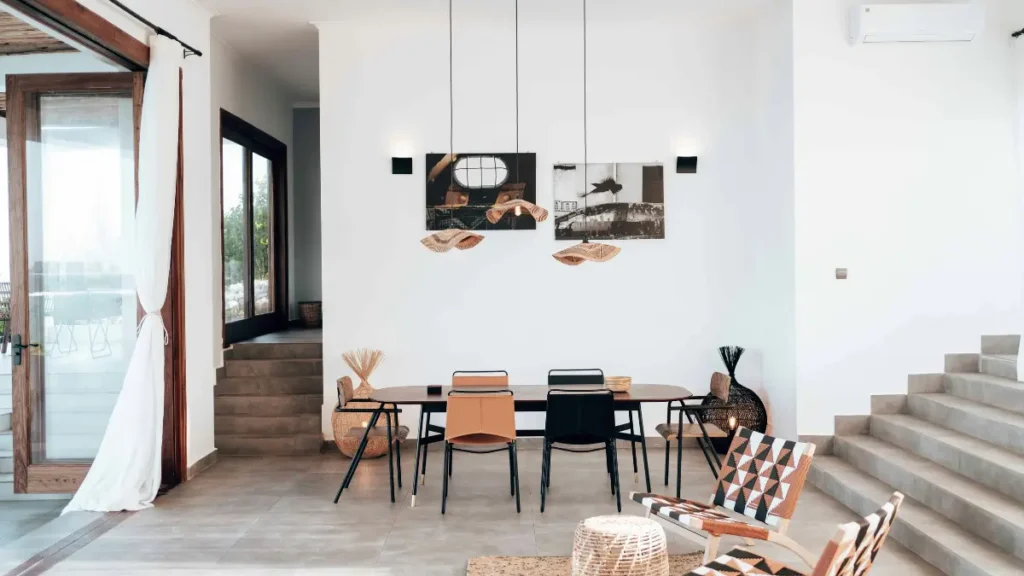
When I look at Ryan Murphy’s Los Angeles chapter, I see more than just a $9 million purchase. According to Robb Report, Murphy picked up a Spanish Colonial Revival hacienda in Brentwood back in 2013, a house that was practically ready for a teardown.
What drew him in were the fundamentals: soaring ceilings, oversized rooms, and a sense of volume that felt worth saving rather than starting over.
Working with designer Pam Shamshiri, he transformed the 7,200-square-foot house into his idea of minimalist luxury. It’s not about flashy finishes or ostentatious details—Murphy focuses on proportion, atmosphere, and restraint. He even expanded the property in 2020 by acquiring the neighboring five-bedroom home from Ari Emanuel, merging the two into one ultra-private compound.
Walking through these spaces, I can’t help but notice how every choice speaks to patience and vision. It’s not just a celebrity home—it’s a study in what thoughtful renovation and a clear design philosophy can achieve.
Just like Ryan Murphy curates his spaces with architectural integrity, you can also see how Richard Branson’s luxury island portfolio balances lifestyle and investment value in our previous coverage.
Provincetown – A Beachfront Homage to Creativity
Murphy’s Provincetown retreat feels like a love letter to the town’s artistic soul. He bought the waterfront Federal-era residence in 2013 for $4.5 million, but the real gem is the former studio of Hans Hofmann. Instead of turning it into a polished showcase, Murphy and his husband, David Miller, preserved it as a guest house.
With designer David Cafiero, the home retains its soaring industrial windows, massive hearth, and original floorboards.
I find this approach fascinating—it’s a reminder that respecting history can add more character than any modern renovation ever could. It’s a space that’s lived in, yet still tells a story.
Murphy’s Provincetown retreat preserves history and character, much like Madonna’s $57 million real estate empire emphasizes both style and thoughtful investment across her homes.
New York City – West Village Calm Amid the City Buzz
In 2018, Murphy made a big move to NYC, buying a four-story West Village townhouse for $24.5 million in an all-cash deal. The home spans about 5,500 square feet, and working with Axel Vervoordt and David Cafiero, he layered in reclaimed beams, floating stair treads, and salvaged floorboards repurposed as ceiling joists.
What stands out to me is the mood: muted tones, tone-on-tone finishes, a calm, almost monastic feel that contrasts with the lively West Village streets outside.
This is a classic Murphy strategy—balancing drama with tranquility, showing that luxury isn’t always about color and ornamentation; sometimes, it’s about atmosphere.
Westchester County – Privacy and Pastoral Grandeur
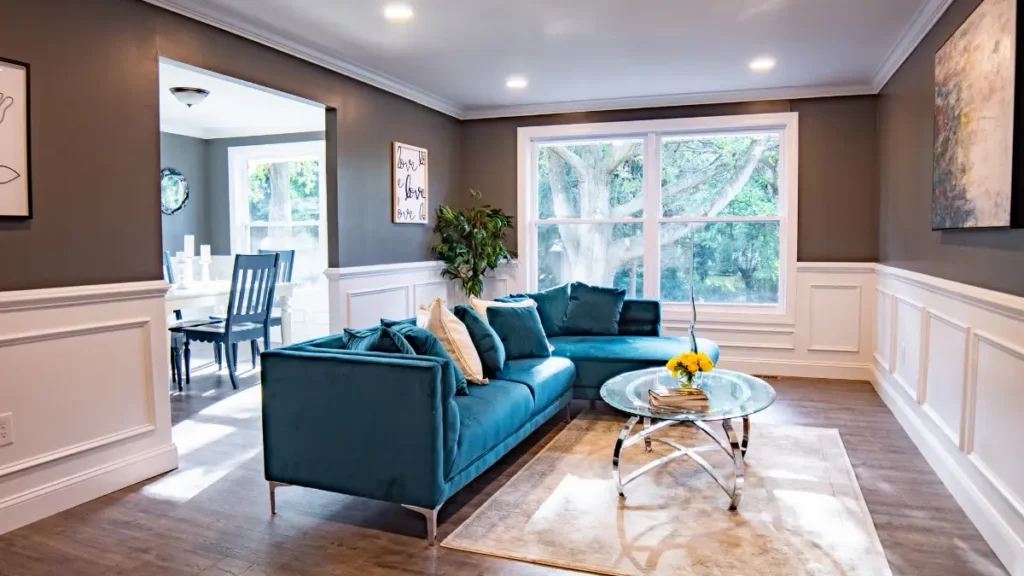
Murphy’s Pound Ridge compound is proof that he doesn’t just invest in city or beachfront properties—he goes big in the countryside too. Purchased from Richard Gere in 2022 for roughly $24.15 million, the estate covers around 50 acres, with multiple parcels, pristine woodlands, and a Colonial-style main house.
I love how this property combines functionality with leisure: there are guest houses, caretaker residences, equestrian facilities, a pool with a pool house, and even a private lake with a sandy beach.
The surrounding protected open space makes the estate feel far more remote than it actually is, giving Murphy the privacy you only dream of in the New York metro area.
The scale and privacy of Murphy’s Pound Ridge estate reminded me of how Larry Ellison’s $793 million real estate portfolio combines luxury, privacy, and strategic location choices across multiple properties.
Patterns Across Murphy’s Portfolio
Looking at all these properties together, I notice a few clear patterns:
- Architectural respect: He buys homes with a soul and preserves it.
- Thoughtful expansion: Compounds in Brentwood show patience and vision.
- Geographic diversity: From LA to Provincetown to NYC and Westchester, he balances urban, coastal, and rural lifestyles.
- Design consistency: Minimalist luxury, muted tones, and spaces that feel intentional rather than staged.
For me, this is where the real value lies—not in the price tags, but in understanding a strategy that combines design, privacy, and investment sense. It’s a portfolio you can admire, learn from, and even draw lessons for your own property decisions.
If you enjoy exploring luxury property strategies like this, I share curated updates and interesting portfolio insights on my WhatsApp channel—you can check it out here for a closer look at how the biggest names manage their estates.
Lessons From Ryan Murphy’s Real Estate Moves
Looking at Murphy’s portfolio, I can’t help but think there’s more to learn than just which celebrity owns which house. Here’s what really stands out:
- Buy for the bones, not the bling. Murphy chooses properties with architectural integrity and potential. He isn’t chasing trends; he’s looking for lasting value.
- Think long-term and strategic. Whether it’s merging two Brentwood homes into a private compound or holding a Westchester estate across multiple parcels, patience pays off.
- Preserve history where it matters. From Hofmann’s studio in Provincetown to mid-century details in LA, respecting original design adds soul—and value—to a home.
- Diversify your portfolio. LA, NYC, coastal Massachusetts, and pastoral New York show how spreading investments geographically and stylistically creates balance and security.
- Design with intention. Minimalist luxury, muted palettes, and thoughtful renovations make homes that are both livable and Instagram-worthy without feeling overdone.
I’ve found that these principles aren’t just for million-dollar estates—they can inform smarter decisions for anyone buying property, even on a smaller scale.
So here’s my question for you: if you could apply one of Murphy’s strategies to your own living space or investment plan, which would it be—design-first, location-first, or preservation-first? I’d love to hear your thoughts—drop a comment or share your ideas.
Want more insider looks at celebrity real estate and portfolio breakdowns? Follow us on X and join our Facebook group for updates, discussions, and exclusive content.
Disclaimer: The information in this article is based on publicly available sources, including property reports and media coverage. Prices, ownership details, and renovations are subject to change. This content is for informational purposes only and does not constitute investment advice.