5 Things in Your Home That Belong in Plastic Storage Bins
I’ve organized enough homes to know this for sure: plastic bins can either make your life easier—or quietly ruin the things you care about. Most people use them without thinking twice. They toss items in, snap the lid, and assume everything inside is “safe.” That’s where the problem starts.
When I looked closely at what’s ranking right now, I noticed a pattern. Most articles either dump a long list of items or focus on what not to store. Very few actually explain why certain household items belong in plastic bins and others don’t. Even fewer connect storage choices to real-life issues like moisture damage, pests, or how often you actually use those items.
If you’re searching for what to store in plastic bins, chances are you want clarity—not another generic checklist. You want to know what genuinely benefits from plastic storage, what stays protected long-term, and what will still be in good shape when you need it months later.
That’s exactly what I’m breaking down here. Not theory. Not Pinterest-perfect advice. Just practical, experience-backed guidance on the household items that truly belong in plastic bins—and why that choice makes sense for your home.
Before we get into the list, take a second and think about this: which items in your house would actually cause stress if they got damaged or lost?
Understanding Plastic Bin Storage
Before I tell you what to store in plastic bins, I want to clear up something most articles skip. Plastic bins aren’t a one-size-fits-all solution. I’ve seen people damage clothes, tools, even documents—not because plastic bins are bad, but because the wrong type of bin was used for the wrong purpose.
If you and I get this part right, everything else becomes easier. You’ll stop guessing and start storing things in a way that actually protects them.
What Types of Plastic Bins Work Best
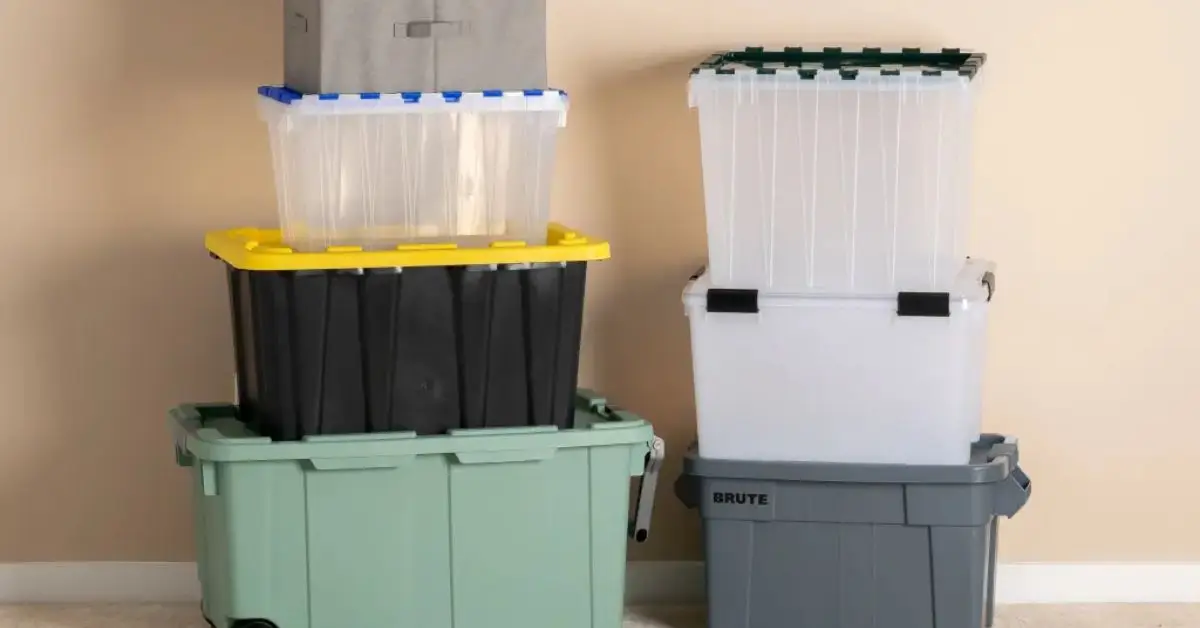
When I look at homes that stay organized long-term, they all have one thing in common: the bins match the job.
Here’s how I decide—and how you should too:
- Thick, durable plastic: Thin bins crack, warp, or let moisture sneak in. I always prefer sturdy bins, especially for items you won’t open often.
- Tight-fitting or gasket lids: If you’re storing anything that shouldn’t get damp—paper, fabric, emergency supplies—this matters more than people think.
- Clear vs. opaque bins: Clear bins are great when you want to see what’s inside without opening them. Opaque bins work better when light exposure can cause damage. If you’re still unsure when clear bins make more sense than opaque ones, I’ve broken it down with real examples in this guide on things you should be storing in clear bins at home.
- Right size for the item: Oversized bins encourage overstuffing. Too-small bins cause bending and breakage. I always match bin size to the item, not the shelf.
Home organization experts at The Spruce consistently point out that choosing bins based on use—not looks—is what actually prevents damage and clutter.
Benefits of Using Plastic Bins in Your Home
I don’t recommend plastic bins because they’re trendy. I recommend them because, when used correctly, they solve real problems most homes have.
Here’s what you and I gain from using them the right way:
- Protection from moisture and dust: Plastic creates a barrier that cardboard and fabric storage simply can’t. One thing people don’t talk about enough is smell—if you’ve ever opened a bin and hated what came out, these bin freshening tricks every home needs can make a huge difference.
- Defense against pests: Roaches, silverfish, and mice love paper and fabric. Plastic shuts that door.
- Easy stacking and space control: Uniform bins let you use vertical space without things collapsing or getting lost.
- Quick access and visibility: Especially with clear bins, you don’t waste time opening five containers to find one item.
When bins are chosen with intention, they stop being clutter containers and start acting like a system.
How to Decide What to Store in Plastic Bins
I want you to be able to decide on your own—even for items I don’t mention later.
Whenever I’m unsure whether something belongs in a plastic bin, I run it through a simple filter.
Factors to Consider
Ask yourself these questions honestly:
- How often do I use this item? If you use it daily, plastic bins might slow you down. If you use it seasonally or occasionally, bins are perfect.
- Is it sensitive to moisture or pests? Paper, fabric, emergency supplies, and tools all benefit from sealed storage.
- Is it heavy or oddly shaped? Heavy items need reinforced bins. Sharp or awkward items need space so they don’t crack the container—or each other.
- Would damage cause stress or cost money? This is the big one. If replacing it would be expensive or frustrating, it deserves better protection.
I always tell people this: plastic bins aren’t about hiding things away. They’re about buying peace of mind. When you store the right items in the right bins, you stop worrying about what’s getting ruined behind closed doors.
Before we move on, take a moment and look around your home. Which items check most of these boxes—and are still sitting unprotected right now?
Top 5 Household Items You Should Always Keep in Plastic Bins
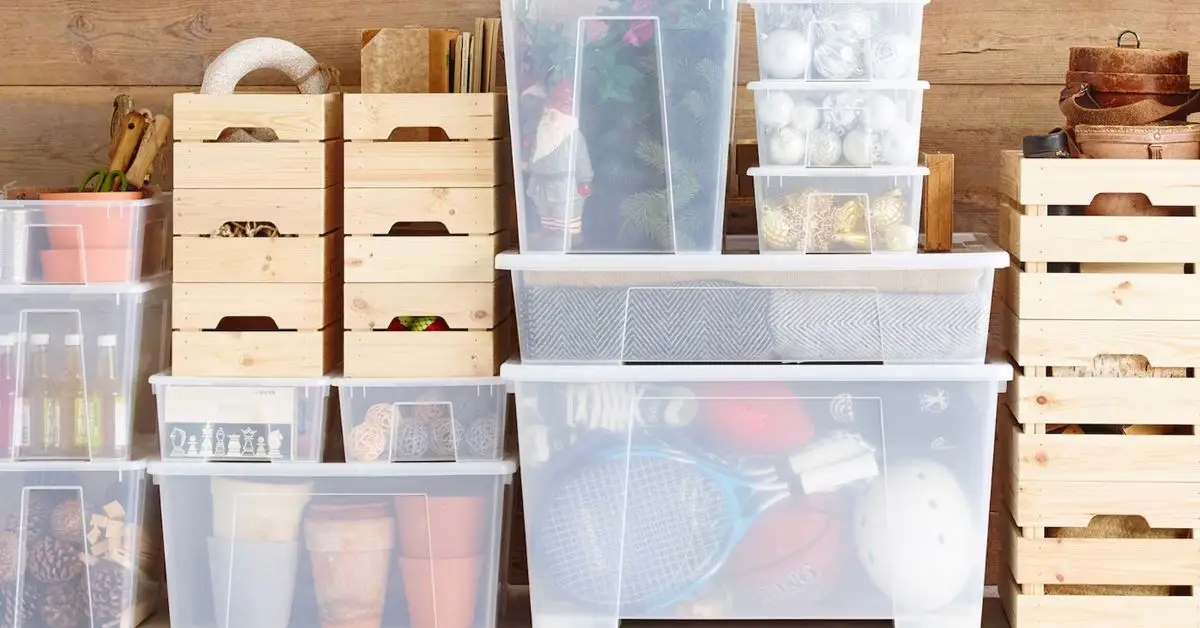
This is where most people want straight answers—and I get that. But I don’t just want you to copy a list. I want you to understand why these items belong in plastic bins, so you don’t second-guess your storage decisions later.
These are the items I’ve consistently seen stay cleaner, safer, and easier to manage when stored properly in plastic bins.
1. Seasonal Clothing and Accessories
If there’s one thing I always move into plastic bins, it’s clothing you don’t use year-round. I’ve seen too many sweaters ruined by dust, moisture, or moths just because they were left in fabric bags or cardboard boxes.
Plastic bins create a clean, sealed environment that seasonal clothing really needs.
Best practices I follow and recommend:
- Use vacuum-sealed bags inside plastic bins for bulky items
- Always label bins by season and clothing type
- Avoid overstuffing to prevent fabric creases
Best places to store them:
- Under the bed
- Top shelves in closets
- Basement storage (only with sealed bins)
2. Important Documents and Paperwork
This is a category people underestimate—until something goes wrong. Paper is incredibly sensitive to moisture, pests, and even air over time.
I always tell people: if replacing a document would be stressful or expensive, it doesn’t belong in a drawer.
Documents that should go in plastic bins:
- Tax returns and financial records
- Property papers and insurance documents
- Birth certificates and legal paperwork
Smart storage tips:
- Use waterproof or gasket-sealed bins
- Separate files by year or category
- Add a simple index sheet inside the bin so you don’t dig through everything later
3. Kids’ Toys and Craft Supplies
If you have kids, plastic bins aren’t optional—they’re survival tools.
Toys and craft supplies get scattered fast, and open baskets usually turn into visual chaos. Plastic bins help you create clear zones without killing flexibility.
What works well here:
- Sort by age group or activity type
- Use clear bins so kids can see what’s inside
- Label bins with words and simple visuals
Important safety note:
- Keep small items, beads, or sharp tools in bins with locking lids
- Store choking hazards on higher shelves
This setup makes cleanup faster and helps kids learn where things belong.
4. Emergency and Seasonal Essentials
This is one of the most important storage categories that many people overlook.
Emergency items should never be scattered across drawers or cabinets. When you need them, you need them fast.
Items that belong together in plastic bins:
- Flashlights and extra batteries
- First-aid supplies
- Portable chargers and emergency tools
- Seasonal items like holiday lights and décor
According to FEMA’s emergency kit recommendations, keeping your preparedness supplies clearly organized and easy to access in sealed containers makes a big difference when every minute counts.
My advice:
- Use one dedicated bin per category
- Label clearly on multiple sides
- Store in a place everyone in the house can reach
5. Tools and DIY Supplies
You don’t need a garage workshop to benefit from organized tool storage. I’ve helped renters, apartment dwellers, and homeowners all simplify this the same way.
Plastic bins keep tools from rusting, getting lost, or becoming a tangled mess.
What to store this way:
- Hand tools like hammers, screwdrivers, pliers
- Screws, nails, and small hardware
- Paint supplies or repair kits
How I organize them:
- One bin per project type (basic repairs, painting, electrical)
- Small containers inside bins for loose hardware
- Labels on the outside so you don’t open every bin
This system saves time and prevents buying duplicates you already own.
Bonus: Other Smart Things to Store in Plastic Bins
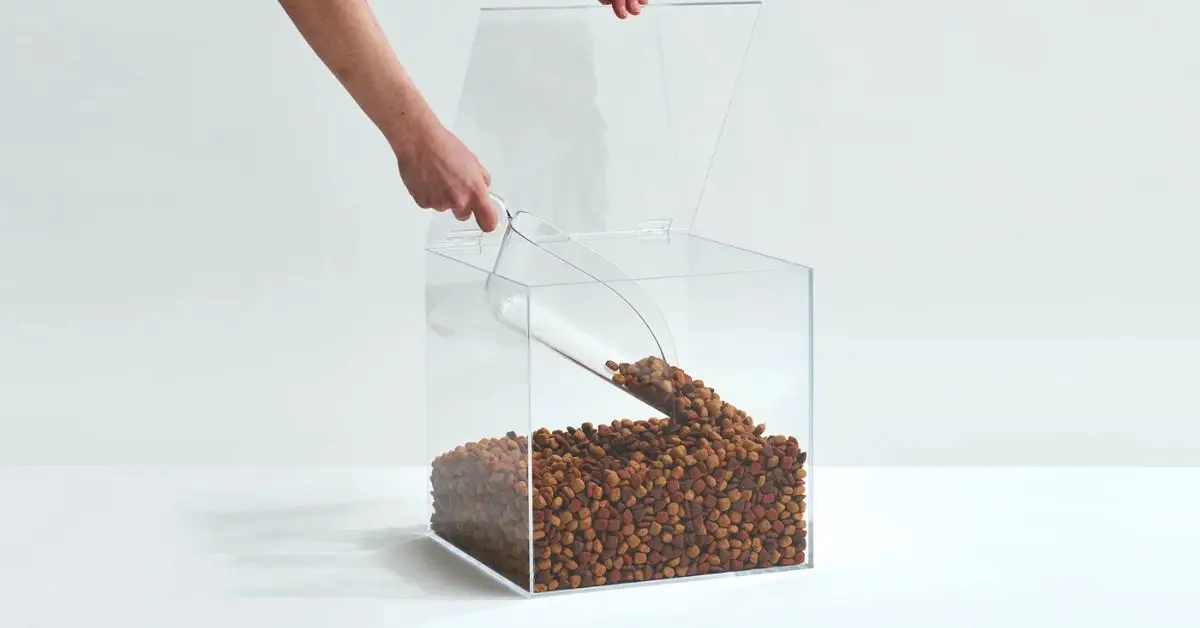
Once you understand what belongs in plastic bins, it’s natural to start spotting more opportunities around your home. These are categories people often forget—but when stored properly, they make daily life noticeably easier.
Pet Supplies
I see this missed all the time. Pet items usually end up scattered—half in a drawer, half near the door, and the rest wherever there’s space. Plastic bins bring order without effort.
What I always suggest storing in bins:
- Extra pet food (sealed inside original bags)
- Grooming tools and shampoos
- Toys, leashes, and travel accessories
- Medications and vet paperwork
Why this works: plastic bins help keep smells contained, protect supplies from pests, and make it easy for you to grab everything in one go—especially during trips or vet visits.
Garden Accessories
Outdoor items take a beating from dust, moisture, and bugs. Leaving them loose in a shed or garage usually shortens their lifespan.
Garden items that benefit from plastic bins:
- Gloves, kneeling pads, and hats
- Small tools and seed packets
- Fertilizers or plant ties (sealed properly)
I like using labeled bins by task—planting, pruning, maintenance—so you don’t dig around every time you step outside.
What NOT to Store in Plastic Bins
This section matters just as much as the “what to store” list. I’ve seen people do everything right—buy good bins, label them—then still damage items because plastic was the wrong choice.
Many trusted home publications, including Real Simple, warn that some items can actually deteriorate faster when sealed in plastic.
Items That Can Trap Moisture or Get Damaged
Here’s what I personally avoid putting in plastic bins unless there’s proper ventilation or extra protection:
- Electronics with batteries: Batteries can leak over time, and sealed bins trap humidity that speeds up corrosion.
- Certain fabrics that need airflow: Leather, silk, or wool can develop mildew or odors if they can’t breathe.
- Food items prone to spoilage: Plastic bins don’t regulate temperature. Unless food is shelf-stable and sealed, it’s better stored elsewhere.
Knowing what not to store builds trust—and saves you from expensive mistakes.
Practical Tips for Using Plastic Bins Effectively
Even the best bins won’t help if they’re used poorly. These are small habits I rely on that make a big difference long-term.
Labeling and Inventory Tricks
If you want bins to stay useful months from now, labeling is non-negotiable.
What works best:
- Label at least two sides of the bin
- Use simple, specific words (not vague categories)
- Keep a quick inventory list inside bins you rarely open
This saves time and prevents the “I forgot what’s in here” problem.
Placement and Stacking Best Practices
Where you place bins matters as much as what’s inside them.
- Store heavier bins on lower shelves
- Avoid stacking more than recommended—warping happens slowly
- Keep frequently used bins at eye level. And if your storage issues are more about cramped or outdated cabinets than the bins themselves, these easy ways to transform outdated wood cabinets can completely change how functional your storage feels.
This protects both the bins and your back.
When to Choose Clear vs Opaque Bins
I choose based on behavior, not looks.
- Clear bins: great when you want quick visual access
- Opaque bins: better for light-sensitive items or visual calm
The right choice helps you stay organized without opening every container.
Quick Checklists & Organization Templates
This is the part I always come back to myself. When life gets busy, you don’t want to rethink your system—you want something you can glance at and act on. That’s why quick checklists work so well. They turn good intentions into repeatable habits.
Checklist: What to Store in Plastic Bins (Room by Room)
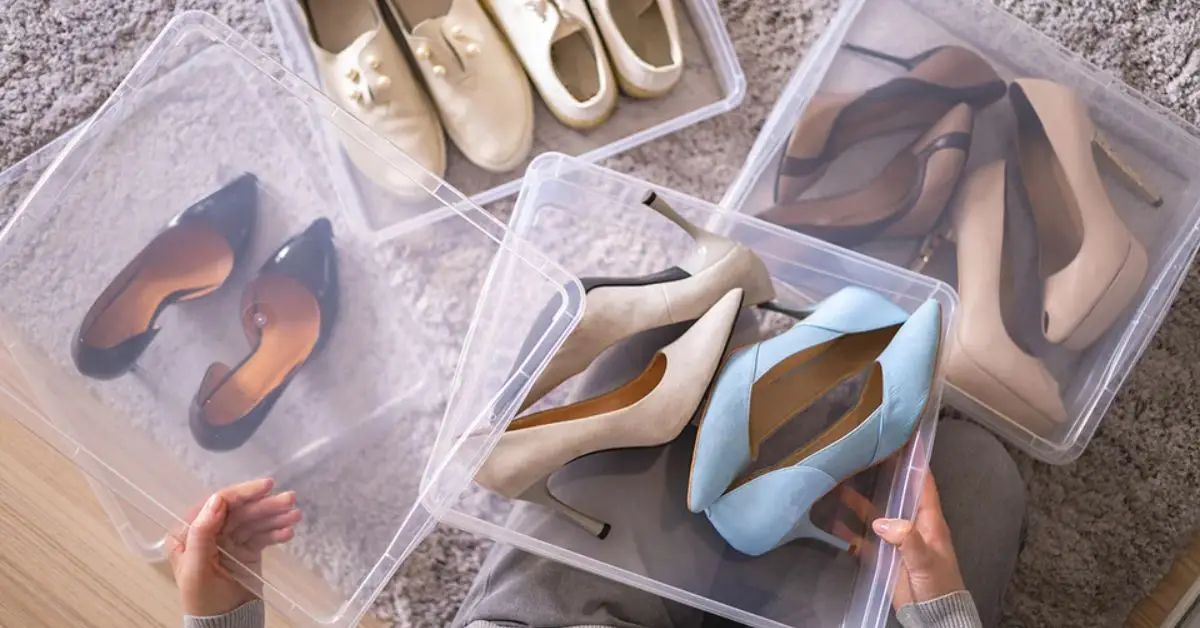
You can save this, print it, or bookmark it for later. I’ve kept it simple and realistic.
Bedroom
- Off-season clothing and shoes
- Extra bedding and blankets
- Accessories you don’t wear daily
Living Room / Common Areas
- Cables, remotes, and spare electronics (without batteries)
- Board games and hobby items
- Seasonal décor
Kitchen / Pantry (non-food)
- Bulk kitchen tools used occasionally
- Extra storage containers and wraps
- Party or holiday serving items
Kids’ Room
- Toys by age or type
- Craft supplies
- School-related extras
Garage / Storage Area
- Tools and DIY supplies
- Emergency kits
- Garden accessories
When you organize this way, you stop guessing and start maintaining order without effort.
Simple Template for Labeling Plastic Bins
I’ve learned this the hard way: unclear labels break systems.
Here’s the template I stick to every time:
- What’s inside: Be specific, not broad
- Category: Seasonal, emergency, tools, kids, etc.
- Last updated: Month and year
This small habit saves time and stops bins from turning into mystery boxes.
Closing Thought
If there’s one takeaway I want you to remember, it’s this: plastic bins work best when you’re intentional. They’re not just about hiding clutter—they’re about protecting the things you value and making your home easier to live in.
You don’t need more bins. You need the right items in the right bins, stored with a bit of thought.
I’d love to hear from you—what’s one storage trick that’s worked well in your home, or one area you’re still struggling with?
Drop your thoughts in the comments on Build Like New and let’s learn from each other.
Disclaimer: The storage tips shared here are based on practical experience and widely accepted home organization best practices. Storage needs may vary depending on your space, climate, and the items you own. Always follow manufacturer guidelines and safety instructions for specific products or materials.