7 Simple Ways to Get Dust Out of Curtains and Breathe Cleaner Air
I’ve spent years cleaning and maintaining homes, and one thing I’ve noticed is that curtains are often the silent culprits of dusty, stale air. You might vacuum your floors and wipe your shelves, but if your curtains are coated in dust, all that effort only goes so far. Not only does it make your space feel less fresh, but it can also aggravate allergies, trigger sneezes, and quietly affect the air you breathe every day.
In this guide, I’m going to walk you through seven practical steps to dust your curtains properly, without wrecking the fabric or spending hours on it. I’ll share tips I’ve learned from experts, real-life hacks from other homeowners, and simple routines that actually make a difference. By the end, your curtains won’t just look cleaner—they’ll help you enjoy fresher air in your home.
Before we jump in, ask yourself: when was the last time you really dusted your curtains? If you’re unsure, you’re in the right place.
Why Dust‑Free Curtains Matter for Your Health and Home

If you’ve ever wondered why your room still feels “stuffy” even after you clean every surface, it’s probably because something invisible is sticking around — and curtains are a big part of that. I’ve noticed in my own home that while I dust shelves and vacuum floors regularly, dusty curtains quietly collect and hold tiny particles that affect the air I breathe every day.
Here’s the thing: fabric is like a giant filter. Curtains trap airborne stuff like:
- Dust mites and fine dust particles
- Pet dander and pollen
- Tiny pollutants from outdoor air and indoor activity
Over time, these particles build up deep inside the curtain fibers. Every time you open or close them, a fresh cloud of dust gets stirred back into your living space. That’s why I call them the silent air polluters of most homes.
According to Better Homes & Gardens, the frequency and method of cleaning curtains can dramatically reduce the amount of dust and allergens indoors — and for most homes, regular cleaning makes a noticeable difference in air freshness and comfort.
Here’s how I think about it: even if you can’t see the dust, your body can feel it — in itchy eyes, sneezing, or that subtle “heaviness” in the air you just can’t shake.
Understanding Your Curtains Before Cleaning
Now that you know why dust‑free curtains are important, let’s talk about what they’re made of. Knowing the fabric matters — not all curtains dust the same way, and not all fabrics can handle the same cleaning methods. I always start here because the wrong approach can damage the curtains more than the dust ever did.
Here’s a quick breakdown I use:
Fabrics That Trap More Dust:
- Velvet: Thick pile grabs and hides dust deep inside.
- Heavy Cotton: Dense weave means dust gets tangled in the threads.
- Linen: Breathable but dust sneaks into the tiny gaps between fibers.
Fabrics That Are Easier to Clean:
- Polyester: Smooth surface makes dust slide off more easily.
- Microfiber: Designed to repel dust — great for quick cleaning.
- Sheer fabrics: Lightweight, but you still need to be gentle so you don’t stretch or tear them.
Here’s a tip I learned from experts and experienced home keepers: always check the care instructions first. Some fabrics will shrink, fade, or wrinkle permanently if you wash them wrong — and that’s something even seasoned pros warn about. So before you whip out water or a vacuum, take a quick look at that tag. If you’re thinking about rehanging your curtains or upgrading your setup, this guide on how to hang curtains on a blind valance without drilling can save time and protect your walls.
To make cleaning safe and effective, I usually follow this approach:
- For heavy or textured curtains, start with a vacuum brush attachment.
- For delicate or sheer curtains, use a lint roller or gentle shake instead.
- Always test any new method on a small hidden corner first.
Tools You’ll Need to Dust Curtains Effectively

Before you dive into the steps, let’s get you set up with the right gear. When I dust curtains, having a few key tools makes the difference between a quick once‑over and a truly dust‑free result. Here’s what I recommend:
Handheld Vacuum with Brush Attachment
I always start here — a handheld vacuum with a soft brush is perfect for pulling dust out of fabric without damaging it. Look for models with a HEPA filter to trap tiny allergens instead of blowing them back into the air. Popular options in the US include:
- Shark HV302 Navigator Lift‑Away — reliable suction and brush accessory.
- Bissell Pet Hair Eraser — great if you have pets that add extra dander to curtains.
Using a vacuum first gets rid of the bulk of dust before you move to more detailed tools.
Lint Roller or Microfiber Cloths
After vacuuming, I use a lint roller or microfiber cloth to catch what the vacuum missed — especially on delicate or decorative panels. Reddit cleaning communities often recommend microfiber dusters and cloths for fabric because they grab dust instead of pushing it around — which makes cleaning feel more effective.
For cloths, reusable microfiber options are great because you can wash them and use again — just avoid fabric softeners so they keep grabbing dust.
Duster Options (Extendable, Electric, or Feather)
Sometimes the top of the curtain rod and cornices are too high to reach comfortably. That’s where a duster comes in handy:
- Swiffer 180 Dusters — a popular pick for everyday dusting with extendable reach.
- OXO Good Grips Microfiber Hand Duster — easy to hold and machine‑washable.
- Traditional lambswool or feather duster — gentle on fabrics and great for light dusting.
I usually alternate between a vacuum and a good extendable duster to make sure I’m not missing hidden dust up high.
Optional: Air Purifier for Post‑Dusting Air Quality
After you dust, airborne particles can still linger for a while — especially if you stir up fine dust. Running an air purifier with a HEPA filter in your living room or bedroom for a few hours afterward helps clear what you’ve disturbed and keeps your air fresh.
7 Steps to Clean Curtains Without Removing Them
Here’s the heart of your cleaning routine — seven steps that take you from dusty curtains to a fresher, cleaner room. I break it down so it’s simple, practical, and doable even if you’re short on time.
Step 1 – Prep the Room (Open Windows, Remove Fragile Items)
Start by opening a window or turning on a fan for ventilation. Move fragile décor and furniture a few feet away so dust doesn’t settle on them during cleaning.
Pro tip: Lay down a sheet or towel under the curtain to catch falling dust.
Step 2 – Shake or Beat Lightly for Loose Dust
Give your curtains a gentle shake or a light beat with a soft broom handle to loosen heavy dust. This releases the big stuff before your tools do the fine work.
Step 3 – Vacuum from Top to Bottom
Use your handheld vacuum with the brush attachment and work from the top of the curtain down to the bottom. Slow, consistent passes pull embedded dust out of the fibers — don’t rush this step.
Step 4 – Use Lint Roller for Small Areas and Decorative Fabrics
After vacuuming, roll over any decorative panels or pleats with a lint roller to grab leftover dust. For even more step-by-step strategies, you can see 7 genius ways to clean curtains without taking them down — perfect for those hard-to-reach panels. This is especially helpful on textured fabrics or areas where a vacuum can’t reach cleanly.
Pro tip: For sheer or delicate curtains, wrap the vacuum nozzle with a thin cloth so you don’t snag the fabric.
Step 5 – Dust Rods, Cornices, and Window Sills
Now hit the hardware and surrounding areas. Rods and cornices collect dust just like curtains, and window sills are dust magnets — clean these too so you don’t undo your work next time.
Step 6 – Spot Clean Stains as Needed
If you see any smudges or spots, treat them right away with a fabric‑safe cleaner. Blot gently — don’t rub — so you don’t spread the stain deeper.
Step 7 – Refresh with Fabric Spray or Air Out Naturally
Finishing with a light fabric refresher or letting a breeze flow through your windows makes the room feel fresher and can help lift any tiny dust particles you disturbed.
How Often Should You Dust Your Curtains?
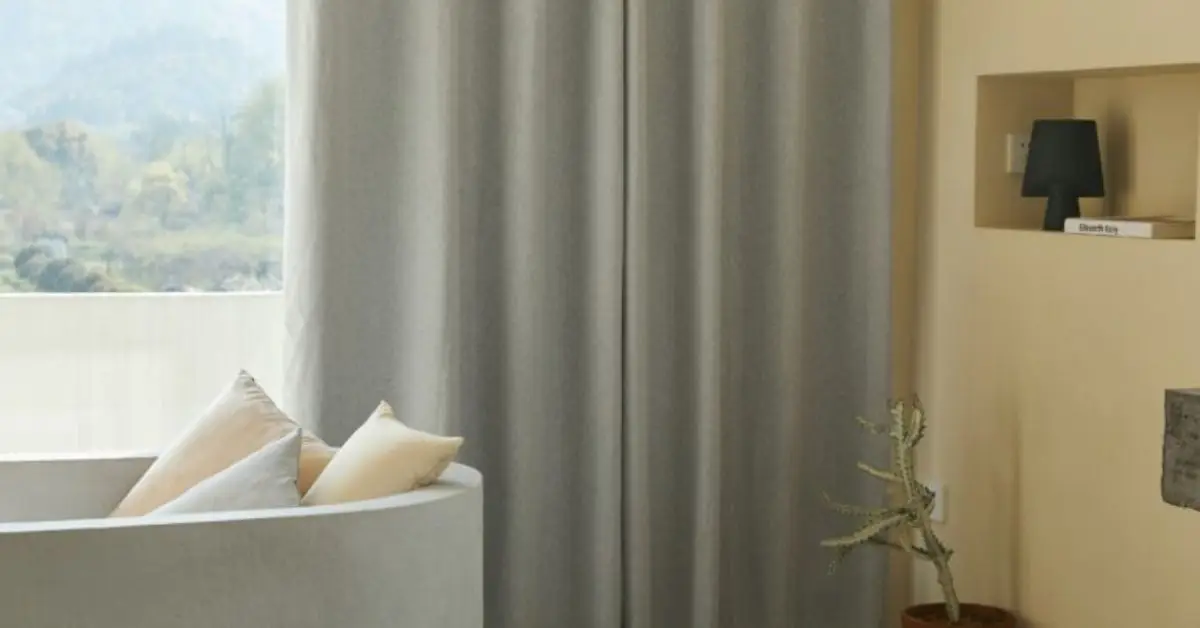
Once you know how to do it, the next question is “how often?” I can tell you from experience that timing makes a big difference — too infrequent and the dust just keeps building, too often and you waste time.
Here’s a practical schedule you can follow:
- Heavy fabrics (velvet, brocade, thick cotton): Dust every 1–2 weeks.
- Sheer or light fabrics: Dust monthly.
- Busy rooms (living room, high traffic): Weekly.
- Low traffic rooms (guest bedroom): Every 3–4 weeks.
Experts generally recommend a combination of weekly vacuuming/dusting and a more thorough clean every 3–6 months depending on your environment and fabric type. Regular routines like this help prevent heavy buildup and keep allergens under control.
Common Mistakes to Avoid When Dusting Curtains
You’ve learned how to dust effectively, but there are a few pitfalls I see people slip into again and again. Avoiding these will save you time, frustration, and sometimes even costly damage to your curtains.
Using Harsh Chemicals
The biggest mistake is reaching for strong cleaners or sprays right away. Harsh chemicals can strip color, weaken fabric fibers, or leave residues that actually attract more dust later. I’ve seen this happen with bleach‑based sprays or generic multipurpose cleaners — they can make your curtains look cleaner for a moment but harm the fabric over time. Always stick to gentle, fabric‑safe products or just water and microfiber where possible.
Skipping the Rods and Cornices
Most people focus only on the curtains and forget the hardware. Curtain rods, cornices, and the tops of window frames collect dust just as fast — and if you ignore them, every time you open or close the curtains you’re redistributing that dust right back onto the fabric. Dusting curtains without cleaning AC vents or surrounding hardware is like mopping a dirty floor — you’re only half done.
Ignoring Air Vents and Filters
Your curtains don’t live in isolation — dust from vents, fans, or dirty filters constantly blows into the room and settles on fabric surfaces. If you don’t clean or replace HVAC filters regularly, and wipe down vents and fan blades, you’re going to undo a lot of the good work you just did on the curtains themselves. This constant dust circulation is a common reason curtains get grimy again so quickly.
Bonus Tips for Cleaner Air and Longer‑Lasting Curtains

If your goal is truly dust‑free air and curtains that stay fresher between cleanings, here are some extras I add to my routine — beyond the basic dusting steps.
Regular Vacuuming and Air Purifiers
Keeping up with vacuuming floors, upholstery, and even air vents helps reduce the overall dust load. Running a HEPA‑filtered air purifier in key rooms — bedrooms and living areas — can trap airborne particles before they ever land on your curtains. According to expert cleaning guides, maintaining these habits not only keeps dust down but also extends the time between deep curtain cleanings, making your whole space feel cleaner longer.
Washable Curtain Liners for Easy Maintenance
If your curtains have liners — or if you add removable liners — you’ve already cut your workload in half. If you want similar tips for keeping other types of curtains fresh, check out my guide on 6 super-effective ways to clean your shower curtain liner. Liners catch much of the dust that would otherwise settle on the main fabric, and you can wash them far more easily and frequently. This strategy is recommended by many home cleaning pros as a way to keep the main curtain fabric in better condition longer.
Seasonal Deep Cleaning Routine
I like to pair my weekly or monthly dusting with a seasonal deep cleanse — usually in spring and fall. These are times when pollen, temperature changes, and increased air circulation can introduce more allergens into your home. Planning a deeper curtain clean at these points not only refreshes the fabric but also gives you a chance to inspect for wear, fading, or spots that need extra attention.
Conclusion: Take Control of Dust and Breathe Easier
Now that you know how to dust your curtains properly, understand your fabrics, and have the right tools in hand, keeping your home fresh doesn’t have to be a chore. Even small, regular steps — from vacuuming and lint-rolling to using air purifiers — add up to cleaner air, fewer allergens, and curtains that last longer.
I’ve shared what I’ve learned from experts, real-life routines, and practical hacks you can implement today. But the most important step is actually taking action — start with your most-used room and notice the difference for yourself.
Here’s my invitation to you:
- Share your own tips, struggles, or results in the comments below — I love hearing how others make their homes healthier and cleaner.
- If you want more practical, step-by-step guides for home maintenance and cleaning, check out Build Like New for in-depth tips that save time and improve your space.
Remember: a little attention to your curtains goes a long way for your air quality, comfort, and peace of mind. So don’t wait — start dusting today and see the difference for yourself!
Disclaimer: This guide is for general informational purposes only. Always check your curtain care labels and follow manufacturer instructions. Build Like New is not responsible for damage to fabrics or adverse reactions from cleaning products.