
Plumbers Reveal 9 Things You Should Never Flush or Pour Down the Sink
I’ve been in plumbing for over 20 years, and if there’s one thing I can’t stress enough, it’s this: what you pour down your drain matters a lot more than most people realize. I’ve seen countless kitchen sinks, bathroom drains, and even main sewer lines get clogged with things people thought were harmless. The problem isn’t just the inconvenience—it’s the cost, the damage to your pipes, and sometimes even the impact on the environment.
In this article, I’m going to walk you through 9 everyday items that plumbers like me warn you never to pour down the drain. I’ll explain why each one is dangerous, share practical alternatives, and give you tips to keep your drains flowing smoothly for years to come. By the end, you’ll know exactly what to watch out for in your home—and why a little awareness now can save a lot of headaches later.
How Drains Work — Basic Plumbing You Should Know
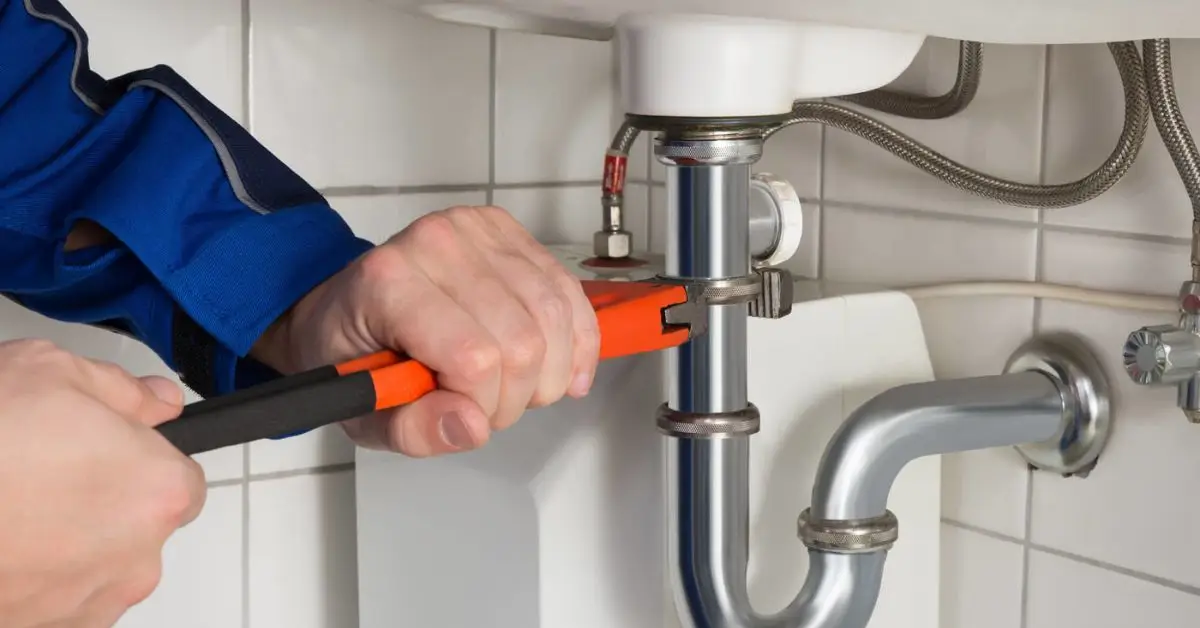
I’ve spent decades crawling under sinks and inspecting clogged pipes, and one thing I’ve learned is that most people don’t really understand how their drains work. When you know the basics, it becomes much easier to see why certain everyday items can cause major problems. Let me break it down for you.
At a basic level, a home drain has three main parts:
- The trap: That U-shaped section under your sink or shower. It holds a small amount of water to prevent sewer gases from coming up into your home. But it’s also the first spot where solids, grease, or fibers can get stuck.
- The pipe system: Pipes carry water from your fixtures to the main sewer line. They can be PVC, metal, or older clay pipes, and each reacts differently to substances that aren’t meant to flow through them. Grease can cling to pipe walls, starchy foods can swell, and fibers like onion skins or hair can tangle and catch debris.
- The main sewer line: This is the pipe that leads to your city sewer or septic system. Blockages here are costly and messy, and they often start from small habits at your kitchen sink or bathroom drain.
Here’s something people often misunderstand: garbage disposals aren’t magic machines that can handle everything. They’re great for soft food scraps, but anything stringy, starchy, or fatty can wrap around the blades or stick inside the pipes. I’ve pulled out countless “harmless” scraps that ended up causing hours of work—and hundreds of dollars in repairs.
Understanding these basics can save you a lot of trouble. The more you know about how pipes react to what you pour down them, the easier it is to make smarter choices. If you want a quick reference from a reliable source, Oatey’s plumbing experts guide does a great job explaining common household mistakes and why they’re harmful.
Key takeaways to remember:
- Traps catch debris—don’t rely on them as a filter.
- Pipes can’t handle everything you throw at them; even “soft” foods can cause buildup over time.
- Garbage disposals are helpful, but they aren’t designed for everything—treat them carefully.
Once you keep these points in mind, it becomes much clearer why certain items—like grease, coffee grounds, or eggshells—can turn a simple drain into a plumbing nightmare.
The Top 9 Everyday Items You Should Never Pour Down Your Drain
Over the years, I’ve seen the same culprits cause clogged drains again and again. Some are obvious, but others are everyday things you’d never think could be a problem. Let’s go through them one by one so you can protect your pipes and avoid costly repairs.
1. Grease, Fats, and Cooking Oils
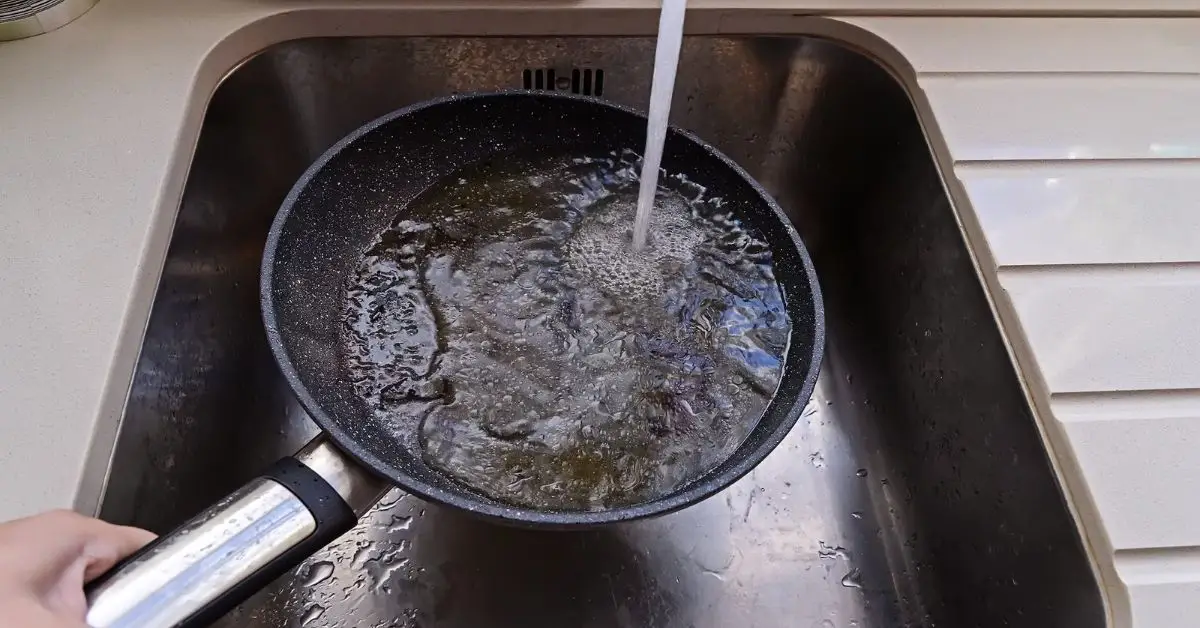
Grease is one of the sneakiest threats to your plumbing. Even if you pour hot water down the sink right after, fats quickly solidify inside your pipes. Over time, they create thick layers that catch food debris, forming a blockage that can be a nightmare to clear.
- Municipal “fatbergs” are massive clogs caused by households pouring fats down the drain.
- Alternative: Let grease cool, scrape it into the trash, or save small amounts for compost or recycling programs.
Why this matters: This is the most common cause of home clogs and often leads to expensive repairs.
2. Coffee Grounds
I see coffee grounds in the sink almost every day. The problem is they clump together and trap other debris, forming a stubborn mess. Garbage disposals won’t save you here—they don’t grind grounds fine enough to prevent buildup.
- Alternative: Compost them or use them in your garden soil.
Why this matters: Many people pour coffee grounds daily without realizing they’re slowly damaging their pipes.
3. Starchy Foods (Pasta, Rice, Potatoes)
Starchy foods swell with water and form glue-like layers along your pipes. I’ve pulled out entire clumps of dried pasta and rice from sinks that looked fine until they completely blocked the drain.
- Alternative: Scrape leftovers into the trash before rinsing.
Why this matters: This is a common habit that seems harmless but causes clogs over time.
4. Eggshells
Eggshells might feel soft enough for your disposal, but fragments stick to the blades and trap debris in the pipes.
- Alternative: Composting works perfectly—they’re nutrient-rich for soil.
Why this matters: There’s a common misconception that shells sharpen your disposal; in reality, they create clogs.
5. Fibrous Produce (Celery, Corn Husks, Onion Skins)
Stringy vegetables can be a real headache. I’ve seen fibers wrap around disposal blades or coil inside the pipes, snagging everything else that comes down the sink.
- Alternative: Compost or toss them in the trash.
Why this matters: These soft foods look harmless but are often the start of serious clogs.
6. Household Cleaners & Harsh Chemicals
Many people think pouring bleach or drain cleaners is a fix-all. In reality, corrosive chemicals can eat away at your pipes over time and harm your septic system. Plus, they pollute the water supply if flushed into the sewer.
- Alternative: Take hazardous chemicals to a proper disposal facility.
Why this matters: Long-term damage and environmental harm make this a risk that’s rarely worth taking.
7. Paint and Solvents
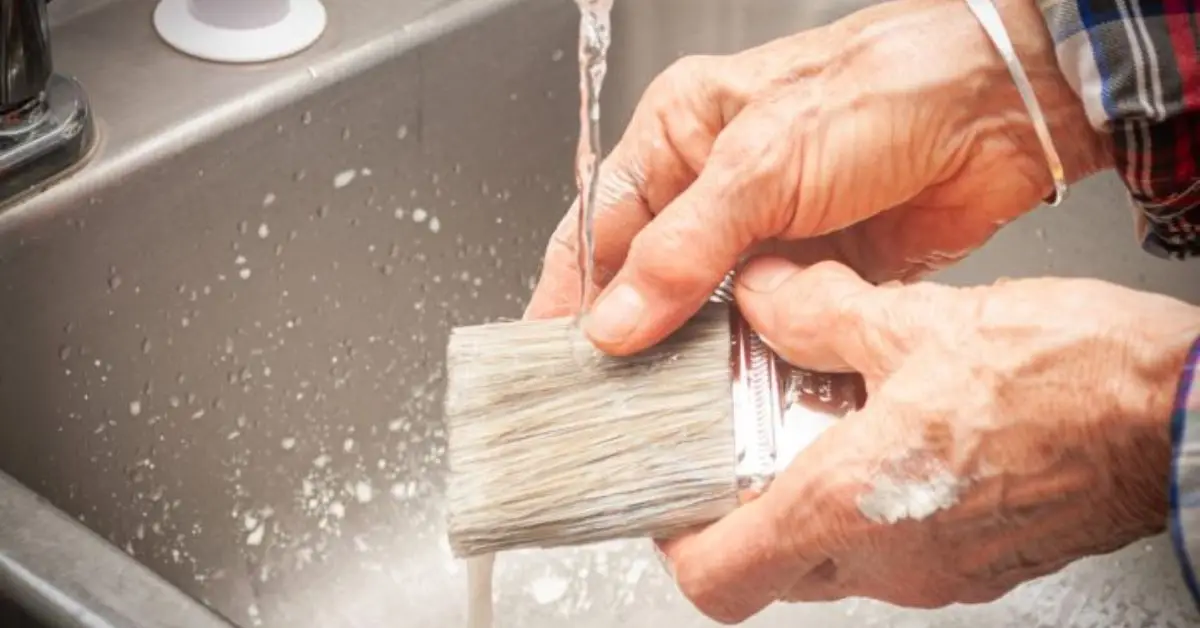
I can’t stress this enough: paint, paint thinner, and solvents do not belong in your drain. They can corrode pipes and contaminate the municipal water system.
- Alternative: Use hazardous waste collection stations.
Why this matters: Even small amounts can cause serious damage and are strictly regulated by local authorities.
8. Produce Stickers and Small Labels
It might seem silly, but those little stickers on fruits and veggies can stick inside your pipes or garbage disposal, capturing debris around them.
- Alternative: Always remove stickers before washing or cooking.
Why this matters: Small, easy-to-miss contributors that quietly add up to clogs.
9. Kitty Litter (Even “Flushable” Types)
I’ve pulled many “flushable” litters from drains, and they always clump into solid masses that block pipes.
- Alternative: Dispose of kitty litter in the trash only.
Why this matters: This is a big mistake that can lead to major backups and emergency plumbing calls.
For a more detailed expert breakdown of why these items are so damaging, consult this comprehensive plumbing resource from Plumb Works. They explain how these everyday mistakes impact both home pipes and municipal systems, and it’s a guide I often share with clients.
Other Drain No‑Nos You Should Know About
Even after avoiding the top nine items, there are a few more sneaky things that can silently ruin your drains. I’ve learned that knowing these can save you a lot of frustration.
- Paper towels, tissues, cotton balls: They might seem disposable, but they don’t break down in water. Over time, they can create thick clogs.
- Wet wipes advertised as “flushable”: Despite what the packaging says, these wipes rarely dissolve and often cause major blockages.
- Hair clippings from bathroom sinks: Hair wraps around the drain and traps soap scum or other debris, gradually forming a stubborn blockage. Hair and soap scum can sneakily clog your drains over time—these 7 tips show you exactly how to clear a clogged bathtub drain fast.
- Plastic wrappers and microplastics: Small, lightweight plastics often escape detection but end up in pipes or municipal water systems, causing environmental damage.
- Medication: Flushing unused pills can harm local waterways and contaminate drinking water—always use pharmacy take-back programs.
Quick Guide — What Can Go Down Your Sink Without Risk
I know it can feel like “everything is off-limits,” but there are safe items you can pour down your drains if done correctly:
- Hot water (in moderation): Helps prevent grease buildup when used occasionally. But even pouring something as simple as boiling water can cause unexpected damage—here are 7 reasons you should never pour boiling water down your drain.
- Soap and biodegradable dish residues: Safe and breaks down naturally in pipes.
- Small amounts of rinsed food with strainers: Using a strainer catches debris before it enters the pipes.
Smart Drain Maintenance Tips From Plumbers
After years of cleaning drains, I’ve found a few habits that prevent most problems before they start:
- Use sink strainers and garbage disposals correctly: Never overload your disposal, and always catch solid debris.
- Regular flush with hot water: Even a weekly rinse can prevent fats and food particles from building up. If you want to take your drain care a step further and tackle small annoyances like drain flies, check out these 9 drain cleaning hacks that actually work.
- Know when to call a pro: Some clogs aren’t DIY-friendly. Early intervention can save both time and money.
If you want a detailed, professional guide on maintaining drains and preventing chemical or debris-related damage, this resource from Field Insight has a great step-by-step approach for homeowners—it’s the advice I often share with clients.
Real Costs of Ignoring These Warnings
I can’t tell you how many times I’ve seen a simple habit—like pouring grease or coffee grounds down the sink—turn into a major headache. The costs can be shocking:
- Average drain cleaning vs. full pipe repair: A professional drain cleaning might run $150–$300. Ignore the warning, and a full pipe replacement can easily exceed $1,000. I’ve been on calls where clients paid thousands just because a small habit spiraled into a serious blockage.
- Environmental cleanup costs: Flushing chemicals, medications, or “flushable” wipes doesn’t just harm your home—it pollutes rivers and treatment plants. Municipal cleanup programs spend millions every year addressing preventable clogs caused by household negligence.
- Case examples from my experience: I once had a client whose kitchen sink was backed up for weeks. The culprit? A mix of starchy pasta, coffee grounds, and leftover grease. What could have been solved with a simple habit change turned into a full pipe snaking and multiple service visits.
The reality is simple: small, daily actions at your sink can save you money, time, and stress—or cost you dearly if ignored.
Drain Habits That Save Money and Headaches
Here’s the truth I tell every client: most plumbing problems are preventable if you pay attention to what goes down your drains.
- Plan before you pour: Always scrape food into the trash, compost responsibly, and keep harsh chemicals out of the drain.
- Use tools wisely: Strainers, garbage disposals, and hot water flushes can prevent buildup.
- Know your limits: When in doubt, call a professional before small clogs become expensive disasters.
By making a few simple changes, you can save hundreds—even thousands—of dollars, protect your pipes, and reduce your stress.
I’d love to hear from you—what drain habits have worked in your home, or what mistakes have you learned the hard way? Leave a comment below, and if you want more practical, experience-backed home tips, check out Build Like New for guides, advice, and real solutions to common household problems.
Disclaimer: The information in this article is for general guidance only. Always follow local regulations and manufacturer instructions, and consult a licensed plumber for serious or persistent drain issues. Build Like New is not responsible for damages or injuries resulting from following these tips.


