Officials: 1 Dead, 6 Displaced in Maryland House Fire
When I read about this fire, the first thing that stuck with me was the timing. Around 1:16 a.m., when most people are asleep and least prepared to react, a house on the 7200 block of Karen Anne Drive in Camp Springs went up in flames.
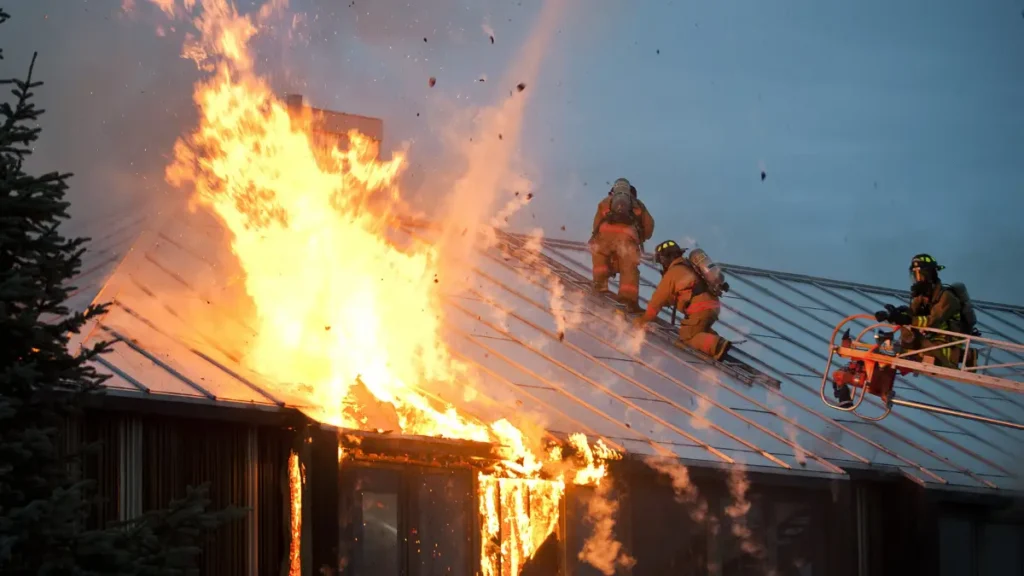
You can imagine how fast panic sets in at that hour. According to officials, Prince George’s County Fire Department crews rushed to the scene after reports of a house fire. By the time they arrived, the fire was already blazing through the roof of the home — a sign that it had spread aggressively before anyone could intervene.
This wasn’t a minor incident or a slow-burning situation. The fire had enough intensity to compromise the structure, forcing firefighters to act immediately to bring it under control and begin search operations inside the house.
If you live in a residential neighborhood like this one, especially in winter, this part should hit close to home. Fires don’t wait for daylight — and response time becomes everything when people are inside, asleep, and unaware.
Does your home have a clear plan for what happens if a fire breaks out in the middle of the night?
Crews Arrive to a Blaze Raging Through the Roof
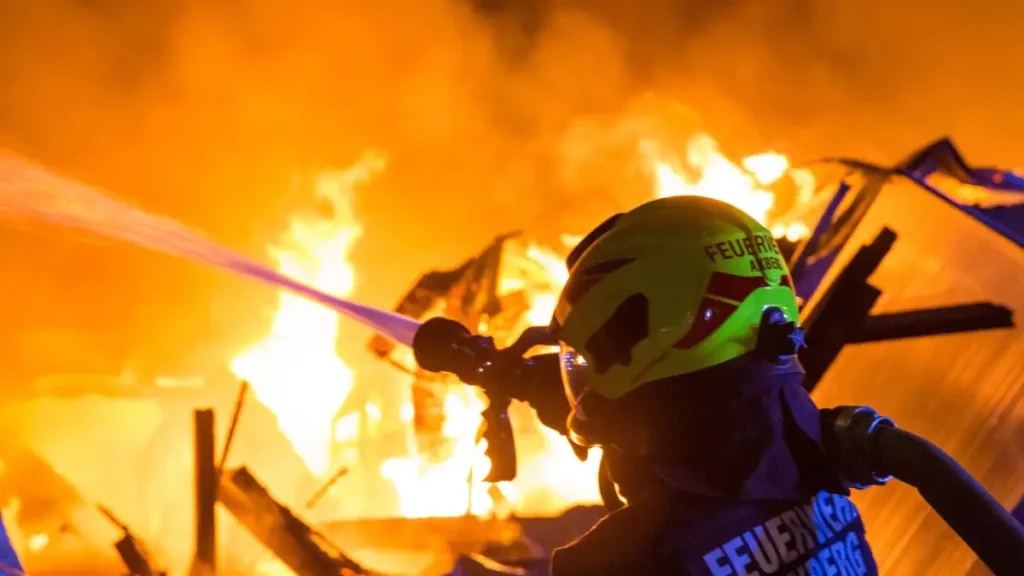
When firefighters reached the 7200 block of Karen Anne Drive in Camp Springs, this was already a serious situation. According to WUSA9, crews were dispatched around 1:16 a.m. after reports of a house fire in the neighborhood.
By the time they arrived, the fire was blazing through the roof of the two-story split-foyer home. That detail matters, because once flames reach the roof, it usually means the fire has spread fast and aggressively.
Firefighters moved quickly and were able to knock down the flames, preventing the fire from spreading further. But even with a fast response, the damage had already been done.
If you’ve ever driven past a house fire the morning after, you know this kind of scene doesn’t come from a small mistake — it comes from a fire that took control in minutes.
One Person Found Dead Inside the Home
As crews searched the house after putting out the fire, they made a heartbreaking discovery. One person was found dead inside the home.
At this point, officials have not released the victim’s identity, and they haven’t explained the circumstances surrounding the death. That silence isn’t unusual in cases like this. Investigators need time, and families need to be notified properly.
For you reading this, it’s a sobering reminder of how unforgiving house fires can be — especially at night. When people are asleep, escape windows shrink fast, and survival can come down to seconds.
This isn’t just a statistic. It’s a life lost in a place that was supposed to be safe.
Six People Displaced as Emergency Help Steps In
Beyond the fatality, six other people were forced out of their home by this fire. They’re now without a place to live, heading into a weekend where severe weather is expected.
The Prince George’s County Office of Emergency Management is helping those displaced, working to make sure they have temporary support and shelter. That assistance can be the difference between stability and chaos after a disaster like this.
Try to put yourself in their position. One night changes everything — where you sleep, what you wear, what you even have left. Displacement after a fire isn’t just inconvenient; it’s emotionally exhausting.
This part of the story matters because fires don’t just damage buildings. They disrupt entire lives.
Sadly, this isn’t an isolated incident — earlier, a house fire in Miamisburg also claimed one life under similar overnight conditions.
Fire Cause Still Unknown, Smoke Alarm Status Unclear
Right now, investigators are still working to determine what caused the fire. No official cause has been announced, and there’s no timeline for when that information might be released.
Another key detail remains unclear: whether the home had working smoke alarms. That question often becomes central in fatal fire investigations, because early warning can mean the difference between escape and tragedy.
No other injuries were reported, which suggests some people made it out safely. But until investigators finish their work, many important answers are still missing.
If you’re reading this and wondering how something like this starts — you’re not alone. That question is exactly what investigators are trying to answer.
Why Fires Like This Are More Common in Winter?
There’s a reason officials keep stressing fire danger during the winter months. Cold weather changes how we live — we use heaters, fireplaces, space heaters, and extra electrical devices more often.
Winter also means closed windows, tighter indoor spaces, and longer hours spent inside. When something goes wrong, smoke and heat can build up quickly, especially at night.
This Camp Springs fire fits a pattern that firefighters see every year. It’s not about one unlucky home — it’s about a season where risks quietly stack up until something ignites.
As you read this, it’s worth asking yourself: what’s running in your home tonight that wouldn’t be there in summer?
Stories like this aren’t rare during winter, and updates often come fast as investigations move forward. Some readers prefer getting brief fire-safety alerts and local incident updates directly on their phones as these situations develop.
Simple Fire-Smart Steps Officials Urge During Winter
When tragedies like this happen, officials often repeat the same message — not because it sounds good, but because it works.
Winter puts extra strain on homes. Heaters run longer. Electrical outlets work harder. Fireplaces and space heaters come back into daily use. One small mistake can turn dangerous fast.
That’s why fire officials keep stressing basics: keep anything that can burn at least three feet away from heat sources, whether that’s a fireplace, radiator, or space heater. Never overload outlets, and avoid running multiple heat-producing devices from a single plug.
These steps may sound simple, but they’re often what separates a close call from a catastrophe.
Carbon Monoxide, Generators, and Hidden Winter Risks
Fire isn’t the only danger during colder months — carbon monoxide quietly becomes a major threat.
Officials urge homeowners to install and test carbon monoxide alarms regularly, especially if they use gas heat, fireplaces, or generators. A working alarm gives you time. Without one, people often don’t realize there’s a problem until it’s too late.
Portable generators are another risk point. They should never be used indoors or near windows, even if it’s cold or raining outside. Exhaust fumes can build up quickly and become deadly.
If you’re using heat or backup power right now, this is the section that deserves your full attention.
Similar winter fire patterns have been seen in other states as well, including a recent Pennsylvania house fire that left three people dead and one injured.
What We Know — And What We Still Don’t
Here’s where things stand right now.
We know one person lost their life. We know six others were displaced. We know the fire spread fast and caused serious damage to the home.
What we don’t know yet is how the fire started, whether smoke alarms were working, or what exact circumstances led to the fatality. Those answers will come only after investigators complete their work.
That uncertainty can feel frustrating as a reader, but it’s also a reminder that early fire reports are just the beginning of the story — not the final word.
In some cases, answers only come days later, as seen in a Litchfield home fire where two people were later found dead after investigators completed their work.
A Moment to Pause and Check Your Own Home
Stories like this are hard to read — and easy to move past. But they’re also moments to stop and look around your own space.
Take a minute tonight. Check your smoke alarms. Look at what’s plugged in. Think about how you’d get out if a fire broke out while you were asleep.
I’ll ask you this honestly: if something went wrong at 1 a.m., would everyone in your home know what to do?
If this story made you stop and think, that pause alone could make a difference.
If stories like this matter to you — not just as headlines, but as real reminders — you can follow our ongoing coverage and safety updates on X and stay part of the discussion in our Facebook community.
Disclaimer: This article is based on official information available at the time of reporting. Details such as the cause of the fire, the victim’s identity, and safety conditions may change as the investigation continues. Readers are advised to follow updates from local authorities for the most accurate information.