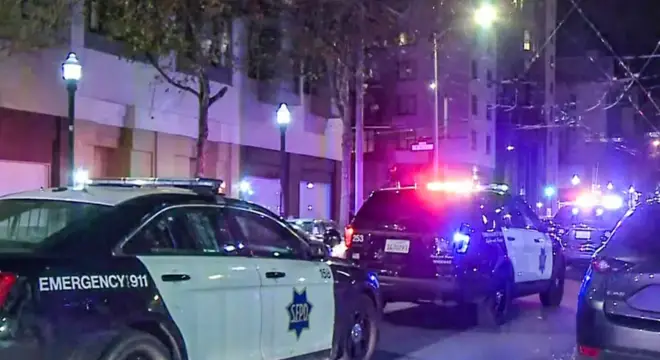
Fire Breaks Out at Missouri Assisted Living Home, Three Die
I want to start with what we know for sure, because when a story like this breaks, rumors move faster than facts.
Early Tuesday morning, a fire tore through a Fayette assisted living home, killing three people before help could reach them. Firefighters arrived just before 7 a.m. and found one of the buildings — a mobile home with a full basement — already swallowed by flames. There was no chance for an interior rescue. The fire was fully involved.
If you live in a small town, you know how fast news like this hits close to home. This wasn’t a large medical facility or a high-rise complex. It was part of the Perkins Residential Care Center, a local assisted living operation running out of two buildings. One of them became the site of this tragedy.
Three residents were trapped inside before firefighters arrived. Their names have not been released yet. What we do know is that three others managed to escape, including a woman in a wheelchair, and none of the responders were hurt.
I’m telling you this upfront because clarity matters — especially in stories involving care homes, where families immediately ask the same question: How could this happen so fast?
As you read on, I want you to think about this too: When was the last time you checked how prepared an assisted living facility really is for something like a fire?
What Firefighters Faced When They Arrived?
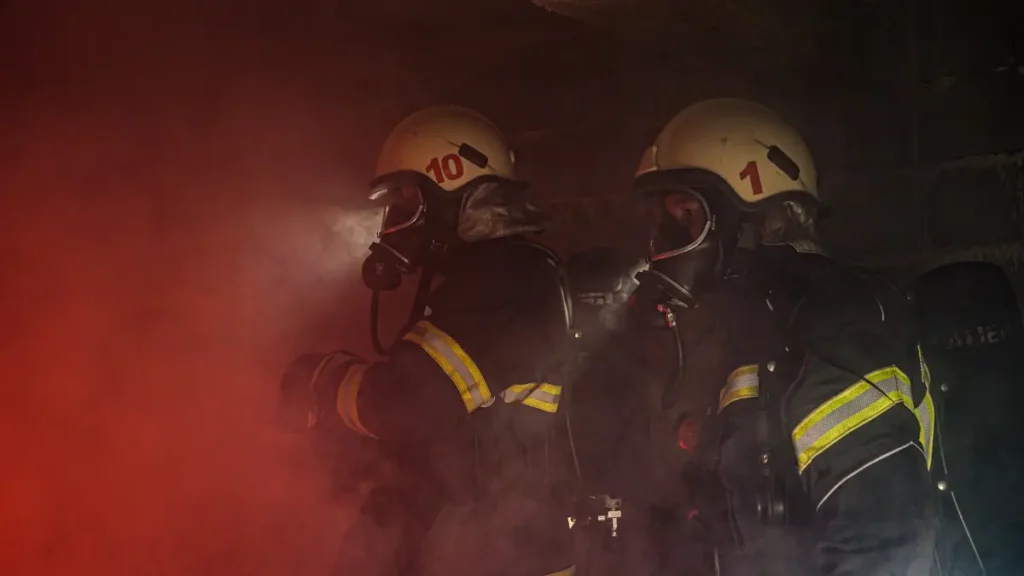
When firefighters reached Villers Drive shortly before 7 a.m., the situation was already out of control. The building involved wasn’t a large facility — it was a mobile home with a full basement, and it was fully engulfed in flames by the time crews arrived, according to KRCG TV News.
Fire officials said the fire was so intense that there was no option for an interior attack. Flames had already overtaken the structure, forcing firefighters to battle the blaze from the outside only.
Fayette Fire Department Co-Chief Steven Morrow explained that when crews arrived, the home was already “fully involved,” making rescue attempts inside unsafe. For a volunteer department responding in a small town, it was the worst kind of call — arriving too late to stop the fire from taking over.
Fires that break out in the early morning hours often leave little room for rescue — a pattern also seen in cases like the Elkton home fire that injured five people before sunrise.
Who Was Inside — What We Know
Before firefighters even reached the scene, they already knew something devastating: three people were trapped inside the home, according to ABC17 News.
Officials later confirmed that six people were inside the mobile home at the time of the fire. Three managed to escape without injuries — including a woman who uses a wheelchair — but three residents did not survive.
A family member identified one of the victims as 63-year-old Marcia Lyon, sharing that she may have been trying to help others when the fire broke out. That detail adds a human layer to what might otherwise feel like just another tragic statistic.
The Call That Started It All
This wasn’t a random passerby who noticed the danger. An employee of the Perkins Residential Care Center for Assisted Living was the first to sense that something was wrong.
They smelled smoke early Tuesday morning and did what anyone should do in that situation — they called 911 immediately.
That quick reaction matters because it gave emergency responders the earliest possible heads-up. Even when a blaze has already taken hold, every extra minute counts.
Inside the Assisted Living Setup That Burned
When most people hear “assisted living,” they picture a structured home with multiple rooms, corridors, and staff nearby. In this case, the facility operated out of two buildings, and the one that caught fire was a mobile home structure.
Mobile homes burn differently than more solid commercial buildings: thinner walls, smaller layouts, and faster heat build-up mean a fire can become deadly in minutes. When you combine that with residents who may have mobility issues or need help moving, the danger multiplies.
That’s why three people escaping — including someone in a wheelchair — is both a relief and a reminder of how quickly situations can turn life-threatening.
Mobile home fires tend to spread fast and leave residents with very little escape time, something that has proven deadly in other incidents, including an Indianapolis mobile home fire where an elderly resident and two pets lost their lives.
Small Town, Big Loss — The Human Side of the Response
This wasn’t a city fire department with dozens of full-time professionals. Fayette’s Fire Department is entirely volunteer-based, which means the people showing up to this blaze were neighbors, friends, and familiar faces to many in the community.
Co-Chief Steven Morrow put it plainly: “It’s very difficult. We’re a completely volunteer department, so it’s a small community.”
When fire crews in a town like this respond to a scene, they’re not just doing a job — they’re showing up for people they know, or at least people their neighbors know. That’s a different kind of emotional weight, and it’s part of why stories like this ripple so deeply through small towns.
No firefighters were seriously injured in this call — and that’s not trivial. But the emotional and mental toll of scenes like this doesn’t just go away when the last truck rolls back into the station.
What Investigators Are Looking at Now?
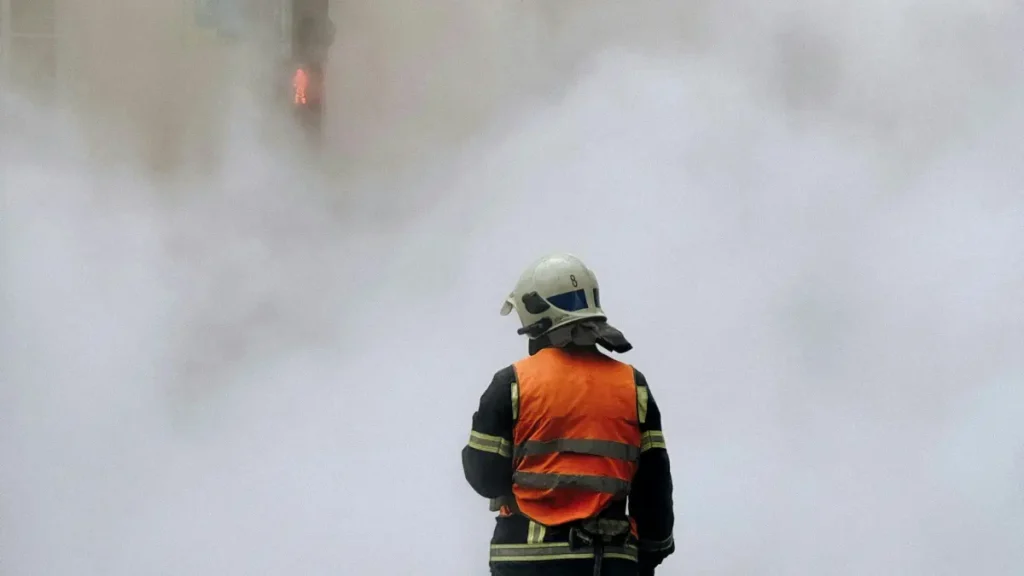
Once the fire was under control and crews confirmed there was nothing more they could do, the focus shifted to one hard question: how did this start?
State fire investigators stepped in to examine the scene, looking for the origin point and any signs that could explain how the fire spread so fast. At this stage, no official cause has been announced. That’s normal in cases like this — especially when the structure is heavily damaged.
If you’ve followed fires involving care homes before, you already know this part takes time. Investigators have to separate facts from assumptions, and in tragedies involving loss of life, they move carefully. Answers matter, but accuracy matters more.
Why Fires in Assisted Living Homes Turn Deadly So Fast?
I want you to pause here, because this is bigger than one incident.
Assisted living residents often need extra time to move, process danger, or get help. Fires don’t wait for that. When a blaze starts early in the morning — when people are sleeping or just waking up — escape windows shrink fast.
Add a mobile home structure to the mix, and the risk increases even more. Fires in these buildings can spread rapidly, cutting off exits before residents fully understand what’s happening.
This doesn’t mean assisted living homes are unsafe by default. But it does mean that fire preparedness, early detection, and fast response are not optional — they’re lifesaving.
In many fires, survival comes down to seconds and instinctive decisions — like in a separate case where a woman escaped a Forest Park house fire by jumping from a second story.
What Families Should Be Asking After This Fire
If you have a loved one in assisted living, stories like this hit differently. You don’t just read them — you measure them against your own situation.
Here’s what I’d ask, starting today:
- How are fires detected in the building?
- Are residents regularly guided through emergency plans?
- How quickly can staff assist residents who can’t move on their own?
- What kind of structure is the facility housed in?
These aren’t uncomfortable questions. They’re responsible ones. And any facility that takes safety seriously should be ready to answer them clearly.
Many families prefer getting quick, real-time updates during emergencies like this, especially when official details change hour by hour.
What We Know — and What Still Needs Answers
Right now, the facts are clear on some points and still developing on others.
- We know three people lost their lives.
- We know others escaped without injury.
- We know firefighters arrived to a scene that was already beyond rescue.
What we don’t yet know is why this fire started — or whether anything could have slowed it down.
As more details come out, they’ll help families, caregivers, and communities learn from this loss. But for now, the focus remains on the people who didn’t make it out — and on making sure their deaths aren’t just another headline we scroll past.
Before you move on, let me ask you something honestly:
If a fire broke out tonight where your loved one lives, are you confident you know how prepared that place really is?
That question alone makes this story worth paying attention to.
If you want to stay informed about similar incidents and safety updates, you can follow our reporting on X and join the conversation in our Facebook community, where these issues are discussed in real time.
Disclaimer: This article is based on information available at the time of reporting. Details may change as investigators release new findings and officials confirm additional facts. Readers are advised to follow local authorities and verified news sources for updates.