Stop Storing These 7 Things in Your Attic — Toss Them Now
Most people treat the attic like a safe hiding place. Out of sight, out of mind. I used to think the same way—until I saw how much damage an attic can quietly do.
Here’s the thing no one tells you clearly enough: an attic is one of the harshest environments in your home. Extreme heat in summer, cold in winter, humidity swings, pests, and poor airflow. That combination slowly destroys items you actually care about, even if they look “fine” when you check on them.
When I analyzed what top home sites keep repeating, I noticed a pattern. They list items, but they don’t explain the real why or what homeowners regret losing later. And they rarely talk about safety risks, emotional loss, or the false sense of protection people have when items are boxed up.
In this guide, I’m not here to scare you or make you throw everything away. I want to help you make smarter decisions. If you’re storing things in your attic right now, there’s a good chance some of them fall into the category of attic storage items to toss—not because they’re useless, but because the attic is the worst place for them.
Before we go any further, take a second and think: what’s one item in your attic that you’d be genuinely upset to lose or damage?
Why Your Attic Is a Risky Storage Space
If you’ve ever stepped into your attic in the middle of summer, you already know the truth—it doesn’t feel anything like the rest of your house. I’ve seen attics that feel closer to an oven than a storage room.
Most attics aren’t climate-controlled. That means they go through brutal temperature swings, moisture buildup, and long periods of stale air. According to home experts at The Spruce, attic temperatures can easily cross 130°F in summer, and that kind of heat quietly breaks down materials over time.
Here’s what’s really happening up there, even if everything looks “fine” on the surface:
- Extreme heat weakens plastic, melts adhesives, and shortens the life of almost anything manufactured
- Humidity cycles cause paper, fabric, and wood to absorb moisture, dry out, and repeat—leading to warping, mold, and rot
- Poor ventilation traps heat and moisture instead of letting it escape
- Easy pest access means rodents and insects can damage items without you noticing for months
The mistake I see most people make is assuming that boxes and bins equal protection. They don’t. You’re storing items in one of the most unstable environments in your home and expecting them to age well. That’s why certain attic storage items aren’t just “not ideal”—they’re a real risk. If you’re unsure whether your attic has crossed the line from storage to problem area, these warning signs you’ve got way too much junk in your attic can help you spot issues before they turn into real damage.
1. Electronics and Batteries — A Fire & Damage Hazard
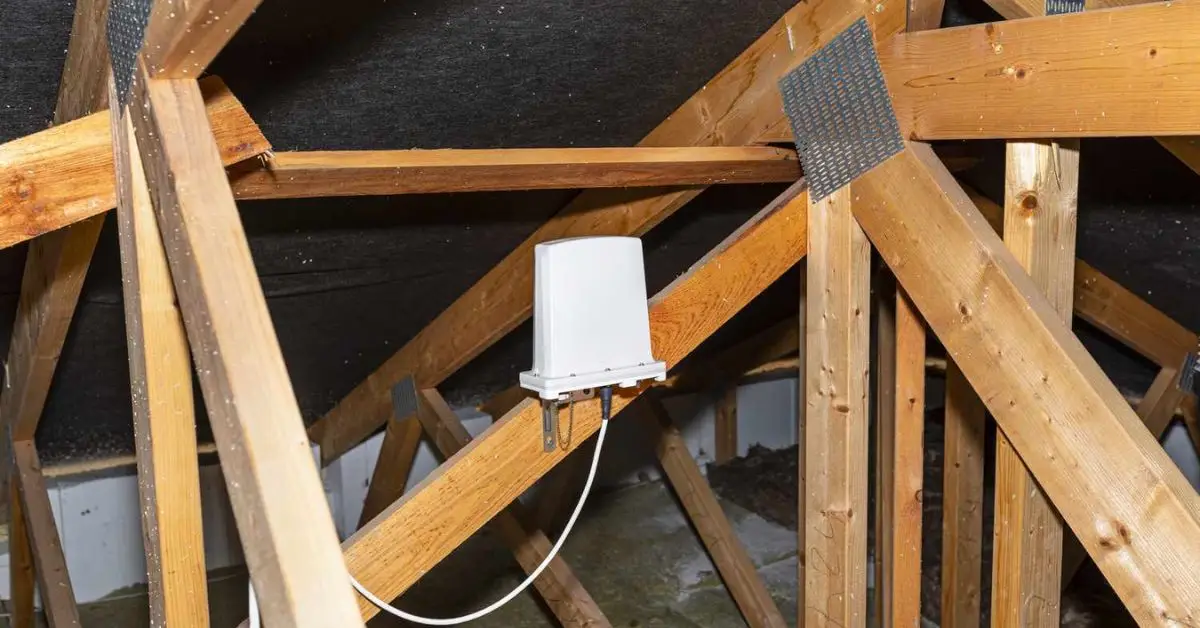
This is one category I never ignore, because it’s not just about money—it’s about safety.
Electronics are built to run within a narrow temperature range. When you store them in an attic, you’re exposing delicate internal parts to heat stress over and over again. I’ve seen laptops that won’t boot, game consoles with warped boards, and old TVs that fail the moment they’re plugged back in.
How heat breaks electronics down
Inside every electronic device are components that don’t handle heat well. Over time, attic conditions can:
- Dry out capacitors and solder joints
- Warp plastic housings and circuit boards
- Cause internal connections to loosen or crack
- Reduce lifespan even if the device is never turned on
You might think, “I’ll only store it for a year.” But repeated heat exposure does cumulative damage. By the time you need it again, it may already be done.
Batteries and explosion or fire risks
Batteries are even more dangerous. Extreme attic heat increases internal pressure, which can lead to:
- Battery leakage that damages surrounding items
- Swelling or rupture, especially with lithium-ion batteries
- Fire risk, particularly when batteries are stored loose or inside devices
This is why safety authorities consistently warn against storing batteries in hot spaces. If something goes wrong, an attic fire can spread fast before you even notice.
What you should do instead:
- Recycle old electronics you no longer use
- Remove batteries before storing devices elsewhere
- Store electronics in a cool, dry, indoor space—not above your ceiling
Before you move on, ask yourself this honestly: if one overheated device failed or caught fire, would it be worth the convenience of attic storage?
2. Photos, Documents & Paper Goods — Irreversible Damage
This one hits people emotionally. I’ve yet to meet someone who says, “I don’t care if old photos or documents get ruined.” And yet, this is one of the most common attic mistakes I see.
Paper feels sturdy, but it’s incredibly sensitive to its environment. In an attic, it doesn’t fail all at once. It fails slowly—and by the time you notice, the damage can’t be undone.
What humidity does to paper, photos, and certificates
Attic humidity rises and falls constantly. That cycle is brutal for anything paper-based. Over time, you’ll start to see:
- Photos sticking together or fading unevenly
- Important documents curling, yellowing, or becoming brittle
- Ink bleeding or smudging on certificates and letters
- Mold spots that spread even inside boxes
What makes this worse is that most people don’t check these items often. You assume they’re safe because they’re packed away. They’re not.
Home and tech experts at Tom’s Guide specifically warn that attics are one of the worst places to store photos and documents because heat and moisture cause permanent deterioration.
Better storage options that actually protect memories
If these items matter to you, they need better care than an attic can provide. Here’s what I usually recommend:
- Store originals in a cool, dry, indoor space (closet, cabinet, file drawer)
- Use acid-free folders and boxes for photos and papers
- Digitize important documents and family photos as backups
If you want an expert-backed angle to add: many professional archivists and genealogists actively encourage digital backups because physical damage from heat and humidity is often irreversible.
3. Fabric, Clothing & Bedding — Mold, Mildew, and Pests
This is where I hear the same sentence every time:
“But I sealed everything in plastic bags.”
I get why it sounds logical. Unfortunately, it’s one of the worst things you can do for fabric in an attic.
Why natural fibers attract moths and rodents
Materials like cotton, wool, silk, and linen are organic. That makes them attractive to pests looking for nesting or food sources. In an attic, fabrics are exposed to:
- Moths laying eggs in undisturbed clothing
- Rodents chewing through boxes and bags
- Moisture absorption that encourages mold growth
Once pests get in, damage spreads fast—and usually goes unnoticed until it’s too late.
Why plastic bags make the problem worse
Plastic doesn’t let fabric breathe. In an attic environment, that creates a perfect storm:
- Trapped moisture has nowhere to escape
- Condensation forms inside the bag
- Mold and mildew grow quietly on fabric surfaces
So even though your clothes are “sealed,” they’re actually sitting in a damp micro-environment. That’s why people pull out stored bedding or clothing and find stains, smells, or irreversible fabric damage.
If you care about these items, they belong in a temperature-stable indoor space—not above your ceiling.
4. Wooden Furniture & Musical Instruments — Warping and Rot
This section is where regret shows up the most. I’ve seen people lose heirlooms they thought would “be fine for a few years.”
Wood reacts to its environment. It expands, contracts, and absorbs moisture. In an attic, that movement never stops.
Why wood slowly destroys itself in attics
With constant heat and humidity shifts, wood can:
- Crack as it dries out and reabsorbs moisture
- Warp and twist, ruining structure and balance
- Develop mold in joints and hidden areas
Furniture doesn’t need to look ruined to be ruined. Structural damage often shows up only after you move it back into your living space.
Musical instruments suffer even faster
Instruments are precision-built. Small changes in temperature or humidity can:
- Loosen glue joints
- Warp wooden frames
- Damage strings and internal components
I’ve seen homeowners on Reddit talk about losing violins, guitars, and antique furniture after storing them in attics—items that had both emotional and financial value.
If something is hard to replace or impossible to restore, the attic is not a risk worth taking.
5. Seasonal Decor That’s Fragile — Glue & Organic Materials Fail
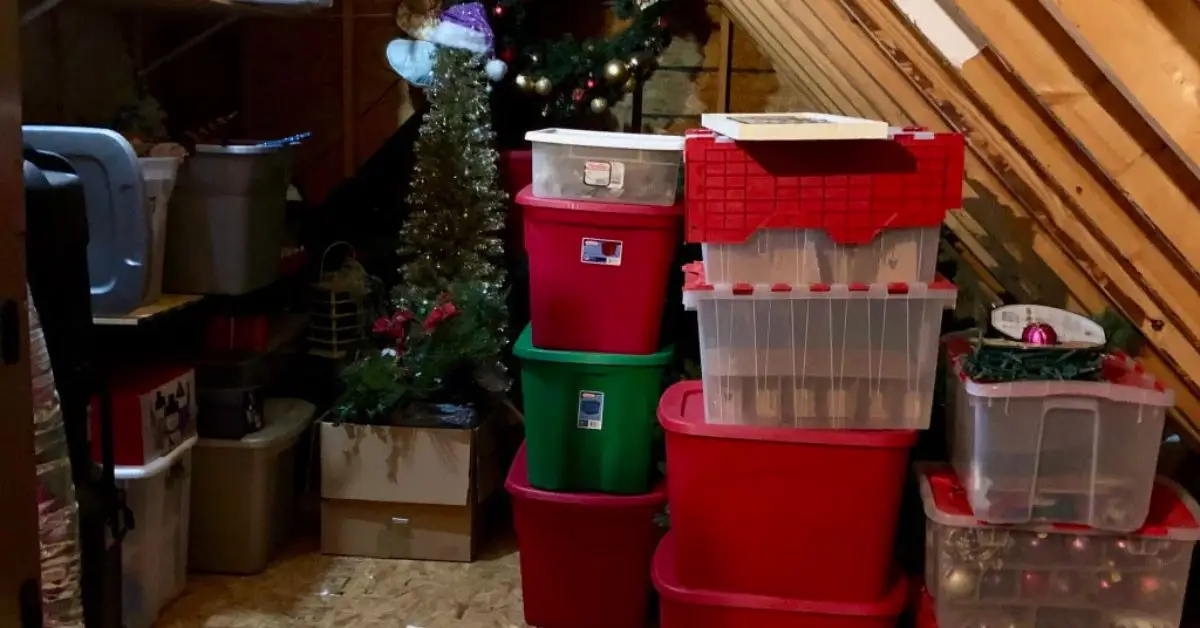
Holiday decor feels harmless. It’s lightweight, boxed up, and usually only used once a year. That’s exactly why people underestimate how badly attics damage it.
Most seasonal decorations are made with mixed materials—paper, fabric, glue, thin plastics—and those materials do not handle heat well. Even if items look intact when you pull them out, the damage often shows up the moment you try to use them.
How heat slowly destroys holiday decorations
In an attic, high temperatures quietly weaken the very things holding decor together. Over time:
- Glue dries out or melts, causing ornaments to fall apart
- Paper and cardboard warp, curl, or discolor
- Fabric decorations weaken, fray, or develop musty smells
- Paint and finishes crack or peel
Home decor experts at Martha Stewart have pointed out that heat exposure breaks down adhesives and delicate materials used in many holiday ornaments, especially handmade or vintage pieces.
Better ways to store seasonal decor
If you want decorations to last more than a few seasons:
- Store fragile decor in a cool, dry closet inside your home
- Use hard containers with padding, not flimsy cardboard boxes
- Keep decor off the floor and away from moisture-prone areas
If something took time, money, or sentiment to collect, the attic isn’t doing it any favors.
6. Pressurized, Flammable & Hazardous Containers
This section isn’t about clutter—it’s about risk.
Attics are one of the worst places to store anything pressurized or flammable. High heat raises internal pressure, and that’s where real danger starts.
What shouldn’t be in your attic, ever
Items I recommend removing immediately include:
- Aerosol cans (spray paint, cleaners, bug sprays)
- Leftover paint or paint thinner
- Propane tanks or fuel canisters
- Strong household chemicals
In extreme heat, these items can leak, release toxic fumes, or rupture. And because attics are enclosed and rarely checked, problems can go unnoticed until they’re serious.
Safer handling and disposal options
Here’s the practical approach:
- Store chemicals in cool, ventilated areas, like garages designed for it
- Follow local hazardous waste disposal guidelines
- Never stack or pile pressurized containers
This isn’t about being overly cautious—it’s about preventing a situation that could put your home at risk.
7. Keepsakes & Sentimental Items You’ll Regret Losing — But Shouldn’t Keep in the Attic

This is where emotion gets involved, and I understand why. Keepsakes feel safer when they’re “put away.” Unfortunately, the attic is often the place where sentimental items suffer the most.
Why nostalgia doesn’t protect physical items
Sentimental value doesn’t change how materials react to heat and moisture. In attics, keepsakes often face:
- Fabric items developing mold or odors
- Paper-based memories fading or sticking together
- Mixed-material items breaking down unevenly
The hardest part is that these are usually one-of-a-kind items. Once they’re damaged, there’s no replacing them.
Smarter ways to protect what matters
A more thoughtful approach works better:
- Digitize letters, photos, and documents
- Display meaningful items where you can enjoy them
- Use climate-controlled storage for irreplaceable pieces
Many professional organizers also stress that protecting memories doesn’t mean hiding them—it means storing them in a way that actually preserves them.
What Can You Safely Store in Your Attic? (Short List)
I don’t believe in giving only a “don’t” list. Some items can handle attic conditions if stored correctly.
Generally safer options include:
- Empty luggage or travel cases
- Artificial trees made of durable plastic
- Sealed bins with non-organic, heat-tolerant items
- Lightweight items stored off the floor on shelving
Even then, use sturdy, sealed containers and check on them at least once a year.
Before you close the attic hatch and walk away, ask yourself this: Am I storing this here because it’s safe—or just because it’s convenient?
Practical Steps to Declutter and Organize Your Attic
Reading what not to store is helpful, but this is where things actually change. I’ve learned that most people don’t need motivation—they need a clear process. So let’s turn awareness into action.
If the idea of starting feels overwhelming, this step-by-step guide on genius ways to declutter your attic without losing your mind can help you break the process down into manageable, low-stress actions.
How to audit your attic items (without feeling overwhelmed)
Don’t try to “organize” first. Start by auditing.
Here’s the simplest way I’ve seen this work:
- Take everything out category by category, not all at once
- Group similar items together on the floor
- Ask one basic question per item: Would I store this here again today?
If the answer isn’t a confident yes, that’s already telling you something.
A decision framework that actually works
When you’re standing there unsure, use this four-option filter:
- Keep – Only if the item is heat-tolerant and truly belongs in the attic
- Relocate – Valuable, fragile, or sentimental items that need indoor storage
- Donate – Items in good condition you no longer use or need
- Toss – Anything damaged, unsafe, or realistically never going to be used
I always say this: clutter stays when decisions stay vague. Clear categories make progress feel lighter.
Containers and labeling that don’t backfire later
If items are staying in your attic, storage matters.
What works best in real homes:
- Use hard plastic bins with tight lids
- Avoid cardboard for long-term storage
- Keep bins off the floor on shelves or risers
- Label bins clearly on two sides, not just the top
And one habit that saves future regret: once a year, do a five-minute check. Small maintenance prevents big losses.
Quick Checklist: Should You Toss It or Store It Elsewhere?
This is the shortcut I wish more people used. Quick yes or no—no overthinking.
- Is it sensitive to heat or humidity? → Store elsewhere
- Does it have sentimental or financial value? → Store elsewhere
- Is it pressurized, flammable, or chemical-based? → Remove immediately
- Is it made of paper, fabric, wood, or mixed materials? → Relocate
- Is it durable, sealed, and heat-tolerant? → Possibly attic-safe
If you hesitate on an item, that hesitation is usually your answer.
Make Your Attic Work for You — Safely
A well-used attic shouldn’t feel like a gamble. When you store the right things—and let go of the rest—you gain more than space. You gain peace of mind.
Less clutter.
Fewer risks.
And the confidence that the things you care about are actually protected. In some homes, clutter isn’t the only issue—poor attic conditions can also impact comfort and costs, and these signs it’s time to restore your attic before it destroys your energy bill explain when cleanup alone isn’t enough.
If you’re planning a home upgrade, cleanup, or long-term maintenance strategy, this kind of thinking applies beyond the attic. That’s exactly what we focus on at Build Like New—making homes safer, smarter, and easier to live in.
Now I’d love to hear from you: What’s one thing you found in your attic that made you rethink how you store things? Drop it in the comments—your experience might help someone else avoid the same mistake.
And if you want more practical, no-nonsense home guidance, explore more at Build Like New.
Disclaimer: This article is for general informational purposes only. Storage safety, building conditions, and local regulations can vary, so always follow manufacturer guidelines and local safety rules. When in doubt—especially with hazardous or valuable items—consult a qualified professional.