10 Bar Keepers Friend Cleaning Tricks That Make Your Home Look New Again
I’ll be straight with you—Bar Keepers Friend is one of those cleaners people buy, use once or twice, and then forget about. Not because it doesn’t work, but because most of us were never shown how to use it properly. I’ve seen people scrub way too hard, leave it on too long, or use it on the wrong surface and then blame the product when something looks worse than before.
What I’ve learned over the years is this: Bar Keepers Friend isn’t a “clean everything the same way” kind of cleaner. Used the right way, it can bring a dull sink back to life, erase years of buildup from cookware, and make a bathroom feel fresh again—sometimes in minutes. Used the wrong way, it can waste your time or damage a surface you actually care about.
In this guide, I’m sharing the Bar Keepers Friend cleaning hacks that actually make a difference in real homes. These aren’t random tricks or recycled tips. They’re practical, surface-specific ways to get fast results without over-scrubbing, guessing, or crossing your fingers and hoping for the best.
So before we dive in, tell me—what’s the one thing in your home you’ve cleaned a hundred times but it still never looks “right”?
How Bar Keepers Friend Actually Cleans (Without Damaging Surfaces)
Before you start with the hacks, let’s talk about why Bar Keepers Friend works so well and how to use it without causing damage.
When I first started using this cleaner, I was amazed at how a little bit of product could cut through rust, water spots, and sticky buildup. The secret is the chemistry: Bar Keepers Friend blends micro-abrasives with a mild acid, which loosens grime and lifts it from the surface without forcing you to scrub like crazy. That’s why you get results even with light pressure.
But here’s the part most people miss—you don’t treat every surface the same.
Best practices that actually work
- Make sure the surface is damp before application
- Use a gentle scrub with a soft sponge or microfiber cloth
- Rinse thoroughly soon after scrubbing to remove residue
These steps keep the cleaner from just sitting there and potentially scratching or dulling the finish.
Not all materials respond well to Bar Keepers Friend. According to the guidance from Bar Keepers Friend, you should avoid using the cleanser on delicate or porous surfaces like:
- Granite, marble, and polished stone
- Wood or painted surfaces
- Cast iron and non-stick cookware
- Fabric or leather
These surfaces are either too soft or have coatings that the abrasives and acid can damage, so learning what not to clean is just as important as knowing what to tackle.
Understanding these basics sets you up to use the right hack in the right place—without guesswork or costly mistakes.
Prep Essentials for Safe, Effective Cleaning With BKF
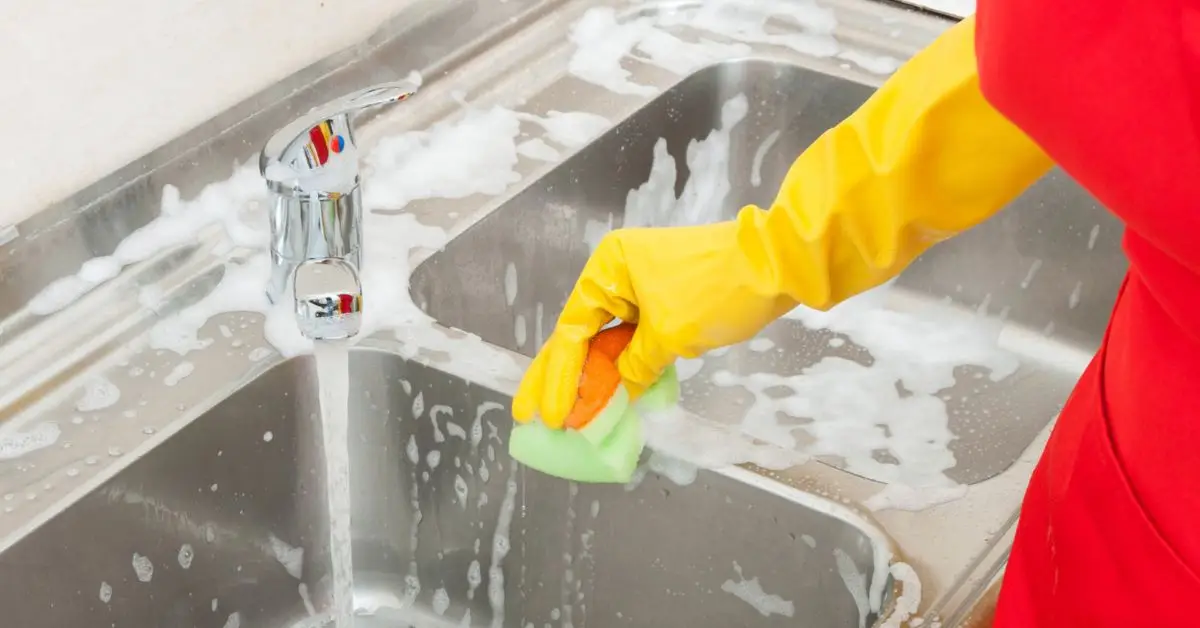
Now that you know how Bar Keepers Friend works, let’s prep so you’re ready to get the best results with the least effort. If you’re planning a deeper clean or even thinking about bringing in help later, these things to do before professional cleaners arrive at your home can make the entire process smoother and more effective.
I always keep a few basic tools handy because they make the difference between a so-so clean and a genuinely refreshed surface:
Tools that help every time
- A soft sponge or non-scratch pad
- Microfiber cloths for buffing and drying
- A small grout or detail brush for tight corners
Next, let’s think safety. Bar Keepers Friend is powerful, and it’s easy to forget that the acid and abrasives can irritate skin. I always wear gloves when I’m tackling more than a quick spot clean, and I never mix this product with other cleaners. Combining BKF with bleach or ammonia can release dangerous fumes, so always use it on its own.
One simple tip I picked up from real users is this:
- Rinse the area first
- Apply a small amount of cleaner
- Scrub lightly
- Rinse again and wipe dry
This step-by-step rhythm keeps your surfaces protected and makes cleanups easier over time.
Once you’ve set up the right tools and understanding, you’re ready for the hacks that actually transform how your home looks—with less effort and fewer surprises.
1. Shine & Refresh Your Stainless Sink in Minutes
If there’s one place where Bar Keepers Friend really shows off, it’s a stainless steel sink. I’ve seen sinks that looked permanently dull come back to life in under ten minutes—and you can do the same without scrubbing your arms off.
This works because BKF breaks down rust stains and mineral buildup that water leaves behind over time. Once that layer is gone, the steel underneath reflects light again.
How I do it
- Rinse the sink so it’s fully damp
- Sprinkle a small amount of BKF
- Scrub gently in the direction of the grain
- Rinse well and wipe dry with a microfiber cloth
You’ll notice the shine immediately, especially around the drain where stains usually cling the hardest.
2. Remove Burnt Food & Grease Fast (Even on Tough Cookware)
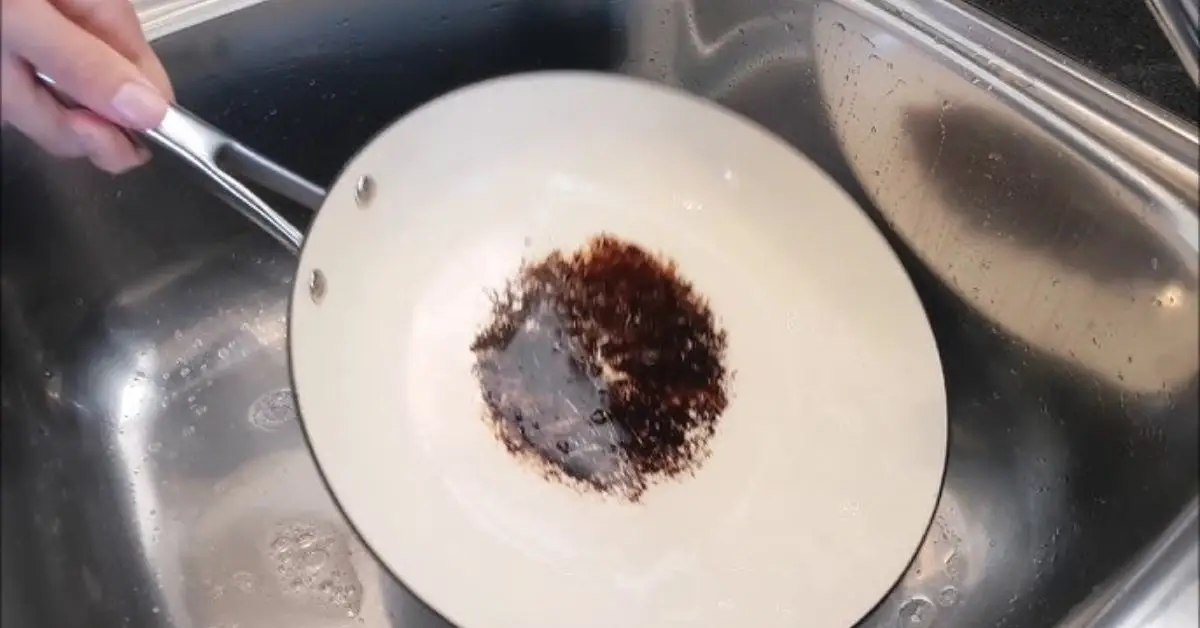
Burnt pots are usually where people give up. I used to think some pans were just “done.” Turns out, they weren’t—just cleaned the wrong way.
Bar Keepers Friend loosens carbon buildup so you’re not scraping blindly. The key is patience, not pressure.
What works best
- Wet the pan first
- Apply a thin layer of BKF
- Let it sit briefly, then scrub lightly
- Rinse and repeat if needed
If you’ve ever seen those dramatic before-and-after cleaning photos online, this is exactly how people get those results—slow and controlled, not aggressive. Real examples of this technique are easy to spot in before-after cleaning galleries on sites like Hunker, where cookware restorations show how effective this method can be when done right.
3. Make Glass Bakeware & Shower Doors Spotless Again
Cloudy glass is frustrating because it looks dirty even when it’s clean. The haze usually comes from baked-on residue or soap scum, not dirt.
Bar Keepers Friend cuts through that film without leaving streaks if you use it lightly.
Where this works well
- Glass bakeware with baked-on grease
- Shower doors with water spots
- Glass shelves that feel rough to the touch
Always rinse thoroughly and dry after—glass shows residue faster than most surfaces.
4. Polish Garden Tools, Metal Handles, Grill Grates & Rusted Gear
This is one of my favorite off-label uses. If you’ve got tools or metal pieces sitting in the garage, chances are they’ve picked up rust or discoloration.
BKF targets surface rust, not deep corrosion—but that’s enough to make tools usable and clean-looking again.
Good candidates
- Garden shears and trowels
- Grill grates
- Metal handles and fixtures
A quick polish can extend the life of tools you’d otherwise replace.
5. Erase Sticky Labels or Adhesive Residue Easily
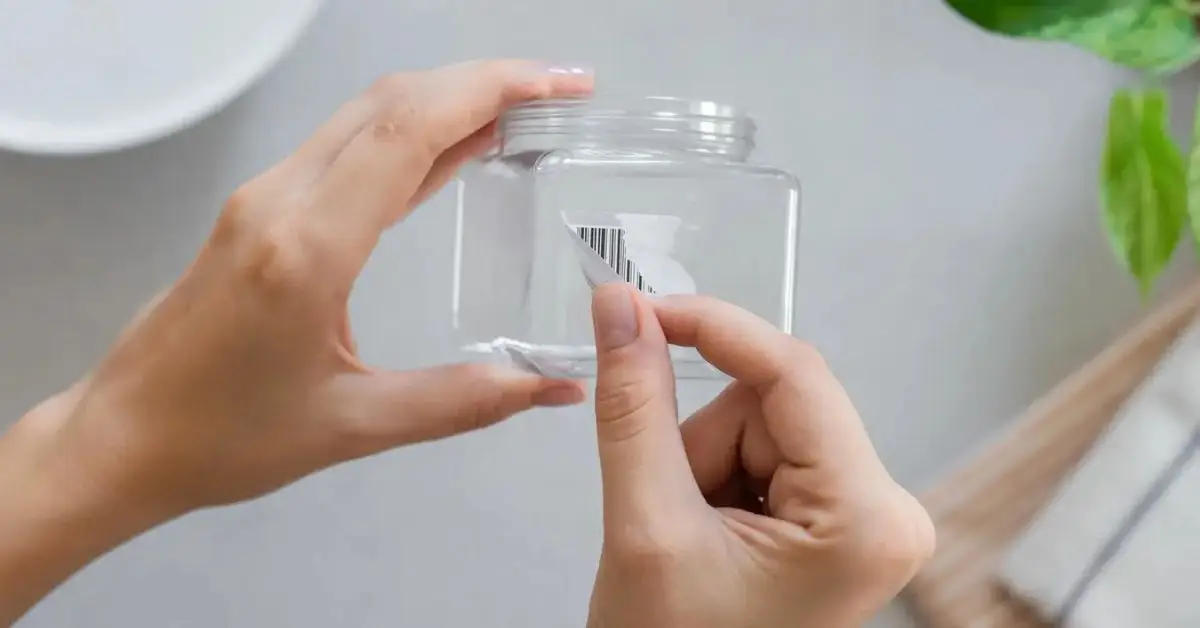
We’ve all peeled a label off a jar and been left with that stubborn sticky patch. Instead of soaking or scraping, BKF can break the residue down.
How to handle it
- Dampen the area
- Apply a tiny amount of BKF
- Rub gently with a cloth
- Rinse and dry
It’s especially useful on glass and metal containers you want to reuse.
6. Remove Knife Marks on Ceramic & Porcelain
Those gray knife streaks on plates look like scratches—but most of the time, they’re just metal transfer.
Bar Keepers Friend lifts those marks without harming the plate when used lightly.
Best surfaces
- Ceramic dinner plates
- Porcelain bowls
- Serving platters
One gentle pass is usually enough to make dishes look new again.
7. Clean & Restore Rusty Fixtures in Bathrooms
Bathroom fixtures are exposed to moisture constantly, so rust and discoloration creep in fast.
BKF tackles surface rust on:
- Shower knobs
- Metal shelves
- Sink fixtures
I always finish by drying the fixture completely—that step alone helps slow future rust.
8. Give Your Appliances a Brand-New Look
Fingerprints, grease, and water spots dull stainless appliances faster than we notice.
For best results
- Use a damp cloth with a small amount of BKF
- Wipe with the grain
- Rinse and buff dry
It’s one of the quickest ways to make a kitchen feel freshly cleaned without deep cleaning everything.
9. Tackle Outdoor Grime on Furniture & BBQ
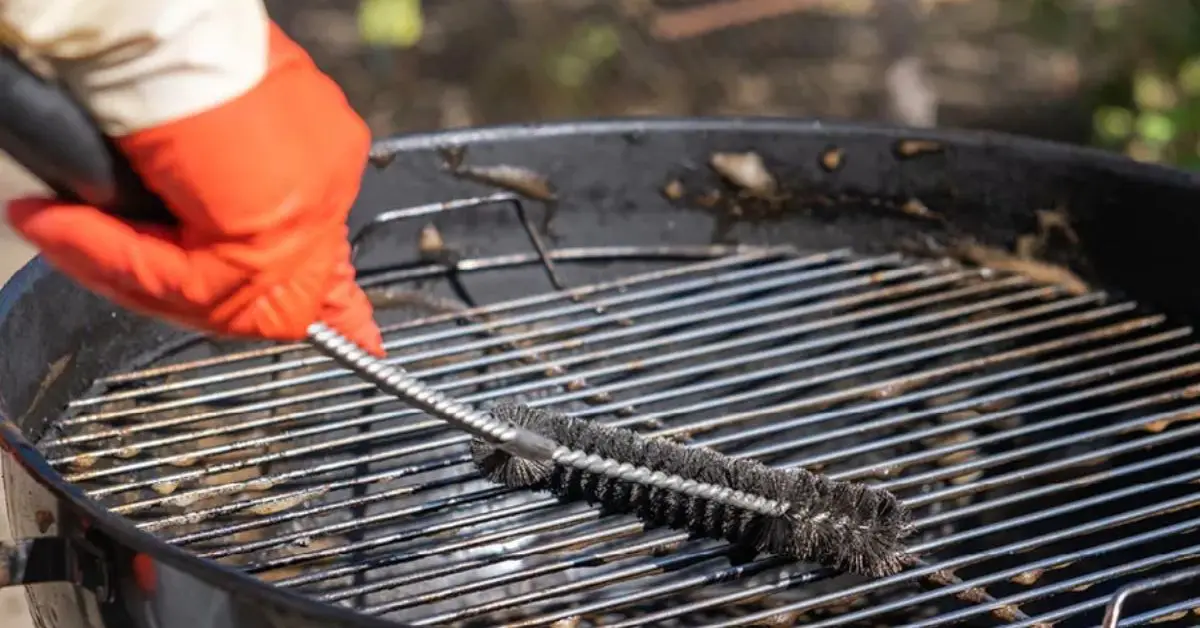
Outdoor furniture and grills collect grime from weather, smoke, and grease. BKF works well here because you can rinse freely without worrying about splashes.
Good uses
- BBQ grates
- Metal patio furniture
- Outdoor sinks or prep tables
Just remember to rinse thoroughly and dry metal pieces to prevent new rust.
10. Brighten Grout & Tile Without Harsh Chemicals
Grout holds onto dirt more than tile does, which is why floors can still look dirty after mopping.
How I approach it
- Dampen the grout line
- Apply BKF carefully
- Scrub with a grout brush
- Rinse well
You don’t need harsh fumes or specialty cleaners—just controlled scrubbing and patience.
Surfaces to Avoid & Safety Missteps That Damage Your Home
This part matters more than most people realize. I’ve seen Bar Keepers Friend do incredible things—but I’ve also seen it ruin surfaces when used in the wrong place. The damage usually isn’t instant. It shows up later as dull patches, scratches, or finishes that never quite look right again.
The biggest mistake is assuming this cleaner is universal. It’s not. This becomes even more important if you have pets at home, since many everyday cleaning products can be harmful—pet owners should be extra cautious and stop using these toxic cleaners at home.
Surfaces you should never use Bar Keepers Friend on
- Natural stone like granite and marble
- Wood or sealed wood surfaces
- Painted areas
- Leather or fabric
- Porous materials that absorb moisture
Natural stone deserves special attention. Even a short scrub can strip the sealant or etch the surface, leaving permanent marks. Lifestyle experts consistently warn against abrasive or acidic cleaners on stone, including guidance from Real Simple, which explains why granite and marble need gentler care.
Another common misstep is letting the product sit too long. Bar Keepers Friend is meant to work fast. Leaving it on “just in case” doesn’t improve results—it increases risk.
If you remember one thing, let it be this: when in doubt, don’t test it. Knowing where not to use BKF protects your home and saves you from expensive fixes later.
Troubleshooting Tips Pros Share (and What Real Users Wish They Knew)
Even when you’re using Bar Keepers Friend on the right surface, small technique mistakes can change the outcome. I’ve picked up most of these lessons not from manuals, but from real people sharing what went wrong—and how they fixed it.
Common issues and how to handle them
- Surface looks dull after cleaning: This usually means the product sat too long or wasn’t rinsed fully. A thorough rinse and dry often restores the finish.
- Scrubbing harder isn’t working: Stop. Reapply a small amount to a damp surface instead of increasing pressure. Let the cleaner do the work.
- Light scratches or haze appear: This can happen if you use a rough pad. Switch to a soft sponge or microfiber immediately.
One tip that comes up again and again from real users is timing. Bar Keepers Friend works quickly. If it hasn’t lifted the stain in a short window, reapply lightly rather than letting it sit longer. That single adjustment prevents most damage complaints.
Once you understand these small details, the cleaner feels predictable instead of risky—and that confidence is what makes these hacks actually useful.
Have you ever had a cleaner work too well and leave something worse behind?
Quick Bar Keepers Friend Home Refresh Checklist
If you want fast results without overthinking every step, this checklist pulls everything together. I use it myself when I want the house to look noticeably cleaner without spending hours scrubbing.
Before you start
- Choose the right surface (metal, stainless steel, ceramic, porcelain, or glass)
- Avoid stone, wood, painted, or non-stick surfaces
- Gather a soft sponge, microfiber cloth, and gloves
While cleaning
- Always start with a damp surface
- Use a small amount of Bar Keepers Friend
- Scrub lightly—let the cleaner do the work
- Work in short sections, not the whole surface at once
After cleaning
- Rinse thoroughly to remove residue
- Wipe dry to prevent water spots or haze
- Check the finish before moving on to the next area
If you follow this flow, you’ll get consistent results and avoid the mistakes that cause damage or frustration.
Bringing It All Together
Bar Keepers Friend isn’t magic—but when you use it with the right approach, it can make your home feel genuinely refreshed instead of just “cleaned again.” The difference comes down to knowing where it shines, where it doesn’t belong, and how to use it with intention rather than force. These results last even longer when you pair them with simple daily routines—small changes in your habits can help you maintain a cleaner space, like the ones shared in these everyday habits for a cleaner home.
I’ve shared these hacks because they work in real homes, not just in perfect photos. If you take anything away from this guide, let it be this: lighter pressure, better timing, and the right surface change everything.
Now I’d love to hear from you.
Which surface in your home are you planning to tackle first—or is there one spot Bar Keepers Friend didn’t work for you? Drop your experience in the comments so others can learn from it too.
And if you want more practical, no-nonsense home improvement and cleaning guides like this, you can find them on Build Like New—where the goal is always to make your space feel better without overcomplicating things.
Disclaimer: Always test Bar Keepers Friend on a small, hidden area before full use. Follow the manufacturer’s instructions and avoid surfaces the product isn’t designed for. Results may vary depending on surface type and condition, and improper use can cause damage.