
8 Smart Bedroom Warm-Up Tricks to Stay Cozy All Night This Winter
Winter mornings make it obvious when a bedroom isn’t holding heat the way it should. You wake up, step out of bed, and the cold air hits your feet before you’re fully awake. I’ve felt that too—and I also know how tempting it is to turn the thermostat up and ignore the energy bill for a few weeks.
The thing most people don’t realize is that a cold bedroom usually isn’t caused by low heat. It’s caused by heat escaping in quiet, invisible ways—through windows, floors, layout mistakes, and even the way the room is set up. A lot of advice online focuses on adding more warmth, but very little talks about keeping the warmth you already have.
That’s what I want to help you with here. I’m going to share clever ways to warm up your bedroom in winter that feel realistic and doable, not expensive or over-the-top. These are small changes that make a real difference—especially at night, when comfort matters most.
Before we get into the fixes, let me ask you something: when your bedroom feels cold, what bothers you the most—the chilly floors, the drafty air, or getting into a freezing bed?
1. Insulate Heat Loss First — Seal Drafts Around Windows and Doors
If your bedroom feels cold even when the heat is on, this is usually where the problem starts. I’ve seen it many times—warm air slowly leaking out through tiny gaps you don’t notice during the day but feel clearly at night. You end up using more heat, yet the room never feels comfortable.
How drafts cool your bedroom
Cold air doesn’t need a big opening to sneak in. Even small gaps around windows, doors, or along the floor allow cold air to enter and push warm air out. Your body senses that constant drop, especially when you’re trying to sleep.
Common draft sources include:
- Loose or old window seals
- Gaps under bedroom doors
- Cracks near baseboards or corners
You may not see these gaps, but you definitely feel them when you’re lying in bed. Sealing gaps also has another benefit most people don’t think about — it helps prevent pests from sneaking in, which is why these same draft-proofing steps also work when you’re trying to keep mice out of your bedroom naturally.
DIY fixes that actually work
I always suggest starting with the easiest and cheapest fixes first. They give the fastest results.
- Add weatherstripping around windows and doors
- Place a draft stopper or rolled towel under the door
- Seal visible gaps with basic caulk
- Close off small cracks near the floor or walls
Home experts at MFI point out that sealing drafts helps keep existing heat inside the room, which is far more effective than trying to create extra heat.
Once heat stops escaping, your bedroom starts feeling warmer almost immediately.
2. Layer Your Textiles for Maximum Warmth

After you stop heat loss, the next step is making sure warmth stays around you. This is where textiles really matter. I’m not talking about piling on random blankets—I mean choosing the right layers that work together.
Bedding upgrades that make a difference
Your bed is the warmest zone in the room, so what touches your body matters most.
Focus on:
- Flannel or brushed cotton sheets that retain warmth
- A winter-weight or higher-tog duvet
- A thermal or fleece blanket layered on top
Layers work because they trap warm air between them. Two smart layers often feel warmer than one heavy blanket.
Rugs that block cold from below
Cold floors can cancel out all your efforts, especially with tile or hardwood.
A good rug:
- Acts as insulation between your feet and the floor
- Reduces cold air rising from below
- Makes the room feel warmer the moment you step out of bed
If you’ve ever stepped onto a rug instead of a bare floor on a winter morning, you already know the difference.
Quick tip I use myself:
- One thick rug near the bed works better than several thin ones
When you combine sealed drafts with the right textile layers, your bedroom stops losing heat and starts holding warmth naturally.
3. Draw Thermal Curtains Day and Night
Curtains are one of those things people mention casually, but very few use them the right way. I used to think “any thick curtain will do” — until I saw how much heat was slipping out every night.
Choose the right fabric and installation
Not all curtains help with warmth. Blackout curtains block light, but thermal curtains are designed to trap heat.
Here’s what actually works:
- Thermal-lined curtains with multiple layers
- Curtains that extend past the window frame on all sides
- Floor-length panels that seal the window area
Home experts at Ideal Home explain that proper thermal lining creates a barrier that stops warm air from escaping through glass, which is one of the coldest surfaces in a bedroom.
Use smart timing — sunshine in, cold out
This is the part most people miss.
- Open curtains fully during the day to let sunlight warm the room
- Close them before sunset to trap that warmth inside
- Make sure there are no gaps at the sides at night
Used this way, curtains don’t just decorate your room — they actively work like insulation.
4. Optimize Furniture Placement and Room Layout
This tip rarely shows up in winter guides, but I’ve seen it make a real difference. Where your furniture sits affects how cold or warm you feel — even if the room temperature stays the same.
Move your bed away from windows and cold walls
If your bed is pressed against a window or exterior wall, your body is exposed to constant cold radiation.
Try this instead:
- Pull the bed a few inches away from cold walls
- Avoid placing your head directly under a window
- Use the warmest wall in the room if possible
That small shift alone can make nights feel noticeably warmer.
Free up heat sources — don’t block airflow
Warm air can’t help you if it’s trapped behind furniture.
Check for:
- Radiators blocked by beds or dressers
- Vents covered by rugs or storage boxes
- Heavy curtains sitting directly on heaters
Once airflow improves, heat spreads more evenly — and the room feels warmer without extra energy.
5. Use Small Heat Sources Strategically
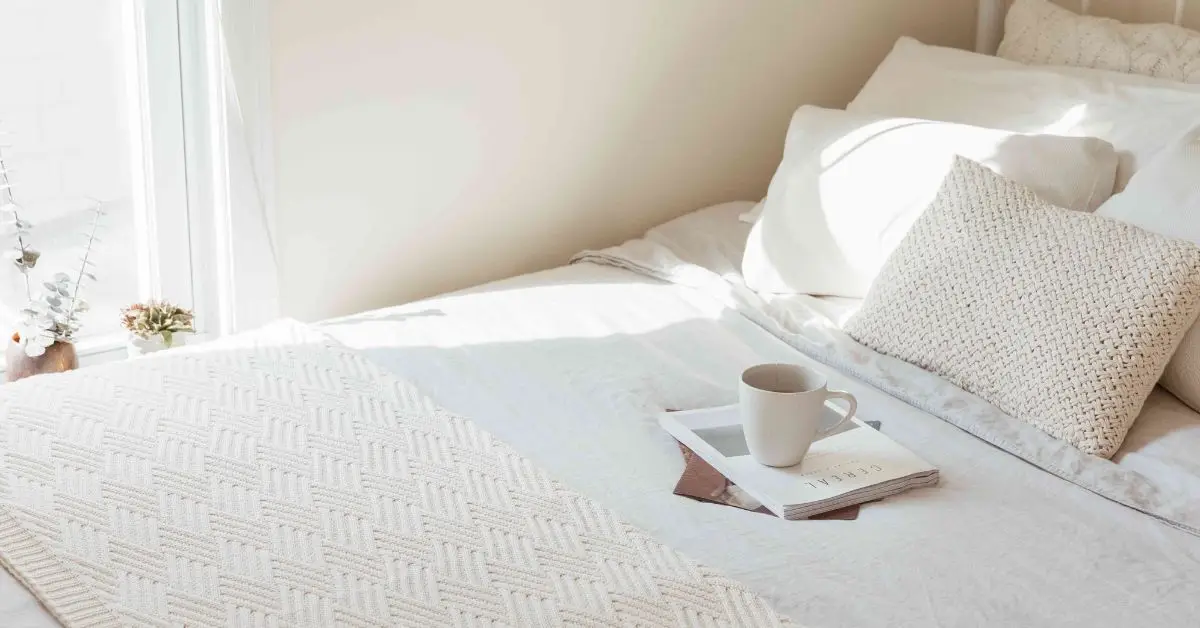
You don’t always need to heat the whole room. Sometimes, warming your body is enough. I’m a big fan of targeted warmth because it’s fast, cheap, and effective.
Hot water bottles and heated throws
These are simple but powerful.
They work because:
- Heat is delivered directly where you need it
- They use very little energy
- Warmth lasts longer under blankets
A heated throw on the bed or couch can replace turning the heat up entirely for hours.
Terracotta candle heaters and safe alternatives
You’ve probably seen these on social media. Some people swear by them, but they need caution.
If you try them:
- Never leave candles unattended
- Keep them away from curtains or bedding
- Use them only in well-ventilated spaces
Safer alternatives include electric heating pads or reusable heat packs — same comfort, far less risk.
6. Circulate Your Air — Ceiling Fan Reverse and Smart Airflow
This is one of the most underrated winter tricks. Warm air doesn’t disappear — it rises and gets stuck near the ceiling, where you can’t feel it.
Why warm air gets trapped above
Heat naturally rises, so even when your room is warm, most of it sits above head level. Meanwhile, you’re left feeling cold below.
That’s wasted warmth.
Use the ceiling fan reverse trick
Most ceiling fans have a reverse switch — usually near the motor.
Here’s how to use it:
- Set the fan to rotate clockwise
- Keep the speed low
- Let it gently push warm air back down
You won’t feel a breeze, but you will feel the room get more evenly warm. It’s one of those changes you notice within minutes.
Out of these, which one feels like the easiest upgrade for you — changing curtain habits, moving furniture, or adding a small heat source?
7. Boost Perceived Warmth With Sensory Comfort
Sometimes your bedroom isn’t actually cold — it just feels cold. I’ve noticed this in my own space. The temperature can be fine, but harsh lighting or bare walls make everything feel uncomfortable. That’s where sensory warmth comes in.
Lighting and color tones that feel warmer
Light plays a bigger role than most people realize. Cool white bulbs make a room feel sharp and cold, even in winter.
What works better:
- Warm white or soft yellow bulbs
- Table lamps instead of overhead lighting
- Darker or earthy tones that absorb light rather than reflect it
Design experts at Gathered point out that warm lighting and deeper colors can make a space feel noticeably cozier without changing the temperature at all.
Cozy atmosphere — layers, ambiance, warm-toned decor
Comfort isn’t just physical. Your brain reacts to what it sees and touches.
Try adding:
- Layered bedding or throws, even if they’re light
- Soft textures like knits or fleece
- Warm-toned décor instead of cool greys or whites
When a room looks warm, your body relaxes — and that alone can make the space feel more comfortable. Interestingly, some bedrooms feel colder simply because they look unfinished or cluttered — a few common styling choices can work against comfort, just like the ones covered in these bedroom styling mistakes that make a room feel messy.
8. Small Electric Helpers That Don’t Crank Up the Heat
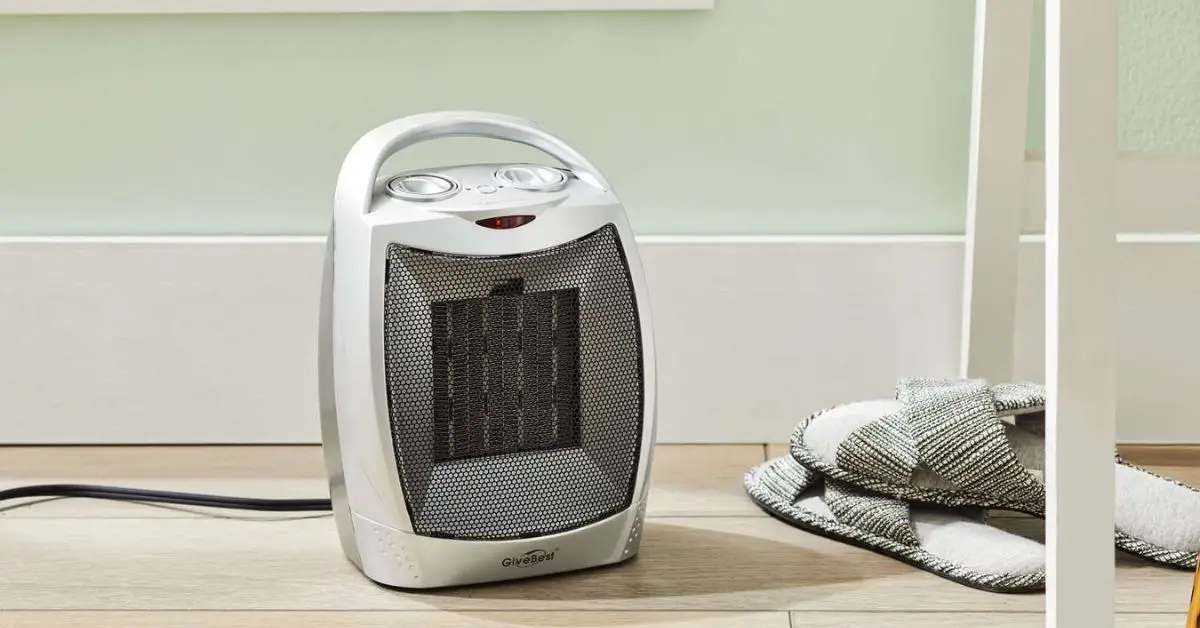
If you’re open to using a little electricity, you don’t need to heat the whole room. I prefer tools that warm you directly instead of burning energy all night.
Humidifiers for a warmer feel
Dry air makes rooms feel colder than they really are. Adding moisture helps heat linger longer and feel more comfortable on your skin.
A humidifier can:
- Make the air feel warmer at the same temperature
- Reduce that dry, cold feeling in your nose and throat
- Help you sleep more comfortably in winter
Smart small devices you can control
Instead of turning up the heat, target warmth where it matters.
Good options include:
- Heated mattress pads with timers
- Electric throws you can switch off before sleep
- Low-watt heating pads for feet or legs
Common Mistakes That Keep Bedrooms Cold
I see these mistakes all the time, and they quietly undo all your efforts.
Watch out for:
- Sealing one draft but ignoring others
- Blocking vents or radiators with furniture
- Using thin decorative curtains instead of thermal ones
- Relying on one heavy blanket instead of layered bedding
Fixing these small issues often makes more difference than buying anything new.
Now that you’ve seen all the options, which change do you think would make your bedroom feel warmer tonight?
Quick Checklist You Can Do Today

If you don’t want to read everything again and just want results, this is where I’d start. These are simple fixes you can do today without tools, stress, or spending much.
10-minute fixes (free or almost free):
- Close curtains fully before sunset to trap heat
- Roll a towel and block the gap under your bedroom door
- Move your bed a few inches away from cold walls or windows
- Switch ceiling fan to clockwise (low speed)
Under $20 tweaks:
- Add weatherstripping to drafty windows or doors
- Buy a thick rug for the side of the bed you step on
- Swap cool white bulbs for warm light bulbs
- Pick up a fleece or thermal throw for layering
One-time upgrades that pay off all winter:
- Thermal curtains instead of decorative ones
- Flannel sheets or a higher-tog duvet
- A heated throw or mattress pad with a timer
These small changes stack up. You don’t need to do everything — even two or three can make your bedroom feel noticeably warmer tonight.
Wrapping It All Together
A warm bedroom isn’t about blasting the heat. It’s about stopping heat loss, using what you already have better, and making your space work with you instead of against you. I’ve shared these tips because they’re practical, tested, and realistic for real homes — not just picture-perfect ones. Comfort at night isn’t just about temperature — daily habits matter too, and some routines quietly affect sleep quality, including the bedroom cleaning habits sleep experts warn could ruin your sleep.
If one idea from this guide helps you sleep better this winter, it’s done its job.
I’d love to hear from you:
- Which tip are you going to try first?
- Or did I miss something that already works for you?
Drop your thoughts in the comments — your experience might help someone else.
And if you want more no-nonsense home improvement ideas like this, you’ll find them over on Build Like New, where I share practical fixes that make homes more comfortable without unnecessary upgrades.
Disclaimer: The tips shared in this article are for general information and comfort improvement only. Always follow safety guidelines when using electrical devices, candles, or DIY solutions, and consult a professional if you’re unsure about changes related to heating, wiring, or insulation. Individual results may vary depending on room size, climate, and home construction.


