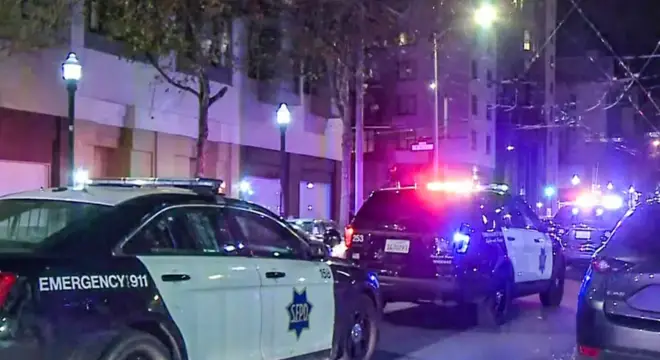
Rockwall Home Engulfed and Destroyed in Major Fire
When I first went through the official reports and eyewitness posts about the Rockwall home fire, one thing stood out immediately — the scale of the destruction wasn’t “just another house fire.” This was a massive estate, fully engulfed, and the kind of blaze that makes you stop and picture how fast a normal evening can turn into chaos.
From what officials shared, the fire was first reported early in the morning, and by the time crews arrived, flames had already taken over major parts of the structure. If you’ve ever seen how quickly a large home can burn once a fire gets airflow, you’ll understand why firefighters often talk about the “first five minutes” being everything.
What struck me is how the timeline reveals a pattern you see in many large-property fires:
the size of the home gives the fire room to grow before anyone notices, and once it reaches the attic or open beams, things escalate fast. Fire crews worked aggressively — you can see that in the aerial shots — but even with multiple units responding, the structure was already too compromised.
You’ll notice most news outlets mention the response but not the small details that actually matter to a reader like you and me — the uncertainty, the speed, and the way a routine morning suddenly becomes a life-altering event. That human layer is what gets lost in typical reports.
And that’s why I want you to see this incident not just as a headline, but as a reminder of how fragile even the strongest-looking homes can be when fire spreads in silence.
If you were watching this story unfold from your neighborhood, what’s the first thing you’d want to know?
How the Fire Unfolded — The Timeline Officials Shared
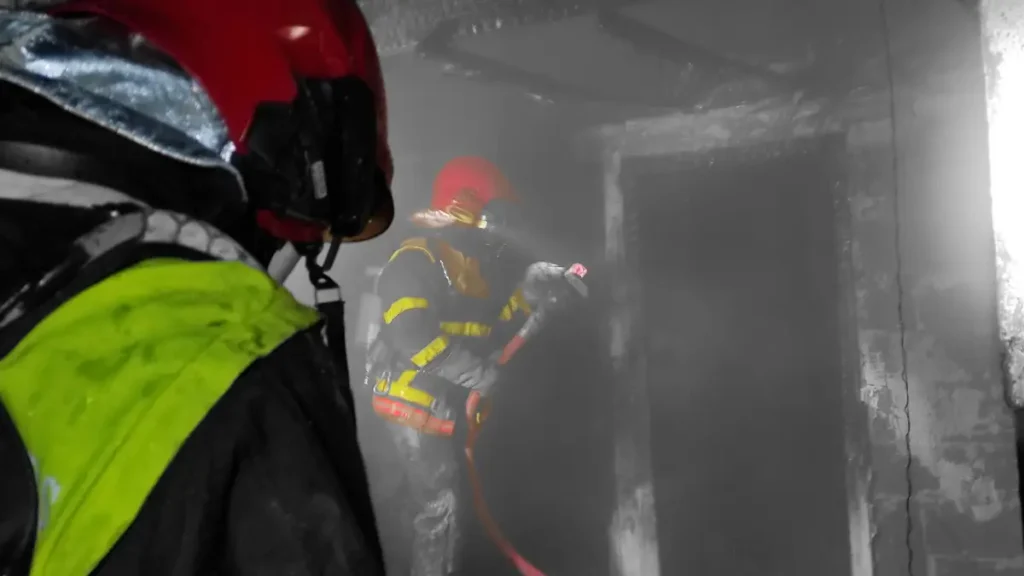
When I went through the Fox4 report, one detail hit me harder than the headline itself — firefighters said the home was already heavily involved when they arrived. That single line quietly tells you everything about what they were up against.
The first call came in early morning. And if you live in a quiet neighborhood like Rockwall, you know how sounds travel differently at that hour. According to Fox4’s coverage, neighbors noticed a glow first, then the crackling. By the time crews reached the driveway, flames had already pushed through the roofline.
What stood out to me is how fast things escalated. You expect big homes to have more time before a fire takes over, but that’s rarely true. Large layouts, big attics, open beams — they all work against you. Firefighters went straight into defensive mode because a full interior attack just wasn’t safe anymore.
When you read those short official statements, you don’t always feel the pressure behind them. But looking at the timeline, you can almost sense the moment they realized the structure couldn’t be saved. That’s the part that lingers.
The Home, the People, and the Real Impact on the Community
If you’ve ever driven through Rockwall’s quieter pockets, you know the kind of homes we’re talking about — big, open, built for families and long weekends. That’s why seeing one reduced to a shell hits differently. It’s not just lumber and drywall; it’s years of someone’s life.
One question I always ask first in fires like this is simple: Was anyone hurt?
Thankfully, officials didn’t report injuries. And that alone shifts the entire emotional tone of the story. Losing a home is devastating, but losing people changes a community forever.
I also noticed neighbors on social platforms saying they woke up to sirens and an orange glow in the sky. That tells you how big the fire was — when a house burns bright enough to light up a block, it stays in your mind long after the flames die out.
You can almost imagine the street the morning after — quiet, smoky air, a burned outline where a family home used to stand, and neighbors stepping outside, unsure what to say to one another.
It reminded me of a case in Illinois where a home fire claimed two cats — the kind of incident that shows how quickly things turn tragic when flames spread unnoticed.
Why the Fire Spread So Fast — Early Clues and What We Know So Far
The cause is still under investigation, but you don’t need official results to understand why this fire overwhelmed the home so quickly. Big houses have big vulnerabilities. High ceilings let heat rise and gather. Open attics let flames run. And once a fire breaks past its origin point, every minute becomes a race you rarely win.
Something many people don’t realize: even homes with sprinkler systems can still lose the fight. Sprinklers don’t always reach attics. They don’t always slow a vent-fed fire. And if the blaze begins in a place the system doesn’t cover, you’re almost starting at a disadvantage.
What I found interesting is that officials didn’t immediately point to any suspicious cause. That usually means they’re looking at electrical issues, mechanical failures, or accidental ignitions — the everyday things we all overlook.
Until investigators finish their work, the “why” will stay open. But looking at what burned and how quickly it burned, the fire behaved like it found its fuel early and climbed fast.
If you follow local safety updates or emergency alerts on messaging platforms, you may have seen short early notes about the fire circulating there too — these quick updates often reach people before full reports do, and they’re worth keeping an eye on.
What Fire Experts Want Homeowners to Remember?
Whenever I speak with fire inspectors or prevention officers, they all repeat one thing: most house fires start small, and many start when no one is watching. That’s why events like this aren’t just news pieces — they’re reminders.
House size doesn’t protect you. New construction doesn’t protect you. Even modern systems aren’t foolproof. What does help is awareness — knowing weak points, doing quick checks, and not assuming your home will “give you warning.”
One expert once told me, “People don’t fear fire because they think they’ll see it early. But smoke moves faster than your instincts.” And that’s exactly what large homes struggle with — too many places for heat and smoke to hide until it’s too late.
If you take anything from this Rockwall incident, let it be this: review your detectors, check your attic wiring, and don’t ignore small electrical quirks. Fires often start at the edges of our attention.
Just a few days ago, a home in Arizona went through the same thing — heavy damage but no injuries — and the investigation pointed back to routine issues people rarely check.
A similar pattern showed up in a Minnesota case where an early-morning blaze turned deadly before anyone realized what was happening.
What Comes Next — The Investigation and the Road to Recovery
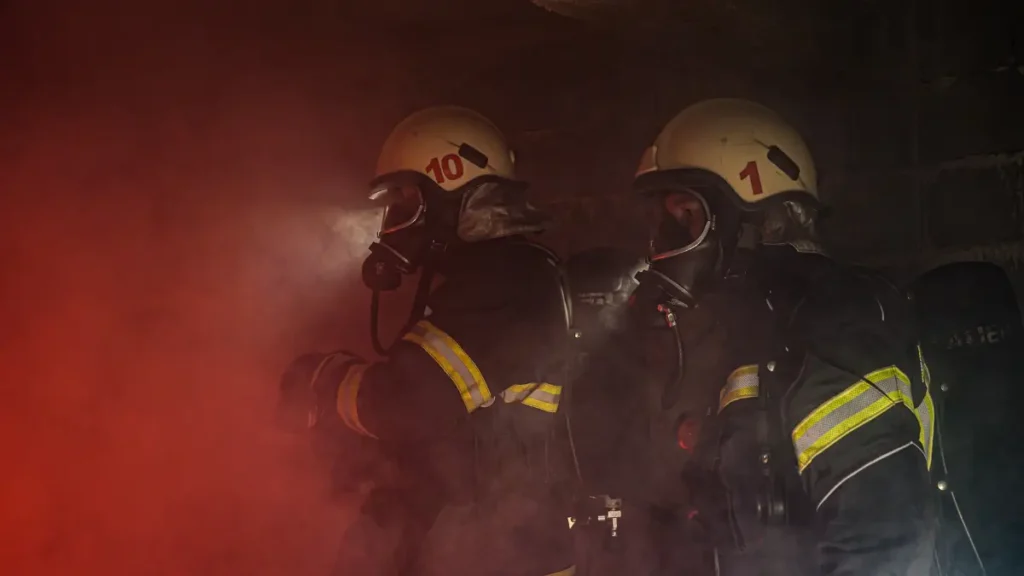
Now that the flames are out, the real work begins — figuring out the origin, assessing structural loss, and helping the family understand what happens from here. Fire investigations aren’t dramatic; they’re slow, detail-heavy, and sometimes frustratingly inconclusive.
Crews will go through the remains section by section, looking for the point where heat patterns narrow. That’s how they find where the fire started. And for the family involved, these next few days are the hardest — not because of the investigation, but because this is when the shock wears off.
The community usually steps in at this point. Neighbors offer support. Local groups organize help. Even simple gestures matter — a meal, a call, or showing up just to let someone talk.
Losing a home changes routines, memories, and a sense of safety. But it also reveals how strong a community can be when someone’s life is suddenly turned upside down.
If there’s one thing you’d want investigators to answer first — what would it be?
What This Means for Homeowners in Rockwall?
Whenever I study fire cases like this, especially in big residential areas, I’m reminded of how easily we assume “it won’t happen to me.” And I get that — no one wakes up thinking their home could be next.
But if you live in a large house, or even a normal-sized one with open spaces and attic areas, this incident is a good nudge to look at your own setup with fresh eyes.
Ask yourself a few questions:
- Do you know how old your wiring is?
- Are all your smoke detectors actually working, not just installed?
- Is your attic a blind spot you never check?
- Would your family know what to do if something started at 3 AM?
You don’t need to overhaul your life. Most prevention steps are tiny — a detector replacement, a quick electrician visit, cleaning out storage near outlets, checking extension cords you’ve ignored for years.
Moments like this remind me that safety isn’t about fear. It’s about awareness.
Local Resources That Can Actually Help
If you live in Rockwall or anywhere near it, you’re not short on ways to get support, learn more, or strengthen your home’s fire safety.
The Rockwall Fire Department usually shares safety updates and seasonal reminders — the kind most people scroll past, but they’re worth reading. They also offer community programs and home inspection services from time to time.
Local electricians, home inspectors, and insurance agents are also important voices after an incident like this. A 20-minute conversation with any of them can tell you more about your home’s vulnerabilities than a dozen articles.
And if you’re someone who likes to learn visually, fire departments often upload short clips on their social pages showing real fire behavior. Watching even one of those changes how you think about “a small spark.”
If there’s a specific safety concern about your own home that’s been on your mind lately, what is it?
If you want quick updates on fire incidents, safety takeaways, and early reports like this one, you can follow along on X or join the Facebook community. I share useful breakdowns there that don’t always make it into full articles.
Disclaimer: This article is based on publicly available reports and early official updates. Details may change as investigators release new information. Always refer to local authorities for the most accurate and updated guidance.