Say Goodbye to Pests With These 9 Household Ingredients
I’ve spent countless hours in the kitchen, only to notice tiny invaders making themselves at home—ants marching across the counter, fruit flies buzzing around fresh fruit, and pantry beetles hiding in my flour jars. It’s frustrating because you work hard to keep things clean, yet these pests find a way in. Over time, I’ve learned that you don’t always need harsh chemicals to deal with them. Some of the foods we already have in our kitchen—spices, herbs, even citrus peels—can quietly act as natural pest repellents.
In this article, I’m sharing nine everyday kitchen staples that actually help keep pests away. I’ll also show you how to use them effectively, so you can protect your pantry without compromising safety or flavor. By the end, you’ll have practical, easy-to-follow strategies that make pests think twice before stepping foot in your kitchen.
Understanding Pest Behavior in Your Kitchen
Before we jump into the foods that can keep pests away, it helps to understand who we’re dealing with. Once you know what attracts them, you can see why some natural methods work better than others.
The Most Common Kitchen Invaders
From my experience, a few pests tend to show up most often:
- Ants – They’re relentless and love any crumbs or sticky spills. Even the tiniest sugar granule can draw them in.
- Fruit flies – These little guys seem harmless, but they multiply fast around ripe fruit or anything fermenting.
- Pantry beetles & moths – Flour, rice, grains, and even dry pasta can be breeding grounds if packaging isn’t airtight.
- Cockroaches – The sneakiest of all, they are drawn to moisture and dark hiding spots under sinks or behind appliances.
What attracts them?
- Crumbs left on counters
- Open packages of food
- Moist environments like sinks or damp sponges
Understanding this helps you realize that repellents alone won’t do the trick. Keeping your kitchen clean, storing foods properly, and removing moisture are just as important as sprinkling cinnamon or coffee grounds. If you want to take your pest prevention a step further, check out these 7 seasonal home habits every homeowner needs to keep pests from invading, which complement these kitchen strategies perfectly.
Natural vs Chemical Pest Control — When to Use What
I’ve tried both chemical sprays and natural methods over the years. Here’s what I’ve learned:
- Natural repellents – Safe, easy, and usually edible. They’re perfect for minor infestations and prevention.
- Chemical pesticides – Stronger, but they come with safety concerns, especially if you have kids or pets.
Quick takeaway: I always start with natural methods, and only consider chemical options if the infestation is persistent. It’s about being realistic with expectations and keeping your family safe.
Staple #1 — Cinnamon (Spice That Scents Pests Away)
Cinnamon is one of my go-to pantry heroes. Not only does it smell amazing, but it also has the power to disrupt the trails that ants and other small insects rely on to navigate.
How It Works (Smell Disrupts Pest Trails)
Cinnamon releases a strong aroma that confuses insects’ senses, making it harder for ants and pantry pests to find their way to your food. According to Tasting Table, this simple spice is surprisingly effective at deterring a variety of insects.
How to Use It at Home
Here’s how I use it in my kitchen:
- Sprinkle a thin line along window sills and entry points where ants appear.
- Add a small pile near pantry edges to deter pantry moths and beetles.
- For extra protection, place cinnamon sticks in jars of grains or rice — it smells great and keeps bugs away.
Value for you: A spice you already have can become a practical, chemical-free pest deterrent, and the best part is, it’s safe around kids and pets.
Staple #2 — Coffee Grounds (Dual Purpose Kitchen Waste)
I never throw out used coffee grounds anymore. They not only fertilize my plants but also keep certain pests at bay.
Pest Types Repelled
- Ants – Coffee disrupts their ability to follow scent trails.
- Slugs – They dislike the texture and acidity.
- Mosquitoes – Grounds left in water can reduce breeding spots.
Repellent Method + Placement Tips
- Spread dry coffee grounds in shallow dishes near ant trails or entry points.
- Sprinkle around potted plants to keep slugs at bay.
- Mix with water for a light spray on surfaces where mosquitoes might gather.
Value for you: You’re recycling kitchen scraps into a powerful repellent, saving money, and reducing waste. It’s simple, sustainable, and effective.
Staple #3 — Bay Leaves (Pantry Protector)

Bay leaves aren’t just for soups—they’re a secret weapon against pantry pests. I keep a small stash in my pantry, and it really makes a difference in keeping tiny invaders at bay.
How Bay Leaves Deter Pantry Pests
The strong, aromatic scent of bay leaves confuses insects’ ability to locate food. Ants, moths, and pantry beetles struggle to find their way in containers with bay leaves tucked inside. According to Tasting Table, this simple herb is surprisingly effective for everyday pantry protection.
Storage Tricks for Best Results
Here’s how I use bay leaves for maximum effect:
- Place whole leaves in jars of rice, flour, or grains—the scent keeps pests away without altering the food.
- Tuck a few leaves in sugar or coffee containers to prevent small insects from sneaking in.
- Replace leaves every couple of months to maintain a strong aroma.
Value for you: This is a simple strategy that keeps your staples fresh while adding a natural layer of defense—no chemicals needed.
Staple #4 — Vinegar (All-Purpose Natural Spray)
If there’s one kitchen ingredient I always have on hand, it’s vinegar. Not only is it useful for cleaning, but it’s also a surprisingly effective natural pest repellent.
When Vinegar Works Best
Vinegar works against:
- Ants – wipes out their scent trails.
- Fruit flies & gnats – attracts and traps them.
- Other small pests – disrupts navigation near windows and countertops.
According to NaturaPC, vinegar is one of the most versatile DIY repellents you can use in the kitchen.
DIY Vinegar Sprays and Traps
Here’s my go-to setup:
- Spray solution: Mix equal parts water and vinegar in a spray bottle. Spritz along baseboards, counters, or windowsills where ants appear.
- Fruit fly trap: Fill a small bowl with vinegar and add a drop of dish soap. The flies are attracted but can’t escape.
- Preventive wipe: Use vinegar-soaked paper towels to wipe pantry shelves for ongoing protection.
Value for you: Vinegar is safe, inexpensive, and multi-functional. You can repel pests, clean surfaces, and set up traps all at the same time.
Staple #5 — Citrus Peels (Limonene-Rich Repellent)
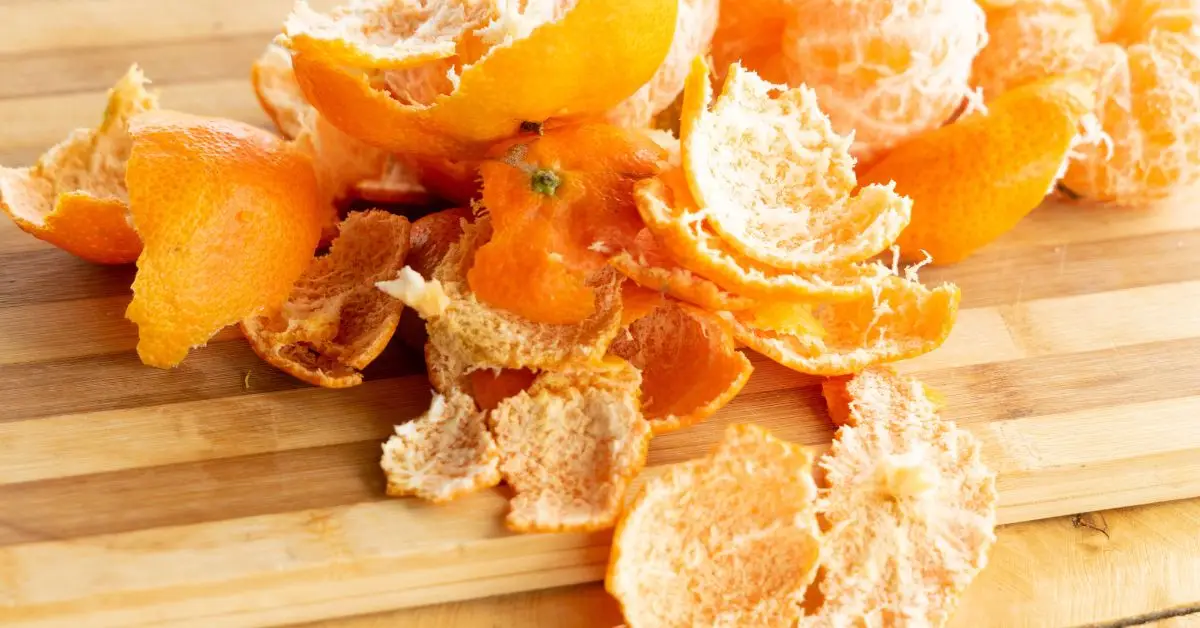
I used to toss orange and lemon peels after breakfast, but now I see them as pest-fighting allies. Their natural oils are powerful enough to keep ants and flies away.
Why Citrus Works
Citrus peels contain limonene, a compound that repels many insects. The scent is strong enough to interfere with ants’ chemical trails and discourages fruit flies from settling nearby.
Practical Uses
- Place fresh peels near fruit bowls or along counters where ants or flies are seen.
- Dry peels and put them in pantry corners or spice jars for a longer-lasting effect.
- Combine peels with bay leaves or cinnamon sticks for a layered, multi-scent deterrent.
Value for you: You’re repurposing kitchen waste while creating an effective, natural barrier against pests. It’s eco-friendly and cost-free.
Staple #6 — Chili/Cayenne Pepper (Heat That Bugs Avoid)
Spicy foods aren’t just for humans—they can also drive pests away. I’ve learned that chili and cayenne pepper are surprisingly effective at keeping small insects from invading my pantry.
How Capsaicin Affects Insects
The compound capsaicin irritates ants and other crawling insects, disrupting their scent trails. According to Martha Stewart, sprinkling a little pepper can make certain areas inhospitable for beetles and ants.
Best Application Methods
- Dry sprinkle: Lightly dust areas where ants enter or gather.
- Pepper-water spray: Mix 1 teaspoon of cayenne with a cup of water, then spray along windowsills or pantry edges.
- Combined approach: Use with vinegar or citrus peels for stronger protection.
Value for you: It’s a scientifically backed, inexpensive way to protect your pantry. Plus, it gives you multiple ways to apply depending on the type of pest you’re targeting.
Staple #7 — Baking Soda Mix (Attract + Disrupt)
Baking soda isn’t just for baking—it can be a clever pest-fighting tool. I like using it in combination with sugar because it lures ants and roaches while also disrupting their digestion.
Ant and Roach Strategy
- Mix equal parts baking soda and sugar in a small dish.
- Ants are attracted to the sugar, but baking soda interferes with their digestion.
- This creates a tactical trap without toxic chemicals.
Where/How to Place It
- Corners of the kitchen, along baseboards, and near pantry entry points.
- Replace every few days for maximum effect.
Value for you: This is a smart, hands-on combo—more than just sprinkling powder, it actually works to reduce ant activity over time.
Staple #8 — Black Pepper (Olfactory Repellent)
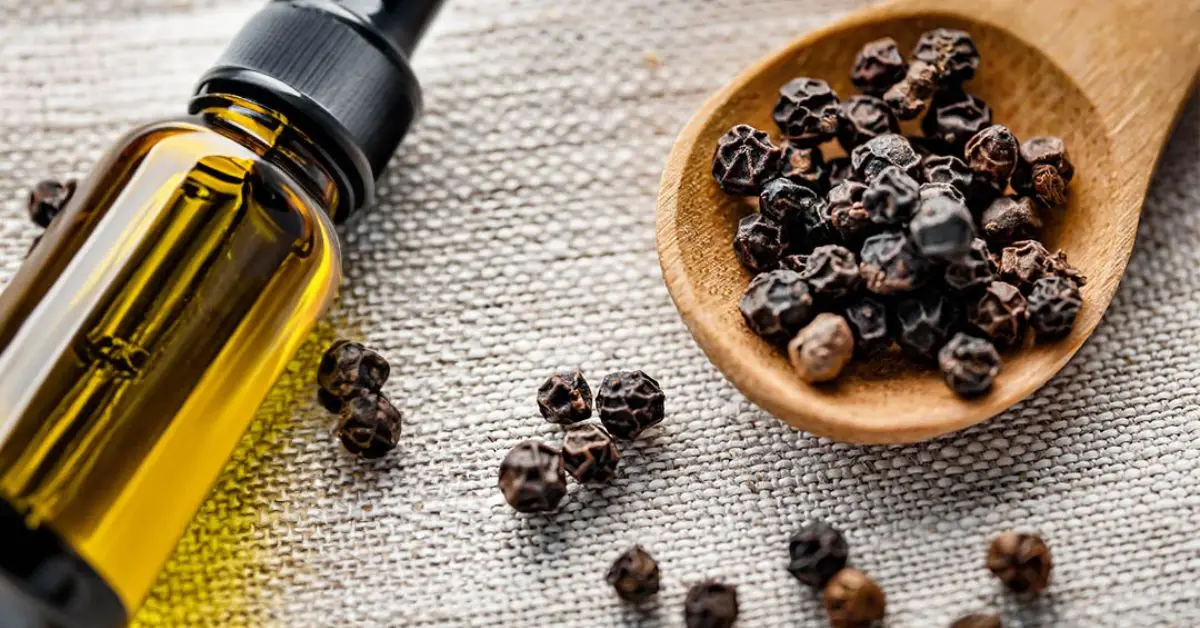
If you want a non-spicy alternative to cayenne, black pepper does the trick. I keep some on hand for counters where ants are a problem.
Pungent Scent Deters Bugs
- Black pepper disrupts ant scent trails and deters small crawling pests.
- It’s subtle enough to use in everyday areas without affecting your food.
Use Case Scenarios
- Sprinkle directly along windowsills, pantry edges, or baseboards.
- Make a light pepper-water spray for corners or behind appliances.
Value for you: A simple, tested alternative to chili, perfect if you want a pest-free kitchen without adding heat to your recipes.
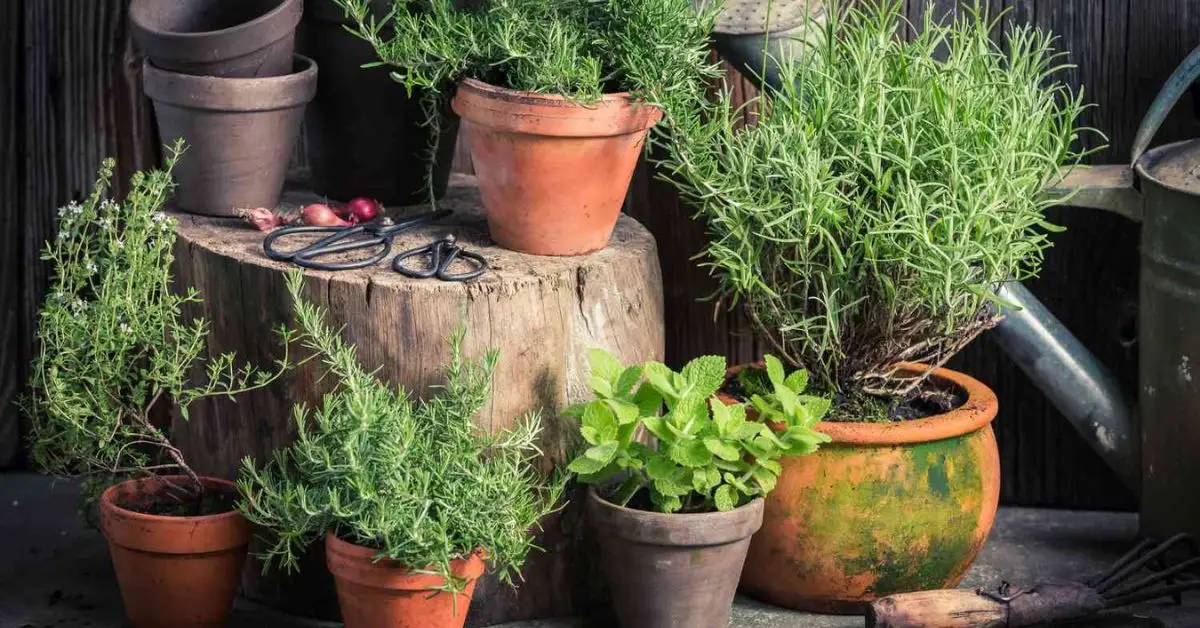
Staple #9 — Herbs With Dual Kitchen Use (Basil, Peppermint)
I love using aromatic herbs because they’re functional and fragrant. Basil or peppermint can actually confuse insects’ senses.
Why Aromatic Herbs Work
- Strong natural scents interfere with insect detection, keeping ants and flies away.
Placement and Form
- Place potted plants on counters or windowsills.
- Soak cotton balls in essential oil and tuck them in pantry corners or cabinets.
- Make small herb sachets to refresh shelves.
Value for you: You get pleasant-smelling, natural pest control that doubles as decor and keeps your kitchen inviting.
Bonus — Quick Setup Guides
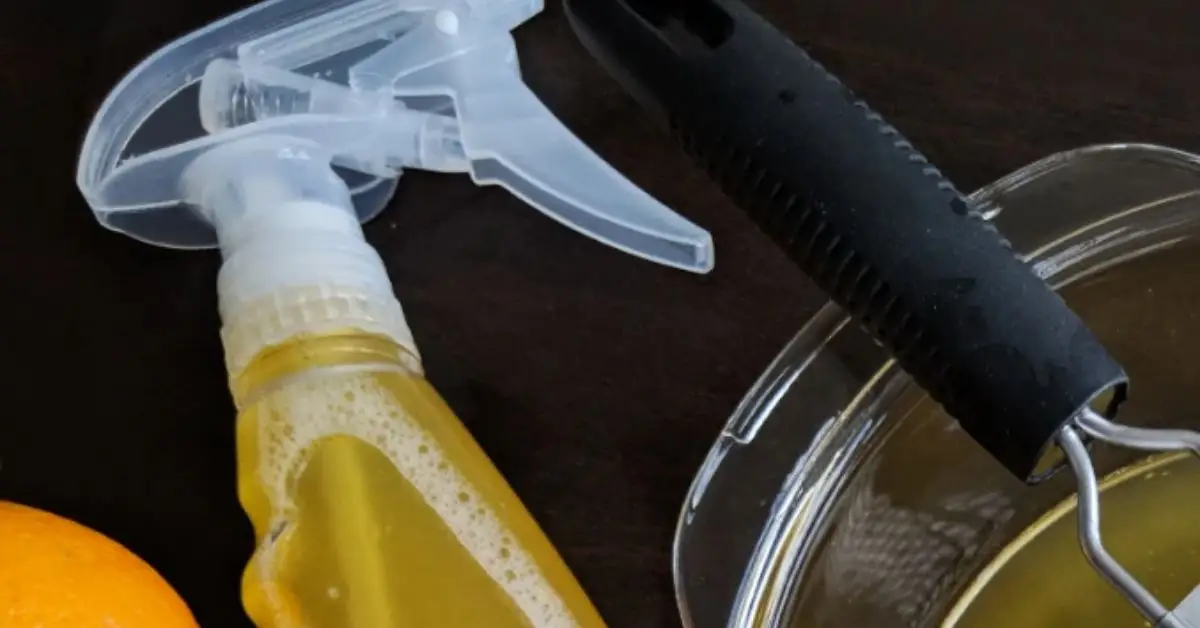
To make it even easier, here’s what I do:
- Step-by-step sprays or traps: Combine citrus peels, vinegar, or coffee grounds into simple DIY setups.
- Placement charts: Ants along baseboards, pantry pests inside jars, fruit flies near fruit bowls.
- Common mistakes to avoid: Don’t leave open packaging, check humidity, and replace organic repellents regularly.
It’s a cheat-sheet for readers so you take action immediately and reduce trial-and-error frustration. You can also combine these staples with 10 smart home hacks to keep pests out all year for a complete, year-round pest-free solution.
When You Should Consider Professional Help
Even with all these natural methods, sometimes pests get out of control.
- Infestations vs isolated sightings: A few ants or moths are manageable; hundreds in multiple areas may need professional attention.
- Signs it’s beyond DIY: Persistent damage, droppings, or pests in hidden areas like under appliances.
It sets safe boundaries so you don’t waste time or risk your health trying to solve a big problem alone. For other tricky household invaders like silverfish, I’ve also shared 7 proven ways to stop silverfish from eating your clothes and books that work alongside these pantry-friendly methods.
Conclusion
By now, you can see that keeping your kitchen pest-free doesn’t have to involve harsh chemicals or expensive solutions. From cinnamon and coffee grounds to citrus peels and herbs, your everyday kitchen staples can work wonders if you use them strategically.
I encourage you to start with one or two methods today and see the difference. And I’d love to hear from you—which of these methods have you tried, or which do you want to test first? Share your experience in the comments below.
Also, if you want more tips like this to make your home smarter, cleaner, and pest-free, visit my website, Build Like New, for practical guides you can start using today.
Disclaimer: The tips in this article are for general informational purposes and use natural, household ingredients. They are not a substitute for professional pest control. Always use caution if you have pets, children, or allergies, and contact a certified pest control service for serious infestations.