10 Oven Glass Cleaning Hacks That Really Work Without Harsh Chemicals
If you’ve ever looked at your oven glass and thought, “I clean this thing, so why does it still look dirty?” you’re not alone. I’ve dealt with the same frustration—grease splatter that turns brown over time, cloudy patches that won’t wipe off, and stains that make an otherwise clean kitchen feel unfinished. And when you start searching for solutions, most advice pushes strong chemical sprays you don’t really want near food or breathing space.
The truth is, oven glass gets dirty in a very specific way. Heat bakes grease into the surface, and once that happens, quick wipes stop working. That’s why some methods feel useless while others suddenly make a big difference. The key isn’t scrubbing harder—it’s using the right approach for the kind of buildup you have.
I’ve put together these oven glass cleaning hacks based on what actually works in real homes, not ideal conditions. Everything here sticks to simple, low-risk ingredients and practical techniques that don’t damage the glass or leave chemical smells behind. If your oven door has reached the point where you avoid looking at it, this will help.
Before we get into the hacks, take a second to check your oven glass. Is it just a light film, or are you dealing with dark, baked-on stains? That answer will decide which method works best for you.
Understanding Oven Glass Grime — What You’re Really Dealing With
Before you grab any cleaner, I want you to actually look at your oven glass. Not guess—look closely. I’ve learned this the hard way. Oven glass doesn’t get dirty in just one way, and treating every stain the same is why cleaning often feels pointless.
In real homes, oven glass buildup usually shows up as:
- Grease spatter from roasting or frying, which starts as a light haze and slowly turns brown
- Carbonized food from old spills that have been reheated again and again
- Baked-on drips from sauces or cheese that slid down and hardened under high heat
Here’s the part most people don’t realize. When grease heats up, it doesn’t just dry—it bonds to the glass. Repeated heat cycles basically glue that residue in place. That’s why a quick wipe works on fresh messes but fails once the oven has been used a few more times.
Run your fingers over the glass (once it’s cool).
If it feels smooth but cloudy, you’re dealing with surface grease.
If it feels rough or patchy, simple cleaning won’t be enough anymore—and that’s okay. You just need the right method.
Natural Cleaning Principles You Should Know
Before we jump into the hacks, let me ground you in a few basics. These principles are the reason natural methods work—and why they’re safer for you and your oven.
Natural cleaning isn’t weak. It’s targeted.
These ingredients work because they attack grease in different ways:
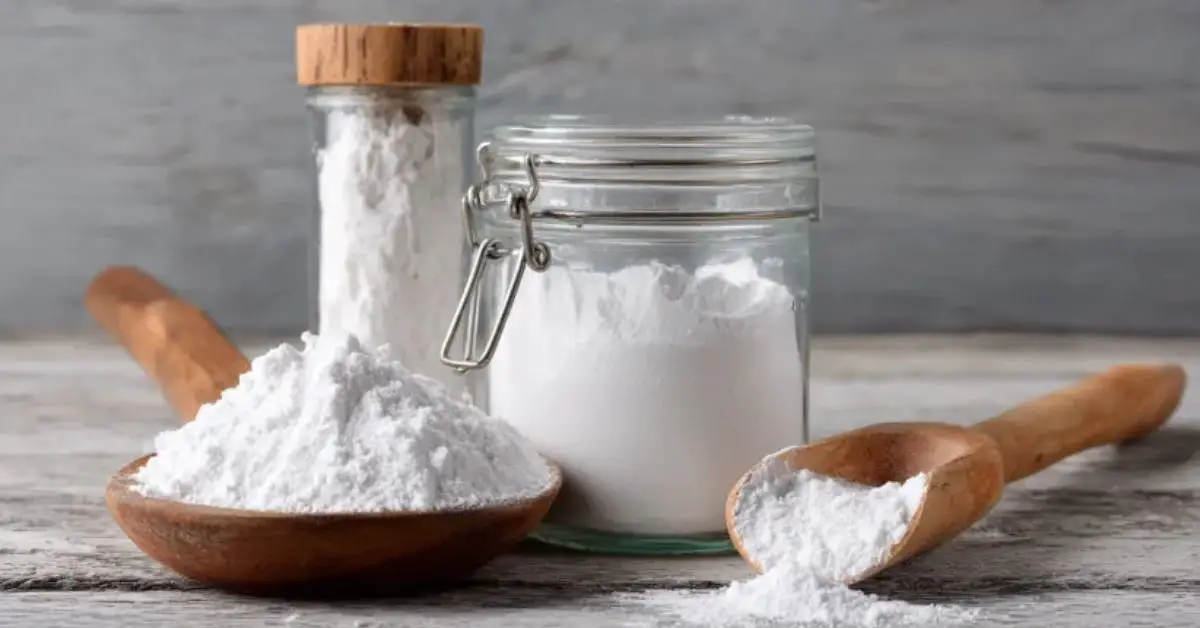
- Baking soda lifts baked-on residue without scratching
- Vinegar breaks grease bonds once heat has locked them in
- Lemon adds mild acid and helps neutralize odors at the same time
Tools matter just as much as ingredients. Oven glass scratches easily, and once that happens, grime sticks even faster. I stick to:
- Microfiber cloths for wiping and polishing
- Plastic scrapers instead of metal blades
- Soft sponges—never steel wool
As explained by Long Road Home Project, most oven glass damage comes from the wrong tools, not the cleaner itself. They also stress one rule I always follow: never clean hot oven glass. Let it cool completely before you start. Hot glass and moisture are a bad mix.
If you keep these principles in mind, every hack you try next will feel easier and work better. Now let’s move into the methods—and I’ll help you pick the one that actually fits your oven’s condition.
Hack #1 — Baking Soda + Water Paste (Classic, Most Effective)
If I had to pick one method that works for most people, most of the time, this would be it. I’ve used this on ovens that hadn’t been cleaned in months, and it still delivered. It’s simple, forgiving, and doesn’t rely on fumes or harsh chemicals.
Here’s how I make the paste:
- Mix 3 parts baking soda with 1 part water
- You want a thick, spreadable paste—not runny
- If it drips, add more baking soda
How to use it properly (this part matters):
- Spread the paste directly on the oven glass
- Focus on brown or cloudy areas
- Let it sit for 20–30 minutes (longer if stains are dark)
- Wipe with a damp microfiber cloth
- Use gentle pressure, not force
This works because baking soda acts as a mild abrasive. It loosens baked-on grease without scratching the glass or damaging the surface. According to Woman & Home, this gentle abrasion is what makes baking soda effective on oven glass without needing chemical cleaners.
If you’re new to natural cleaning, start here. You’ll immediately see whether your stains are surface-level or need something stronger.
Hack #2 — Vinegar Steam Treatment
This is the hack I use when the glass isn’t awful yet, but wiping alone isn’t cutting it. It’s low effort, low mess, and great if you hate scrubbing.
Here’s how you do it:
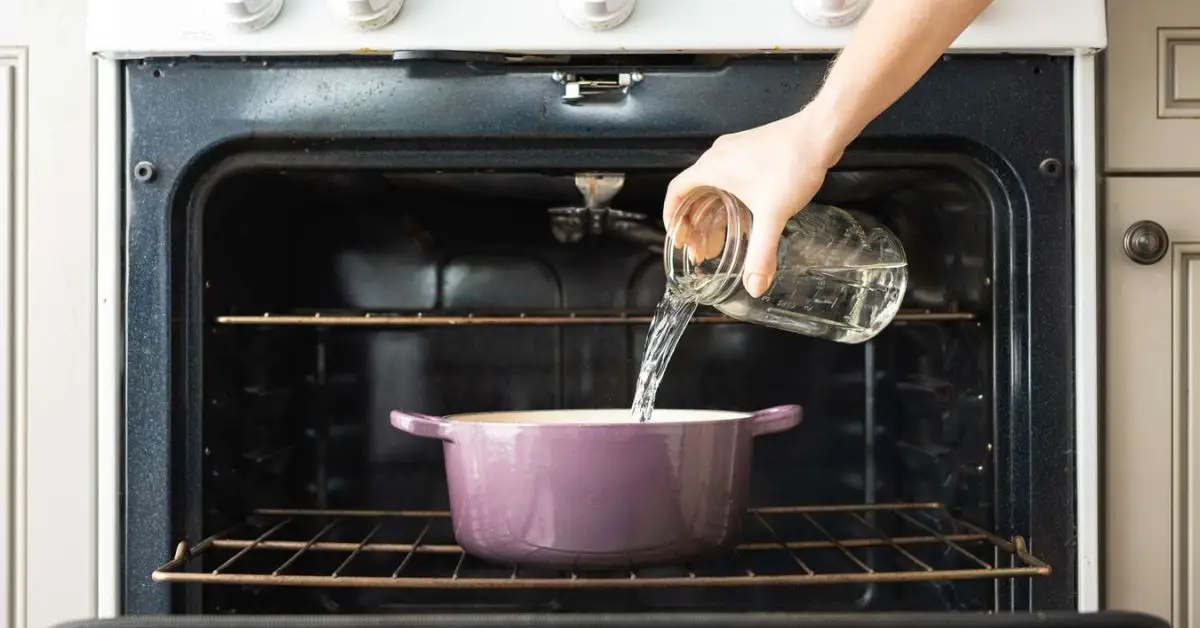
- Place an oven-safe bowl with equal parts vinegar and hot water on the lower rack
- Heat the oven to a low setting for 20 minutes
- Turn it off and let the steam settle
- Open the door carefully and wipe the glass
Steam softens grease so it lets go of the glass more easily. Vinegar helps break down that loosened residue and removes lingering food smells at the same time.
Use this method when:
- The glass looks cloudy, not crusty
- You clean fairly regularly
- You want minimal scrubbing
If stains don’t lift after steaming, that’s your cue to switch to a paste or scrub method.
Hack #3 — Dishwasher Tablet Scrub (Reddit-Approved)
This one surprises people—and yes, it actually works. I didn’t trust it at first either, but real users swear by it, especially when nothing else seems to touch baked-on grime.
How to do it safely:
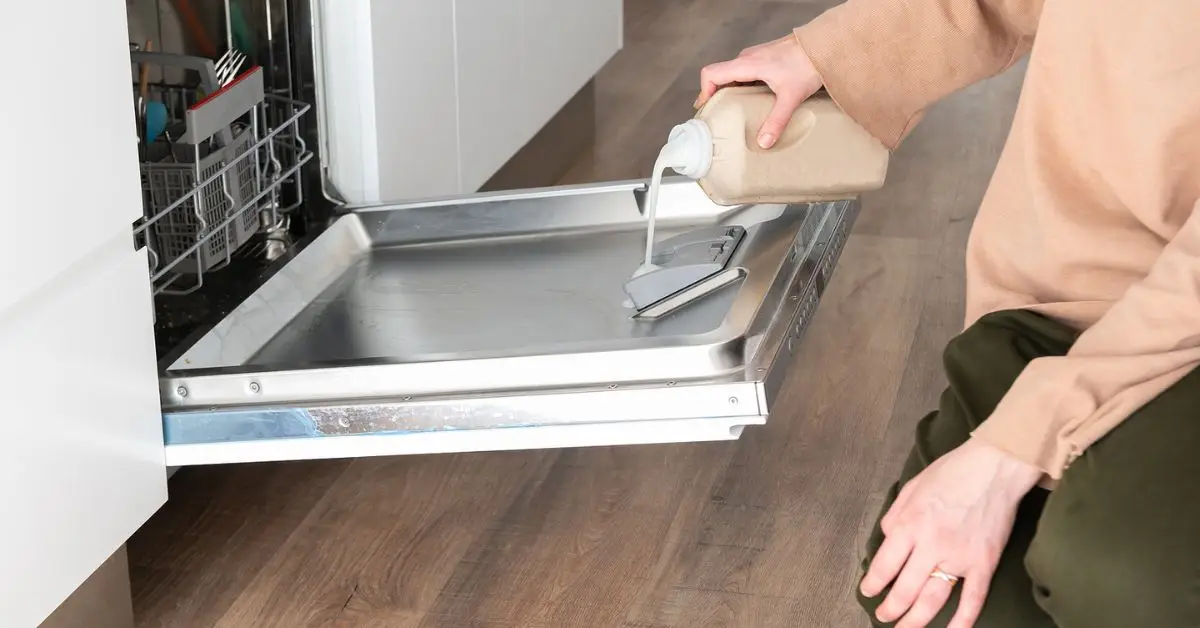
- Dip a dishwasher tablet in warm water
- Let it soften slightly (don’t use it dry)
- Gently rub it over stained areas
- Wipe clean with a damp cloth
Dishwasher tablets contain enzymes and surfactants designed to break down grease at high temperatures. That’s why they can cut through stubborn oven residue when sprays fail.
This method is best when:
- Baking soda alone didn’t work
- Stains are dark and patchy
- You want visible results fast
Go slow and gentle. Let the tablet do the work—not pressure.
Hack #4 — Lemon + Baking Soda Combo
When stains are light but smells are strong, this combo is my go-to. It’s effective and makes the oven smell clean instead of “chemically clean.”
Here’s how I use it:
- Sprinkle baking soda lightly on the glass
- Rub half a lemon directly over it
- Let the mixture sit for 10–15 minutes
- Wipe clean with a damp cloth
The citric acid in lemon helps loosen grease while baking soda lifts it off the surface. It’s not meant for heavy buildup, but it’s perfect for maintenance cleaning or quick refreshes.
Bonus: your kitchen smells fresh, not like cleaner.
Hack #5 — Dish Soap Degrease Pre-Soak
Think of this as prep work—not the final solution. I use this when the oven glass is greasy but I don’t want to jump straight into scrubbing.
Simple steps:
- Mix a few drops of dish soap into warm water
- Wipe the glass generously
- Let it sit for 10–15 minutes
- Wipe again with a clean cloth
Dish soap breaks down grease before it hardens further. This works especially well right after cooking spills or before using baking soda or tablets.
If cleaning has felt like a battle, this step alone can make the next hack twice as effective.
Up next, I’ll show you how to deal with tougher stains and prevent this mess from coming back in the first place.
Hack #6 — Microfiber + Water Scrub for Quick Maintenance
This is the easiest habit you can build—and the one that saves the most time later. I do this right after cooking, once the oven is warm but not hot. At this stage, grease hasn’t fully set, so it wipes off instead of fighting back.
Here’s what I do:
- Lightly dampen a microfiber cloth with plain water
- Wipe the oven glass while it’s still warm
- Pay extra attention to the lower corners where splatter collects
Microfiber matters because it lifts grease instead of dragging it across the glass. Regular cloths can leave residue behind, which slowly turns into baked-on stains. This takes less than a minute, but it can save you from deep cleaning later.
If you cook daily, this one step alone can keep your oven glass clear long-term.
Hack #7 — The Cover Trick to Avoid Future Stains
Instead of constantly cleaning messes, I prefer stopping them from happening in the first place. This small change made a noticeable difference in how dirty my oven glass gets.
What works:
- Place an oven liner or drip tray on the rack below your food
- Never block vents or heating elements
- Tent greasy foods like chicken, bacon, or roasts with foil
- Position dishes so spills don’t run toward the door
Most oven glass stains come from repeated splatter, not one big spill. When you reduce splatter, you reduce heat-bonded grease. Less buildup means easier cleaning and fewer deep scrubs.
This is a quiet time-saver that pays off every week.
Hack #8 — Between-Glass Wipe Without Disassembly
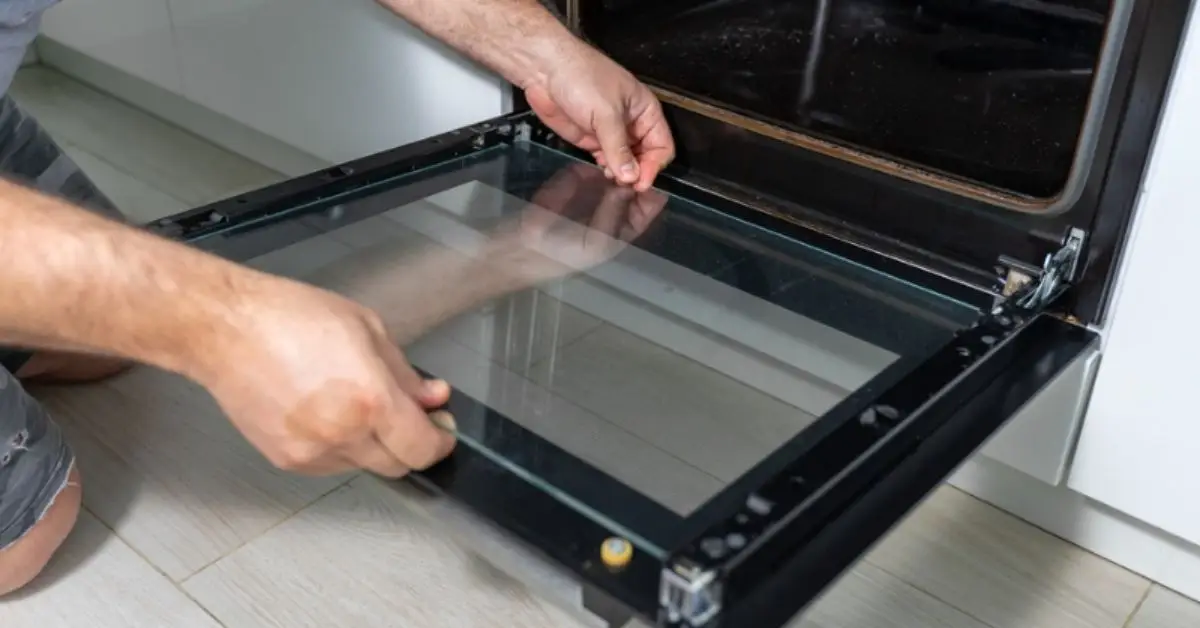
If your oven glass looks clean but still appears foggy or streaky, grime may be trapped between the glass panels. Many people think this means taking the door apart—but often, you don’t need to.
Here’s the safe way I do it:
- Wrap a microfiber cloth tightly around a thin tool (ruler or spatula)
- Secure it with a rubber band
- Slide it carefully into the vent gap at the top or bottom of the door
- Wipe gently side to side
This method is also recommended by Teka Cleaning, who explain how to clean between oven glass safely without disassembling the door.
Go slow. You’re cleaning a tight space, not scrubbing an open surface.
Hack #9 — Plastic Scraper Trick for Extra Stubborn Spots
When grease has hardened and feels rough to the touch, wiping alone won’t help. This is when I use a plastic scraper—never metal.
How to do it safely:
- Hold the scraper at a low angle, almost flat
- Use short, controlled strokes
- Always soften the stain first with steam or paste
This method works best on small, stubborn patches. Pressure isn’t your friend here. If the stain doesn’t move easily, stop and soften it again. Scraping should lift residue, not grind into the glass.
Used correctly, this saves serious effort without causing damage.
Hack #10 — Multi-Step Combo for Heavy Grime
When oven glass hasn’t been cleaned in a long time, one method usually isn’t enough. In those cases, layering techniques is faster than repeating the same hack again and again.
This is the sequence I rely on:
- Steam first to loosen everything
- Apply baking soda paste and let it sit
- Finish with a vinegar wipe to clear residue
Use this approach when:
- Stains are dark and uneven
- The glass feels rough
- Quick methods barely made a dent
Each step prepares the surface for the next. Instead of fighting baked-on grease, you’re breaking it down in stages. It looks like more work, but in practice, it saves time and frustration.
Mistakes to Avoid (Toxic & Damaging Habits)
www.chemicals.co.uk
I’ve seen people put in real effort—and still ruin their oven glass. Almost always, it comes down to a few common mistakes that seem harmless but cause long-term damage or health risks.
Here’s what I always avoid, and you should too:
- Using harsh chemical sprays near food surfaces: Powerful cleaners might feel satisfying, but the fumes and residue stay right where you cook. That’s not a trade I’m willing to make. When it comes to kitchen safety, cleaning mistakes aren’t the only thing people overlook—many homeowners also don’t realize that everyday habits like reheating the wrong items can be risky, which is why it’s worth knowing about common heat-related items that should never go in the microwave.
- Cleaning the glass while it’s hot: Hot glass plus moisture can cause cracks, stress marks, or permanent cloudiness. Always let the oven cool completely before you start.
- Scrubbing with metal scourers or abrasive pads: Metal pads create tiny scratches that trap grease and make future stains even harder to remove. A smooth surface stays cleaner longer.
If a method feels aggressive, it usually is. Oven glass doesn’t need force — it needs the right approach.
Maintenance Routine — Keep It Sparkling Long-Term
Once your oven glass is clean, keeping it that way is much easier than starting from scratch again. I stick to a simple routine that actually fits real life.
Here’s how I maintain:
Weekly (1–2 minutes)
- Quick wipe with a damp microfiber cloth after cooking
- Target fresh splatter before it sets
Monthly
- Light natural clean with baking soda or vinegar
- Pay attention to corners and edges where grease hides
Seasonal (every few months)
- Give it a deeper session with steam or paste if needed
- Wipe between glass if it looks foggy
A clean kitchen also goes hand in hand with overall fire safety habits, and following a few essential fire safety tips every homeowner should know can reduce risks far beyond just keeping appliances looking good.
This kind of rhythm keeps buildup from ever reaching the “scrape and struggle” stage. Small effort, big payoff.
Quick Summary — Start With These 3 Go-To Hacks
If you don’t want to try everything, start here. These three cover almost every situation:
- Light haze or fresh splatter: Microfiber + warm water wipe
- Medium brown stains: Baking soda + water paste
- Heavy, baked-on grime: Combination method with steam, paste, and finish wipe
These work better than harsh chemical cleaners because they break down grease instead of burning it off or scratching the glass. They’re safer for your oven and your home. Choosing gentler, non-toxic methods matters more than people think, especially in kitchens where hidden appliance risks already exist—something that’s become clear from real-world cases involving microwave dangers and burn injuries.
If you found this helpful, I’d love to hear from you. Which hack worked best for your oven glass? Share your experience in the comments — your tip might help someone else dealing with the same stubborn grime.
And if you want more practical, no-nonsense home improvement and cleaning guides, check out Build Like New — we’re building useful stuff for real homes.
Disclaimer: These cleaning methods are for general home use and may not be suitable for every oven model. Always check your manufacturer’s instructions first and test any method on a small, hidden area before cleaning the full glass. Use caution to avoid injury or damage.