7 Household Hacks to Remove Black Mold Quickly and Safely
I still remember the first time I noticed black mold creeping along the corner of my bathroom wall. At first, it seemed harmless—a little dark spot that I thought I could ignore. But I quickly realized it wasn’t just an eyesore; it was a warning sign. Black mold isn’t like regular mildew that you can scrub away and forget. It can trigger health problems, damage surfaces, and spread faster than most people expect.
If you’ve ever tried to tackle it, you know how frustrating it can be. Some guides tell you to grab bleach or harsh chemicals, while others swear by weird “home hacks” that don’t work. I’ve spent years testing practical solutions, and I can confidently say: there are simple household items that actually get rid of black mold—fast, safe, and without breaking the bank.
In this article, I’ll walk you through seven of the most effective items I’ve personally used, why they work, and how to use them the right way. By the end, you’ll know exactly what to do when black mold shows up at your home—and how to stop it from coming back.
How Black Mold Grows & Where You’ll Find It Most Often
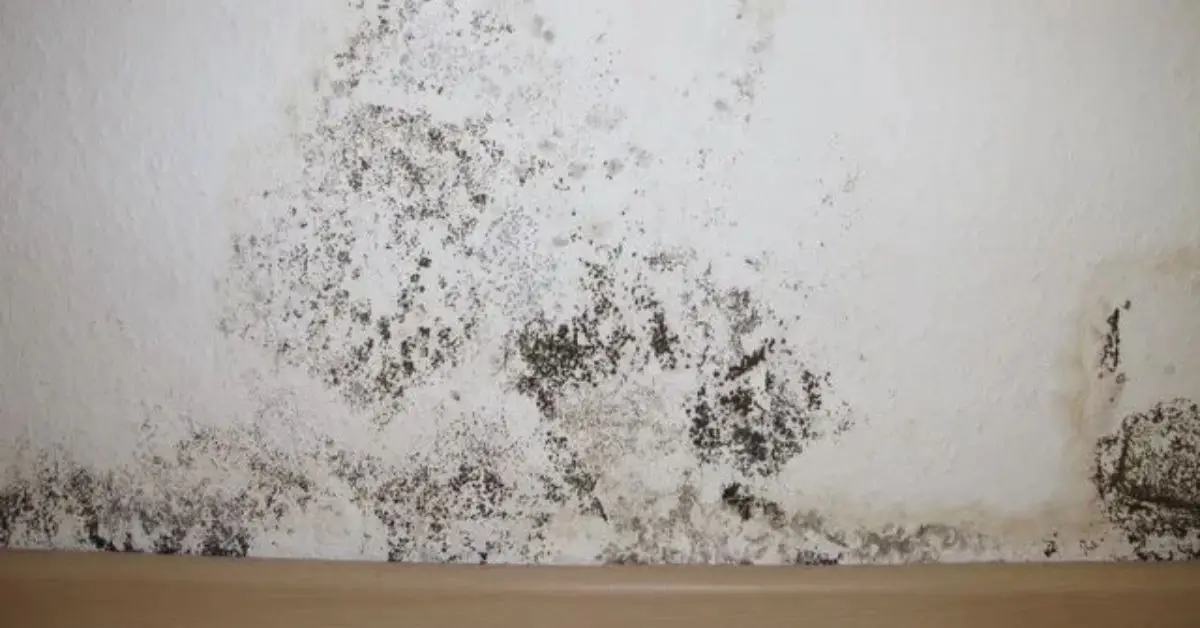
When I first started dealing with black mold, I realized that knowing where it hides is just as important as knowing how to clean it. Mold isn’t random—it loves certain conditions, and understanding them can save you a lot of headaches.
Here’s what I’ve learned about why black mold appears:
- Moisture is the main culprit: Leaky pipes, condensation on windows, or high humidity levels create the perfect environment for mold to thrive.
- Dark and poorly ventilated areas: Basements, behind cabinets, and inside closets are common hiding spots because air circulation is limited.
- Porous surfaces are vulnerable: Wood, drywall, and carpet can trap moisture, giving mold a place to take root.
- Neglected spots: Ceiling corners, behind appliances, or under sinks—any area you rarely check can become a mold hotspot. Mold can also hide in unexpected places like your workout area—here are 8 things to inspect in your home gym this weekend to keep it safe and mold-free.
Knowing these patterns helped me stop chasing the visible mold and start treating the problem at its source. If you want a detailed breakdown of black mold health risks and why it spreads, Cleveland Clinic has a solid guide that I often refer to.
How We Evaluated These Household Items
Before I started recommending anything, I had to make sure it actually works in real homes—because not every “home remedy” is worth your time. Here’s how I approached it:
- Safety first: Could I use it without gloves and masks, or would it be hazardous?
- Effectiveness: Does it kill mold spores or just mask the stain?
- Availability: Could I find it in my kitchen or local store easily?
- Cost: Is it affordable, or would I be paying for a specialty product unnecessarily?
- Ease of use: Could someone with zero DIY experience actually apply it correctly?
By keeping these criteria in mind, I could separate what works from what’s just hype. This approach also makes it easier for you to pick a solution that fits your home and your comfort level—no guesswork involved.
The 7 Household Items That Actually Remove Black Mold Fast
Over the years, I’ve tried everything from harsh chemicals to trendy “miracle cures,” and I’ve narrowed it down to seven household items that actually work—without harming your health or your surfaces. Here’s what I use and recommend:
1. White Distilled Vinegar
Vinegar is a go-to for me because it’s simple, safe, and surprisingly effective. Its acidity can kill many common mold strains, and it works on both porous and non-porous surfaces.
- Spray it directly on the moldy area and let it sit for at least an hour.
- Wipe with a clean cloth and repeat if necessary.
I like this method because it’s chemical-free and easy to find in any kitchen. According to EnviroVent Ltd, vinegar’s low pH makes it an effective antifungal solution without relying on bleach.
2. Hydrogen Peroxide (3% Solution)
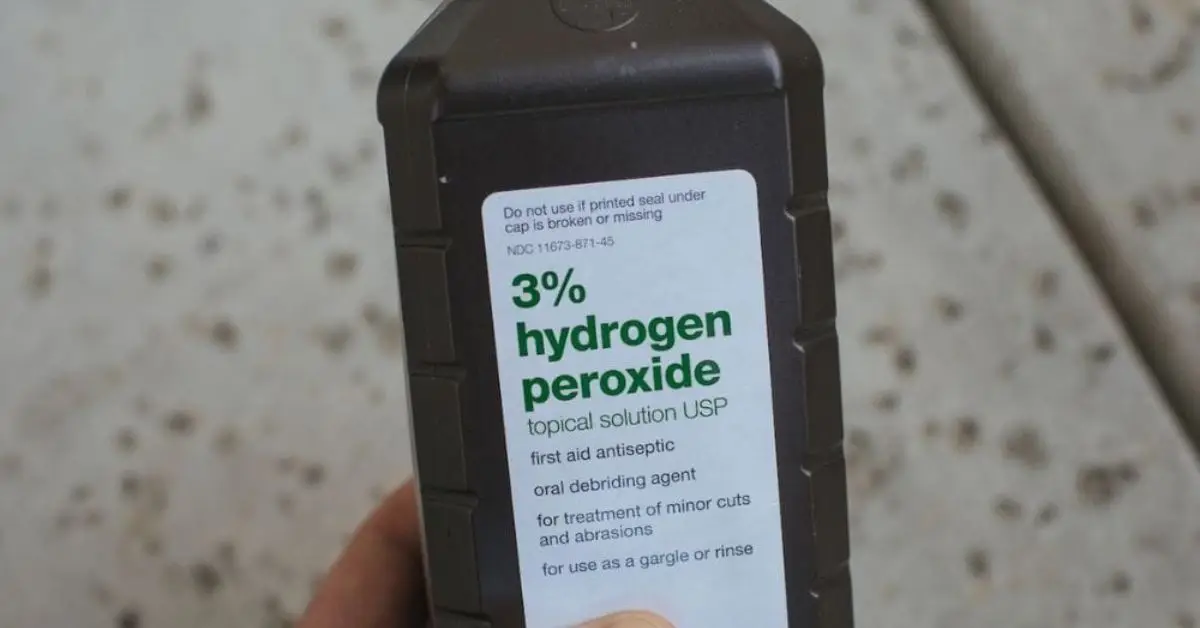
When I encounter stubborn mold, hydrogen peroxide is my next step. It penetrates deeper than vinegar and disinfects the surface, making it harder for mold to return.
- Use a spray bottle and saturate the affected area.
- Let it sit for 10–15 minutes before scrubbing.
- Works especially well on tiles, grout, and hard surfaces.
Reddit users often recommend peroxide for tougher outbreaks, noting that it can reach places bleach often can’t.
3. Baking Soda
Baking soda is gentle but versatile. I use it mainly for mild mold, moisture control, and odor neutralization.
- Mix with water to form a paste or combine with vinegar for extra cleaning power.
- Sprinkle on damp surfaces, scrub lightly, and rinse.
The Spruce notes that baking soda alone won’t kill all spores, so I always pair it with vinegar or peroxide for a more complete solution.
4. Borax
Borax is one I keep for areas that see recurring moisture, like basements or kitchens. It kills mold and leaves a protective layer that prevents regrowth.
- Dissolve 1 cup of borax in 1 gallon of water.
- Scrub onto affected areas and leave it to dry—no rinsing needed.
It’s often overlooked in DIY guides, but I’ve found it highly reliable for tough spots.
5. Tea Tree Oil
Tea tree oil is my natural antifungal favorite. Unlike vinegar or peroxide, it prevents mold from coming back if left on the surface.
- Mix 1 teaspoon of tea tree oil with 1 cup of water in a spray bottle.
- Spray and let it air dry—do not rinse.
It’s especially good on finished wood and tile, where you want cleaning plus long-term prevention.
6. Lemon Juice or Citrus Extract

MasterClass
Sometimes you need a light touch, especially for cosmetic stains or odors. Lemon juice is a natural acid and deodorizer.
- Apply fresh lemon juice to the area and let it sit for 10–15 minutes.
- Wipe away with a damp cloth.
I like using this as a finishing step after heavier cleaning—your home smells fresh without any harsh chemical scent.
7. Dish Soap + Warm Water
Before any stronger treatment, I always start with dish soap and warm water. It doesn’t kill mold, but it helps remove spores, dirt, and biofilm, giving your next step a better chance of success.
- Use a sponge or cloth to clean the area thoroughly.
- Follow immediately with vinegar, peroxide, or another treatment for best results.
Quick Step‑by‑Step Routine for Fast Results
When I first figured out how to tackle black mold, I realized it wasn’t just about what to use — it was about how to sequence them so each step makes the next more effective. Here’s the workflow I follow every time:
- Start with Dish Soap + Warm Water: I scrub the area first to remove surface grime and loosen spores. It clears the way for deeper‑acting solutions.
- Spray Vinegar or Hydrogen Peroxide Next: Depending on how stubborn the mold looks, I reach for vinegar or a 3% hydrogen peroxide solution and let it sit for 10–15 minutes to kill spores.
- Rinse with Baking Soda: After the disinfectant works, I sprinkle baking soda or a baking soda solution to neutralize moisture and odor.
- Finish with Preventive Oils or Borax: If mold tends to return, a light spray of tea tree oil or a borax layer helps prevent it from coming back.
- Optional Lemon Juice Touch‑Up: For areas where smell or aesthetics matter (like bathrooms), I dab a little lemon juice at the end.
It’s like cooking — the right order gives the best result. If you want to make sure the remedies you’re using are actually effective, Snopes has a thorough fact-check on common home mold removal methods that I always reference to separate myths from real solutions.
Safety Tips When Removing Black Mold at Home
I’ve made mistakes — like skipping protection because it “didn’t look like much” — and learned the hard way that mold spores are no joke. Before you even touch a cleaner:
- Put on an N95 mask, gloves, and preferably goggles.
- Open windows or doors to ventilate the space — stagnant air keeps spores airborne.
- Cover furniture and belongings near the mold so spores don’t settle on them as you clean.
- Never mix products like vinegar and bleach — that can create hazardous fumes.
Taking these simple precautions protects your lungs and keeps the cleanup from turning into a bigger problem.
When to Stop DIY and Call a Professional
There’s a point where household fixes stop working — and you feel it. I always recommend calling in pros when:
- Mold has spread inside walls or ceilings rather than just on surfaces.
- You’ve cleaned the same spot multiple times and it keeps showing back up.
- Anyone in your home starts experiencing coughing, wheezing, skin irritation, or sinus issues.
Getting a trained mold remediation expert helps you avoid wasted effort and bigger health problems down the road.
Preventing Black Mold From Coming Back (Moisture Control Tips)
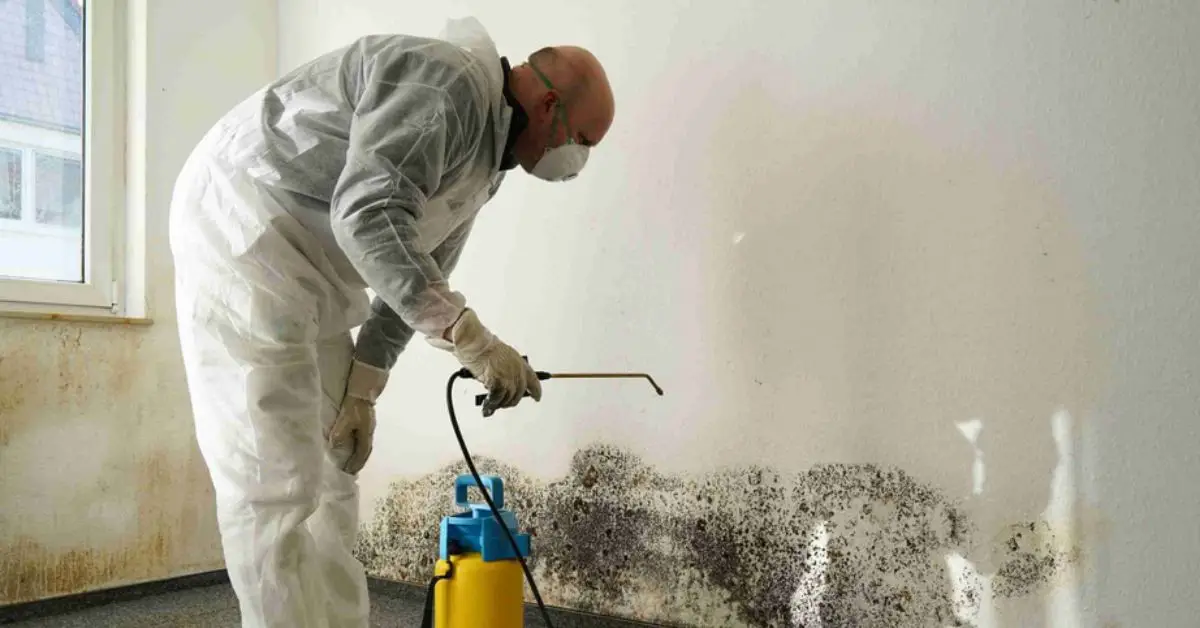
Clearing mold is only half the battle — if moisture stays, mold will too. Once you’ve cleaned a spot, I focus next on controlling dampness, because mold loves humidity:
- Fix leaks immediately — whether in the roof, walls, or under the sink.
- Ventilate regularly with fans, open windows, or cross‑air flow.
- Use dehumidifiers in high-humidity areas like bathrooms and basements.
- Dry wet areas quickly after showers or spills.
Keeping humidity low and air moving makes a huge difference. For more ways to control indoor humidity, check out 5 easy tips to stop mold in your humidifier this winter—this can make a big difference in preventing mold growth.
Suggested Tools That Make Cleaning Easier
Over the years, I’ve realized that having the right tools is half the battle. Even the best household items won’t work as well if you don’t have the proper equipment. Here’s what I always keep on hand:
- Spray bottles: Perfect for vinegar, hydrogen peroxide, or tea tree oil solutions—makes application even and controlled.
- Stiff brushes: Ideal for grout, tiles, or textured surfaces where mold likes to hide.
- Scrub pads or sponges: For delicate surfaces like painted walls or wood.
- Gloves and N95 masks: Protect your hands and lungs from spores and chemicals.
- Microfiber cloths: Great for wiping away residue without spreading spores around.
- Buckets and warm water: Simple but necessary for mixing solutions and rinsing surfaces.
Having these ready before you start saves time and ensures the cleaning process is safe and efficient.
Wrapping Up: Fast, Safe, and Practical Mold Removal
Dealing with black mold can feel overwhelming, but it doesn’t have to be. From vinegar to tea tree oil, these seven household items, when used correctly and in the right sequence, are incredibly effective. Pair them with the proper tools, follow safety precautions, and focus on moisture control, and you’ll dramatically reduce the risk of mold coming back. And even after cleaning, lingering odors can be an issue—here are 5 proven ways to eliminate mold smell in your home without just masking it.
Now it’s your turn: what’s the most stubborn mold spot you’ve faced at home, and which of these methods would you try first? Share your experience in the comments—I’d love to hear your tips.
And if you want more practical, DIY home solutions and guides like this, check out Build Like New for step-by-step advice on keeping your home healthy, clean, and looking its best.
Disclaimer: This article is for informational purposes only. The methods and tips shared are based on personal experience and publicly available sources. For severe mold infestations, structural damage, or health concerns, please consult a licensed professional. Build Like New is not responsible for any damages or health issues resulting from DIY mold removal.