Burst Pipe Next Door: Who Is Responsible for the Damage to Your Home?
Flooding or a burst pipe can turn a normal day into chaos fast. I’ve seen how quickly water damage spreads—floors buckle, walls soak through, and mold becomes a real concern if things aren’t handled right away. It’s stressful enough when the problem starts in your own home. It’s even worse when you realize the water is coming from next door.
That’s usually when the real frustration kicks in. You’re dealing with repairs, insurance calls, and possibly temporary housing—while also trying to figure out who’s actually responsible. You might assume the answer is simple: their pipe, their problem. But in reality, when a neighbor’s pipe bursts, responsibility isn’t always that clear.
From what legal and insurance experts consistently point out, most disputes don’t come down to blame—they come down to how insurance works, whether negligence can be proven, and what type of property you live in. Single-family homes, condos, rentals, and HOA-managed buildings all play by slightly different rules. That’s where a lot of homeowners get caught off guard.
In this guide, I’ll walk you through what really happens when a neighbor’s pipe bursts, who usually pays first, and what steps protect you financially and legally—without making things worse with your neighbor. Before we get into the details, let me ask you this: do you know whether your own insurance would step in right now if the damage isn’t technically your fault?
Why Water Damage From a Neighbor Is More Complicated Than It Seems
When water starts coming into your home, it doesn’t matter where it’s coming from—panic sets in fast. I’ve personally seen minor leaks from a neighbor’s unit turn into soaked ceilings, damaged floors, and weeks of disruption. By the time the source is identified, the damage is already done.
What makes this situation feel especially unfair is how quickly water damage escalates. A burst pipe can release a massive amount of water in minutes, while slow flooding can quietly spread behind walls and under flooring. Either way, the impact goes far beyond what you can see.
Here’s why these situations become overwhelming so quickly:
- Burst pipe vs flooding: Burst pipes are sudden and aggressive; flooding can be slow but just as destructive.
- Structural damage: Water can weaken framing, rot subfloors, and compromise key structural areas if left untreated.
- Health risks: Mold and mildew can develop quickly, especially in shared walls or ceilings.
- The source isn’t yours: When damage originates from a neighbor’s home, responsibility feels obvious—but legally and financially, it often isn’t.
That gap between what feels fair and how the system actually works is where most homeowners get stuck.
The Core Question — Who Pays When a Neighbor’s Pipe Bursts?
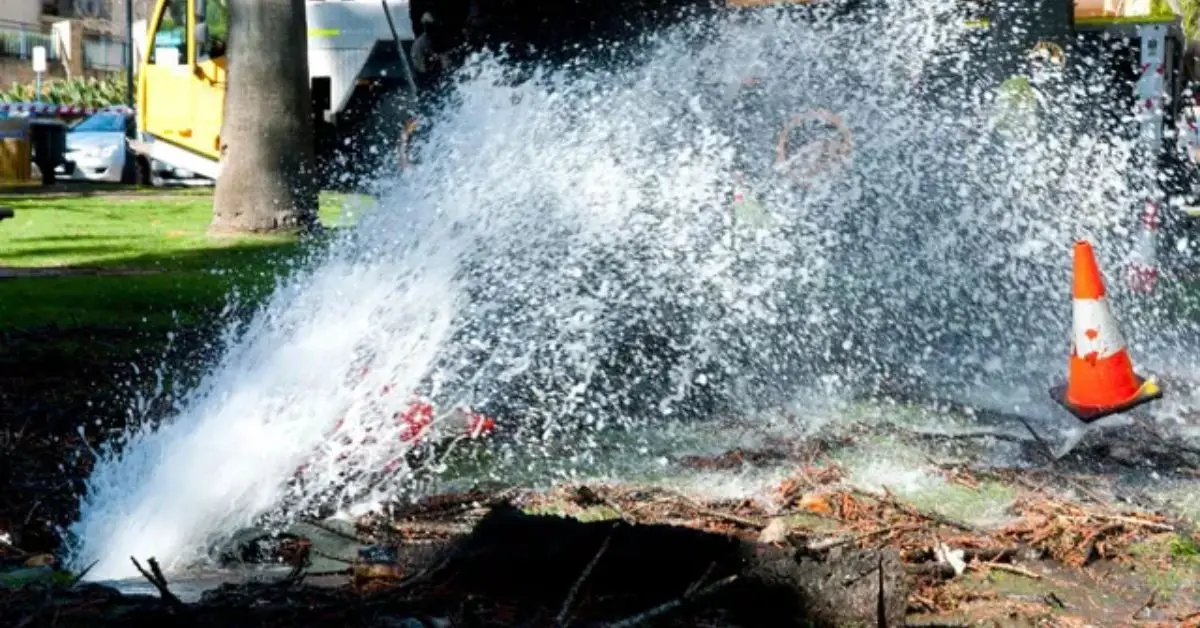
If you’re dealing with this right now, you probably want a straight answer. The truth is, payment responsibility doesn’t always follow common sense—it follows insurance rules and legal definitions.
Why “Common Sense” Doesn’t Always Decide Responsibility
Most people assume that if a neighbor’s pipe caused the damage, the neighbor automatically pays. In reality, two separate ideas matter:
- Legal responsibility, which depends on whether negligence can be proven
- Insurance responsibility, which determines who pays first
Burst pipes are usually treated as accidents. Pipes can fail even when homeowners maintain their property properly. Unless there’s clear evidence that your neighbor ignored a known plumbing issue or failed to make necessary repairs, proving negligence is difficult. This is why legal guidance from FindLaw – Water Damage and Neighbor Disputes explains that most of these cases are handled through insurance claims, not lawsuits.
That’s why homeowners are often surprised to learn that fault and payment are not the same thing. This same confusion shows up in other neighbor damage cases too, like when ownership crosses property lines, which I’ve explained in detail in who’s responsible for cleaning up when a tree from your yard lands in a neighbor’s yard—another situation where responsibility isn’t as obvious as it feels.
Single-Family Homes vs Shared Buildings — Liability Changes Here
This is where many articles blur important details. Liability depends heavily on the type of property involved, and mixing scenarios leads to confusion.
Single-Family Detached Homes
When both homes are detached, responsibility is usually clearer.
In many cases:
- If your neighbor’s pipe bursts and damages your home, they may be liable, especially if negligence is involved.
- Negligence could include ignored leaks, known pipe problems, or failure to maintain aging plumbing.
- Because systems aren’t shared, it’s easier to trace the source of the damage.
Even then, insurance often steps in first while liability is sorted out later.
Condos, Apartments, and Shared Walls
Shared buildings complicate everything. I’ve seen owners assume they’re responsible for plumbing just because it’s near their unit—only to learn that’s not how ownership works.
Typically:
- Walls-in responsibility: You’re responsible for finishes, fixtures, and personal property inside your unit.
- Behind-the-wall plumbing: Often considered part of shared building systems.
- Master insurance policy: Covers common elements like shared pipes and structural components.
- Individual dwelling policies: Cover damage inside each unit.
Because multiple policies may apply, several insurance companies often get involved. That overlap is why condo and apartment claims feel slower and more confusing.
Let me ask you this before we move on: do you know whether your insurance treats your home as a standalone structure or part of a shared building? That single detail can change how responsibility is decided.
Insurance Reality Check — How Claims Actually Work in Practice
This part matters because most people assume the neighbor’s insurance pays first. That’s seldom the case in real life.
When water enters your home from next door, your own insurer usually becomes your first call—even if the damage clearly started outside your walls. It’s not because your neighbor did nothing wrong. It’s because insurance is built to handle sudden accidents quickly, not to wait for long legal debates about fault.
Why You Usually File With Your Own Homeowners Insurance First
Here’s how it typically works:
- Accidents first, fault later: Insurers want to stop the damage, not wait for a court case.
- Negligence is hard to prove: Unless there’s clear evidence your neighbor ignored a known problem, most claims aren’t decided on negligence.
- Subrogation explained simply: Your insurance covers you now, then may pursue the neighbor’s insurer afterward to recover costs.
This approach is practical but surprising to many homeowners. For a clear explanation of how insurers treat water damage from neighboring properties, check Better Homes & Gardens on neighbor pipe bursts and who pays.
This source highlights how claims are handled in both single-family and shared-building scenarios.
What If Water Damage or Flooding Is Excluded in Your Policy?
Here’s a distinction that matters a lot:
- Water damage (like a sudden burst pipe) is often covered under standard homeowners insurance.
- Flood damage (from rising water or surface flooding) usually requires a separate flood policy.
If your policy excludes the kind of damage you’re facing:
- You might need to pay for immediate repairs yourself
- You can still try to be reimbursed later through your neighbor’s insurance
- Strong documentation becomes essential if you pursue reimbursement
This is why checking your policy BEFORE an incident is so critical—so you know what you’re protected for and what you’re not.
HOA and Condo Association Responsibilities Explained Clearly
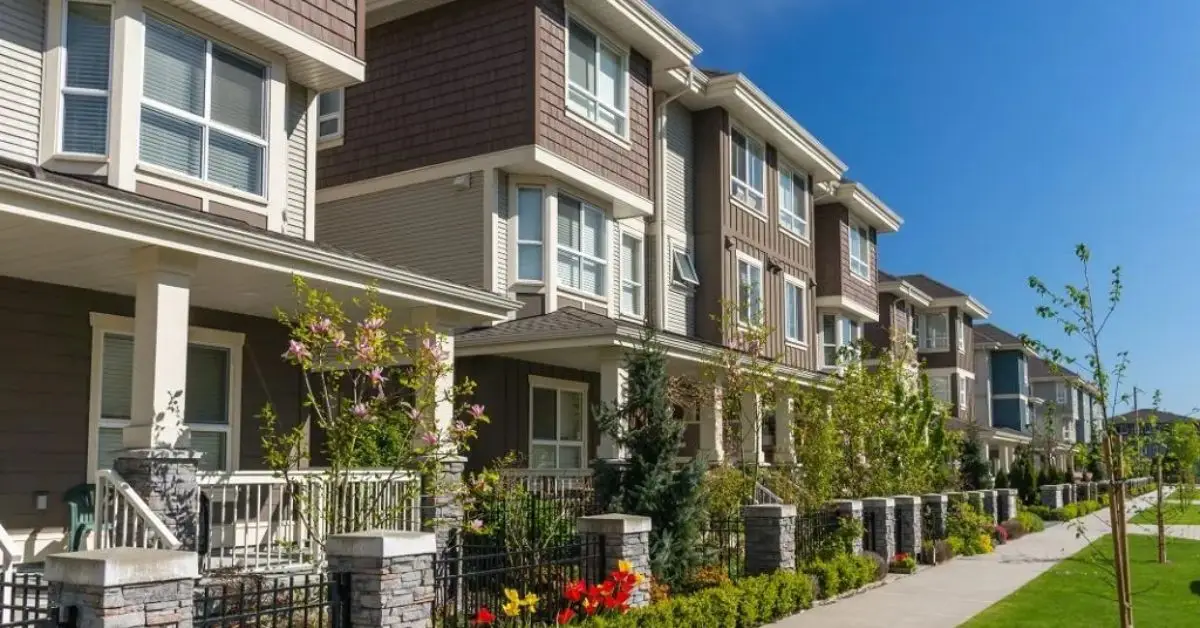
If you live in a condo or an HOA community, responsibility isn’t as simple as “your place vs their place.”
In shared buildings, responsibility is usually split between:
- Common areas: Hallways, roofs, stairwells, shared pipes
- Individual units: Interiors like floors, fixtures, appliances
Most HOA or condo master policies cover common structures, while your personal insurance covers the inside of your unit. When water damage crosses those boundaries, both parties’ insurance can get involved.
Here’s why this matters:
- Multiple insurers may inspect damage
- Liability may depend on where the water originated
- HOA bylaws (the CC&Rs) often spell out who pays for what
I always tell people: before you assume anything, read your HOA governing documents. They often decide responsibility more clearly than instinct or neighborly conversations.
What To Do Immediately After Discovering Water Damage
Once you notice water damage, the first day sets the tone for how well your claim will go.
First 24 Hours — Damage Control
If it’s safe to act:
- Shut off the water source if you can
- Take clear photos and videos of all affected areas
- Move valuables out of harm’s way
- Use fans or dehumidifiers to reduce moisture
- Keep receipts for anything you buy to address the emergency
Your goal is to stop further damage without making changes that could hurt your claim.
What Not to Do Before Adjusters Arrive
This is where many people accidentally sabotage themselves:
Avoid:
- Permanent repairs before inspections
- Throwing away damaged items before documenting them
- Making agreements with your neighbor about costs without putting it in writing
Good documentation protects you—it gives insurers fewer reasons to delay or deny compensation.
How to Communicate With Your Neighbor Without Making Things Worse
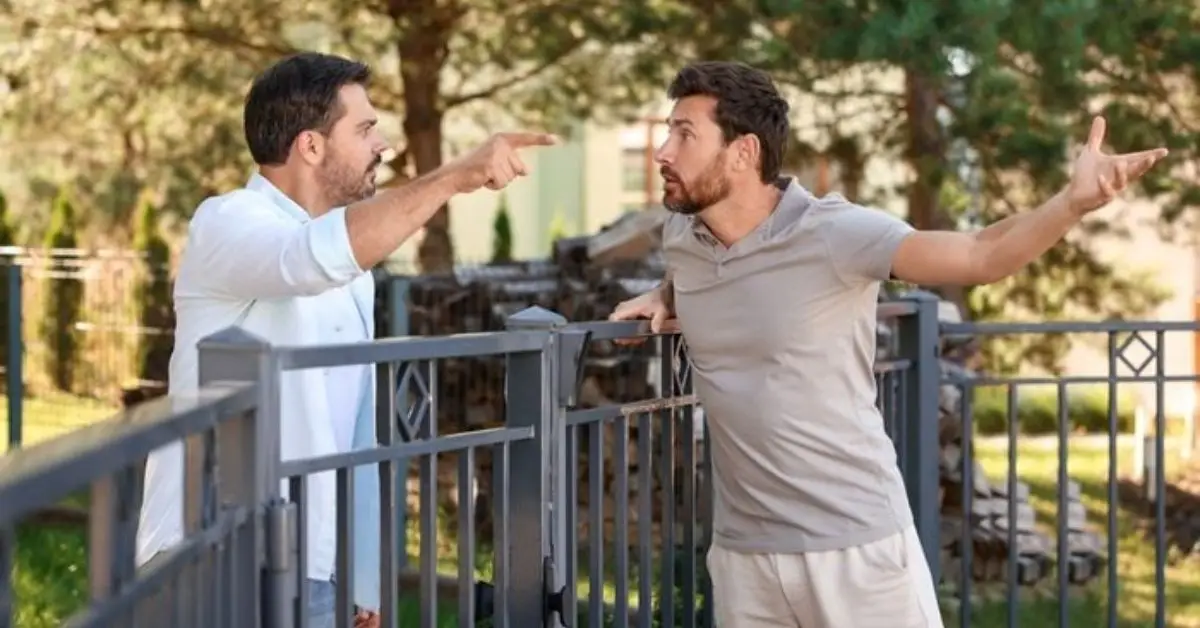
This is the part no one really prepares you for. Water damage is stressful on its own, but dealing with a neighbor can turn it into a long-term headache if the conversation goes wrong early.
I’ve seen situations spiral simply because someone sent an emotional text or accused the other person before facts were clear.
Why Written, Neutral Communication Works Best
If you reach out to your neighbor, do it calmly and in writing. That protects both the relationship and your paper trail.
Here’s what works best:
- Avoid blame language: Stick to facts, not assumptions.
- Share evidence, not accusations: Photos, timelines, and what professionals observed.
- Frame it as a shared problem: If your home is damaged, theirs likely is too. I’ve seen how this kind of calm, cooperative mindset can genuinely prevent things from getting worse—there’s a powerful real-world example in how neighbors saved a home from a garage fire, where communication and quick coordination made all the difference.
A simple message like “There’s water damage coming from the shared wall—insurance is involved and we’re gathering information” goes much further than pointing fingers.
Written communication also helps later if insurers or courts need to review what was said.
Handling Uninsured or Unresponsive Neighbors
This is where things get uncomfortable—but you still have options.
If your neighbor:
- Doesn’t have insurance
- Refuses to file a claim
- Stops responding altogether
You can consider:
- Negotiating directly: Some neighbors agree to pay out of pocket.
- Payment plans: Useful when damage is expensive but intent is cooperative.
- Small claims court: A last resort, but sometimes necessary if costs are high and cooperation breaks down.
The key is staying professional. Emotional reactions rarely help your position.
Documentation That Protects You if Things Escalate
Good records don’t just help legally—they reduce stress. When you know everything is documented, you’re less likely to feel stuck or powerless.
Here’s what I always recommend keeping:
- Photos and videos: Before cleanup, during drying, and after repairs
- Receipts: Repairs, equipment rentals, hotel stays, temporary housing
- Emails and messages: With insurers, HOAs, contractors, and neighbors
- Claim numbers and adjuster names
If your home becomes unlivable, temporary housing costs may be reimbursable depending on your policy. Consumer-focused resources like Consumer Reports’ guidance on homeowners insurance and water damage explain why keeping organized records can make or break reimbursement.
Just as important: stay civil. Even in stressful situations, small gestures and a respectful tone help preserve long-term relationships—something that really comes through in meaningful things you can do for your neighbors after a snowstorm, where cooperation matters more than fault. Calm, consistent communication paired with strong documentation puts you in the best possible position if things drag on.
Common Misunderstandings That Cost Homeowners Thousands
I see these myths show up again and again, especially in online forums—and they lead people to make expensive mistakes.
Let’s clear them up.
- “My neighbor automatically pays.” Not unless negligence is proven. Insurance usually steps in first.
- “Insurance won’t help if it’s not my pipe.” In many cases, your own policy still applies—even when the source isn’t yours.
- “Saying ‘don’t worry about it’ is harmless.” Verbal reassurances can be misunderstood later and may weaken your position.
Understanding these misconceptions early can save you months of frustration and thousands of dollars.
Before we move on, let me ask you this: have you already started documenting everything, or are you relying on memory right now?
Key Takeaways for Homeowners Dealing With a Neighbor’s Burst Pipe
If you take only a few things away from this, let it be these. When water damage comes from a neighbor’s home, the situation feels personal—but the way it gets resolved is mostly procedural. Knowing how the system works puts you back in control.
Here’s the clear checklist I want you to remember:
- Liability depends on structure and negligence. Single-family homes, condos, and shared buildings all follow different rules. Whether negligence can be proven matters more than whose pipe it was.
- Insurance usually moves first, fault comes later. In most cases, your own homeowners insurance handles repairs upfront. If another party is responsible, insurers sort that out behind the scenes.
- HOA rules matter more than people expect. In condos or HOA communities, bylaws and master policies often decide who pays—not assumptions or neighbor agreements.
- Documentation and calm communication protect you. Photos, receipts, written messages, and a neutral tone give you leverage if things escalate and help claims move faster.
If you’ve dealt with water damage from a neighbor—or you’re in the middle of it right now—I’d love to hear how it played out for you. Drop your experience or questions in the comments. Your situation might help someone else avoid a costly mistake.
And if you want more practical, no-nonsense guidance on home repairs, insurance issues, and protecting your property, explore more resources on Build Like New. That’s where I break down complex home problems into clear, real-world advice you can actually use.
Disclaimer: This content is for general informational purposes only and does not constitute legal or insurance advice. Laws, insurance policies, and HOA rules vary by state and situation. For guidance specific to your circumstances, consult a licensed attorney or insurance professional.