2 Injured in Eugene House Fire; Fire Marshal Investigating
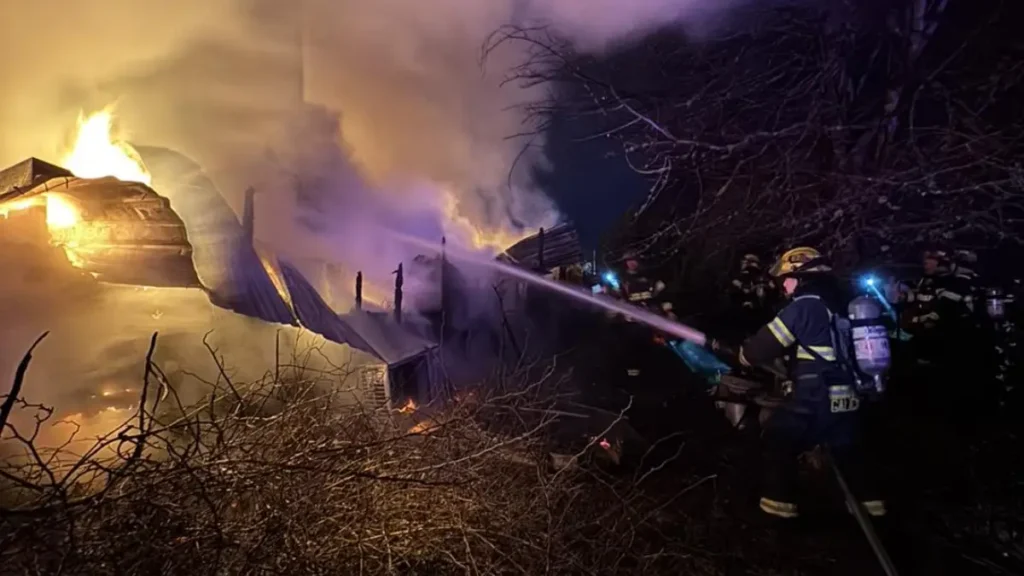
I still remember scrolling through the news early Monday morning and seeing reports of a house fire near Fisher Rd and Royal Ave, just west of Eugene. Imagine flames taller than the house itself—this is exactly what a passerby reported just before 3 a.m. on February 2nd. When Eugene Springfield Fire (ESF) crews arrived, the home was fully engulfed, leaving a shocking scene for anyone nearby.
Two occupants were fortunate enough to be outside when firefighters got there, and they were rushed to Riverbend Medical Center in stable condition. Hearing that, I couldn’t help but think about how quickly life can change in moments like this—and how important it is to be prepared.
This fire didn’t just involve a single engine; the response was massive. ESF deployed five engines, two tenders, one truck, two medics, two chiefs, two fire marshals, and one support unit. Lane Fire Authority also sent an engine and a medic to assist. The scale of the response shows how seriously emergencies like this are treated—and why we should all pay attention to local safety alerts.
Reading about it made me wonder: if a fire breaks out near your home in the middle of the night, would you be ready?
Firefighting Response & Resources Deployed
When I read the official ESF Facebook post about this fire, I was struck by the scale of the response. Engine 7 from Barger was the first on the scene and immediately began a defensive attack, because the house was already fully engulfed.
In total, ESF sent five engines, two tenders, one truck, two medics, two chiefs, two fire marshals, and a support unit. On top of that, Lane Fire Authority pitched in with an engine and medic to help manage the blaze.
Seeing all these units working together made me realize just how much coordination goes into fighting fires, especially in rural areas.
You start to understand that a fire isn’t just a local problem—it’s a community effort. And knowing the exact resources mobilized makes it clear that these departments are prepared for emergencies like this, even at 3 a.m.
Victims and Human Impact
According to the KVAL report, two people were found outside the house and rushed to Riverbend Medical Center in stable condition. Reading that, I couldn’t help but think about how terrifying it must have been for them and their neighbors. Fires like this aren’t just about property—they’re about people’s lives and the sudden upheaval it causes.
You also start noticing how the community reacts. Social media posts from neighbors, expressions of relief, and concern show the human side of these emergencies.
It makes you pause and consider: if this happened near your home, would you know where to go or what to do?
Situations like this remind me of other tragic incidents, such as the house fire in Freeport that displaced at least 12 people, showing how quickly homes and lives can be upended.
Cause & Investigation Status
Right now, the cause of the fire is still under investigation. Fire marshals were on-site, collecting evidence and looking for clues about how this blaze started.
While we don’t have answers yet, it’s a reminder that even with quick responses and strong firefighting efforts, prevention is crucial.
This is a part of the story I pay attention to because it keeps you thinking ahead: how can you make your home safer tonight? Knowing that the cause is being investigated also helps prevent misinformation from spreading.
Firefighting Tactics & Challenges
I find it fascinating how firefighters approach a situation like this. A defensive fire attack was necessary because the house was fully engulfed by the time ESF arrived. That means they focused on containing the fire rather than entering the building—sometimes the safest move is also the smartest one.
Coordination between multiple units, especially ESF and Lane Fire Authority, shows the professionalism involved. You realize that behind every news headline, there’s strategy, planning, and quick thinking under pressure.
Coordinating multiple units under high-pressure situations is no small feat, similar to the response seen during the massive Parsonsburg house fire where 100 firefighters were on scene.
If you think about it, it also highlights why communities need trained responders and why local fire safety tips shouldn’t be ignored.
Why Rural Homes Face Unique Fire Risks
This fire happened west of Eugene, in the Zumwalt Rural Fire Protection District, which is one of six districts ESF serves outside the city limits. Living in rural areas comes with its own set of challenges: access routes can be tricky, response times longer, and resources stretched.
Understanding this context makes me more aware of the unique risks rural residents face. You start realizing that fire safety isn’t just a city concern—it matters wherever you live.
Small actions, like maintaining clear driveways or having multiple exits, can make a huge difference if a fire breaks out unexpectedly.
Safety Advice & Prevention Tips
Thinking about the Eugene House Fire makes me reflect on how quickly things can escalate. Fires can start in seconds, especially at night when everyone’s asleep. You can take small but critical steps to protect yourself.
Make sure smoke detectors are installed and tested monthly. Keep escape routes clear and have a fire evacuation plan—practice it with your family. If you live in a rural area like the Zumwalt district, check that driveways and access points are clear for emergency vehicles. Even something as simple as maintaining electrical appliances properly can prevent a disaster.
These tips aren’t just suggestions—they’re practical actions you can take today to reduce risk. And when emergencies strike, preparation can be the difference between chaos and safety.
For real-time tips and alerts on local fire safety, you can also get updates via WhatsApp—many residents I know find it helpful to stay informed instantly.
Community Support & Engagement
One thing I love seeing after incidents like this is how a community comes together. Neighbors reach out to help victims, social media spreads urgent updates, and local organizations organize relief efforts.
If you want to support those affected, look for verified donation links, volunteer opportunities, or even local awareness campaigns.
Engaging with your community isn’t just about generosity—it’s about strengthening networks that can make a real difference when emergencies happen. Even sharing official safety updates or fire prevention tips online helps more people stay informed.
Past incidents, like two residents hospitalized after a house fire in Harahan, highlight why maintaining smoke detectors and having a clear evacuation plan is crucial.
Final Thoughts
Reading about the Eugene House Fire really hits home how fragile safety can be. Fires can happen in a blink, and while we often think it won’t happen to us, the truth is preparedness is everything. I hope this story not only informs you about what happened but also sparks some reflection on your own home’s safety.
Whether it’s checking smoke detectors, reviewing your family’s escape plan, or knowing who to call in an emergency, small steps today can make a huge difference tomorrow. And as a community, supporting each other—through awareness, sharing verified updates, or helping neighbors—strengthens everyone’s safety net.
I want to leave you with this question: if a fire broke out near your home tonight, would you feel ready? Take a moment to think about it, and maybe take one action today to be better prepared.
If you want to stay updated on local incidents and safety tips, follow us on X and join our Facebook community for regular updates and discussions.
Disclaimer: The information in this article is based on official reports from Eugene Springfield Fire and local news sources. It is intended for general informational purposes only and should not replace professional advice in emergencies. Always follow local safety guidelines and official updates.