South Florida Condo Association Files for Bankruptcy Amid $40 Million Liabilities
I still remember the first time I saw a condo association file for bankruptcy—it feels like a shockwave through the entire community. Now, Palm Greens at Villa Del Ray, a 55-and-older community in Delray Beach, is in the same boat. On January 28, 2026, the association managing all the recreational amenities filed for Chapter 11 in the U.S. Bankruptcy Court for the Southern District of Florida.
What’s staggering is the scale: $43.7 million in liabilities. Lennar Homes, the developer, is the largest creditor with a $25 million claim, and the so-called “Number 2 Condo Association” is owed $18.5 million. It might sound like just numbers on paper, but behind these figures are real people—residents worrying about their community, services, and finances.
Here’s the key context: Palm Greens isn’t just one association—it’s two separate condo boards, each managing their own units and responsibilities. This split means the financial and legal complexity is higher than most people imagine. And yes, while official reasons for the bankruptcy haven’t been released yet, this filing reflects a mix of legal disputes, financial strain, and management challenges.
If you live in a condo—or are thinking of buying in one—this is more than news; it’s a wake-up call. It’s a chance to understand how these filings happen, how they affect residents, and what you can do to protect yourself.
Why Did the Bankruptcy Happen? Root Causes & Legal Disputes
If you’ve ever watched a condo board struggle with lawsuits, you know how messy it can get. Palm Greens’ bankruptcy didn’t happen overnight. According to Realtor.com, the filing follows multiple legal disputes between Lennar Homes and the condo association over alleged breaches tied to managing the community’s shared amenities. Both sides had lawsuits going as far back as April 2025 in different Florida counties.
Most of the claims against Lennar were dismissed in court, which shows the complexity of these disputes. But beyond lawsuits, experts say financial mismanagement often plays a big role. Chad D. Cummings from Cummings & Cummings Law notes that condo bankruptcies are rising in Florida, and mismanagement or delayed financial decisions are common triggers.
The big takeaway? Legal battles are rarely the only cause—poor planning, understaffed boards, and mismanaged funds usually set the stage. If you live in a condo, this is a reminder to watch how your board handles disputes and money.
Understanding Chapter 11 for Condo Associations
You might wonder, “Chapter 11 sounds scary—is the community shutting down?” Not quite. Chapter 11 lets the condo association keep running while restructuring its finances under court supervision. That means day-to-day operations—collecting dues, maintaining amenities, and enforcing covenants—continue.
The goal here is stabilization, not shutdown. The association can negotiate claims, restructure loans, or extend payment timelines. Special assessments may be used to help repay debts. Essentially, the court gives the community breathing room to get its finances in order without leaving residents in the lurch.
Think of it as a financial reset under legal guidance. It’s serious, but it’s not the end of the community.
Impact on Residents — Dues, Services, and Assessments
Here’s where it hits home for you as a resident. Even in bankruptcy, HOA dues don’t just disappear. Insurance, utilities, and ongoing services still need to be paid. If residents skip payments, the association can still enforce liens, subject to the bankruptcy court’s process.
Services may slow down or stop—vendors might hesitate, repairs could stall, and insurance can get expensive or even impossible to secure. It’s stressful, and emotions run high because residents feel caught in a system they don’t control.
You may also see monthly dues or special assessments increase under a court-approved repayment plan. It’s not optional—it’s a necessary step to stabilize finances and prevent deeper collapse.
This situation is part of a larger trend where an increasing number of homeowners across the U.S. are struggling to keep up with mortgage payments, showing that financial stress in housing isn’t isolated.
Effects on Property Values and Real Estate Transactions
Bankruptcy can ripple through property values. If you’re thinking of selling or refinancing, expect extra scrutiny. Lenders and buyers often get cautious when a condo files for Chapter 11, because it must be disclosed. Failed sales and rejected refinancing are real risks.
Realtor.com economists project median condo prices in Florida’s eight largest metros to drop around 1.9% in 2026.
Contributing factors include rising insurance costs, climate-related risks, and higher HOA fees. So even if you’re not planning to sell, your property value can be affected by how the association navigates bankruptcy.
If you want real-time updates on condo market trends and local HOA news, you can join a community discussion over WhatsApp where members share practical insights and alerts.
Statement from Lennar Homes — Developer’s Perspective
Lennar Homes has tried to reassure residents. According to a statement to Realtor.com, the developer fulfilled its obligations under the development agreement.
They recently opened a new resort-style clubhouse and pool, which is available to all residents.
They also emphasized that the bankruptcy reflects management issues within the condo association and multiple lawsuits, not a failure on the developer’s part. It’s a good example of how different stakeholders—developers, boards, and residents—experience a bankruptcy in very different ways.
Florida homeowners already pay higher HOA fees than anywhere else in the country, which only compounds the impact of a bankruptcy on property values and potential sales.
Broader Florida Condo & HOA Bankruptcy Trends
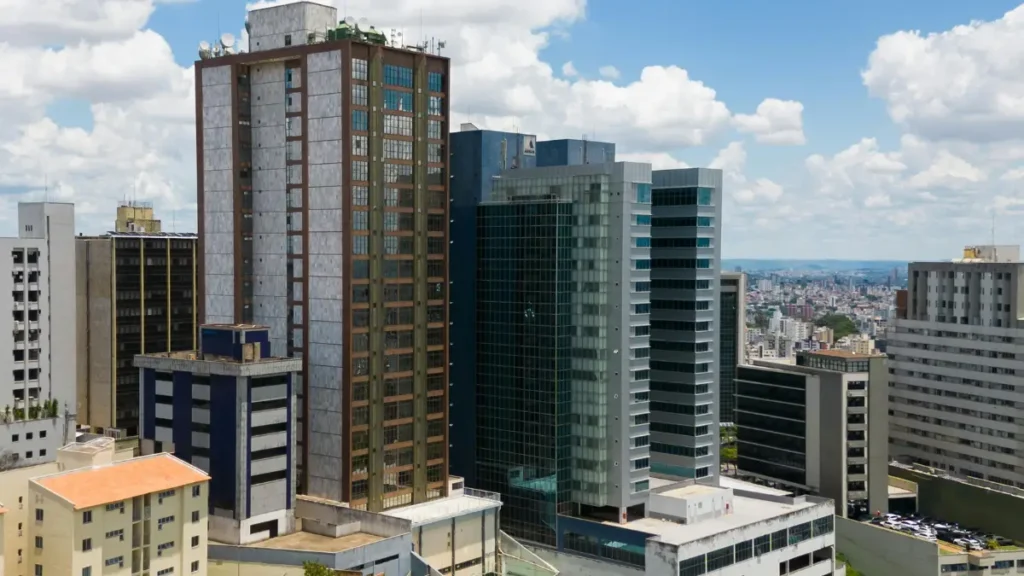
If you look around Florida, Palm Greens isn’t an isolated case. Condo and HOA bankruptcies are on the rise. Experts point to several compounding factors: soaring insurance costs, aging housing stock, climate-related risks, and underfunded reserve accounts.
It’s not just about money—it’s about governance. Boards that fail to monitor finances, delay maintenance, or engage in unnecessary litigation create the perfect storm for financial collapse. By understanding these statewide trends, you can see why communities like Palm Greens are more vulnerable than you might think.
For residents and potential buyers, this context is crucial. You need to consider the broader health of the HOA before investing or signing contracts. It’s a lesson in due diligence many people overlook until it’s too late.
While Florida faces rising HOA bankruptcies, other major U.S. cities are seeing new housing developments targeting wealthier residents, highlighting stark contrasts in real estate markets.
What Condo Boards and HOA Leaders Can Learn?
I’ve worked with boards that’ve seen these pitfalls firsthand, and there’s a clear pattern. Effective reserve funding is non-negotiable. Transparent financial reporting and early warning systems can prevent disasters.
Boards should also be cautious about litigation. Multiple lawsuits may feel like protecting your community, but they often drain resources and distract from core responsibilities. Small mistakes can escalate into bankruptcy-level problems.
If you’re on a board or thinking of joining one, take this as a playbook: prioritize financial health, monitor legal exposure, and stay proactive. These steps can literally save a community from collapse.
What Happens Next — Timeline, Court Dates, and Recovery Path
Once a condo association files Chapter 11, there’s a structured timeline. Creditors meet, claims are filed, and a repayment plan is proposed. This process can take months, sometimes years, depending on complexity.
For residents, staying informed is key. Attend board meetings, review updates, and understand deadlines. Knowing what’s happening helps you plan for changes in dues, services, and even potential property value impacts.
Chapter 11 isn’t instant relief, but it does give the community a legal framework to reorganize. Think of it as a roadmap through a difficult period.
Expert Commentary & Legal Analysis
Finally, getting expert insight helps make sense of the chaos. Bankruptcy attorneys note that HOA filings are rarely simple. Each community’s governance, financial health, and legal exposure are unique.
They also emphasize prevention: early financial audits, clear reserve policies, and risk management strategies. If you live in a condo or serve on a board, these lessons are invaluable.
The key takeaway? Awareness and proactive action can make a world of difference. A community that learns from others’ mistakes can avoid repeating them.
For more updates on real estate trends and condo insights, you can follow us on X and join our Facebook community to stay informed and engage with fellow readers.
Disclaimer: This article is for informational purposes only and does not constitute legal or financial advice. Readers should consult professionals for guidance specific to their situation. The author and sources are not responsible for any actions taken based on this content.