The One Simple Habit That Could Protect Your Family While You Sleep
I used to think leaving my bedroom door open at night was harmless—after all, it lets fresh air in and makes the room feel bigger. But over time, I noticed I was waking up more often, feeling restless, and even a little anxious. That’s when I started digging into what actually happens when you sleep with your door closed—or open.
It turns out, this simple habit isn’t just about comfort or aesthetics. It affects your sleep quality, safety, and even how your brain and body recover overnight. And here’s the kicker: most articles only talk about fire safety or airflow in passing, leaving out the full picture. I wanted to understand the real science, the practical tips, and the reasons why so many people swear by keeping their bedroom door shut at night.
By the end of this read, you’ll know why closing your door could change the way you sleep, keep you safer, and help you wake up feeling truly refreshed. And I promise, this isn’t just fear-mongering—it’s backed by real research, expert advice, and everyday experiences from people just like you.
Bedroom Air Quality — Closed Door vs. Open Door Impact
I didn’t realize how much keeping my door closed could affect the air I breathe at night. When a room is sealed, CO₂ levels naturally rise as we exhale. That might sound harmless, but studies show it can actually disturb your sleep without you noticing.
What Happens to CO₂ Levels When the Door Stays Closed
- CO₂ accumulates faster in a sealed room, especially if there’s no ventilation or open window.
- Higher CO₂ can make you wake up more often, feel groggy in the morning, or struggle to reach deep, restorative sleep stages.
- Even subtle changes in oxygen levels can affect your heart rate and brain activity during the night. Along with keeping your door closed, maintaining good bedroom hygiene is key—simple habits like regular dusting and cleaning can make a noticeable difference in how well you sleep. Read more about 10 bedroom cleaning habits experts say could be ruining your sleep.
How to Improve Air Without Opening the Door
- Use a small fan or vent to circulate air.
- Add an indoor plant that’s known for air purification.
- Consider a bedroom air purifier with a HEPA filter to keep CO₂ and dust levels lower.
If you want a deeper dive into the science behind how air quality affects your sleep, Tom’s Guide explains the CO₂ connection and what it means for sleep.
How a Closed Door Affects Light Exposure and Noise Levels
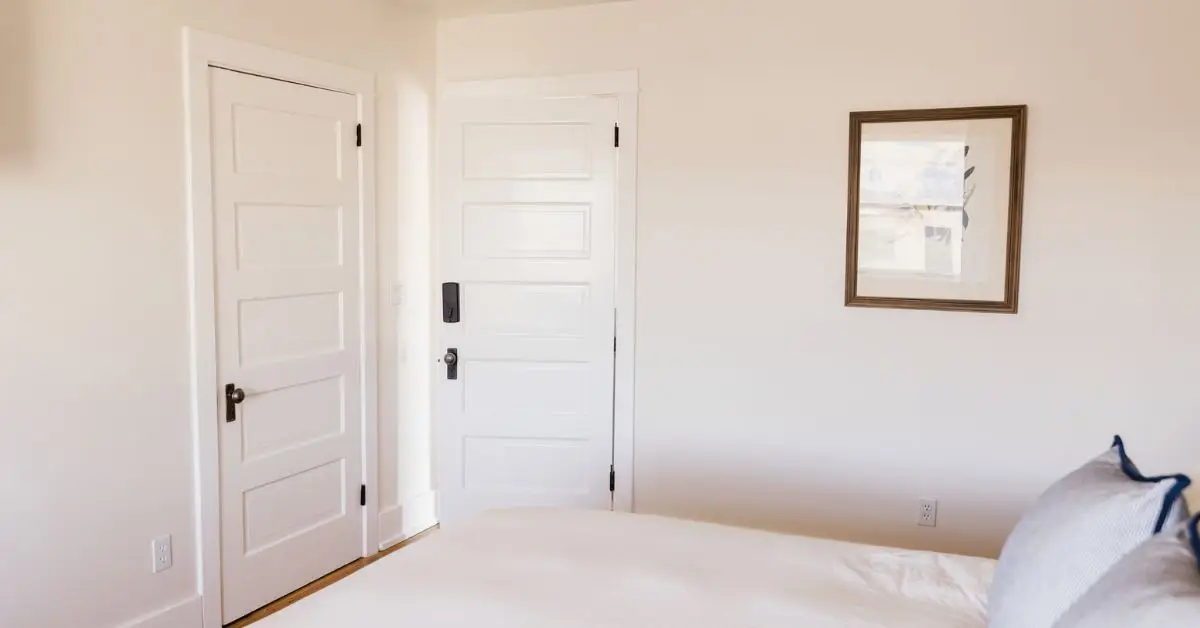
You might not think about it, but your door does a lot more than just sit there. A closed door can block hallway lights, reduce street noise, and create a buffer that your brain interprets as safety. That’s why your sleep often feels deeper and less interrupted.
Melatonin, Bedroom Lighting, and Circadian Rhythm
- Light from outside or even a small electronic device can delay melatonin release.
- Lower melatonin means it’s harder to fall asleep and stay in deep sleep cycles.
- A closed door creates a darker environment that supports natural sleep patterns.
Tips to Optimize Light and Noise
- Add blackout curtains or an eye mask.
- Use a white noise machine or fan to cover sudden external sounds.
- Keep electronics away from the bedroom or switch to night mode.
Why Fire Safety Is Not Just a Recommendation — It’s Life-Saving
Here’s the part that really hit me: a closed door can literally save your life. I used to think it was just a precaution, but fire safety research shows doors dramatically slow the spread of heat, smoke, and toxic gases.
Fire Behavior With Door Open vs. Closed
- A closed bedroom door can slow smoke and carbon monoxide from reaching you by several minutes—minutes that could mean the difference between getting out safely and danger.
- Temperature rises in a fire are significantly slower when the door is shut, giving your body more time to respond.
Quick Takeaways
- Always sleep with the door closed if possible.
- Make sure your smoke alarms are functional.
- Consider fire-resistant door materials or self-closing mechanisms for extra protection.
Psychological Effects: Privacy, Security, and Relaxation
I never realized how much closing my door affects my sense of comfort until I started paying attention. It’s not just about air or safety—it’s about how safe and relaxed you feel in your space.
Why Some People Don’t Like Closed Doors (Valid Reasons)
- Feeling isolated from family or roommates, especially in shared homes.
- Concerns about pets or babies needing attention during the night.
- Anxiety from feeling “locked in” or missing out on ambient household sounds. Clutter can also interfere with your sense of relaxation and security—removing unnecessary items from your bedroom can help you feel calmer and improve sleep quality. Check out 14 items you should toss ASAP for better sleep.
Compromise: Slightly Cracked Door as a Best‑of‑Both World Option
- Leaving the door ajar a few inches allows airflow and awareness while still creating some noise and light buffer.
- You can combine it with a fan or white noise machine to maintain sleep quality.
- Many readers report that this small adjustment improves both comfort and safety perception.
Kids, Pets, and Monitoring While Sleeping

Sleeping habits change when you’re not alone. I’ve learned that what works for me may not work for a house with kids or pets—and the door strategy needs some tweaks.
Shared Homes and Different Sleep Schedules
- If your roommate or partner stays up late, a closed door can reduce light and sound disruption.
- Conversely, in a small apartment, a fully closed door might make you feel cut off from the rest of the household.
Medical Conditions (Asthma, Sleep Apnea) and Door Positioning
- People with asthma or respiratory issues should ensure airflow isn’t completely restricted.
- Those using CPAP machines for sleep apnea should keep the door in a way that maintains good air circulation.
- In these cases, slightly cracked doors or vents work best.
Tip for Families and Pet Owners
- Consider baby monitors or pet cams so the door doesn’t block monitoring while keeping safety and sleep quality intact.
- This simple adjustment is one of the things most guides overlook—but it makes a huge difference.
Practical Tips: How to Sleep Safely and Comfortably With the Door Closed
After exploring the science, safety data, and real-life experiences, I’ve put together some actionable tips you can start tonight.
Indoor Air Management (Ventilation, HVAC, Air Purifiers)
- Use a small fan or HVAC vent to maintain airflow without opening the door.
- Air purifiers with HEPA filters can help reduce CO₂ and allergens.
- Check your room humidity; too dry or too humid air can make sleep restless.
Bedroom Setup Checklist
- Keep smoke alarms functional near the bedroom.
- Ensure blackout curtains or blinds block external light.
- Place electronics away from the bed to reduce artificial light exposure.
- Consider a slightly cracked door if you need awareness or extra airflow. Even small adjustments to your bedroom layout—like positioning your bed away from doors or windows—can work alongside keeping the door closed to optimize your sleep environment. Learn how your bedroom layout could be affecting your sleep.
For readers wanting a detailed, step-by-step breakdown of creating a safer and more comfortable sleep environment, Amerisleep provides practical strategies on bedroom setup and sleep optimization.
Quick Takeaways:
- Adjust your door to balance comfort, safety, and air quality.
- Add small airflow solutions if needed.
- Make your bedroom a controlled environment for deep, restorative sleep.
Common Myths vs. Science — Debunked
When I first started researching, I noticed so many myths floating around about sleeping with your bedroom door open or closed. Some of them made me pause—because I’d believed them too. Let’s clear things up.
Myth: Closed Door Means Oxygen Starvation
- Some people worry that a closed door will “trap oxygen” and make it dangerous to breathe at night.
- The reality is, the air in a typical bedroom is more than enough for a healthy adult to breathe safely, even with the door closed.
- Proper ventilation or a slightly cracked door can help, but oxygen depletion is extremely rare in normal conditions.
Myth: Open Door Is Always Safer in Fires
- It might seem obvious that leaving the door open helps you escape faster.
- In reality, a closed door can significantly slow smoke and heat from spreading, giving you more time to respond.
- Fire safety experts consistently advise keeping your bedroom door closed while sleeping.
Quick Facts to Remember:
- Closed doors reduce smoke and toxic gas exposure.
- They don’t “starve” you of oxygen in a normal household environment.
- This simple habit is one of the easiest ways to protect yourself overnight.
For an authoritative breakdown of these fire safety myths and why a closed door actually saves lives, the Erie Insurance blog explains the science behind “Close Before You Doze”.
What You Should Do Tonight: Key Takeaways
After diving into the science, safety data, and real-life experiences, here’s what I’ve learned—and what you can do starting tonight:
- Close your bedroom door while sleeping to improve safety, reduce smoke and heat exposure, and create a calmer, quieter environment.
- Manage airflow with a small fan, vent, or air purifier to keep CO₂ and allergens under control.
- Adjust for personal comfort—slightly crack the door if you need awareness of kids, pets, or roommates.
- Optimize light and noise with blackout curtains, eye masks, or white noise to support deeper, more restorative sleep.
I’d love to hear from you: Have you noticed a difference when you keep your door closed? Or do you prefer it open for comfort? Share your experience in the comments below—I read every one.
And if you want more tips on creating a safer, smarter, and more comfortable home, check out my website Build Like New, where I share practical advice for improving every room in your house.
Sleeping better and safer doesn’t have to be complicated—it just takes a few simple adjustments. Tonight, try closing your door and see the difference for yourself.
Disclaimer: This article is for informational purposes only and is not a substitute for professional medical, fire safety, or legal advice. Always follow local safety regulations and consult a qualified professional for concerns about health, sleep, or home safety.