The Only Right Way to Load Silverware in Your Dishwasher (Experts Say)
I used to think loading the dishwasher was a no-brainer—throw in the plates, stack the silverware, hit start, and hope for the best. But over the years, I’ve learned that the way you load your dishwasher can make a huge difference—not just in how clean your dishes come out, but also in how long your machine lasts and how safe your utensils are.
You might think you’re doing it right, but if your forks are nesting, your knives are pointing the wrong way, or your silverware basket is overflowing, you’re probably making the same mistakes I made. In this article, I’ll walk you through the ten most common dishwasher loading errors, including the sneaky silverware ones, and show you practical fixes that actually work. By the end, you’ll feel confident that every plate, cup, and fork will come out spotless—without wasting time or energy.
Mistake #1 – Overcrowding the Silverware Basket
I’ve lost count of how many times I’ve crammed all my forks, spoons, and knives into the silverware basket, thinking “it’ll all get clean anyway.” But here’s the truth: when silverware is packed too tightly, the water and detergent can’t reach every surface. That means spots, leftover food, and a cycle that feels like a waste of time.
Reddit users often share the same frustration—spoons and forks nesting together just don’t come out clean. You might notice that some pieces look sparkling while others still have residue, and that’s exactly why.
Here’s what you can do to fix it:
- Mix types: Alternate forks, spoons, and knives so they don’t stick together.
- Leave space: Don’t shove everything into one section of the basket; a little breathing room goes a long way.
- Rotate occasionally: If you always load the same way, some utensils end up in the same spot every time, which can reduce cleaning efficiency.
Doing this small adjustment will save you from the frustration of re-washing dishes—and honestly, it just feels better to open the dishwasher and see everything truly clean. Some dishwasher mistakes can be more serious than dirty dishes—here are 9 common errors that even almost caused accidents in kitchens that you’ll want to avoid.
Mistake #2 – Loading All Silverware Facing the Same Direction
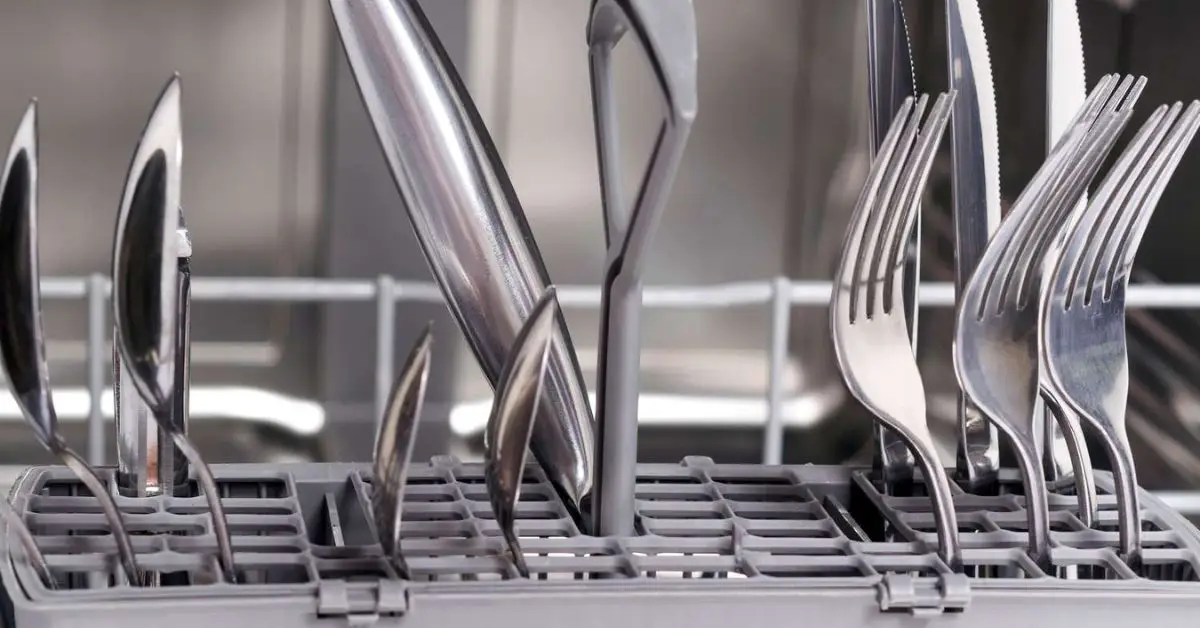
This is one I’ve debated with friends, family, and even appliance experts. Should handles face up or down? Here’s the reality: both ways have pros and cons.
- Handles down: Exposes the eating end directly to water spray, which often results in cleaner tips and edges.
- Handles up: Can improve cleanliness for certain utensils, but it also increases the risk of poking yourself when unloading knives or forks.
Here’s the expert nuance most people miss: alternating forks and spoons avoids nesting, which improves cleaning no matter which way the handles face. And if you want a clear guideline, the general rule I follow is:
- Forks and spoons: handles down for maximum cleaning.
- Knives: handles up for safety.
For a detailed guide on the right way to load silverware and avoid these common mistakes, I like referring to Real Simple’s guide on loading silverware in the dishwasher — it explains these tips in a clear, practical way that’s easy to follow.
Mistake #3 – Loading Knives Incorrectly
Knives are one of those items that seem simple, but they can actually be dangerous if loaded the wrong way. I’ve seen plenty of people—myself included—reach into the basket and get poked because blades were facing up.
Here’s what works best:
- Blade-down placement: Most knives clean well when the blade is facing down. It protects your hands when unloading.
- Third rack option: If your dishwasher has a third rack, consider placing knives there. It keeps them separate and ensures better water coverage.
- Spacing matters: Don’t let knives nest together; this prevents scratches and allows detergent to reach the entire blade.
For expert guidance, Whirlpool’s Product Help page offers step-by-step instructions on safe and effective knife placement. Following these tips isn’t just about cleanliness—it reduces real injury risk in your kitchen.
Mistake #4 – Ignoring Manufacturer’s Silverware Divider or Slots
Many dishwashers come with built-in silverware dividers or specialized slots, but I’ll admit—I used to ignore them entirely. They might look like a small plastic add-on, but they actually serve a big purpose.
- Improves spacing: Dividers prevent utensils from clumping together, which means water and detergent reach every surface.
- Better organization: You can separate forks, spoons, and knives easily, cutting down on nesting and stuck-on food.
- Faster, cleaner cycles: Proper placement means fewer rewashes and less frustration.
If your dishwasher doesn’t have dividers, you can still hack it: alternate handles up and down, or use a cup in the basket to separate spoons. Even small adjustments like this make a noticeable difference in cleanliness.
Mistake #5 – Putting Large Utensils in the Basket Instead of Upper Rack
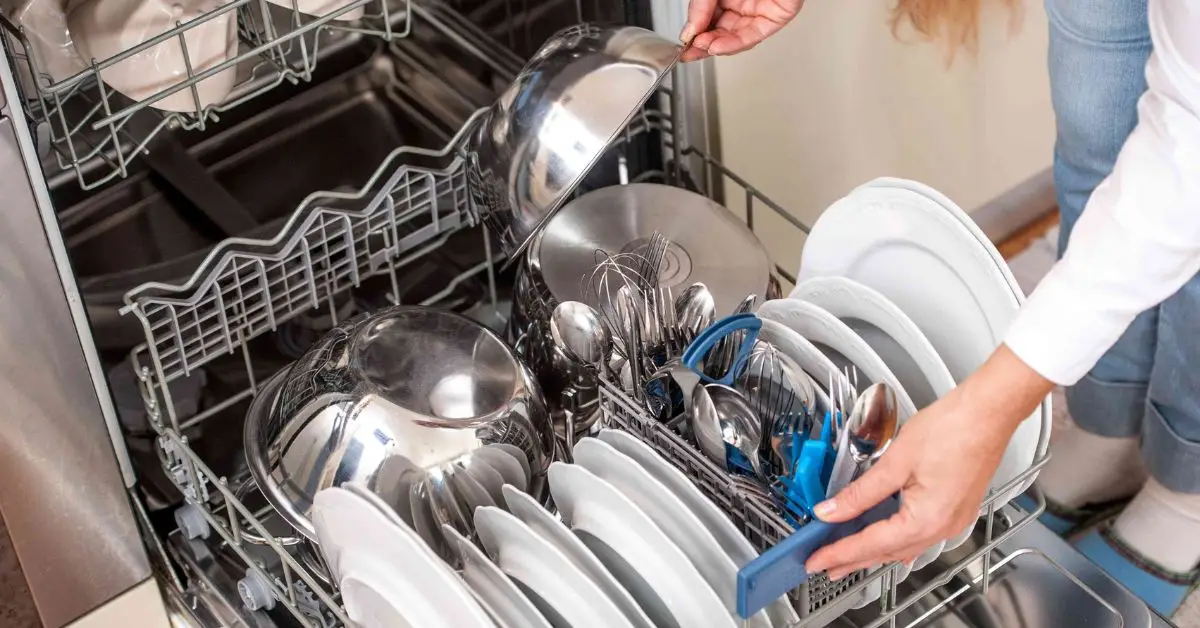
Long-handled utensils and serving spoons often end up crammed in the silverware basket, but here’s the problem: they can block the spray arms. I’ve had a spatula or ladle completely stop a cycle from reaching the forks below.
Here’s the simple fix:
- Lay long utensils flat on the top rack: This ensures spray arms spin freely and water reaches all items.
- Keep baskets for standard cutlery: Knives, forks, and spoons fit better here, avoiding nesting and overcrowding.
- Check clearance: Before starting the cycle, make sure nothing is sticking up or preventing the upper rack from moving.
This one change alone can save you from a half-washed dinner and the frustration of reloading the dishwasher multiple times.
Mistake #6 – Pre‑rinsing vs Scraping — Which Helps Silverware?
I used to rinse everything under the tap before loading it, thinking it would make the dishwasher’s job easier. Turns out, that’s not always the case. Pre-rinsing can actually confuse the dishwasher sensors, making it use less water or detergent than needed.
- Scrape, don’t rinse: Remove large chunks of food, but let the dishwasher do the rest.
- Detergent efficiency: Detergents need some residue to activate properly—over-rinsing can reduce their effectiveness.
- Smart placement matters: Even if you scrape, crowded or nested utensils won’t get clean.
According to EatingWell, scraping instead of rinsing is generally more effective and saves water, while still giving you sparkling silverware.
Mistake #7 – Mixing Metals or Dishwasher‑Unsafe Silverware
Stainless steel, silver, and silver-plated pieces can react when washed together, leading to galvanic corrosion—pitted or discolored utensils over time.
- Keep silver separate from stainless steel.
- Avoid antique silver or delicate plastics in the dishwasher.
- Follow manufacturer recommendations when unsure.
These precautions keep your best cutlery looking new for years instead of ruining it in one cycle.
Mistake #8 – Letting Small Utensils Fall Through the Basket
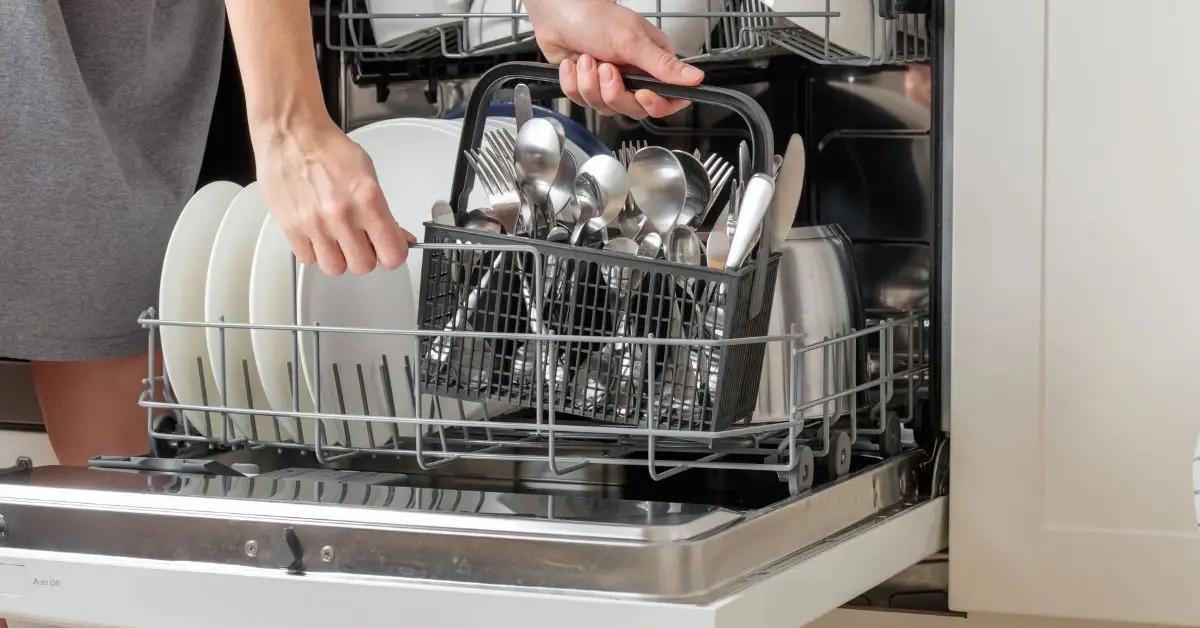
Tiny items like baby spoons or measuring spoons can slip through basket holes and land at the bottom. That blocks water jets and reduces cleaning.
- Place very small items at the bottom under a cup or mesh container.
- Load regular silverware on top to allow full water coverage.
- Double-check placement before starting the cycle.
Mistake #9 – Blocking Spray Arms With Poor Placement
Even perfectly loaded silverware can come out dirty if spray arms are blocked. Large plates, bowls, or long utensils can stop the arms from spinning.
- Leave clearance above and around the spray arms.
- Organize dishes by size, tilting bowls downward slightly.
- Pause mid-cycle if your dishwasher allows, and adjust items if needed.
Proper layout ensures every utensil gets sprayed evenly.
Mistake #10 – Not Cleaning Your Dishwasher Regularly
A dirty dishwasher equals dirty dishes. Filters, spray arms, and interiors get gunked up over time, reducing water flow and detergent efficiency.
- Check and clean filters monthly to remove trapped food.
- Unclog spray arms by rinsing holes with a toothpick or running a cycle with vinegar.
- Run an empty cleaning cycle each month to prevent buildup.
Neglecting this maintenance is one of the main reasons even perfectly loaded silverware comes out less than spotless. If you notice any unpleasant odors while loading your dishwasher, it’s worth checking out these tips on why your dishwasher smells and how to fix it.
Bonus — User Hacks from Reddit and Home Tip Threads
Sometimes, the best tips don’t come from manuals—they come from people like you who actually live with dishwashers every day. Browsing Reddit and home tips threads, I noticed some clever hacks that most guides miss:
- Alternate utensil directions: Don’t load all forks the same way; alternate up and down to avoid nesting.
- Organize by type: Keep spoons together, forks together, and knives separate for even cleaning.
- Use cups or small containers: Tiny items stay in place, and spray reaches everything.
- Ignore some “rules” when needed: Every dishwasher is a little different; experiment with placement for your machine.
These hacks are practical, easy to implement, and often save you from re-washing half your silverware. While caring for your dishwasher, remember other kitchen safety tips too, like avoiding painting certain elements, which can damage appliances.
Final Washing Checklist Before You Hit Start
Before you press that start button, here’s a quick checklist I follow to make sure every cycle comes out perfectly:
- Scrape, don’t pre-rinse, your dishes.
- Avoid overcrowding the silverware basket.
- Alternate silverware direction to prevent nesting.
- Place knives safely—blade down or on the third rack.
- Keep long utensils on the top rack.
- Make sure nothing blocks spray arms.
- Separate metals and dishwasher-unsafe items.
- Check filters and spray arms for buildup.
Following this checklist takes less than a minute but prevents so many common dishwasher disasters.
Your turn: I’d love to hear from you! Do you have a unique dishwasher hack or a trick that finally made your silverware sparkle? Drop it in the comments below or share your thoughts at Build Like New—let’s make every dishwasher cycle effortless together.
Disclaimer: The tips and advice in this article are for general household use. Always follow your dishwasher manufacturer’s instructions and safety guidelines. Results may vary depending on your appliance model and water quality.