Home Burglary in Mequon: Suspects Charged, Warrants Issued
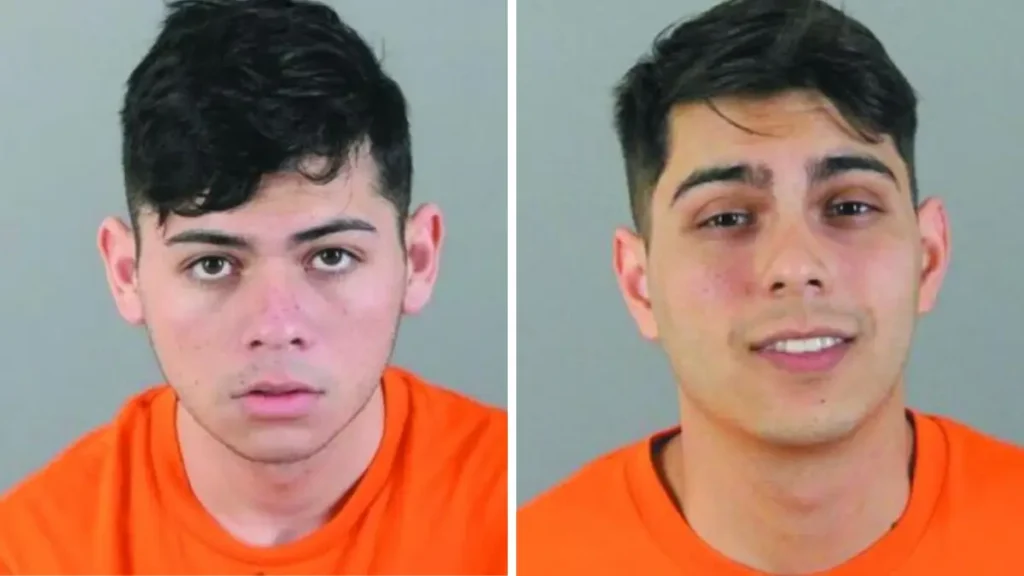
When I first looked into the recent burglaries in Mequon, I was struck by how organized these incidents seemed. Two men, 19-year-old Enjerbet Rojas Silva and 24-year-old Luciano Silva Cifuentes, both originally from Chile but living in Florida, have now been charged in Ozaukee County. Their names might sound distant, but the impact of their actions hit the local community hard. These weren’t random break-ins—they were part of a pattern that left multiple families shaken.
Silva Cifuentes and Rojas Silva are facing serious charges, including burglary of dwellings, theft of property ranging from $5,000 to over $100,000, and multiple counts of criminal damage. These aren’t small-time offenses; the scale of the crimes points to careful planning and intent. I can’t help but think about how vulnerable even seemingly secure homes can be when targeted by people who know exactly what they’re doing.
What makes this case even more complex is that both suspects were arrested in Waukesha County, yet the charges come from Ozaukee County. This shows how law enforcement had to coordinate across county lines to track and apprehend them, relying on modern investigative tools like cellphone tracking and camera data.
For anyone following this story, understanding the suspects’ background, their method, and the charges gives a clear picture of why this case matters—not just locally, but as a warning for homeowners everywhere.
A Closer Look at Each Burglary
Let’s walk through each burglary, because the details really show how carefully these incidents were carried out.
Birch Creek Road – May 24, 2025
When Mequon police arrived after a residential alarm, they found the patio door shattered. A K-9 tracked a scent to nearby trees, and a drone helped search the area, but the suspects had vanished. Inside the house, the den, basement office, and bedroom were ransacked.
FOX6 Now reports that the homeowners reported over $20,000 in jewelry stolen along with a decorative pillow case. It’s chilling to see how methodical the thieves were—they didn’t even touch some electronics or cash in the dining room.
Hunt Club Court – Oct 16, 2025
This burglary shows just how bold the suspects were. The homeowner noticed muddy shoe prints on the stairs leading from the first floor to the second. Rooms were clearly ransacked, and the back door glass was shattered.
The thieves made off with around $3,000 in jewelry, $2,500 in coins and cash, plus a fake Rolex, a fake Louis Vuitton purse, and even a pink pillow case. The total damage to the property was roughly $1,400. You start to realize these weren’t spur-of-the-moment crimes—they knew what they were looking for.
Creekside Court – Oct 19, 2025
This home was unoccupied and on the market, which might have seemed like a safe bet for the burglars. A neighbor noticed a broken rear window, and investigators found open drawers and mud on the carpet.
A pillow inside the window frame and another outside suggested the suspects were trying to avoid leaving obvious traces, but the home was mostly staging furniture with no valuables left. Even when there was little to take, the method of entry and cleanup shows a worrying level of planning.
Incidents like the Hunt Club Court burglary remind me of a case in Florida where a man was charged after a home robbery valued at $10,000.
How the Suspects Were Tracked and Identified?
What really impressed me about this case is how law enforcement pieced it together. Detectives noticed that the thefts had similarities—homes near parks or wooded areas, easy escape routes, and specific items targeted. Using cellphone and location data, they tracked multiple international mobile subscriber identifiers (IMSI) that traveled together across states, often back and forth to Florida.
Camera systems, like Flock cameras, helped pinpoint the vehicle connected to these phones. In December, a traffic stop in Waukesha County led to the arrest of Silva Cifuentes and Rojas Silva. Inside the vehicle, police found burglary tools like Sawzall blades, window punches, and even what appeared to be fraudulent ID cards. Homeland Security confirmed that all three occupants of the car were in the country illegally.
This is a clear example of modern policing—combining digital forensics, surveillance, and traditional traffic stops to catch criminals who think they can operate undetected.
Coordinating arrests across counties is challenging, similar to how authorities handled an armed robbery at an NFL player’s residence in New Jersey.
Patterns and Modus Operandi
Once you look at all three burglaries together, a pattern emerges. The suspects consistently targeted homes that were near parks or heavily wooded areas, away from busy streets. They focused on items that were small, valuable, and easy to carry—jewelry, cash, and luxury goods, like designer accessories.
Another striking detail is the method: broken patio or back doors, rummaging through specific rooms, and leaving minimal trace evidence when possible. Even when there was little to steal, like at Creekside Court, they still followed the same approach, suggesting a disciplined plan rather than random opportunity.
For anyone trying to understand residential burglary, these patterns are instructive. They show that criminals often study their targets and plan carefully, which is why preventive measures have to be just as strategic.
How You Can Protect Your Home?
Looking at this case, I can’t help but think about what I would do to prevent something similar. Security systems like alarms and cameras are essential, but so is knowing the layout of your property and limiting easy access points. Smart locks, motion sensors, and even simple things like reinforced doors can make a huge difference.
Neighborhood watch programs and staying connected with neighbors also matter. Some of these burglaries might have been deterred if residents had communicated more about unusual activity. And don’t forget insurance—documenting your valuables and having appropriate coverage can save a lot of stress if the worst happens.
Even small precautions can make your home less attractive to someone who’s hunting for opportunities.
If you want quick updates and alerts on local burglary cases, you can stay in touch with a WhatsApp channel that shares verified news and safety tips.
Arrests, Warrants, and What’s Next
Both Silva Cifuentes and Rojas Silva are currently in custody in Waukesha County, and warrants have been issued for their arrests in Ozaukee County. Legal proceedings are expected to follow the usual course: hearings, formal charges, and potential sentencing.
The case highlights how interconnected law enforcement work is when crimes cross county lines. It also reminds us that serious burglary cases carry significant legal consequences.
Following updates on this case can give insight into how justice unfolds and how communities recover from organized residential crimes.
Some burglaries, like the attempted break-ins in Woodland Hills, could have been prevented with basic security measures.
Key Takeaways and Lessons for Homeowners
Looking back at the Mequon burglaries, there are a few lessons I can’t ignore:
- Patterns matter. Homes near parks or wooded areas with low visibility are often prime targets. Recognizing these patterns can help you secure your property proactively.
- Technology is your friend. Alarms, cameras, and even smart locks don’t just alert you—they create deterrence. Combining digital tools with neighborhood vigilance multiplies your protection.
- Document and insure. High-value items should be properly cataloged and insured. In the unfortunate event of a theft, it’s one less headache to recover losses.
- Community vigilance is powerful. Sharing information with neighbors, local apps, and online forums strengthens everyone’s safety.
I know it’s easy to feel like this could never happen to you—but these incidents show it can, and preparation is key. Take a moment to walk around your property tonight and think: what would a determined burglar notice first? Sometimes, that small awareness can make the biggest difference.
Have you ever thought about your home’s weak points? I’d love to hear what precautions you take or plan to implement—drop a comment or share your experience. Let’s turn this story into a community conversation about safety.
Disclaimer: This article is for informational purposes only and is based on publicly available reports and official statements. It does not constitute legal advice. Readers should verify details with local authorities or official sources before taking any action.