10 Analog Room Ideas That Instantly Turn Your Home Into a Screen-Free Escape
I didn’t start exploring analog room ideas because they looked good on Instagram. I started because my home stopped feeling restful. Screens were everywhere, and even during downtime, my mind stayed switched on.
If you’re reading this, you probably get it. You’re not trying to quit technology or make some extreme lifestyle change. You just want a part of your home that feels calm—where you’re not reaching for a screen without thinking.
That’s why analog room ideas are getting real attention right now. People are carving out spaces that are intentionally screen-free. No TV in the background. No phone on the table. Just books, music, hands-on hobbies, plants, or simple quiet. These rooms aren’t about decoration alone. They’re about how you slow down once you’re inside them.
From what I’ve seen, the best analog rooms aren’t expensive or picture-perfect. They work because they’re designed around real habits. A chair you actually sit in. A table where conversations happen. Objects that invite you to stay present instead of scroll.
In this article, I’ll share practical analog room ideas that fit real homes and real routines—whether you have a full room to work with or just a small corner.
Before we move ahead, think about this: If you could create one screen-free space at home, what would you want to do there more often?
What Is an Analog Room and Why It’s Trending
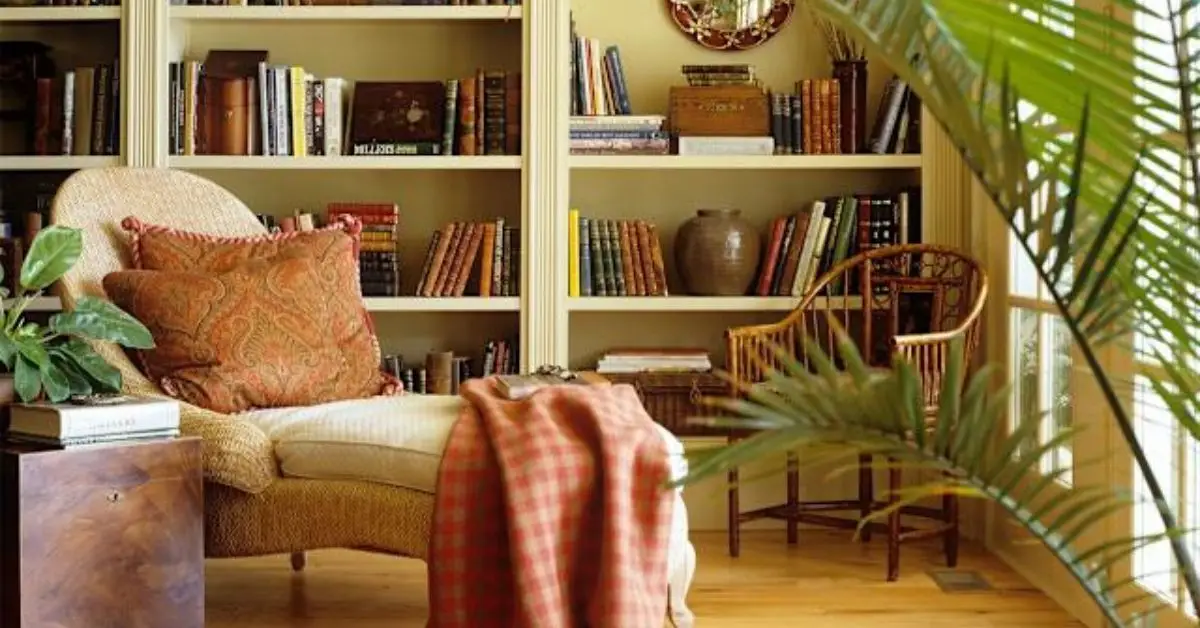
When I say “analog room,” I’m not talking about a vintage-style room or a decor trend you copy from a magazine. I’m talking about a space that’s intentionally designed for offline living. No screens pulling your attention. No constant background noise. Just a room that supports how you want to feel and spend your time.
An analog room is usually built around simple, tactile activities. Reading a physical book. Listening to music without scrolling. Playing a board game. Writing, sketching, or just sitting quietly. The point isn’t to avoid technology forever—it’s to give your brain a break from it.
What makes this different from regular home decor is the priority. Most rooms are designed around where the TV goes or where devices can charge. Analog rooms flip that logic. Here, the experience comes first. How your body feels in the space. How long you stay without reaching for your phone. How present you feel while you’re there.
This shift is happening because a lot of us are hitting a limit. Screen time keeps going up, but focus, rest, and attention keep dropping. Lifestyle publications like People have pointed out that more homeowners are now creating screen-free rooms on purpose, not as a design statement but as a way to feel better at home.
If you landed here wondering whether “analog room ideas” are just aesthetic or actually useful, here’s the short answer: they’re functional first. The look comes later.
Core Principles of Analog Room Design
Before you think about furniture or decor, I want you to understand the rules that make an analog room actually work.
Screen-Free by Design
This is non-negotiable. If screens are allowed “sometimes,” the room stops being analog.
- No TV, laptop, tablet, or scrolling phone in the space
- Create a simple drop zone outside the room for your phone
- Tell yourself (and others) why this room exists
When you remove the option to check a screen, your behavior changes automatically. You don’t need willpower—you need boundaries.
Sensory Focus: Texture, Light, and Materials
I’ve noticed that analog rooms work best when they feel good to be in, not just good to look at.
- Soft lighting instead of harsh overhead lights
- Natural materials like wood, cotton, linen, or wool
- Calm, earthy colors that don’t overstimulate you
These choices reduce mental noise and make it easier to slow down without forcing it.
Mindful Layout and Furniture Placement
Look at how most rooms are arranged. Everything points toward a screen. An analog room should do the opposite.
- Place seating so it faces people, books, or windows
- Use tables for games, writing, or shared activities
- Leave open space so the room doesn’t feel crowded
I always tell people this: if a room invites conversation, creativity, or quiet without instructions, it’s doing its job.
If you’re designing or reworking a space right now, ask yourself one question as you go: Does this choice pull me toward a screen—or toward being present?
10 Must-Try Analog Room Ideas You Can Actually Use
I’ll walk you through these the same way I’d advise a friend: not as “design inspiration,” but as real setups that work in everyday homes. You don’t need to do all ten. Even one done right can change how your home feels.
1. Cozy Reading and Book Nook
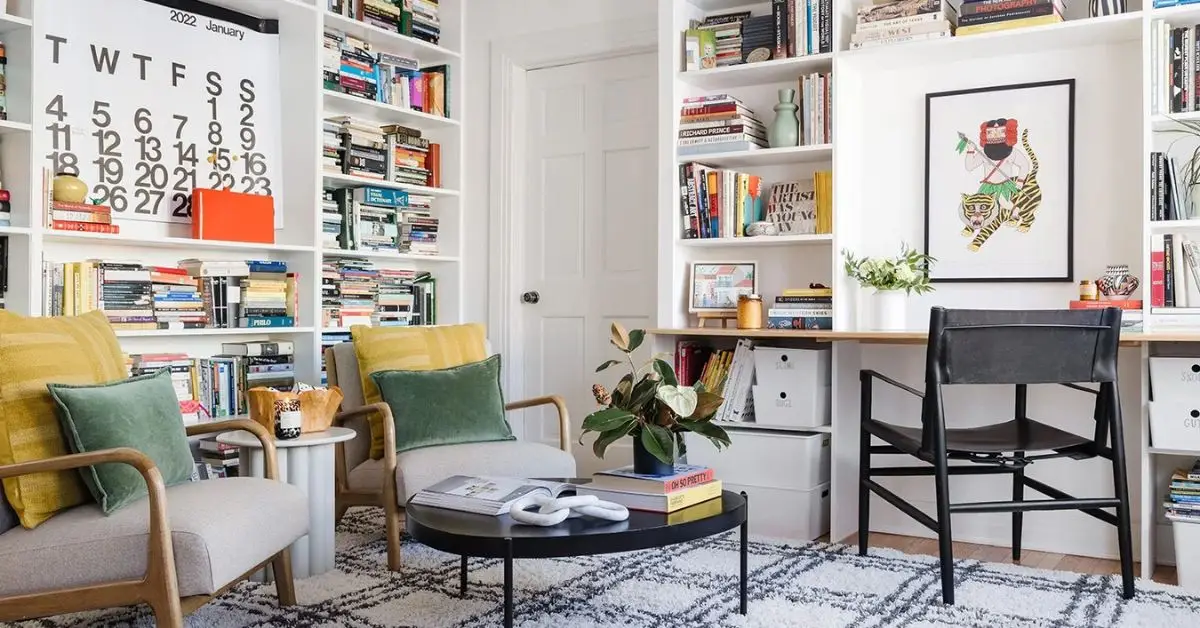
If you want an easy entry into analog living, start here. A reading nook naturally pulls you away from screens without forcing anything.
What works well:
- One comfortable chair you can sit in for 30–60 minutes
- Physical books you actually want to read
- Layered lighting (a floor lamp or table lamp, not overhead glare)
This matters because most people searching for analog room ideas want a quiet mental break. A book nook gives you focus, calm, and a reason to slow down—without needing a full room makeover.
2. Board Game and Puzzle Corner
This is one of the most underrated analog setups I’ve seen. It works for families, couples, and even solo downtime.
How to set it up:
- Low table or coffee table
- Simple storage for board games or puzzles
- Seating that lets you stay awhile without checking your phone
Lifestyle platforms like Yahoo Shopping have highlighted how screen-free game spaces are popping up in more homes because they encourage connection without effort.
This setup isn’t just about fun. It creates moments where time passes slowly—and that’s rare now.
3. Vinyl and Music Experience Zone
Music hits differently when it’s not background noise.
What makes this space work:
- A record player or non-screen music source
- A small record or CD collection you intentionally choose
- Warm lighting and seating that faces the sound, not a screen
This idea matters because it replaces passive listening with presence. You’re not skipping tracks—you’re listening.
4. Craft and Creativity Space
If you’ve ever said, “I want to be more creative,” this is where that actually happens.
Keep it simple:
- Sketchbooks, notebooks, or art supplies
- A clear desk or table
- Storage that keeps tools visible and easy to reach
Digital tools are useful, but they interrupt flow. This space gives your brain permission to stay focused longer.
5. Meditation and Sensory Retreat
This doesn’t need to look like a yoga studio. It just needs to feel safe and quiet.
Helpful elements:
- Floor cushions or a soft rug
- Low, warm lighting
- Optional sensory tools like candles or essential oils
People look for analog rooms because they want a mental reset. This setup supports that without apps or timers.
6. Conversation-Centered Living Layout
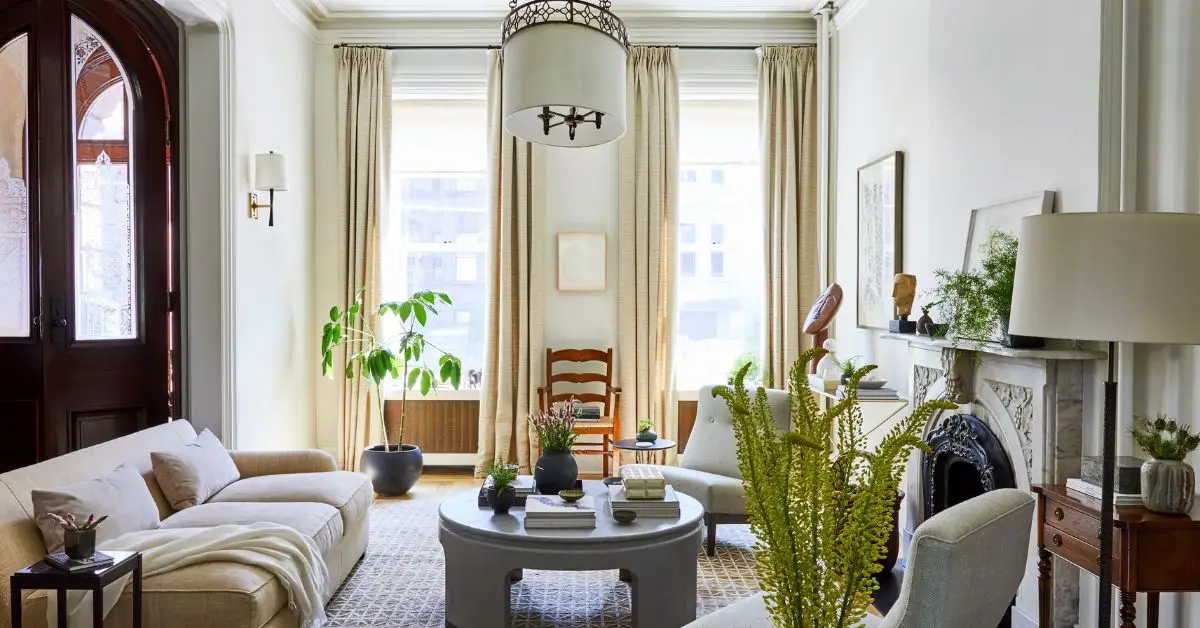
This idea works best when you’re rethinking a living room.
What to change:
- Arrange seating to face each other, not a TV
- Pull furniture inward to create a shared zone
- Remove visual clutter that competes for attention
This matters because it shifts the room’s purpose—from consumption to connection.
7. Indoor Garden and Greenery Sanctuary
Plants do something screens never will: they slow you down naturally.
Start with:
- A few low-maintenance plants
- A spot with decent natural light
- A chair or bench near the greenery
This setup grounds you physically and mentally, especially if your day involves constant digital input.
8. Analog Playroom for Families
Kids don’t need constant entertainment. They need space to imagine.
What works best:
- Open-ended toys (blocks, puzzles, art supplies)
- Floor space instead of screens
- Clear boundaries: this room stays screen-free
This helps families reconnect and makes quality time feel natural instead of scheduled.
9. Retro Decor With Meaning
Analog doesn’t mean random vintage clutter. It means objects with stories.
Good examples:
- Old radios or clocks
- Magazine racks or photo albums
- Items tied to personal memories
These objects invite touch and curiosity, not scrolling.
10. Multi-Purpose Screen-Free Corner
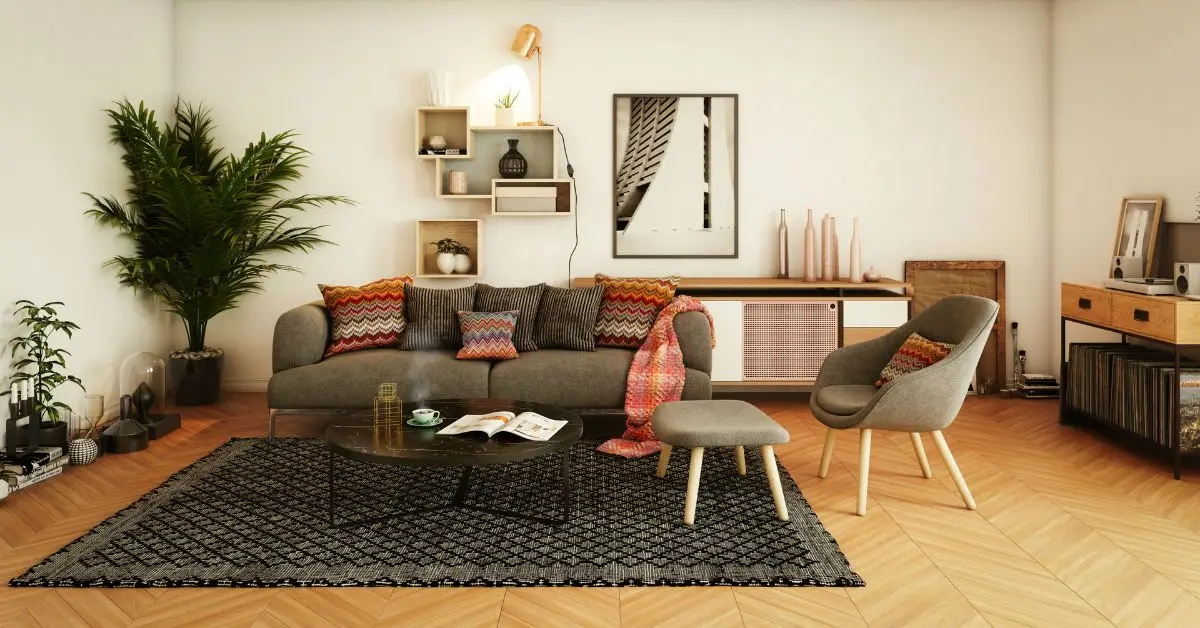
No spare room? No problem.
You can build an analog corner with:
- A small table or stool
- A plant and a lamp
- A stack of books or games
This idea matters because it makes analog living accessible. You don’t need space—you need intention.
How to Start With What You Already Have
I’ve noticed something important when people read about analog room ideas: most of them like the idea, but they stop because it feels like a big project. New furniture. Extra space. A full room makeover. That’s not how this needs to start.
You don’t need a perfect setup. You need one intentional zone.
Beginner-Friendly Steps to Build Your Analog Space
If you’re new to this, I always recommend starting small. One corner, one table, one chair. When you try to change everything at once, it feels overwhelming—and you’re more likely to give up.
Here’s how I’d approach it if I were you:
- Pick one spot you already use (a chair by a window, a side of the living room, a quiet corner)
- Remove screens from that zone completely
- Decide one offline activity that belongs there—reading, writing, puzzles, or just sitting
That’s it. No rules beyond that.
From there, make small DIY upgrades that support the habit:
- Swap harsh lighting for a warm lamp
- Add a basket for books, games, or notebooks
- Bring in texture—a throw, cushion, or rug you already own
Lifestyle editors at Real Simple often point out that analog spaces work best when they’re practical, not perfect—and that starting with what you have makes the habit stick.
This approach matters because not everyone is ready for a full analog room. Some people just want to test how it feels to unplug without committing. Starting small lets you build confidence, not pressure.
Here’s a question to think about as you look around your home tonight: Which spot already feels calm—and what’s one small change you could make to keep screens out of it?
Closing Thoughts: Building a Home That Actually Feels Calm
If there’s one thing I hope you take away from these analog room ideas, it’s this: you don’t need a perfect home to feel better in it. You need intention. A few clear choices. And the willingness to protect small moments from constant noise.
Analog spaces work because they give you something most homes quietly lost—room to pause. Whether it’s a reading nook, a game table, or just a screen-free corner, these spaces remind you that your home isn’t just where you live. It’s where your mind rests.
You don’t have to do everything at once. Start with one idea that feels doable. Use what you already own. Let the space evolve as your habits change. That’s how analog living sticks.
Now I’d love to hear from you.
Which analog room idea felt the most realistic for your home right now? Or do you already have a screen-free corner that works for you? Share it in the comments—your idea might help someone else start.
And if you want more practical, real-world home ideas that focus on comfort, function, and long-term value, explore more guides on Build Like New. That’s where I share ways to make homes feel better to live in—not just better to look at.
Disclaimer: This article is for informational and inspirational purposes only. Individual results may vary based on personal habits, space availability, and lifestyle needs. Always adapt ideas to what works best for your home and daily routine.