Housing Markets Experiencing Sharpest Declines in Home Prices
If you’ve been watching the housing market lately, you’ve probably felt the shift. After years of soaring home prices and bidding wars that left buyers exhausted, things are finally cooling. In December 2025, U.S. home price growth slowed to just 0.9% — one of the softest rates we’ve seen since the post-Great Recession recovery. And in many metros, prices aren’t just slowing; they’re actually declining.
I’ve been tracking these trends closely, and what stands out is how uneven the market correction is. The South and the West are bearing the brunt, with states like Florida, Texas, and California showing steep drops in home values. This isn’t just a statistical quirk — it reflects the real struggles of homeowners, buyers, and even investors trying to navigate a market that’s finally moving toward balance.
In this article, I’ll break down where prices are falling fastest, why it’s happening, and what it means for anyone thinking of buying or selling right now. By the end, you’ll have a clear picture of the current landscape — and the edge you need to make smarter real estate decisions.
December 2025 Data — Home Price Growth Nearly Flat
If you thought the market would keep climbing like it did during the pandemic years, December 2025 might surprise you. Nationally, home price growth slowed to just 0.9%, according to Realtor.com’s latest report. That’s one of the weakest rates since the post-Great Recession recovery.
What’s striking is that while some markets are barely moving, others are actually seeing price declines. This isn’t just a minor slowdown — it’s a shift in momentum that buyers and sellers can’t ignore.
You’re seeing a market that’s starting to level out, which means opportunities for buyers and reality checks for sellers who’ve been relying on rapid appreciation.
Regional Impact — South and West Hit Hardest

As I dig deeper into the numbers, the regional picture is clear: the South and West are taking the biggest hits. Florida, Texas, California, and Hawaii have multiple metros with sharp drops in home values.
Take Florida, for example. Cities like Naples, Punta Gorda, and Cape Coral are leading the pack in declines. Punta Gorda alone saw an equity drop of nearly 8%, translating to a median loss of $26,624. Florida isn’t alone — Texas markets like Victoria and Wichita Falls are experiencing similar corrections.
For you, this regional perspective matters. If you’re considering moving, buying, or selling, these numbers show where the market is softening and where pricing pressure is real.
Unexpected Luxury Market Declines — Hawaii & Napa
Here’s something that might surprise you: even high-end, desirable markets aren’t immune. Kahului-Wailuku in Hawaii and Napa, California have some of the steepest declines, with HPI drops of 8% and 7.1% respectively.
Why? Rising home insurance costs play a big role. After the 2023 fires, Hawaii’s insurance skyrocketed, and Napa faces similar wildfire risk concerns. So even though these areas remain beautiful and desirable, buyers are factoring in much higher costs, pushing prices down.
This is a reminder: no market is untouchable. If you’re looking at a luxury purchase, you need to account for more than just location or aesthetics.
Interestingly, while many metros are seeing declines, there are still areas that strongly favor sellers. You can check our breakdown of 10 U.S. metros where sellers currently hold the upper hand for a closer look at where the market remains hot.
Why Are Home Valuations Declining?
The slowdown isn’t random. Several key factors are driving these declines. First, higher inventory levels are giving buyers more choices, easing the frantic competition that pushed prices sky-high in recent years.
Second, migration patterns are shifting. During the pandemic, people flocked to Florida and Texas for space and lower restrictions. Now, that wave has slowed, and some of these markets are facing hard corrections.
Third, economic realities like insurance costs in high-risk areas and affordability pressures are reshaping what buyers are willing to pay. This is not just a numbers story — it’s about how people are experiencing and reacting to the market, something many other articles fail to explain.
As migration slows and affordability pressures rise, alternative housing solutions like tiny homes are seeing a surge in demand. In Texas, for instance, tiny homes are selling quickly, reflecting buyers’ search for more flexible and affordable options.
Market Winners vs. Losers
Let’s get practical. If you’re curious which metros are cooling the fastest, here’s a snapshot of the top 10 hardest-hit markets by HPI drop:
| Rank | Metro | HPI Drop | Median Price |
|---|---|---|---|
| 1 | Kahului-Wailuku, HI | -8% | $1,049,500 |
| 2 | Victoria, TX | -7.4% | $276,100 |
| 3 | Wichita Falls, TX | -7.2% | $199,575 |
| 4 | Napa, CA | -7.1% | $1,304,500 |
| 5 | Naples, FL | -6.8% | $729,725 |
| 6 | Punta Gorda, FL | -6.2% | $384,750 |
| 7 | Cape Coral, FL | -6.2% | $399,949 |
| 8 | North Port, FL | -5.9% | $479,900 |
| 9 | Rome, GA | -5.2% | $296,950 |
| 10 | Sebastian, FL | -5.2% | $442,725 |
This list isn’t just numbers. It tells you where buyers have leverage and where sellers need to rethink pricing. If you’re planning a move or investment, these markets deserve your attention.
If you want daily updates on shifts in metro prices and market trends, some readers find it useful to get quick alerts via WhatsApp channels that track housing insights in real time.
Implications for Buyers and Sellers
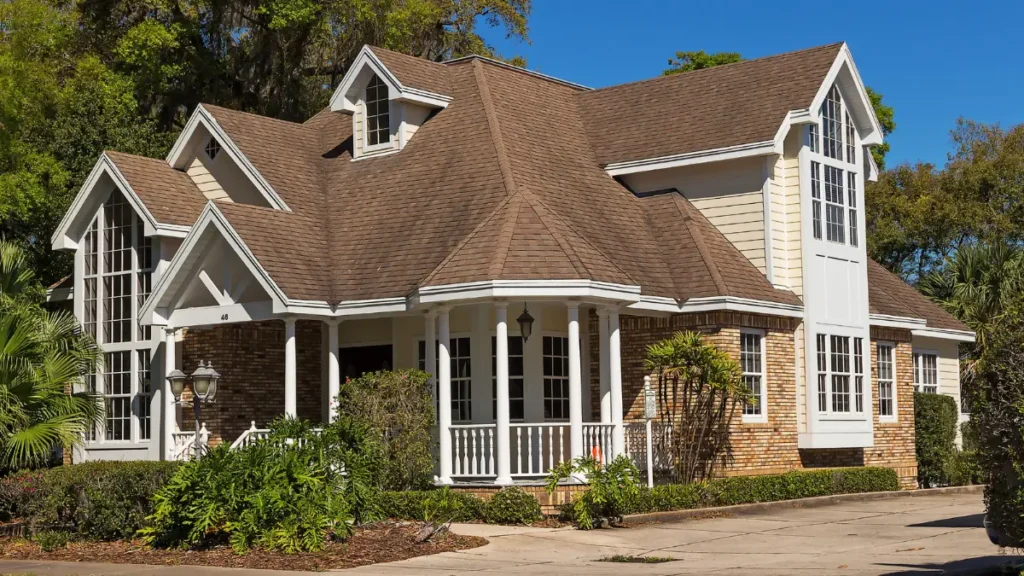
So, what does all this mean for you personally?
For buyers, the slowdown creates opportunities. There’s less competition, fewer bidding wars, and a chance to negotiate a deal you couldn’t get two years ago.
For sellers, the story is different. You can’t rely on rapid appreciation anymore. Pricing has to be realistic, and you may need to adjust expectations to align with the market. As agents like Michael Merrill in Vero Beach, Florida point out, “Sellers are finally getting more realistic in their pricing.”
The key takeaway: whether buying or selling, being informed and strategic is more important than ever.
Luxury markets can be surprisingly volatile. For example, South Florida’s condo sector recently faced a shock when a major association declared bankruptcy, owing over $40 million, showing that even premium locations can have hidden risks.
Forecasts & Future Trends
Now, let’s zoom out a bit. What’s ahead in the next 6–12 months? Is this a temporary dip, or are we looking at a more sustained cooling period?
Experts are divided, but there’s one thing they seem to agree on: the market is returning to a more normal pace. Cotality’s Thom Malone puts it best: “We’re seeing a return to a long‑anticipated normalization driven by economic and housing fundamentals.” The era of rapid price surges and intense bidding wars is likely over.
For buyers, this means you can start to feel more confident again. There’s no longer the fear that you’ll be outbid by someone offering $50K above asking. Expect to see more balanced negotiations, especially in previously overvalued markets like Florida and Texas.
For sellers, it’s time to adjust your expectations. The pandemic-driven market frenzy has passed, and the days of listing for a price way above market value and hoping for a miracle are gone. Pricing realistically and preparing for a longer sales process is going to be the new normal.
One thing I’ll say for sure: stay flexible. Markets change quickly, and while the decline is likely to continue in many regions, there are still plenty of areas where price growth is holding steady or where values might bounce back sooner than expected.
Final Thoughts: What’s Next?
If you’re on the fence about buying or selling, now’s the time to re-evaluate your strategy. Buyers have a bit more breathing room, but it’s still a market where patience and realistic expectations are key. Sellers? Time to get strategic about pricing and consider that the rapid growth period might be behind us.
If you’re actively following this market, or have recently made a purchase or sale, I’d love to hear your thoughts. Where do you think home prices are headed in the next 6 months? Let me know in the comments below — your insights could really help others navigating these uncertain times.
For more real-time updates and market insights, you can follow us on X or join our community on Facebook — it’s where we share tips, data, and discussions you won’t want to miss.
Disclaimer: The information provided in this article is based on the latest market data and expert opinions available at the time of writing. Housing market conditions can change rapidly, and readers should conduct their own research or consult with a real estate professional before making any decisions.