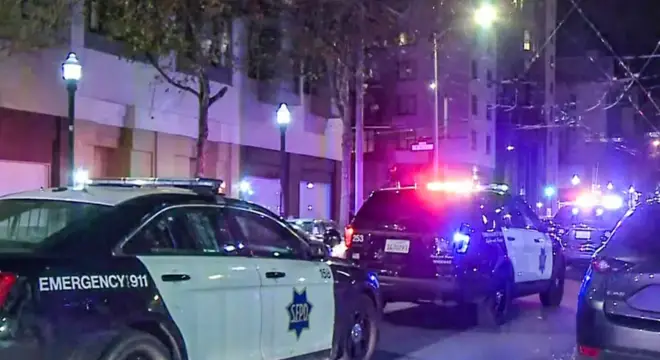
Fire Destroys Central Iowa Home, Leaving Two Pets Dead
I still can’t shake the image of that Newton home engulfed in flames. On Monday evening, a fire broke out at 610 W 3rd St S, and by the time the fire crews arrived around 5:22 p.m., heavy smoke and flames were already pouring from the roof and exterior. It was one of those deep-seated fires that tests even the most experienced firefighters.
Two beloved family pets didn’t make it out, and while thankfully no humans were injured, the emotional impact on the family and neighbors is undeniable. The home is now a total loss, and the fire department, assisted by six neighboring departments and emergency teams, stayed on scene for hours, even returning after midnight when the fire rekindled.
As I read the official updates and saw posts from the community, it struck me how quickly a home can be reduced to rubble, and how every moment counts when fire strikes. If you’ve ever wondered what happens during such emergencies—or what lessons you can take home—this story is a stark reminder that preparation matters.
How the Newton House Fire Unfolded: Timeline and Emergency Response
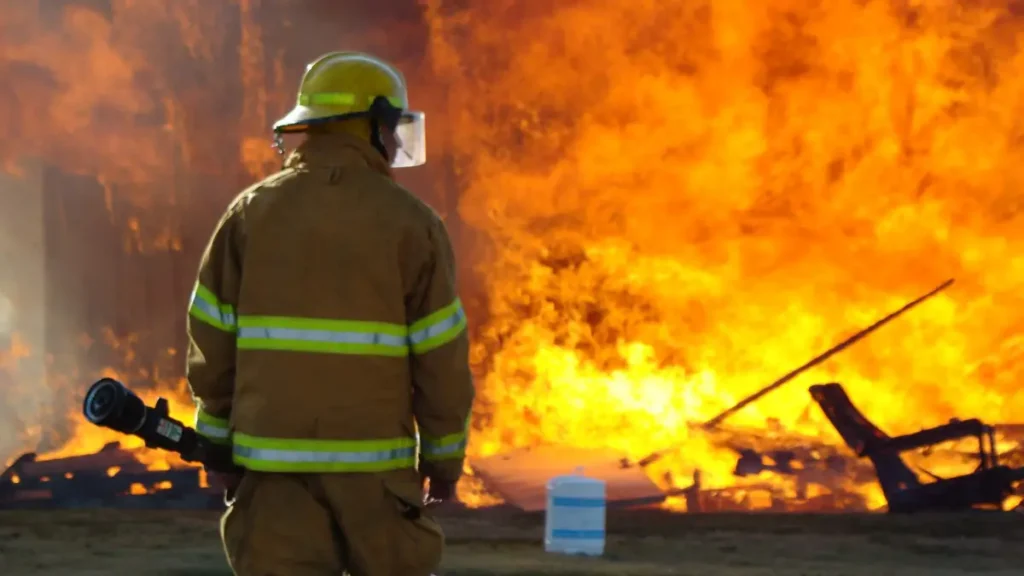
When I first read the KCRG report, I could almost see the fire crews rushing to the scene on West 3rd Street around 5:20 p.m. Heavy smoke and flames were already visible when they arrived, and according to the Newton Fire Department, the fire was deep-seated, making it incredibly hard to control.
The firefighters stayed on site for hours, working tirelessly to contain the blaze. By about 8:20 p.m., they had managed to get the situation under control, but the fire wasn’t done. Around 12:20 a.m. Tuesday, crews were called back after the flames rekindled.
I can only imagine how exhausting it must have been for everyone involved, from the responders to the neighbors watching helplessly.
Reading this timeline made me realize just how quickly a fire can escalate, and how crucial rapid response is. If you live in areas prone to fires, it’s a stark reminder to know your emergency numbers and have a plan ready.
Reading about the fire crews’ response reminded me of another tragic incident in Sumas, Washington, where a house fire claimed a life despite quick emergency intervention.
Two Pets Lost, No Human Injuries Reported
The official news release from the Newton Fire Department reported that two family pets died in the fire, but thankfully, no residents or responders were injured.
It’s hard not to feel the weight of that loss. Pets are part of the family, and losing them in such sudden circumstances leaves a hole that words can’t quite fill. Beyond the family, neighbors and the local community are shaken, posting on Facebook and other social channels to share support and grief.
When I think about this, it hits home how personal a house fire really is. It’s not just property—it’s memories, safety, and the lives of those we love, human or furry. If you haven’t already, make sure your pets have a safe escape plan and that your smoke alarms are functional—it could save more than just lives; it could save hearts.
While no humans were hurt in this fire, previous incidents, like the Wilmington home fire that injured four people including firefighters, remind us how unpredictable house fires can be.
What Made the Central Iowa Fire Difficult to Extinguish?
Not every house fire looks the same. In Newton, this one was described as “deep-seated within the structure,” which means the flames were hidden in places that are hard to reach, even with professional equipment. The fire wasn’t just on the surface; it had worked its way into the roof and interior walls.
Multiple departments—Baxter, Colfax, Grinnell, Kellogg, Monroe, and Reasnor—assisted the Newton Fire Department, showing how collaborative firefighting often has to be in situations like this. I find it striking how much coordination, planning, and sheer effort goes into tackling fires that seem impossible at first glance.
Reading about this makes me think: when you walk through your home, are you aware of potential fire hazards? Understanding why certain fires are hard to fight can inspire small but important changes in your daily routines—like checking electrical wiring or keeping flammable items away from heaters.
Cause of the Central Iowa House Fire Still Under Investigation
As of now, officials say the cause of the fire remains under investigation. There’s no indication of foul play, but they’re carefully reviewing what might have triggered such a rapid, devastating blaze.
I always think that knowing the cause isn’t just for curiosity—it’s for prevention. Understanding the factors that led to a fire helps all of us avoid similar disasters. While waiting for official updates, it’s a good time to reflect on safety measures in our own homes. Simple precautions, like checking wiring, keeping exits clear, and maintaining smoke detectors, can make a huge difference.
Staying updated on official reports is key. I recommend following Newton Fire Department channels or local news outlets to know when new information is released.
How to Protect Your Home and Pets from Fire Risks?
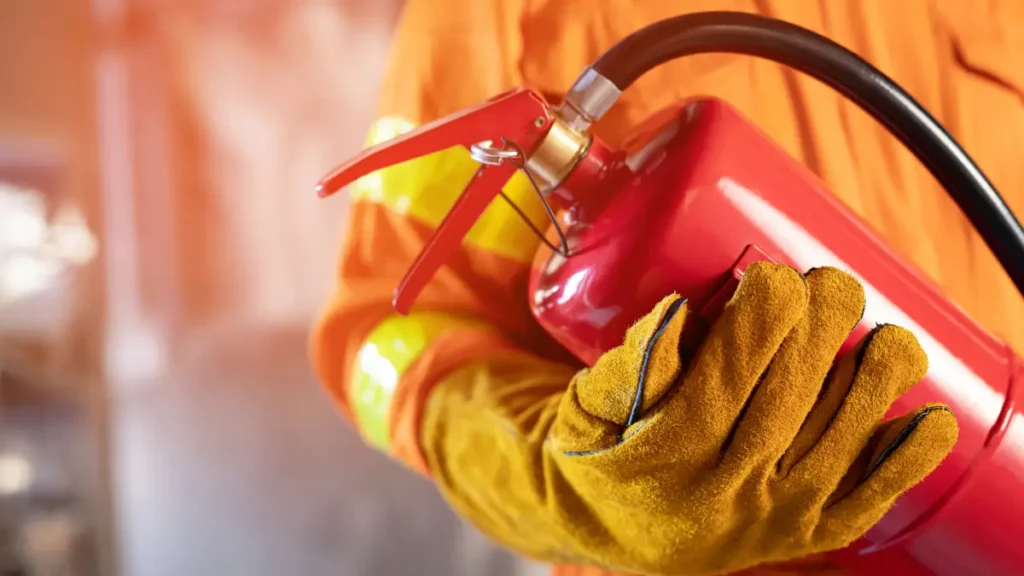
I know it can be overwhelming, but there are practical steps you can take today to reduce fire risks. First, make sure smoke alarms are installed in every room and checked monthly. A small fire extinguisher in the kitchen or near heat sources could save your home.
Next, create an emergency plan that includes your pets. Many people overlook how quickly pets can panic and hide during fires. Knowing where to find them and how to safely evacuate them could be life-saving.
Finally, be aware of seasonal hazards. In winter, heaters and electrical cords are common causes of household fires. Take a moment to inspect your home for potential risks—it’s a small effort that can prevent a catastrophe.
If you haven’t done this yet, I’d encourage you to take five minutes today to check your fire safety measures. It’s one of those things you hope you never need—but you’ll be grateful if you do.
If you want timely updates and alerts on local emergencies or safety tips, people are sharing quick updates in WhatsApp communities—you can check out discussions on current incidents and fire safety alerts.
Assistance Options After a House Fire
Reading about this fire makes me think about how quickly lives can be turned upside down—and how important support is in those first days. If you or someone you know ever faces a fire like this, there are resources that can help.
Local shelters and organizations like the Red Cross can provide immediate help, from temporary housing to essential supplies. Pet owners can reach out to animal rescue groups for assistance if pets are affected. Insurance companies are another lifeline—making sure your coverage is up to date and understanding what to file for can save a lot of stress later.
I always tell people: having a plan isn’t just about preventing fires; it’s about knowing where to turn when disaster strikes. Even sharing this information with neighbors can make your entire community a little safer.
House Fire Trends in Newton and Central Iowa
While this fire is devastating on its own, it’s part of a larger picture. Newton and surrounding areas have seen house fires each year, with causes ranging from electrical issues to heating equipment. Looking at local trends helps you understand risk—not to scare you, but to remind you that preparation matters.
I like to look at the data because it shows patterns: fires often spike in winter months, and certain household mistakes repeat themselves. Knowing this can help you take small, practical steps that make a real difference—like checking electrical outlets, securing flammable items, and maintaining smoke alarms.
When I think about fire statistics, it’s a reminder that prevention is a daily habit, not just a reaction after the fact.
Fires like this also bring to mind the Fox Lake blaze, where multiple homes were destroyed and firefighters risked their lives to control the flames.
Central Iowa House Fire: Key Takeaways & What You Can Do
If there’s one thing I want you to take from this story, it’s that fires can happen to anyone, anytime—and preparation is everything. From working smoke alarms to pet evacuation plans, small actions today can prevent heartbreak tomorrow.
Two pets were lost in this fire, and the home is a total loss, but no humans were hurt—a reminder that safety measures and rapid response save lives. I encourage you to review your own home’s fire safety tonight: check alarms, review escape routes, and make sure everyone, including pets, knows the plan.
I’d love to hear from you: Do you have a fire safety plan in place for your home? What’s one change you can make today to protect your family and pets? Share your thoughts—I know others in your community will benefit from your experience.
For more updates on local incidents and safety tips, you can follow us on X and join our Facebook community to stay informed and share your experiences.
Disclaimer: This article is based on the latest available reports from the Newton Fire Department and local news. Details may change as the investigation continues. Readers should follow official updates for the most accurate information.