10 Crucial Checks Home Inspectors Make Before You Close
Buying a house is exciting, but I’ve seen too many people get blindsided by hidden problems they never spotted before closing. That’s where a home inspection comes in. When I walk through a property as an inspector, I’m not just checking boxes—I’m looking for things that could cost you thousands down the line. You might think a fresh coat of paint or a spotless floor means the house is trouble-free, but there’s a lot going on beneath the surface that you can’t see at first glance.
In this article, I’ll walk you through the 10 things home inspectors always check before you buy, so you know exactly what to focus on. By the end, you’ll understand not just what inspectors look for, but why it matters—and how it can save you money, stress, and a lot of headaches after moving in. Let’s dive in and make sure your dream home doesn’t come with any nasty surprises.
1. Structural Integrity
When I inspect a home, the first thing I focus on is the structure. It might sound obvious, but you’d be surprised how often buyers overlook cracks in walls or subtle sagging in ceilings. These aren’t just cosmetic—they’re warning signs of potential foundation problems. These aren’t just cosmetic—they’re warning signs of potential foundation problems. When I spot issues like foundation cracks or uneven walls, it often leads to repairs before closing. You can check out our detailed guide on home inspection repairs to understand common fixes and costs. And trust me, foundation repairs can run into tens of thousands of dollars.
Here’s what I always check:
- Foundation cracks: Horizontal, vertical, or stair-step cracks can signal serious settlement issues.
- Wall and ceiling alignment: Doors and windows that stick or uneven floors often point to shifting foundations.
- Roof structure: I look for sagging rafters, missing supports, or uneven decking.
- Doors and windows operation: If they don’t open or close properly, it could indicate the frame is twisting or the foundation is settling.
If you want a clear visual of what inspectors look for, Redfin has a great set of structural diagrams that illustrate common issues in foundations and framing. Knowing what to spot here can save you from serious headaches later.
2. Electrical System
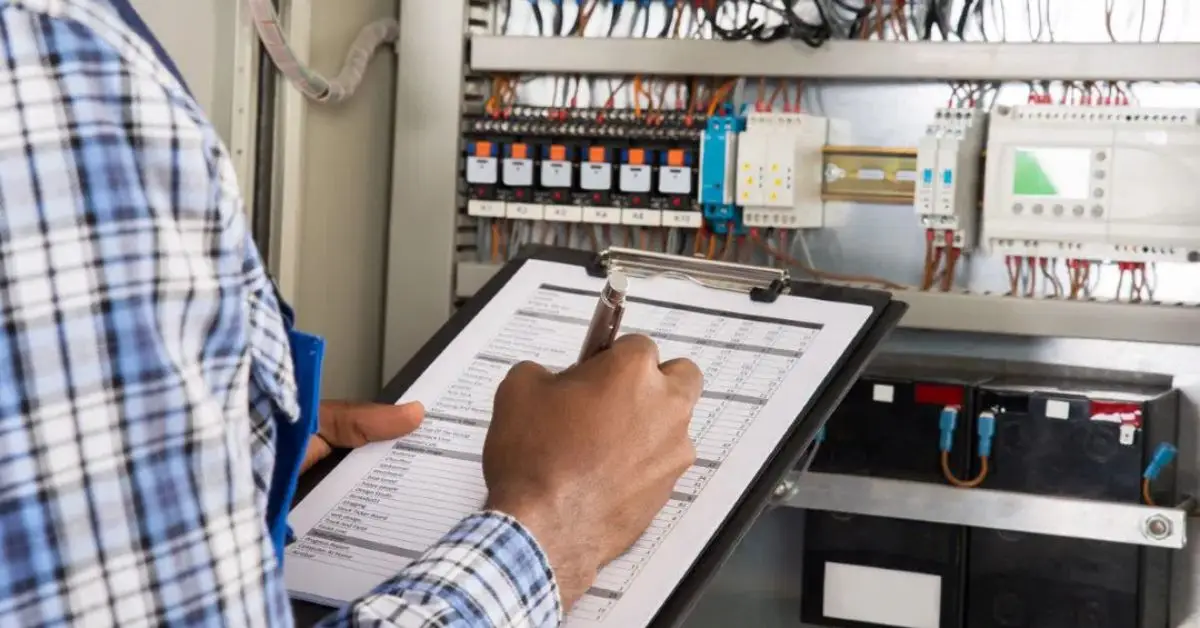
Next, I move on to the electrical system, because safety comes first. I can’t stress enough how many homes have hidden wiring problems that could lead to shocks or even fires. You want to feel confident flipping a switch without worrying if it’s going to spark.
When I check the electrical system, I look at:
- Wiring age: Old or DIY wiring can be a ticking time bomb.
- Outlets and breakers: I test a few outlets to see if they’re live and check the main panel for overloaded circuits.
- Visible hazards: Frayed wires, exposed junctions, or burn marks are all red flags.
By catching these early, you’re not just following code—you’re protecting your family and your investment. Even small fixes can prevent disasters, and a good inspector will point out what really needs attention.
3. Plumbing System
Then comes plumbing, which I always inspect carefully. A leaky pipe might seem minor, but water damage can escalate fast—hello, mold and warped floors. I’ve walked into homes where the water heater was overdue for replacement, and the buyer had no clue.
Here’s my approach:
- Pipes: Check for leaks, corrosion, and the type of material used.
- Water pressure and drainage: I run faucets and flush toilets to make sure everything works smoothly.
- Faucets and fixtures: Drips, stains, or unusual noises are signs of bigger problems.
- Water heater: Age, leaks, and maintenance records tell me if it might fail soon.
For a practical checklist to guide you on what to watch for in plumbing, Zillow’s home inspection guide is a solid reference. Following it can help you spot issues before they become costly surprises.
4. Heating, Ventilation & Air Conditioning (HVAC)
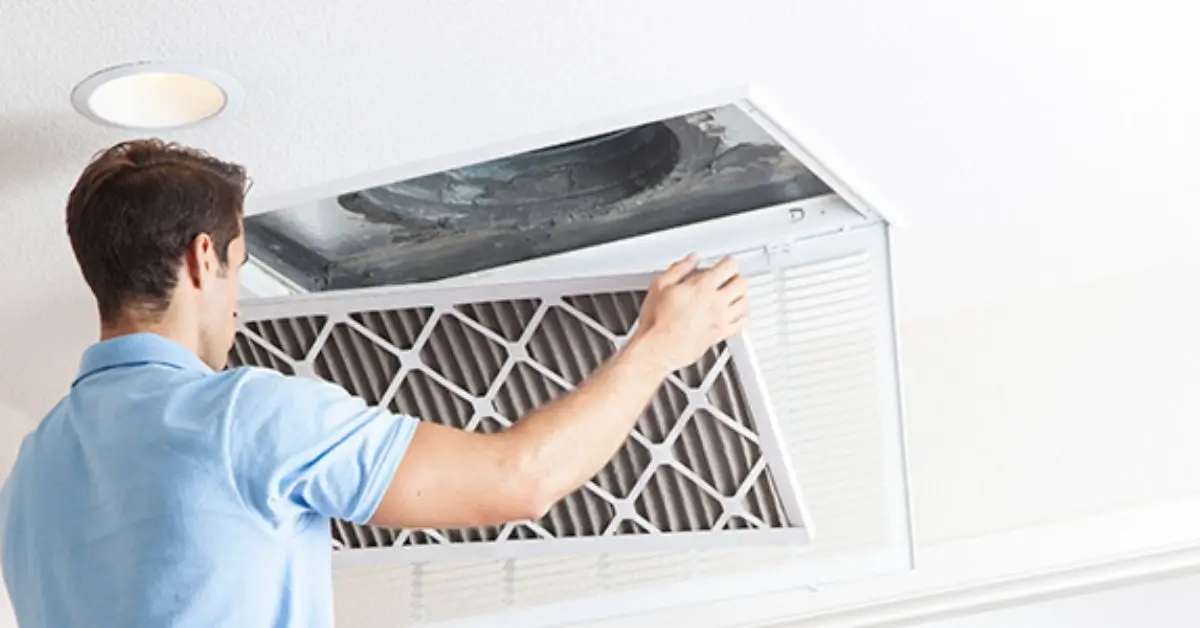
Once the basics are covered, I turn my attention to the HVAC system. Comfort in your home depends on it, and a poorly functioning system can quickly become expensive to fix.
Here’s what I check carefully:
- System age: Older units may be nearing the end of their life or working inefficiently.
- Efficiency: I look for uneven heating/cooling or units that struggle to maintain temperature.
- Maintenance records: Regular servicing keeps systems running longer and avoids surprise breakdowns.
- Ductwork: Leaks or blockages can reduce efficiency and increase your energy bills.
For a practical reference on system lifespan and costs, I sometimes share Opendoor’s HVAC guide. Knowing what to watch for can prevent major repair costs later. If you’re a seller considering inspections before listing, our guide on pre-listing inspections for home sellers explains why these checks can save headaches and costs.
5. Roof & Attic
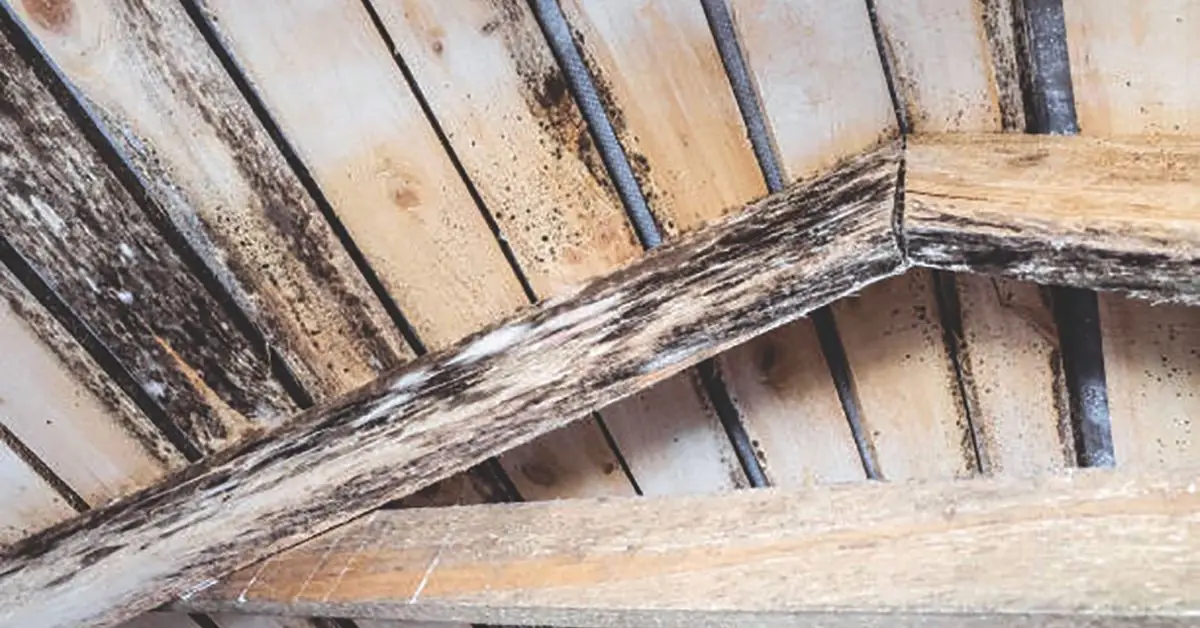
The roof and attic are critical because water and heat problems often start here. Even a few missing shingles or poor attic insulation can lead to leaks, mold, or high energy bills.
I focus on:
- Shingle wear and leaks: Missing, curled, or damaged shingles are red flags.
- Ventilation: Proper airflow prevents moisture buildup.
- Insulation: Adequate coverage keeps energy bills down and maintains comfort.
- Roof structure: Sagging or uneven areas can indicate hidden damage.
Inspecting these thoroughly now can save you thousands later, especially during rainy or cold seasons.
6. Exterior & Drainage
Finally, I check the exterior and drainage. Water is a house’s silent enemy, and poor grading or clogged gutters can silently damage your foundation over time.
Here’s what I examine:
- Siding and paint: Look for cracks, warping, or water damage.
- Windows and doors: Ensure proper sealing and check for leaks.
- Patios, decks, and walkways: Water should not pool near the foundation.
- Gutters and downspouts: Make sure they direct water away from the house.
- Grading and slope: Yard should slope away from the foundation to avoid water intrusion.
Paying attention to these details now can prevent expensive repairs and protect the home’s long-term value.
7. Interior Surfaces & Fixtures
Once I’ve checked the major systems, I focus on the interior surfaces and fixtures. Floors, walls, ceilings, cabinets, and countertops may look fine at first glance, but small cracks, stains, or uneven surfaces can reveal hidden problems.
I pay attention to:
- Flooring: Warped wood or soft spots can indicate moisture or structural issues beneath.
- Walls and ceilings: Cracks, bulges, or discoloration can point to leaks or settling problems.
- Cabinets and countertops: Check for alignment, water damage, and stability.
- Doors and windows inside the home: They should open smoothly; sticking can indicate foundation shifts.
Noticing these early saves you from costly cosmetic or even structural repairs down the road, and it helps you negotiate smarter.
8. Safety Checks
Safety is non-negotiable, so I make sure to inspect all the key safety features around the house. These might not be glamorous, but skipping them can put your family at risk.
My checklist includes:
- Smoke detectors and carbon monoxide alarms: Ensure they’re installed correctly and functioning.
- Railings and stairs: Must be sturdy and meet safety standards.
- Mold and pest signs: Even small patches of mold or termite damage can escalate quickly.
- Electrical hazards: Frayed cords, exposed wiring, or outdated outlets.
Checking these items gives peace of mind and keeps your home safe from preventable hazards.
9. Appliances
Next, I inspect the appliances, because they are often overlooked until something breaks. Kitchen appliances, laundry machines, water heaters, and lighting fixtures all need to work properly—especially if you’re factoring replacement costs into your budget.
I test for:
- Functionality: Make sure stoves, ovens, microwaves, washers, and dryers actually work.
- Leaks or wear: Look for signs of water leaks or corrosion under sinks and behind appliances.
- Age and maintenance: Older appliances may be close to the end of their life.
Knowing the condition of these items before you buy helps you avoid surprise replacement costs and gives you leverage if repairs are needed.
10. Documentation & Negotiation
Finally, I help buyers understand the inspection report itself. This is where knowledge turns into power—you can spot red flags and use the information to negotiate repairs or credits before closing.
Key points I focus on:
- Reading the report carefully: Understand what’s critical versus cosmetic. Knowing what’s critical versus cosmetic. For examples of repairs you should always discuss after an inspection, see our post on 7 smart repairs to negotiate.
- Spotting red flags: Prioritize issues that affect safety, structure, or major systems.
- Negotiating repairs or credits: Use inspection findings to discuss with sellers and protect your investment.
- Asking questions: Don’t be afraid to ask your inspector for clarification—this ensures you make informed decisions.
A thorough understanding here not only saves money but also helps you move in with confidence, knowing there won’t be unexpected problems waiting for you.
Conclusion
By now, you’ve seen the 10 things home inspectors always check before you buy a house. Each one—from structural integrity to plumbing, HVAC, and even small details like appliances—can save you from costly surprises down the line. A home inspection isn’t just a formality; it’s your chance to make sure the house you’re buying is safe, functional, and truly ready for you to move in.
I know it can feel overwhelming to think about all these checks, but taking the time to understand what inspectors look for empowers you to make smart decisions and negotiate confidently. Remember, the goal is not just finding a house, but buying a home you can feel secure and comfortable in for years to come.
I’d love to hear from you: Have you ever had a home inspection uncover something unexpected? Share your experiences in the comments below—I read every story. And if you want more practical home-buying tips and checklists, be sure to visit Build Like New, where we help you make every home purchase smooth, smart, and stress-free.
Disclaimer: This article is for informational purposes only and does not replace a professional home inspection. Always hire a certified home inspector for a thorough evaluation before purchasing a property.