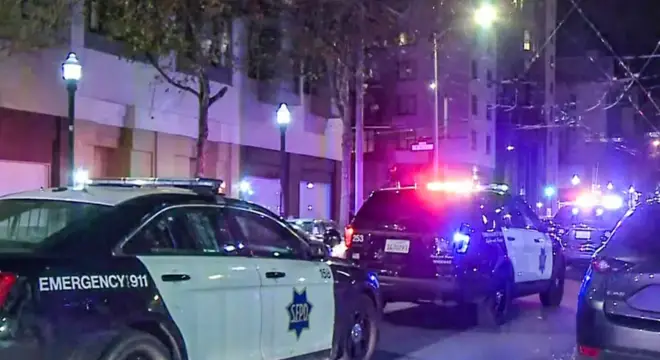
Fatal Northwest Dallas Home Fire Leaves 1 Dead, Another Injured
When I first read the details of this fire, the part that hit me hardest was how quickly everything changed inside that small home on Modella Avenue. One moment, it was an ordinary Tuesday night. Minutes later, firefighters were racing into a burning house where two people were trapped and running out of time.
You probably know how these stories usually go — a quick headline, a couple of lines about a fire, and that’s it. But this one feels different because of how fast things escalated. At 8:52 p.m., Dallas Fire-Rescue got the call. By the time they reached the home, flames were already tearing through the front of the house, and smoke was thick enough that the crews knew someone inside might not make it without immediate help.
I try to imagine what it felt like for those firefighters walking into that heat. They didn’t wait. They pulled a woman out first, then a 77-year-old man who was struggling after heavy smoke exposure. Both were rushed to the hospital. The woman held on. The man didn’t.
And that’s the part of the story that lingers — not just the fire, but how one life ended before anyone could understand what sparked it. The official cause still isn’t confirmed, and that uncertainty leaves you wondering how something so ordinary can turn deadly so fast.
If you were nearby or you’ve lived in Northwest Dallas long enough, I’d like to know — do you feel like house fires in this area have been happening more often lately?
How the Fire Unfolded?
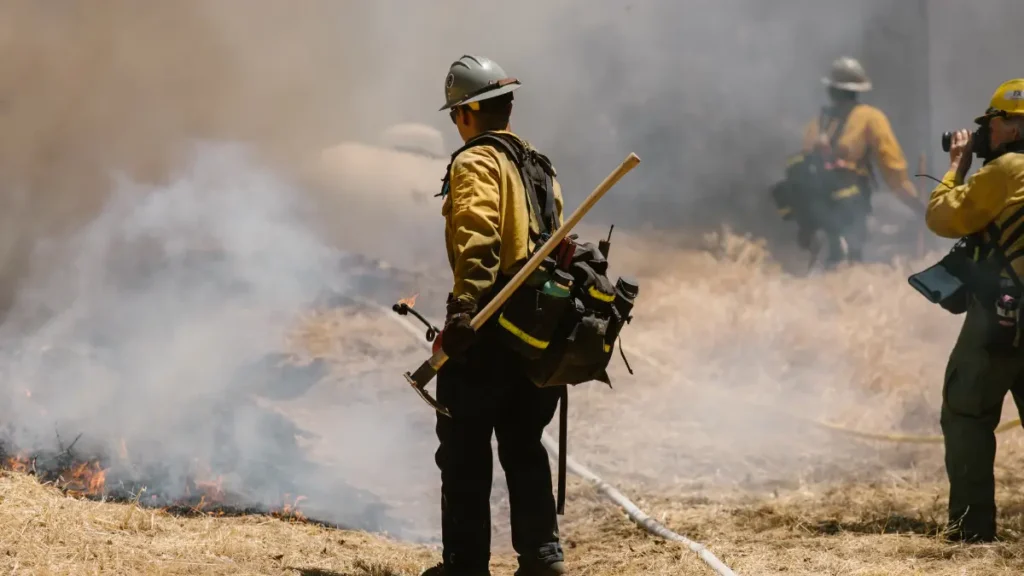
When you look at the timeline, you see how fast a house fire can take over a home. According to NBCDFW, the first 911 call came in at 8:52 p.m. Fire crews reached the house within minutes, but by then the flames were already pushing out of the front side of the one-story home.
I always pay attention to these early details because they reveal how little time people have to escape. By the time firefighters stepped onto Modella Avenue, they were staring at heavy fire, thick smoke, and the urgent knowledge that two people were still trapped inside.
There’s a tendency in quick news reports to skip the in-between moments — the chaos, the decisions, the seconds that matter. But here, those minutes are the entire story. Firefighters fought through the smoke, pulled both victims out, and had the blaze under control by around 9:20 p.m. That’s not even 30 minutes from the first call to the final knockdown.
And yet, those 30 minutes were the difference between life and death.
The People Inside the Home
Stories like this always feel heavier when you understand who was inside the house. The woman who survived was stabilized at a nearby hospital, shaken but alive after serious smoke exposure. The man, a 77-year-old, didn’t make it. He was rescued alive but critical, and family members later confirmed his age before he passed away at the hospital.
For me, this part always raises questions you and I may never get the answers to — Were they trying to escape? Were they asleep? Did they even know the fire had started? Those details rarely make it into official reports, but they shape the entire human side of events like this.
There were no other injuries. No neighbors hurt. No firefighters harmed. Just two lives caught in a moment that neither of them saw coming.
This reminded me of another tragic case where two children lost their lives in an Evansville fire.
Inside the Rescue Effort
If you’ve ever watched firefighters work up close, you know they don’t think twice when someone is trapped. They go in. That’s exactly what Dallas Fire-Rescue did here — heavy fire at the front, unstable conditions, but still pushing through to pull two people from the back rooms of the home.
I try to imagine that scene: limited visibility, extreme heat, collapsing parts of the structure, and the pressure of knowing that every breath a trapped victim takes could be their last. You and I read about it from a distance, but they lived it in real time.
What often gets missed in quick news hits is how dangerous these rescues are. Northwest Dallas has had several fires recently where firefighters themselves were hospitalized. This one didn’t injure any responders, but that doesn’t make the job any less risky.
I’ve also noticed that many Dallas residents rely on local WhatsApp alert channels to stay updated about fast-moving emergencies — it’s become one of the quickest ways people get fire and safety information when something happens in their neighborhood.
What We Know About the Cause?
Right now, the official cause hasn’t been confirmed. And honestly, that’s more common than most people realize. House fire investigations take time — investigators look at burn patterns, structural damage, possible ignition points, electrical wiring, and any appliances or heaters that could have sparked the flames.
When I look at past fires in Dallas, especially during colder months, a lot of them trace back to things like space heaters, outdated wiring, overloaded outlets, or even something as simple as food left on the stove. I’m not saying that’s what happened here — just that these are the patterns investigators look at first.
One SERP gap I noticed? Most reports just say “cause under investigation” and move on. But you and I both know people want to understand how fires start, not just that they did.
Until officials confirm it, the honest answer is: we don’t know yet. But the conditions described suggest a fast-moving fire that spread before anyone could react.
In another fire I covered in Fairfield County, investigators also traced the spread back to conditions inside the home.
Are Northwest Dallas Homes More Vulnerable?
If you’ve lived in this area or followed the local news, you might have noticed the pattern too. Northwest Dallas has seen multiple serious fires in the past couple of years — some with fatalities, others where firefighters themselves ended up in the hospital.
Older homes are a big factor. Many houses in these neighborhoods were built decades ago, and unless they’ve been updated, electrical systems and insulation can be more vulnerable to heat and sparks. Add in winter heater usage, aging wiring, or cluttered interiors, and you get a recipe for fires that spread fast.
I’m not saying every home here is unsafe — but I do think it’s fair for you to wonder whether enough is being done to keep older neighborhoods protected. I’ve seen several recent fire reports from this area, and the pattern is too consistent to ignore.
And as someone who reads these incidents closely, I’ll say this: When the same neighborhoods keep appearing in fire reports, it’s usually not a coincidence.
What This Means for People Living in Northwest Dallas
When you step back from the details of this one fire, you start to see a bigger picture — and honestly, it’s not one you can ignore if you live in Northwest Dallas. Fires in this part of the city aren’t rare. We’ve seen a mix of old wiring, aging homes, winter heating setups, and tightly packed neighborhoods all combine to create real risks.
I don’t say this to scare you. I say it because incidents like this force you and me to think about what’s happening around us. If one house has a fast-moving fire like this, it raises a simple question: How many others could be just as vulnerable without anyone realizing it?
You might live on a quiet street. You might feel like these things happen “somewhere else.” But over the past few years, Northwest Dallas has shown us again and again that fire safety isn’t something you deal with after a tragedy — it’s something you pay attention to before one happens.
And maybe that’s the real purpose of telling stories like this. You’re not just reading about what happened to someone else. You’re looking at the kind of danger that can rise inside any home, on any regular night, without warning.
It’s a pattern I’ve seen in other cities too, like a recent fire in Dearborn where an elderly woman didn’t survive — the similarities are unsettling.
What Happens Next?
The next steps in a case like this usually move slowly. Investigators will go through the home once it’s safe to enter — checking wiring, appliances, burn patterns, and anything that might help them understand where the fire started and why it moved so fast.
You’ll probably see another official update once the cause is confirmed, and that answer matters. It won’t change the loss this family suffered, but it might protect another household down the block. Sometimes fire departments also issue safety reminders or run community outreach after fatal fires, especially in older neighborhoods.
I’ll be paying attention to the investigation because incidents like this often reveal small details that could save someone else’s life. Maybe that’s a heater issue. Maybe an electrical fault. Maybe something no one expected.
While we wait, I’m curious about your perspective — Do you think fires like these are becoming more common in your part of Dallas, or do they feel like isolated cases that just happen to make the news?
Your experience matters more than the headlines.
If you want quick updates on similar investigations and safety alerts, you can follow along on X and join the community on Facebook— I share real-time updates there whenever new details come out.
Disclaimer: This article is based on information released by Dallas Fire-Rescue and local reporting at the time of writing. Details may change as the investigation continues. Always follow official updates for the most accurate information.