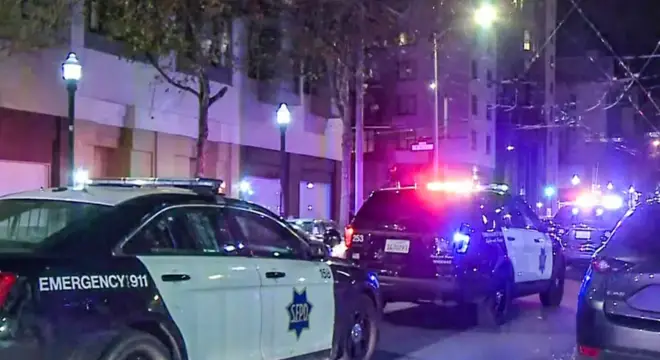
Deadly Austin Mobile Home Fire Leaves One Person Dead, Officials Confirm
When I first read about the fire in Austin’s Oakland Estates Mobile Home Park, what struck me was the timing. A little after 1:30 in the morning — the kind of hour when most people are asleep, unaware, and completely vulnerable. Fires that start at that time almost always turn deadly, and sadly, this one did.
According to officials, firefighters rushed to the 3700 block of 3rd Place SW after getting the emergency call. By the time crews made their way through the narrow park roads and pushed into the smoke, one person was already gone. Another was pulled out alive but injured, and is now getting treatment.
If you’ve ever lived in or visited a mobile home community, you know how quickly these structures can go up in flames. Thin walls, tight spacing, and older wiring make even a small fire dangerous. And when a blaze starts before dawn, the margin of survival gets even smaller.
This is the basic picture so far:
a quiet neighborhood, a sudden fire, one life lost, another hanging in the balance, and a long investigation now underway.
Before we go deeper into the timeline and official findings, I want to ask you something: Do you have working smoke and carbon monoxide alarms in your home right now?
Timeline of the Austin Mobile Home Fire Response

When you look at how this fire unfolded, the timeline tells you everything about how quickly a normal night can turn into a disaster. KIMT reported that the first 911 call came in just after 1:30 a.m., and within minutes, the Austin Fire Department was on the road, heading toward the Oakland Estates Mobile Home Park.
If you’ve ever watched firefighters work up close, you know there’s no wasted motion. They pull up, jump out, and move fast because they understand what a one- or two-minute delay can mean inside a burning mobile home. These structures heat up fast, and the smoke gets thick long before flames take over.
By the time crews forced their way inside, they already knew the situation was critical: thick smoke, limited visibility, and at least two people trapped. Moments like this don’t leave much room for second chances. Firefighters managed to bring one person out alive, but for the other, it was already too late.
This entire chain of events — call, response, rescue, and the grim confirmation — happened in a very small window. That’s why I always tell people: your margin of safety in a nighttime fire is measured in minutes, sometimes seconds.
Fires that break out in the middle of the night usually follow the same brutal pattern. I saw something similar in a recent Arizona mobile home fire where one person was critically injured — the situation escalated before anyone could wake up.
Victim Details and Injury Report
FOX9 confirmed the most heartbreaking part of this story: one person didn’t make it out of the mobile home alive. Another was pulled from the home and rushed to the hospital. Officials haven’t released names yet, which usually means families are still being notified — a painful process no one ever prepares for.
Anytime I read about a fatal fire, I think about how ordinary the night must have felt for the people inside. Maybe someone turned in early. Maybe someone left a heater on because it was cold. Maybe someone didn’t hear the first alarm — or maybe there wasn’t one at all. These little moments often decide whether someone gets out or doesn’t.
The person who survived is still being treated, and we don’t know their condition. What we do know is that survival from a mobile home fire is often tied to how quickly someone wakes up and how far they are from the main exit. Smoke fills these homes unbelievably fast.
This isn’t just a statistic — it’s a reminder of how fragile life is inside a structure built with thin materials and narrow escape paths.
It reminded me of a case I covered in North Memphis, where a homeowner didn’t make it out in time — a fire that moved just as fast and left firefighters fighting through dangerous conditions.
Why Oakland Estates and Mobile Homes Face Higher Fire Risk
If you’ve never walked through a mobile home park at night, it’s quiet, dimly lit, and tightly packed. Homes sit close together, sometimes only a few feet apart. Inside, thin walls and older wiring create risks most people don’t think about until something goes wrong.
Even without a major flame, smoke alone can become deadly in minutes. And in parks like Oakland Estates — where many homes are decades old — a small spark from a heater, outlet, or appliance can spread like dry grass catching fire.
I’m not saying this to scare you. I’m saying it because mobile home fires behave differently from other house fires. They move faster. They trap smoke quicker. They burn hotter in less time.
That’s why this location matters. It’s not just a random spot on the map. It’s a type of neighborhood where one small malfunction can become a tragedy before anyone even wakes up.
Investigation Underway: What Officials Are Looking For
Right now, the State Fire Marshal’s Office is trying to piece together what started the fire. When I say investigation, don’t imagine just walking around with flashlights. These teams go step by step through the debris, checking wiring, appliances, heating units, burn patterns — anything that can point to the moment things went wrong.
They’ll interview neighbors, look at utility connections, and try to determine whether this was electrical, accidental, or something else. And until they find that answer, everything is technically “unknown.”
What matters for you and me is understanding the pattern: most mobile home fires start from heating equipment, electrical failures, unattended cooking, or smoking materials.
I’ve seen many cases where people assumed the cause would be obvious. But fires rarely give clear clues. Investigators usually spend days, sometimes weeks, analyzing what’s left.
For now, all we know is that the cause hasn’t been determined — but the questions that matter are already being asked.
Smoke & Carbon Monoxide Detectors: The Life-Saving Warning Most People Ignore
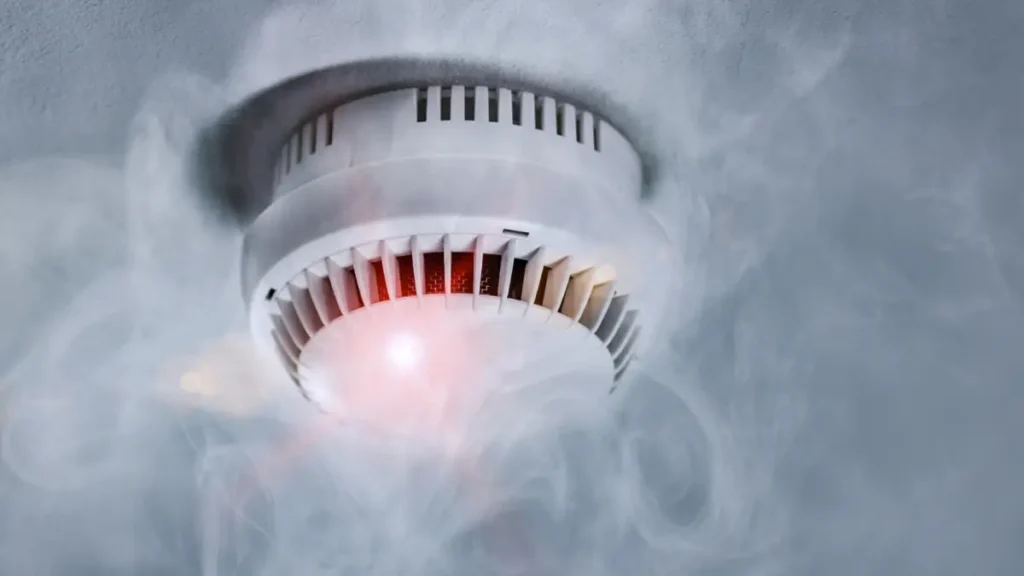
The Austin Fire Department made a point to remind everyone of something simple but life-saving: working smoke detectors and CO alarms matter more than anything else when a fire breaks out at night.
I’ve covered enough fire incidents to see the same pattern again and again. Homes with working alarms almost always have survivors. Homes without them often don’t.
In mobile homes, the difference is even sharper because smoke fills the space so fast. If you’re asleep, you might only have a minute or two to react. That’s not enough time to find the fire, let alone fight it.
If you’re reading this and you’re not sure your alarms are working, check them today. Don’t wait. Don’t assume. Press the button. Replace the batteries. Install a second one if needed.
One small device can make the difference between waking up in time — or not waking up at all.
If you prefer getting quick fire-safety reminders directly on WhatsApp, there’s a channel that shares short, practical updates that people find useful during emergencies. It might be worth checking out for timely alerts.
Community Response and Emergency Coordination
When a fire happens in a tight-knit place like a mobile home park, the whole community feels it. People wake up, step outside in the cold, and try to make sense of what they’re seeing — flashing lights, smoke hanging in the air, and neighbors being pulled away for medical treatment.
From what I’ve seen in similar cases, the hardest part for residents is the fear that it could have been them. It only takes one electrical spark or one forgotten heater for any of these homes to become a danger zone.
Emergency crews — Austin Fire Department, Austin Police, Mayo Ambulance, and Austin Utilities — worked together through the night, each doing a part most people don’t think about. Firefighters handled the flames, police secured the scene, paramedics treated the injured, and utility crews made sure no gas or electrical hazards put more people at risk.
Moments like these remind you how dependent you are on the people who show up while the rest of the world is asleep.
A Simple Fire Safety Checklist Every Mobile Home Resident Should Follow
I don’t want to just tell you about this fire. I want you to walk away with something that could protect you in your own home. Fires don’t give you warnings, but preparation does.
Here’s a simple checklist that covers the basics:
- Make sure you have working smoke alarms in every sleeping area
- Add a carbon monoxide alarm — especially in older mobile homes
- Keep heaters at least three feet away from anything that can burn
- Don’t overload outlets or power strips
- Avoid running space heaters overnight if you can
- Check your exit paths — make sure both doors open smoothly
- Have a small fire extinguisher you actually know how to use
These aren’t complicated steps. They’re just easy things that give you a real fighting chance if something goes wrong. I always say: you don’t get to control a fire, but you can control your readiness.
If you want to see how proper alarms and quick reactions make a difference, I wrote about a Bristol home fire where one person survived because neighbors acted fast and responders arrived in minutes.
What Happens Next in the Investigation?
Right now, investigators are sorting through debris and interviewing the people who were closest to the scene. It’s a slow process because fire destroys the very evidence they’re trying to interpret. But eventually, they’ll release a report that explains what started the fire and what conditions made it deadly.
You and I may not see every update the moment it comes out, but what matters is that these teams work methodically. They don’t guess. They don’t rush. They take their time because one correct detail can help prevent the next tragedy.
And when the official cause is released, it will answer the questions that everyone in Oakland Estates — and everyone following this story — is quietly asking: How did this start? And could it have been prevented?
Key Takeaways You Should Remember
If you’ve stayed with me through this story, here’s what I think matters most.
A fire can change everything in minutes, especially in a mobile home. One person died here. Another is still fighting to recover. And a community is left shaken because they know how close this came to their own doors.
You don’t control when a fire happens, but you do control your odds. A working smoke alarm, a clear escape route, and a few simple safety habits can literally decide whether you make it out.
So I want to leave you with a question — one that can save a life: If a fire started in your home tonight, would you wake up in time to get out?
If you want quick updates on major fire incidents, safety alerts, and community reports, you can follow me on X and Facebook — I share every important development there.
Disclaimer: The information in this article is based on official statements and reports available at the time of writing. Details may change as investigators release new findings. Readers are encouraged to follow updates from local authorities for the most accurate information.