19 Venomous Snakes Found in Home After North Charleston Fire
When I first read the incident report, I had to stop for a moment. You expect firefighters to battle smoke, heat, and chaos — but nobody expects them to walk into a burning bedroom and find more than a dozen venomous snakes inside. If you’ve ever wondered what really happens behind those quick news headlines, this story pulls you right into the middle of it.
A house fire broke out around 7:30 p.m. in the 2500 block of Vistavia Road, and from the outside, it looked like a routine emergency call. But the moment crews stepped inside, the situation shifted from a simple fire response to a high-risk wildlife crisis.
Some of those snakes were loose. Some were already dead. And the fire kept burning in the front bedroom while responders tried to figure out how to keep everyone safe.
As I walked through the details, one thing became clear: this wasn’t just another house fire. It was the kind of scene where every decision carried weight — for the firefighters, for the officers who rushed in to help, and even for the neighbors who had no idea what was unfolding down the street.
If you were in their shoes, how would you react walking into a burning room and realizing live venomous snakes were moving somewhere in the smoke?
What Firefighters Saw When They Reached the Home
When I went through the initial reports, what struck me first was how fast everything unfolded. Firefighters reached the home around 7:30 p.m., responding to flames coming from a front bedroom — a detail confirmed in the early coverage by Live5News. On paper, it sounded like a standard nighttime fire call. In reality, it was anything but that.
You know how firefighters move with that trained urgency — get in, assess, put the fire down before it spreads. But inside this home, the conditions were shifting every second. Thick smoke. Heat pushing through the walls. A bedroom fire that wasn’t yet fully under control. From the outside, neighbors saw lights and hoses. Inside, the crews were stepping into something they couldn’t have predicted.
This reminded me of another case where firefighters rushed into a burning home and found pets trapped inside — just like in this Oklahoma incident where pets tragically didn’t survive the fire.
It makes you imagine the moment they realized this wasn’t just a structure fire. Firefighters are ready for almost anything — but not what came next.
The Discovery Nobody Expected: More Than a Dozen Venomous Snakes
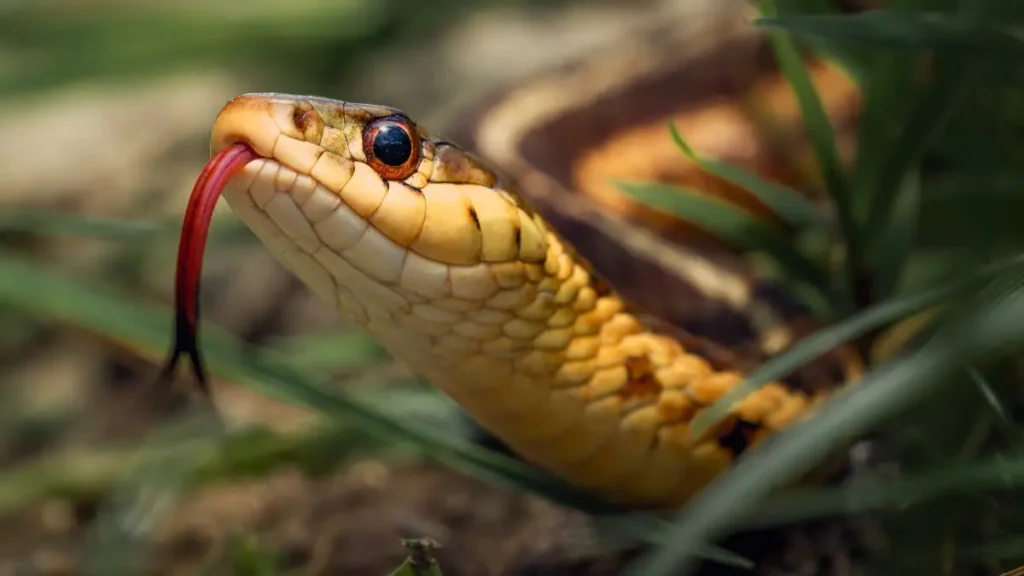
I kept asking myself one question as I read through the CountOn2 incident notes: What must that first firefighter have thought when he spotted the snakes? Because according to the report, there weren’t just a few. There were numerous venomous snakes, and some of them were loose inside the house.
Imagine this scene: smoke swirling, visibility dropping, heat intensifying — and then you spot something moving on the floor. Then another. And another. By the time police arrived to help, several snakes had already died from the conditions. Others were still alive, scattered somewhere inside a burning home.
This is the kind of situation where adrenaline kicks in whether you want it to or not. A house fire is dangerous. A house fire with venomous snakes inside is a completely different level of risk.
It’s one of those rare moments where every responder has to think two steps ahead just to stay safe.
Efforts to Capture the Snakes and Why Things Got Complicated
The more I dug into the details, the more it became clear that this scene wasn’t just physically dangerous — it was logistically messy. Firefighters needed help because handling venomous snakes isn’t something you “figure out” on the spot.
Animal Control arrived. South Carolina DNR arrived.
Both agencies had training, but neither could actually take the snakes or house them. That’s where the story takes a turn no one expected: the 24-year-old resident of the home stepped back inside, escorted by firefighters and DNR officers, and started capturing the surviving snakes himself.
Think about that for a second.
Most people would run the other direction. This man walked into a damaged, smoke-filled home and calmly contained every remaining snake. One by one, he secured them in a locking container until officials confirmed all were accounted for.
It’s one of those details that sticks with you because it feels almost surreal.
Situations like these always remind me how unpredictable house fires can get, just like the Mayfair fire where responders faced an entirely different kind of emergency.
Were the Snakes a Danger to Neighbors? Officials Clear the Air
If you live anywhere near Vistavia Road, I’m sure your first thought would be the same as mine: Did any of those snakes get out? According to the police report, the answer is no. Every snake was contained, and officers made it clear there was no risk to the surrounding community.
I think that reassurance matters more than people realize. Anytime you hear “venomous snakes” and “house fire” in the same sentence, your mind automatically jumps to the worst-case scenario. But in this case, authorities were firm: everything was contained, and nothing escaped the property.
It doesn’t erase how dangerous the situation was, but it does bring a sense of relief.
I often share quick real-time fire incident alerts and strange emergency cases on my WhatsApp update channel — if you like staying informed without scrolling endlessly, you might find it useful.
The Bigger Problem: Why Venomous Snakes Inside a Home Raise Tough Safety Questions
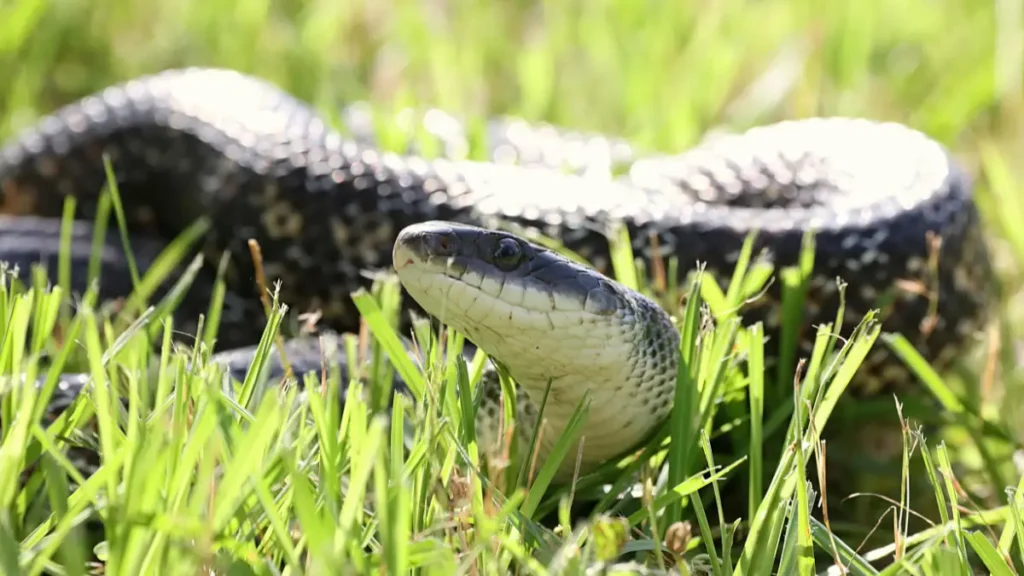
As I stepped back and looked at the bigger picture, one issue became impossible to ignore. A house fire is already a critical event. Add venomous snakes into the mix, and suddenly the entire response becomes more complicated — and more dangerous — for everyone involved.
Keeping venomous snakes isn’t illegal everywhere, but it does come with responsibilities that many people underestimate. In moments like this, you see why. If a fire breaks out, those animals aren’t just pets anymore.
They become a threat to firefighters who can’t see clearly inside a smoke-filled room. They become a risk to officers who don’t know what’s behind a door or under debris. Even the smallest mistake can turn into something serious.
And that’s the part people rarely talk about. Emergencies don’t wait for the “right” conditions. They don’t care if animals are properly enclosed or if someone meant well. A crisis exposes everything — including the risks we overlook.
Why Fires Trigger Unpredictable Behavior in Snakes?
When I read the full incident details, one thought kept circling in my mind: How did so many snakes react inside a burning home? If you’ve ever dealt with reptiles, you already know they’re sensitive to even slight temperature changes. Now imagine them facing a room fire.
Snakes don’t understand danger the way you and I do. Heat pushes them into survival mode. Smoke confuses them. Some freeze. Some try to escape. Others coil defensively because they can’t see what’s happening around them.
And inside that home in North Charleston, firefighters were trying to navigate the same space — dark, smoky, and filled with animals reacting purely out of instinct. That’s why several snakes didn’t survive, and why others ended up loose inside the house. It wasn’t carelessness. It was biology.
If you’ve ever wondered why firefighters always talk about “unknowns” inside a burning structure, this is exactly what they mean.
What You Should Do If You Ever Encounter Wildlife During a Fire
You might think this situation is rare, and it is. But the lesson applies to any home where pets or exotic animals live — even harmless ones. Fires don’t give you time to prepare. So if you ever end up in a similar situation, here’s what I’d want you to remember.
First, don’t try to rescue or capture any animal yourself. Not even a friendly one. Smoke changes behavior fast. You’re not just risking a bite — you’re risking losing your way in low visibility.
Second, tell firefighters right away if you keep animals inside your home. Whether it’s reptiles, birds, or even fish tanks, it helps responders plan their entry.
And finally, if you ever see wildlife fleeing a house fire, keep your distance. Let officials and agencies like South Carolina Department of Natural Resources handle it. They’re trained for situations most people never think about.
No emergency is simple once animals are involved.
I’ve seen similar community reactions in other cases too, like this mobile home fire in Austin where people were left searching for answers while investigators worked through the debris.
What Investigators Will Likely Look at Next
Anytime a fire breaks out, investigators have a checklist — cause, spread patterns, structural factors. But in this situation, there’s another layer.
Officials will look at how the snakes were housed, whether the enclosures were secure before the fire, and whether local regulations about venomous animals were being followed. Agencies like North Charleston Fire Department and South Carolina Department of Natural Resources will compare notes to understand what worked and what needs improvement.
The cause of the fire itself will be a priority. Even small details — a faulty outlet, an overheated device, a candle — matter. Fires don’t happen in isolation, and neither do the consequences.
And while no danger extended to the community, incidents involving venomous animals always attract a closer look. Not to punish anyone — but to make sure responders aren’t put at unnecessary risk in the future.
This is one of those moments where public safety and personal freedom intersect.
Why This Incident Leaves a Bigger Question Behind?
When I step back from the timeline, the flames, the snakes, and the chaos inside that home, there’s something bigger underneath it all: Are we truly prepared for emergencies involving exotic pets?
You and I already know how unpredictable life can be. A fire can break out in a second. And in that second, every living thing in a home — human or animal — becomes part of the same crisis.
This incident in North Charleston wasn’t just unusual. It exposed the gaps most people never think about: how to handle wildlife during a fire, who’s responsible for securing dangerous pets, and whether the rules we have now are enough.
I’m curious — and I genuinely want to hear your perspective: Do you think this kind of event should push cities to rethink laws around keeping venomous animals, or do you feel this was just an isolated case handled well?
If you like following real incident breakdowns like this, you can stay updated by following us on X and joining our Facebook community — we share fire incident updates, safety insights, and case breakdowns you won’t see elsewhere.
Disclaimer: This article is based on information provided by local authorities and official incident reports. Details may evolve as new updates are released. Readers should rely on verified agency announcements for the most accurate and current information.